Table width refers to the horizontal measurement of the surface area from one side to the other. The correct dimension depends on how many people will use the activity table at once and the specific nature of the crafts or projects being completed.
Which Table Width Suits Your Needs?
| If this is you | The Table Width that suits you | Why |
|---|---|---|
| A single child doing solo crafts | 18 to 24 inches | This allows for a compact footprint that fits into small corners while providing enough room for a single set of art supplies. |
| A child who needs space for large-scale projects like murals | 24 to 30 inches | Wider surfaces prevent materials from hanging off the edges and provide a larger workspace for sprawling projects. |
| Two children working side-by-side | 30 to 36 inches | This width provides enough clearance for two people to work without their elbows or materials overlapping constantly. |
| A classroom or group activity setting | 36 to 48 inches | Larger widths accommodate multiple students or collaborative projects that require a shared, expansive workspace. |
Activity Tables we have reviewed in detail
3 reviewed options, $127.70 to $213.39, with the full write-up behind each name.
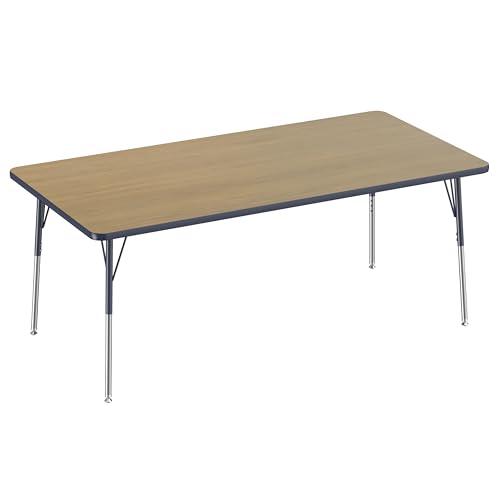
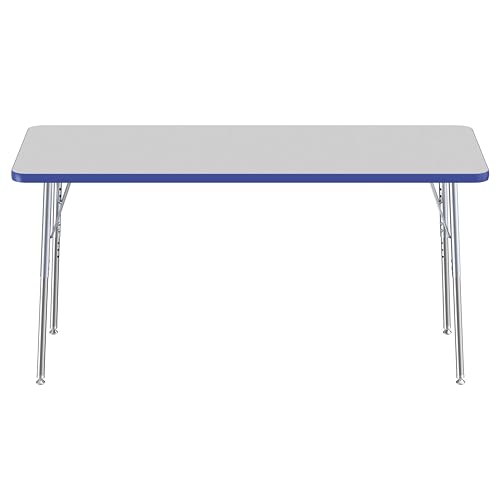
Factory Direct Partners FDP Rectangle Activity Table
You can also view our roundup of the best activity table for school projects to see which models handle heavy coursework best.
$189.99 price checked August 2026

FDP Rectangle Activity School and Classroom Kids Table
$127.70 price checked August 2026
Read our full FDP Kids Table review
Make sure to consider how to choose the right table height to ensure the surface is comfortable for children of different ages.
How Do I Measure the Correct Table Width?
To determine your required table width, you must first measure the available floor space and the specific workspace requirements of your project.
Measuring your available floor space
Use a standard metal tape measure to find the maximum width of the area where the activity table will sit. Measure the distance between two walls or permanent fixtures, ensuring you leave at least 12 inches of clearance on each side of the table for chairs and movement.
Calculating workspace needs
Identify the largest project the child will complete, such as a large poster or a complex building set. Measure the length and width of that project and add 6 inches of buffer space on all sides. This total represents the minimum surface width required for the activity table.
Finding the width on a product listing
Manufacturers usually list the width in the “Dimensions” or “Specifications” section of the product details. Look for the number followed by “in” or “inches.” Ensure you are looking at the width of the tabletop specifically, rather than the total footprint including the base or legs.
What Happens if the Table Width is Wrong?
Choosing a table width that is either too narrow or too wide creates specific functional issues during use.
Once you have the width, learn how to determine the best table length to ensure there is enough room for multiple students.
Risks of a table width that is too narrow
If the table width is too small for the intended activity, items will frequently fall off the edges. This often happens during high-frequency craft activities where children reach across the surface, causing supplies or finished work to slide off the side.
Risks of a table width that is too wide
A table that is too wide for the available room can create a tip-over hazard if the base is not appropriately scaled to the width. Additionally, if the table is wider than the child’s reach, they may struggle to access materials on the far side, leading to a frustrating and inefficient workspace.
What Should I Do if I Fall Between Two Widths?
When your requirements fall between two standard sizes, such as a 24-inch and 30-inch option, you should prioritize the larger width if floor space allows.
A wider surface provides more versatility for future use as projects become more complex. If the extra 6 inches of width prevents the table from fitting into its intended location, choose the smaller width and prioritize a design with a stable base to prevent tipping.
In cases where the width difference is minimal, consider the reach of the user. If the child is younger, a slightly narrower table ensures they can reach the center of the workspace comfortably without overextending.