
Bunk beds provide a vertical sleeping solution that maximizes floor space in a shared bedroom by stacking two sleeping surfaces. Buying a bunk bed is not the only way to accommodate multiple sleepers in a small room, as alternatives range from different furniture configurations to sourcing pre-owned frames. You need to determine if your priority is maximizing floor area, maintaining a specific aesthetic, or minimizing the total cost of the furniture.
How do day beds compare to bunk beds?
Day beds compare to bunk beds by providing a single sleeping surface that doubles as a sofa during the day. This option works best in guest rooms or small studio apartments where a permanent bed would occupy too much space during non-sleeping hours. A day bed typically requires a larger floor footprint than a bunk bed because it lacks the vertical stacking of a bunk frame.
If your kids want more excitement, see the best bunk bed with slide for a fun layout.
The cost of a day bed is often lower than a high-quality bunk bed, as the construction is simpler and does not require the heavy-duty structural bracing of a multi-level frame. However, because a day bed only accommodates one person at a time, it fails to solve the problem of housing two children in a single room. If your requirement is to sleep two people in one area, a day bed is not a viable substitute.
For a more industrial look, browse the best metal bunk beds available for older kids.
A common mistake is choosing a day bed for a shared room and then trying to “make it work” by placing a trundle bed underneath. While this adds a second sleeping surface, it requires a clearance of at least 20 inches of floor space to pull the trundle out, which may not be available in a room already sized for a standard bed.
Understanding the differences is easy when you examine the different types of bunk beds available.
Where these choices show up in our reviews
3 options shown here, $169.92 to $210.97, each with its own full review behind its name.
Beginners can learn how a bunk bed works and its basic mechanics here.


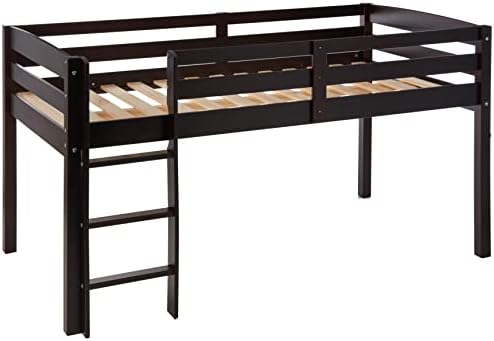
What are the benefits of loft beds?
Loft beds provide a sleeping surface elevated on a frame, leaving the floor space underneath open for other uses like a desk or a play area. Unlike a bunk bed, which has a second bed on top, a loft bed is designed for a single occupant. This makes it a direct substitute for a bunk bed when the goal is to clear floor space rather than provide a second bed.
Loft beds provide dedicated workspace but only one sleeping level
Loft beds are generally more expensive than standard day beds but often cost similar to high-quality bunk beds due to the required structural integrity. They beat a bunk bed when a child needs a dedicated workspace or a hobby area that cannot be squeezed into the room. The transition point where a loft bed stops making sense is when the person using it requires a second bed in the same room, as the loft only provides one sleeping level.
To manage your budget, see what each bunk bed price level offers in our breakdown.
When a child needs a dedicated workspace, a loft bed allows for a 48-inch wide desk to be placed underneath the sleeping platform. This configuration keeps the center of the room open for movement while providing a private zone for schoolwork.
Avoid confusion by viewing our guide on common bunk bed terms and specs explained simply.
How do different bunk bed styles work?
Bunk beds work by stacking a top bunk over a bottom bunk, typically in a twin-over-twin or twin-over-full configuration. This is the primary method for doubling the sleeping capacity of a room without increasing the horizontal footprint of the furniture. You should select a bunk bed when the primary constraint is the number of sleepers versus the available square footage.
Selecting the right size is easier when you find the correct bunk bed length for your room.
Bunk beds maximize floor space in small rooms with high ceilings
The cost of a new bunk bed is the baseline for this category, and the price varies based on the material, such as powder-coated steel or solid wood. Bunk beds beat other options when you must fit two full-time sleepers into a room that is smaller than the combined footprint of two separate beds. They stop being the best choice when the room’s ceiling height is lower than the required clearance for the top bunk, which usually requires a minimum of 30 to 36 inches of space above the top mattress.
Make sure the frame fits your space by choosing the right bunk bed width for your layout.
This allows for a second bed to be added to a room that only has space for one standard mattress.
Is buying used bunk beds a good option?
Used bunk beds are pre-owned frames purchased through secondary markets, which can significantly lower the initial purchase price. This route works well for families who only need a bunk bed for a short period, such as a year or two, or for those who have a very strict budget. The primary risk with used furniture is the lack of a manufacturer’s warranty and potential wear on the structural joints.
You can view our full Storkcraft Long Horn review to see how this twin-over-twin performs.
Used bunk beds reduce costs but must meet safety standards
Buying used beats buying new when the goal is to minimize the “cost per year” of the furniture. It is often possible to find high-quality solid wood frames for a fraction of their original retail price. However, this option stops making sense if the frame shows signs of structural sway or if the guardrails do not meet the required safety standards for the age of the child. A frame that wobbles when the top bunk is occupied indicates that the lateral bracing has been compromised or was insufficient to begin with.
Many families prefer the look of the Elodie Twin Over Twin spec breakdown for their guest room.
A buyer might find a solid wood frame that originally cost over $800 for under $200 on a local marketplace. This allows for a high-quality material that would otherwise be out of reach for a budget-first shopper.
We provide a detailed analysis of the Limbra Bunk Bed performance for larger sleeping needs.
Comparison of bunk bed alternatives
| Route | Who it suits | Main advantage | Where it breaks down |
|---|---|---|---|
| Day beds | Guest rooms or single sleepers | Dual-purpose use as a sofa | Only provides one sleeping surface |
| Loft beds | Single sleepers needing floor space | Creates a dedicated workspace underneath | Does not provide a second bed |
| Bunk beds | Multiple sleepers in small rooms | Maximum vertical space efficiency | Requires high ceiling clearance |
| Used bunk beds | Budget-conscious short-term needs | Significant cost savings | Lacks warranty and may have wear |
When is buying a new bunk bed the right choice?
Buying a new bunk bed is the right answer when you require a guaranteed safety standard and a specific weight capacity that is verified by the manufacturer. If you need to ensure that a bed can support a specific weight limit without bowing, a new unit provides the necessary documentation and structural integrity. It is also the correct choice when the room layout requires a specific footprint, such as a twin-over-full, that must fit into a precise alcove.
Discover the specific dimensions and features in our full Kaleb Bunk Bed review for queen-sized beds.
New bunk beds ensure specific finishes and safety specifications
New furniture is the correct choice when you require a specific finish or material, such as a specific wood type or a specific powder-coating, to match existing bedroom decor. If the room requires a specific wood finish to match the floor, a new bed allows for a precise color match that used furniture may lack. Furthermore, if the child is in a developmental stage where they require a specific guardrail height or a specific number of slats for safety, a new bed ensures those specifications are met exactly as stated by the manufacturer.
More bunk bed explainers and comparisons
Hevan is reader-supported: some links on this page are affiliate links, and as an Amazon Associate Hevan earns from qualifying purchases at no extra cost to you. Learn more.