Smart thermostats play a pivotal role in integrating with solar monitoring systems for enhanced energy efficiency. By optimizing energy consumption timing, these devices help homeowners maximize their solar energy use. Hevan provides valuable insights on how pairing smart thermostats with solar technology can lead to significant savings and eco-friendly practices. Understanding this integration empowers homeowners to make informed choices about their energy solutions and elevate their living standards.
Introduction to Smart Thermostats and Their Feature Sets
Smart thermostats are devices that enhance home energy management by enabling precise heating and cooling controls. They provide functionalities like remote access via smartphone apps, scheduling, and adaptive learning to optimize temperature settings based on user preferences. Compared to traditional thermostats, smart thermostats include features such as energy reporting, integration with home automation systems, and energy-saving modes. Studies reveal that over 70% of homeowners experience significant energy savings after installing a smart thermostat, making them a reliable choice for improving home comfort and efficiency.
Key Advantages of Using Smart Thermostats
Smart thermostats offer essential advantages that enhance energy efficiency and home comfort. They learn user habits and adjust settings accordingly, ensuring optimal performance without sacrificing comfort. Many models can integrate with solar monitoring systems, providing real-time data on energy production and consumption. This integration allows homeowners to adjust their energy usage based on solar energy availability, leading to even greater savings. More advanced features include geofencing, which detects user location to adjust temperatures automatically. Users can expect high reliability and impressive results, making smart thermostats a worthwhile investment in home energy management.
Understanding Solar Monitoring Systems and Their Functionality
Solar monitoring systems serve as essential tools for homeowners interested in maximizing their solar energy production. Key components of these systems include solar panels, inverters, and monitoring devices that track energy production and consumption levels in real-time. The integration of solar monitoring with smart thermostats enhances energy efficiency by providing data on when solar energy is at its peak. This smart pairing helps homeowners manage their energy use more effectively, ensuring that major appliances run at optimal times, leading to significant reductions in energy bills.
Benefits of Solar Monitoring for Homeowners
Using solar monitoring systems can offer various advantages to homeowners. These systems enable precise tracking of energy production, which can be viewed through apps or web interfaces. This accessibility allows homeowners to see how much energy their solar panels generate and compare it to their overall energy consumption. By integrating smart thermostats, users can automate energy use based on solar production patterns, enhancing home energy efficiency. Studies show that homes using these combined technologies experience an average energy bill reduction of 30% to 50% annually, proving their effectiveness in residential settings.

How Smart Thermostats and Solar Monitoring Systems Work Together
Smart thermostats and solar monitoring systems work together to enhance energy efficiency in homes. Smart thermostats allow homeowners to schedule and regulate their heating and cooling systems based on real-time energy data. This integration optimizes energy consumption during peak solar production hours. Homeowners can receive alerts about optimum energy usage times from solar monitoring systems. These features enable seamless management of renewable energy, reducing costs and improving efficiency. A growing number of studies show that many homeowners experience significant energy savings when using this combination. Reports indicate that homes using these technologies can reduce their energy bills by up to 20% in some cases.
Key Features of Smart Thermostats and Solar Monitoring
Smart thermostats include features like learning algorithms, remote control access, and energy usage reports that enhance energy management. They can adjust settings based on weather patterns, ensuring optimal performance. Solar monitoring systems provide insights into energy production from solar panels. This data helps homeowners make informed decisions about their energy usage. Together, they create a powerful synergy that streamlines household energy consumption. This integration caters to individuals looking for reliable and efficient home energy solutions. The collaboration improves comfort and supports sustainable living practices.
Key Statistics on Energy Management Technologies
- Smart thermostats can reduce energy costs by up to 30% annually.
- Studies show homeowners save an average of $180 a year using smart thermostats.
- Solar panels can provide about 70% of a home’s energy needs, improving smart thermostat effectiveness.
- Over 70% of users reported better energy management with integrated systems.
- Research indicates a 15% energy savings by optimizing heating and cooling schedules.
- Daily usage patterns can improve by up to 50% with smart technology.
- Smart thermostat adoption grew by 50% in the last five years in many households.

Smart Scheduling for Optimal Energy Usage
Smart scheduling is crucial for enhancing energy efficiency in homes using smart thermostats. It allows these devices to adjust heating and cooling during specific times based on solar energy production. For example, a smart thermostat can increase heating during the day when solar energy is most abundant, leading to substantial energy savings. By efficiently managing energy consumption cycles, homeowners can significantly reduce their electricity bills while ensuring comfort. Integrating solar energy with smart thermostat technology ensures that energy production cycles are effectively utilized, maximizing the potential of both systems.
Understanding Smart Thermostat Features for Scheduling
Smart thermostats come with various features designed specifically for effective scheduling and solar energy integration. Many models use geofencing to detect when homeowners are away and adjust temperatures accordingly. This feature ensures that heating or cooling is minimized when no one is home, enhancing overall efficiency. During the sunniest parts of the day, these thermostats can optimize energy usage by cooling or heating the home based on real-time solar energy production data. By leveraging these smart features, homeowners can achieve an impressive balance between comfort and energy savings.

Calculating Cost Savings with Smart Thermostats and Solar Energy
Homeowners can calculate potential cost savings by comparing their energy bills before and after integrating smart thermostats and solar energy systems. The reliability of smart thermostats helps optimize energy consumption based on solar production. Features like scheduling and geofencing enhance efficiency, further reducing costs. Homeowners can also assess financial benefits by reviewing government incentives and solar financing options. Research shows typical savings can range from 10% to 30% annually depending on usage patterns and solar energy production.
Understanding Smart Thermostat Features That Enhance Savings
Smart thermostats come equipped with features designed to enhance energy efficiency and provide accurate insights. These include learning algorithms that adapt to your lifestyle, ensuring optimal heating and cooling schedules. The integration with solar monitoring systems allows for real-time data analysis, optimizing energy usage based on solar output. Homeowners can track their energy consumption patterns and adjust settings for peak efficiency. By utilizing these features, users can experience solid financial benefits, reinforcing the economic viability of both smart thermostats and solar energy systems.
Advantages of Advanced Energy Management Solutions
- Homeowners gain improved control over their heating and cooling systems.
- Easy integration with solar monitoring enhances energy efficiency.
- Automated adjustments help maintain optimal comfort levels throughout the day.
- Users receive real-time energy usage data for informed decision-making.
- Systems can adjust settings based on solar energy production, saving money.
- Remote access allows users to monitor systems from anywhere using mobile apps.
- These solutions promote a more sustainable lifestyle for environmentally conscious homeowners.
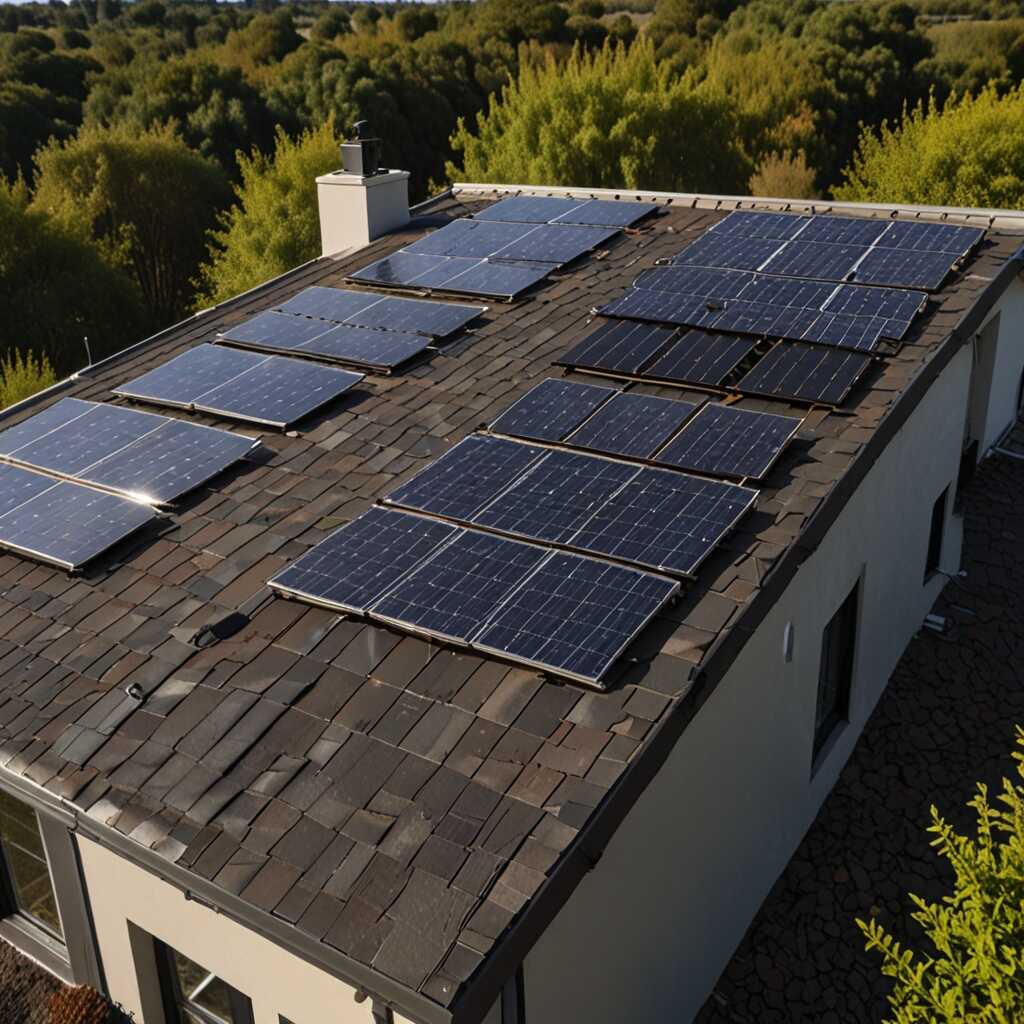
User Testimonials About Smart Thermostat Experiences
Users reported various benefits from integrating smart thermostats with solar monitoring systems. Many find that these devices help reduce energy costs by optimizing heating and cooling schedules. Smart thermostats learn user preferences, resulting in enhanced comfort and efficiency. Users also mention that this technology provides real-time data on energy consumption, allowing them to adjust usage patterns to match solar energy production. In some cases, homeowners have seen energy savings of up to 30% by effectively synchronizing their systems. This experience not only improves reliability but also contributes to a more sustainable lifestyle.
Real-Life Results from Users
Real-life results show significant energy efficiency improvements when homeowners utilize smart thermostats alongside solar monitoring. Many users shared experiences demonstrating that their energy bills decreased dramatically after the installation. One user noted a 25% average reduction in monthly costs, thanks to the smart thermostat’s ability to adjust settings based on solar production data. By using solar monitoring, homeowners can verify energy generation during peak sunlight hours, allowing them to use energy-intensive appliances when solar power is most abundant. These integrations not only enhance savings but also deliver valuable insights into energy usage patterns, ensuring users can make informed decisions moving forward.
Guidelines for Selecting the Right Smart Thermostat
When choosing a smart thermostat for solar integration, consider features like compatibility with solar monitoring systems, ease of use, and energy efficiency ratings. Look for models that provide real-time data to optimize your energy consumption. Brands like Ecobee and Nest offer smart thermostats that include solar integration capabilities, enabling effective performance enhancements. The average cost ranges from $100 to $250 for reliable models tailored for energy efficiency. Research and review different options to find the best smart thermostat that suits your home’s needs.
Essential Features to Look For
When assessing essential features for smart thermostats, prioritize energy efficiency ratings and compatibility with solar panels. Some units can adjust heating and cooling based on solar energy generation. Look for models equipped with learning algorithms that adjust settings based on homeowner behavior. Consider thermostats that integrate with mobile apps for remote management. Many models also include energy usage reports, helping homeowners make informed decisions. The best devices provide reliability, ease of installation, and user-friendly interfaces to enhance your overall experience.
Market Players and Their Target User Demographics
- Ecobee is popular among tech-savvy homeowners looking for energy efficiency.
- Nest appeals to environmentally conscious consumers who value convenience.
- Honeywell attracts traditional users who appreciate dependable performance.
- Users often include families focusing on budget and energy savings.
- Eco-friendly consumers choose brands that prioritize sustainability.
- Individuals looking to upgrade their home systems find smart thermostats ideal.
- Tech enthusiasts favor products with advanced features and integrations.
Innovations in Smart Home Technology and Future Directions
Leading trends in smart home technology focus on energy efficiency solutions that integrate solar monitoring. Smart thermostats now interact effectively with solar systems. This interaction helps homeowners optimize their energy consumption patterns. As more individuals embrace eco-friendly solutions, the percentage of homeowners adopting smart technology is expected to reach over 70% by 2025. Emerging technologies like artificial intelligence contribute to these advancements, ensuring systems operate reliably and efficiently. These innovations provide practical ways to manage home energy use while reducing costs.
Understanding the Integration of Smart Thermostats and Solar Systems
Smart thermostats enhance energy efficiency through their integration with solar monitoring systems. These devices automatically adjust heating and cooling based on solar energy availability. Homeowners can monitor real-time energy production and consumption through user-friendly apps. This synergy maximizes solar energy usage during peak production hours, reducing reliance on grid electricity. In addition, smart thermostats equipped with energy management features offer data-driven insights. They recommend optimal settings, providing a tailored experience for each household. With these advancements, users benefit from significant cost savings while promoting environmental sustainability.