
Seat height for a living room set is the vertical distance from the floor to the top of the seat cushion. The specific measurement you need depends on your personal height and the height of the furniture you already own, such as a dining table or a desk.
If you prefer a wrap-around layout, see our roundup of U shaped sofa sets.
Which Living Room Set Seat Height Suits You?
| If this is you | The Seat Height that suits you | Why |
|---|---|---|
| You are shorter than 5 feet 4 inches | 15 in to 16 in | Lower heights prevent your feet from dangling and keep your knees at a comfortable 90-degree angle. |
| You are of average height (5 feet 5 inches to 5 feet 9 inches) | 17 in to 18 in | This range aligns with standard furniture proportions and provides a neutral posture for most adults. |
| You are taller than 5 feet 10 inches | 18 in to 19 in | Higher seat heights provide the necessary clearance for longer legs and prevent the seat from feeling like a low stool. |
| You primarily use the set for reclining or lounging | 16 in to 17 in | A slightly lower seat allows for a more relaxed, reclined posture without the seat edge digging into the back of the knees. |
Living Room Sets we have reviewed in detail
3 options shown here, $335.99 to $1899.98, each with its own full review behind its name.
For a more durable material, view our comparison of best faux leather reclining couch sets.
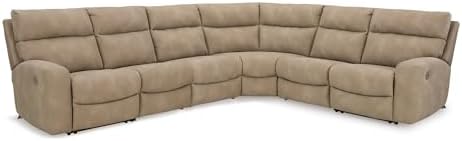


How to Measure Your Ideal Living Room Set Seat Height
Establishing your required seat height starts with measuring your own body and your existing environment. To find your baseline, sit in a chair that feels comfortable and measure the distance from the floor to the top of the cushion. This measurement represents your preferred seating height for daily use.
You can also browse our top picks for 3 piece living room furniture sets.
Small spaces benefit from our guide to the best sectional couches for small apartments.
Matching living room set seat height to desk and dining table heights
If you are choosing a living room suite to complement a specific workspace or dining area, measure the height of those surfaces. A standard desk or dining table usually sits at 28 in to 30 in. To ensure you can transition between these surfaces comfortably, your living room set seat height should allow your feet to remain flat on the floor while your hips remain at a natural height relative to your torso.
For versatile lounging, see our comparison of the best cloud couches with movable ottomans.
Identifying the correct seat height metric in product listings
Check the product listings for the specific seat height value, which is usually listed in inches. Note that the manufacturer may provide a “total height” or “back height” instead of the seat height. You must look for the specific “seat height” or “floor to seat” metric to ensure you are not looking at the height of the top of the sofa back. If a listing does not state a seat height, you should contact the seller to confirm the measurement before purchasing.
If you need a guest bed, look at our list of best budget sleeper sofa beds with storage.
Ensure your room fits the piece by checking how to choose the total width for living room sets.
Standard living room set listings often show a range between 15 in and 19 in, with a median of 18 in. Because shipping and returns for large furniture can be costly or difficult, confirming this specific number before ordering prevents the risk of receiving a set that is physically impossible for you to sit in comfortably.
To verify the reach of the piece, see how to choose the depth for living room sets.
What Happens if the Living Room Set Seat Height is Wrong?
Choosing a seat height that is too low results in a feeling of being “cradled” or tucked into the furniture, which can cause the front edge of the cushion to press into the back of your knees. This pressure can restrict circulation and make long periods of sitting uncomfortable. If the seat is significantly lower than your body’s natural resting position, you may find yourself leaning forward to reach a coffee table or television, leading to strain in the lower back and neck.
Compare different tiers by seeing what each price level gets you for living room sets.
A seat height that is too high causes your feet to dangle or rest on your tiptoes, which puts undue pressure on the underside of your thighs. This happens when the seat height exceeds the distance from your hip to the floor while your feet are flat. When your feet do not have a stable base, your weight shifts forward, causing the seat to dig into your hips and lower back. This often results in a “perched” feeling where you cannot fully relax into the back of the sofa or chair.
Learn about various configurations in our breakdown of the types of living room sets.
New buyers can start with our explanation of what a living room set is.
Avoiding the cost and logistics of returning a large living room suite
The cost of a measurement error is often the logistical hurdle of a return. Because a living room suite is a heavy, oversized item, returning a set that is the wrong height can involve significant shipping fees or the need to arrange a specialized freight pickup. Taking the time to establish a precise measurement before the purchase avoids the physical and financial burden of moving a large piece of furniture that does not fit your body.
Learn the technical lingo in our guide to living room set terms and specs.
What to Do When You Fall Between Two Seat Height Values?
Deciding on a seat height when you fall between two standard measurements depends on your primary activity. If you intend to use the living room set primarily for upright tasks like reading or watching television, choose the higher of your two potential values. A slightly higher seat provides better support for the spine when the torso is vertical.
Protect your investment by viewing our guide on living room set warranties.
You can also find our full review of the Furmax U-Shaped Sofa.
Choosing seat height based on lounging needs and cushion durability
If your primary use for the living room suite is lounging or napping, choose the lower of the two values. A lower seat encourages a reclined posture where the weight is distributed more toward the back of the piece. When you are caught between two options, such as 17 in and 18 in, the 18 in option is generally safer for long-term durability as it reduces the amount of compression on the seat cushion’s foam or springs.
Explore the details in our full review of the DuraPella Sectional.
Matching new living room suite seat height to existing furniture
Consider the height of your existing furniture when choosing between these two points. If your current chairs are 17 in, moving to an 18 in seat may feel like a significant jump. If your current chairs are 18 in, a 17 in seat might feel too low. In these cases, stick to the height that matches your current most-used seating to ensure a consistent experience throughout your home.
View the specifications in our full review of the ChicFurnit L Shaped Sectional.
The other living room suite guides we have published
- Faux Leather Reclining Couch Sets Compared
- Choosing the Best Mid Century Modern Living Room Furniture Sets
- The Modular Sectional Sofas That Work Best for Extra Storage
- Which Budget Sleeper Sofa Beds With Storage Are Best?
- Best 3 Piece Living Room Furniture Sets
- Cloud Couches with Movable Ottomans Compared
Hevan is reader-supported: some links on this page are affiliate links, and as an Amazon Associate Hevan earns from qualifying purchases at no extra cost to you. Learn more.