Futon couch warranties typically span a range of 1 to 3 years for the frame and 6 months to 1 year for the upholstery and cushions. The most common reason a claim is refused in this category is the discovery of “misuse” caused by exceeding the weight capacity or improper folding of the conversion mechanism. You need a warranty that explicitly covers the internal folding hardware if you plan to convert the piece daily. Check the specific coverage period for the frame and the fabric on the manufacturer’s document before you purchase to ensure the figures match your expected usage.
What does a futon couch warranty normally cover?
A futon couch warranty normally covers structural integrity and manufacturing defects in the primary materials. This means the internal skeleton, the folding hardware, and the primary foam or coil support systems are the primary focus of most coverage plans. If a weld on the metal frame cracks or a hinge becomes loose due to a manufacturing flaw, a standard warranty should facilitate a repair or replacement of that specific component.
Small spaces require clever furniture, so find the best budget daybed couch for studio living.
Coverage for click-clack mechanisms ensures the couch converts to a bed
Coverage often extends to the “Click-Clack” mechanism or similar folding systems. These systems are the mechanical heart of a convertible couch, and because they undergo high stress during use, they are a primary point of failure. A warranty that includes these moving parts ensures that if the hardware binds or fails to lock into a flat position, the manufacturer provides a remedy. If a claim is denied because of a mechanism failure, the owner loses the ability to use the couch as a bed, effectively reducing the piece to a standard sofa.
If you need to maximize floor space, view the best sofa bed for small apartments.
- Structural frame integrity and welding
- Mechanical folding hardware and hinges
- Manufacturing defects in high-density foam or pocket coils
- Material flaws such as wood splitting or metal warping
- Specific component replacements for failed internal parts
Why futon couch warranties exclude surface wear and aesthetic damage
Warranty exclusions for a futon couch normally focus on the high-friction areas and the surface aesthetics. Because these pieces are frequently moved and converted, the fabric and foam are subject to constant wear that is not considered a manufacturing defect. Most manufacturers will not cover stains, odors, or surface pilling, as these are results of environmental exposure and user interaction rather than a failure of the production process.
When hosting overnight visitors, look at the best sleeper sofa for guest rooms.
- Upholstery stains, burns, or liquid damage
- Normal wear and tear on fabric surfaces
- Cushion compression or “bottoming out” over time
- Damage caused by pets, including claws or chewing
- Use of the couch as a primary bed for more than 8 hours a day
- Modifications or repairs attempted by a third party
Examples from this category, each with its own review here
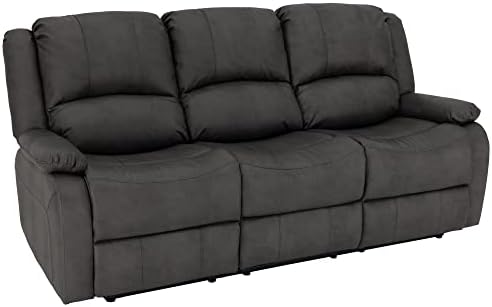
3 options shown here, $192.99 to $1589.95, each with its own full review behind its name.


How does the purchase location affect the warranty?
How the purchase location affects the warranty depends on who holds the legal contract for the sale. If you buy a futon couch directly from the maker, the warranty is a direct agreement between you and the manufacturer. This is the most straightforward path for a claim, as the maker handles the logistics of the repair or replacement directly without an intermediary.
Newcomers can learn the basics by seeing how a futon couch works.
How buying from an authorised retailer facilitates the warranty claim process
Buying from an authorised retailer means the retailer acts as the bridge for the warranty claim. In this scenario, you often contact the retailer first, who then coordinates with the manufacturer to verify the defect and authorize a fix. If the retailer is no longer in business, the manufacturer may still honor the warranty, but the process can become more complex as there is no local point of contact to facilitate the return.
Different styles exist, so see the various types of futon couches.
Challenges of processing a warranty claim through a marketplace seller
A marketplace seller, such as those found on large third-party platforms, introduces a layer of separation that can complicate a claim. The seller may be a third-party entity that does not have a direct relationship with the manufacturer, meaning the manufacturer might require you to prove the item was purchased from a verified source. If the marketplace seller is a small business, they may not have the infrastructure to process a return, forcing you to deal with the manufacturer’s regional service center directly.
If a traditional futon isn’t right, find futon couch alternatives and results.
Limited warranty periods for refurbished or open-box futon couches
Refurbished or open-box sellers typically offer a significantly shorter or more limited warranty than new products. These items have already been handled and may have been returned by a previous owner, which increases the risk of hidden structural stress. You should expect a much shorter window for claims, often 30 to 90 days, and the coverage may be limited strictly to major structural failures rather than any cosmetic issues.
Why grey-market sellers pose a high risk for warranty coverage
An importer or grey-market seller provides the highest risk for warranty coverage. These sellers may bring products into a region without the authorization of the manufacturer, meaning the manufacturer may refuse to honor any warranty because the product was not sold through official channels. This is like trying to get a car repaired under a manufacturer’s warranty when the car was bought from an unauthorized international dealer; the paperwork simply does not match the region’s records.
Proper dimensions matter, so learn how to choose futon couch height.
What actions void the futon couch warranty?
Actions that void the futon couch warranty often involve exceeding the physical limits of the furniture’s design. If the weight capacity of the frame is exceeded, the resulting torque or stress on the frame can cause permanent warping or cracking. Because this damage is a result of over-loading rather than a manufacturing flaw, the manufacturer will typically refuse to cover the repair.
Ensure it fits your wall by seeing how to choose futon couch length.
How forcing the conversion mechanism can void the couch warranty
Improper use of the conversion mechanism is another primary way to void coverage. For example, forcing a “Click-Clack” mechanism into place without aligning the frame correctly can bend the internal hinges or strip the locking teeth. If the hardware jams because it was forced beyond its intended range of motion, the warranty is usually voided as a result of user error.
For comfort while sitting, find how to choose futon couch seat height.
Why unauthorized repairs and modifications void the manufacturer warranty
Unauthorized modifications or repairs also void the warranty immediately. If you attempt to replace a leg, swap out a cushion, or repair a broken hinge using non-standard parts, the manufacturer can no longer guarantee the integrity of the entire unit. They may refuse to service any part of the couch because the structural balance of the piece has been altered by an outside party.
Make sure it fits your room by seeing how to choose futon couch width.
Environmental factors like humidity and sunlight that deny warranty claims
Environmental factors that lead to rapid deterioration can also result in a denied claim. If a futon couch is kept in a high-humidity area or exposed to direct sunlight that causes the frame to warp or the foam to crumble, these are considered environmental failures. Most warranties only cover defects that occur under normal indoor storage conditions, not extreme environmental exposure.
What should you do before buying to ensure a valid claim?
Before you buy a futon couch, you should establish a clear paper trail and understand the specific limits of the coverage. Documentation is the most important tool for a successful claim, as it proves the date of purchase and the original condition of the item.
For specialized RV seating, view our spec breakdown of the Charles Triple Recliner.
- Save the original digital or physical receipt showing the date and place of purchase
- Take clear photos of the couch in its fully converted position before the first use
- Note the specific weight capacity of the frame and keep it for your records
- Verify if the warranty covers the specific folding mechanism used in the model
- Keep the original packaging for at least 14 days in case a return is required
Steps to document a futon couch for a successful warranty claim
A buyer first identifies the specific warranty terms on the product page and saves a copy of the PDF. They then purchase the couch and take a photo of the unit once it is assembled and converted. If a hinge begins to bind after three months, they contact the seller with the receipt and the initial photo to prove the issue appeared during normal use. Finally, they receive a replacement part or a credit for the repair based on the documented evidence.
Consider these features in our spec breakdown of the Charles Double Recliner.
When is an extended warranty worth it for a futon couch?
An extended warranty is worth it for a futon couch if you plan to use the piece as a primary guest bed for high-frequency use. If the couch will be converted every night for several months, the mechanical stress on the hinges and the compression of the foam increase significantly. In this case, an extra year of coverage on the internal hardware provides a safety net against the mechanical fatigue that occurs with heavy use.
For a versatile ottoman design, see the Diophros PP-ZF001YE Ottoman Bed spec breakdown.
Why extended warranties may be unnecessary for occasional couch use
An extended warranty is not worth it if you only intend to use the couch as a sofa with occasional conversion. If the piece stays in a fixed position most of the time, the risk of a mechanical failure is low, and the cost of an extended plan often exceeds the value of the protection it provides. For occasional use, it is more cost-effective to rely on the standard manufacturer’s warranty and focus on choosing a model with high-quality, heavy-duty hardware from the start.
The other futon guides we have published
Hevan is reader-supported: some links on this page are affiliate links, and as an Amazon Associate Hevan earns from qualifying purchases at no extra cost to you. Learn more.