
Chaise couch warranties typically span a range of 1 to 5 years, with the single most common reason for a claim refusal being “misuse” or “improper maintenance.” You should look for a warranty that covers at least 1 year for the frame and 1 year for the fabric to ensure basic structural integrity. Before you purchase, measure your available floor space to ensure the chaise depth does not block walkways, as a claim for a “non-functional” layout is not covered. If your space is less than 80 inches wide, you may need to reconsider the chaise configuration entirely.
What does a chaise couch warranty normally cover?
Chaise couch warranty coverage usually distinguishes between the structural frame, the internal suspension, and the exterior upholstery. Most manufacturers provide a tiered protection system where the heavy timber or metal internal components receive longer protection than the high-contact surfaces.
If you need a multi-functional piece, see our comparison of the best convertible sectional sofa.
Standard coverage for a chaise couch typically includes:
You can find our top picks for the best chaise couch for lounging right here.
- Frame structural failure, such as cracked wood or snapped metal welds.
- Spring and suspension failure, including popped coils or broken webbing.
- Manufacturing defects in the foam density or seat cushion construction.
- Specific material defects, such as fabric seam failures or stitching unravels.
Standard exclusions in a chaise couch warranty often include:
- Normal wear and tear, including fabric pilling, thinning, or surface soiling.
- Damage caused by excessive weight, such as exceeding the stated total weight capacity.
- Liquid spills or biological stains that degrade the fabric fibers.
- Sun bleaching or fading caused by direct exposure to UV light.
- Damage from pets, including scratches or tears from claws and teeth.
How chaise couch warranties cover structural defects but exclude normal wear
A warranty acts like a car’s bumper-to-bumper guarantee; it covers the mechanics of the build but not the “tires” that wear down through daily use. If a buyer fails to identify these exclusions before purchase, they may find themselves paying for a full reupholstery job out of pocket when the fabric begins to show age. A buyer typically identifies a defect, contacts the manufacturer, provides photos of the failure, and receives a repair or replacement of the specific component.
For those needing extra flexibility, browse the best L shaped couch with reversible chaise.
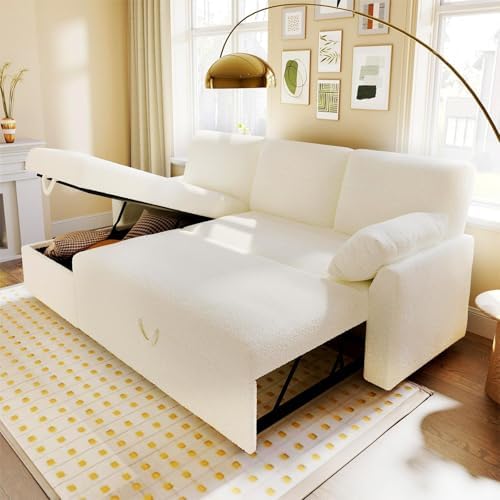
Examples from this category, each with its own review here
3 options shown here, $279.99 to $807.11, each with its own full review behind its name.
Make your living room more adaptable by finding the best reversible chaise sofa.


How does the purchase location affect the warranty?
The purchase location determines the chain of command for a claim and who holds the legal responsibility for the product. Each source has a different path for resolution, and the speed of a replacement often depends on the proximity of the seller to the manufacturer.
New buyers can learn more in our guide on what a chaise couch is.
What happens when buying a chaise couch directly from the maker?
Direct from maker purchases provide the most straightforward claim path because the manufacturer handles the warranty directly. You bypass third-party logistics, which often reduces the time between a reported defect and a replacement shipment. The manufacturer holds the inventory and the authority to authorize repairs without seeking permission from a retail partner.
What does an authorised retailer mean for a chaise couch claim?
An authorised retailer is a business that has a formal agreement with the manufacturer to sell and service their products. In this scenario, the retailer often acts as the first point of contact for a claim, but they may still refer you back to the manufacturer for the actual replacement. You must verify that the retailer is “authorised” rather than just “selling” the brand to ensure they can facilitate a return.
To understand the technical details, see our breakdown of chaise couch terms and specs.
How does a marketplace seller affect the warranty?
A marketplace seller is a third-party merchant operating on a platform like Amazon or Wayfair, who may not have a direct relationship with the couch manufacturer. In these cases, the warranty is often limited to the marketplace’s own return window, which is frequently much shorter than the manufacturer’s warranty. If the marketplace seller is out of business, the manufacturer may refuse to honor the warranty because the sale was not made through an official channel.
Different styles exist, so explore the different types of chaise couches.
What does a refurbished or open-box seller mean for a claim?
A refurbished or open-box seller usually sells products that have been returned or inspected and repaired by a third party. These items typically carry a significantly reduced or non-existent manufacturer warranty, as the original warranty may have been voided upon the first return. You should expect a shorter, seller-specific warranty that covers only the most major mechanical failures.
What is an importer or grey-market seller?
An importer or grey-market seller sells products that were intended for a different region or country. Because these products were not sold through the manufacturer’s official distribution network in your country, the manufacturer will almost certainly refuse to honor any warranty claims. You are essentially buying the product without any manufacturer backing, relying entirely on the seller’s own limited guarantee.
If a chaise doesn’t fit your layout, explore the alternatives to a chaise couch.
What actions void a chaise couch warranty?
Actions that void a chaise couch warranty usually involve physical modifications or environmental factors that exceed the intended use of the furniture. Manufacturers look for evidence that the structural integrity was compromised by the owner’s actions rather than a flaw in the build.
Proper sizing is vital, so check how to choose your chaise couch total width.
How structural modifications and uneven surfaces void chaise couch warranties
Modifying the frame by removing the chaise section or attaching it to a different base usually voids the warranty immediately. Because the weight distribution of a chaise couch is engineered for a specific footprint, any structural change can lead to frame torque or joint stress. If a user installs the couch on a surface that is not level, the resulting stress on the joints can lead to a refusal of a claim if the frame cracks.
For a deeper look at the specs, see our full review of the Lexington Sofa Chaise.
Why commercial use and non-certified repairs void chaise couch warranties
Using the couch in a high-traffic commercial space when the warranty is for residential use is another common reason for claim denial. If the material is not contract grade, the manufacturer will argue that the frequency of use exceeded the design limits. Additionally, any repair made by a non-certified technician—such as a local upholsterer replacing a broken spring—will typically void the remainder of the manufacturer’s warranty on the frame and suspension.
What should you do before buying to ensure a claim works?
What you should do before buying to ensure a claim works involves gathering documentation and verifying the specific limits of the manufacturer’s coverage. Taking these steps ensures that you have the evidence required to prove a manufacturing defect rather than a maintenance issue.
You can find the technical details in our full review of the HONBAY Convertible Sectional.
- Request a written copy of the full warranty terms before completing the purchase.
- Photograph the couch in its final position immediately after assembly to document the initial condition.
- Keep the original shipping documents and the bill of sale, as these are required to prove the date of purchase.
- Confirm the specific weight capacity of the chaise and ensure your needs fall within that limit.
- Identify the manufacturer’s official claims process, including the required method of contact (e.g., a specific web portal or phone number).
- Document the installation process with photos to prove the couch was assembled according to the provided instructions.
When is an extended warranty worth it for a chaise couch?
An extended warranty for a chaise couch is worth it only if it covers the specific components you are most concerned about, such as the internal frame or the fabric. If the extended warranty only covers “accidental damage” but does not cover the structural integrity of the chaise mechanism, it provides little value for a high-quality build.
We provide a detailed analysis in our full review of the VanAcc Sofa Bed.
When the cost of an extended chaise couch warranty is worthwhile
The extension is worth it if you are purchasing a model with complex moving parts or a specific high-density foam that is prone to sagging over time. If you are buying a basic, fixed-frame couch with standard materials, the cost of an extended warranty often exceeds the cost of the couch itself. You should only consider the extension if the cost of a full reupholstery or frame replacement exceeds the price of the warranty and you lack the budget for a sudden repair.
The other chaise guides we have published
- L Shaped Couches with Reversible Chaises Compared
- Which Chaise Couch Is Best for a Small Space Apartment?
- Best Reversible Chaise Sofas for Your Living Room
- Versatile Convertible Sectional Sofas Compared
- Choosing the Best Chaise Couch with Storage for Your Home
- The Sleeper Sofas That Work Best with a Chaise
Hevan is reader-supported: some links on this page are affiliate links, and as an Amazon Associate Hevan earns from qualifying purchases at no extra cost to you. Learn more.