
Dresser width for bedroom sets is the horizontal measurement across the front of the furniture unit, typically ranging from 53.1 in to 75 in. You determine your required width by measuring the available wall space and subtracting the necessary clearance for doors, drawers, and walking paths.
Which Dresser Width Suits Your Room?
| If this is you | The Dresser Width that suits you | Why |
|---|---|---|
| You are furnishing a small guest room or a narrow alcove. | 36 in to 48 in | Narrower units prevent the furniture from overwhelming the floor space or blocking the walkway. |
| You have a standard bedroom with a centered bed. | 53 in to 60 in | This median range provides substantial storage without encroaching on the bedside clearance. |
| You have a large primary suite with a long, empty wall. | 60 in to 75 in | Wider units maximize storage capacity and create a balanced visual weight against large furniture. |
| You need to fit a dresser into a corner space. | 40 in to 55 in | A medium width allows for a compact footprint while still providing multiple vertical columns of drawers. |
Products in this category with a full review here
Prices across these 3 run from $389.99 to $1359.99; each one has a full review here.
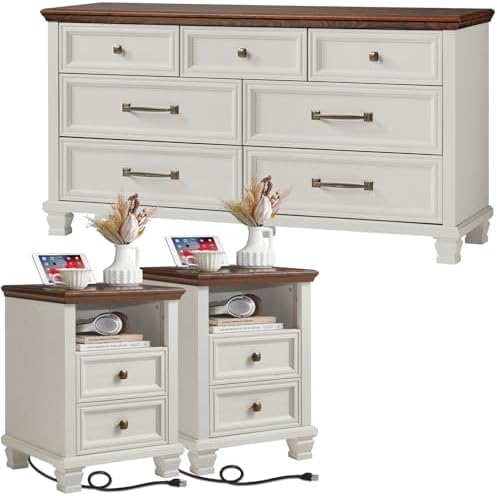


How do I measure my space for a bedroom set?
To establish your specific Dresser Width, you must measure the horizontal distance of the wall or floor area where the unit will sit. Use a metal tape measure to record the distance from one corner to the other, ensuring the tape remains flat against the wall. If the dresser is going into a nook, measure the narrowest point of that opening.
Subtracting 2 inches of clearance from each side of the dresser
Identify the location where the dresser will stand and subtract at least 2 in of clearance from each side of your available space. This buffer ensures you can open the drawers fully without hitting adjacent walls or furniture. For example, if your available wall space is 60 in, a 56 in dresser provides the necessary clearance to function properly.
New shoppers should start by reading our page on what a bedroom set is and how it works.
Verifying dresser width and depth specifications in product listings
Check the product listing for the “Dresser Width” or “Width” specification, which describes the front-facing span of the piece. Most manufacturers state this as a single figure in inches. If a listing provides a range, use the maximum figure to ensure the unit will fit in your designated area. Verify that the depth of the unit also fits your room, as a wide dresser can still be too deep for a narrow walkway.
What happens if the dresser width is the wrong size?
Choosing a Dresser Width that is too wide for your space results in a physical obstruction that prevents the piece from being placed in its intended location. If the unit exceeds the wall length by even an inch, it may not sit flush against the wall, creating a gap that looks unaligned and makes the room feel cramped. In some cases, a wide dresser might block a doorway or a path to a closet, making the bedroom difficult to navigate.
How a narrow dresser width reduces storage and visual balance
Selecting a Dresser Width that is too narrow for your needs leads to a shortage of storage and a lack of visual balance. A very small dresser on a large wall can look isolated and may not provide enough drawer columns to hold your clothing. This often forces a buyer to purchase additional storage pieces, which can clutter the room and break the cohesive look of the bedroom suite.
Accounting for drawer handle swing space when measuring wall width
A common error occurs when a buyer measures the wall but forgets to account for the swing of the drawer handles. If the dresser is placed too close to a side wall, the handles may hit the wall, preventing the drawer from opening completely. Always ensure there is enough “swing space” for the hardware to move freely. Think of the dresser width like a parking space; you need enough room to not only fit the car inside but also to open the doors wide enough to get out.
Understanding your investment is easier when you see what bedroom sets cost and price levels.
What do I do if my space falls between two dresser widths?
When your measured space falls between two standard Dresser Width options, such as a 55 in and a 60 in model, you should prioritize the smaller dimension. Choosing the smaller width provides a safety margin for installation and ensures the unit will definitely fit. It is easier to have a slightly smaller dresser that fits perfectly than a larger one that must be squeezed into a tight space.
Choosing between dresser widths based on drawer count and clearance
If the difference between the two sizes is minor—such as a 1 in or 2 in difference—evaluate the drawer count. If the larger width offers significantly more drawers that you need, you might choose it only if you can confirm the clearance is sufficient. However, if the storage needs are similar, the smaller width is the safer choice for a seamless fit.
Evaluating dresser depth and return policies for tight wall spaces
In cases where the wall is only slightly wider than the larger dresser, consider the depth of the unit. A wider dresser often has a deeper footprint. If you have the width but lack the floor depth, the smaller dresser is the correct choice to maintain a clear walkway. If you are unsure about the exact clearance, check the manufacturer’s return policy for oversized items, as shipping and returning large bedroom furniture can be costly if the dimensions are incorrect.
Where to go next in our bedroom suite coverage
- Which King Bedroom Suite Is Best for Your Master Bedroom?
- Best Budget Bedroom Furniture Sets for Small Spaces
- White Bedroom Furniture Sets Compared
- Choosing the Best Bedroom Furniture Set with Dresser and Nightstands
- The Bedroom Furniture Sets That Work Best for Apartment Living
- Which Bedroom Furniture Set Is Best for Under $500?
Hevan is reader-supported: some links on this page are affiliate links, and as an Amazon Associate Hevan earns from qualifying purchases at no extra cost to you. Learn more.