Typical manufacturer warranties for a TV stand range from 1 to 3 years, though many budget options offer only 90 days to 1 year. The most common reason a claim in this category gets refused is structural failure caused by overloading, as most warranties exclude damage resulting from exceeding the stated weight capacity of the frame.
What does a TV stand warranty usually cover?
A TV stand warranty usually covers manufacturing defects in materials and assembly during the initial period of ownership. This means the warranty protects against the product arriving with pre-existing flaws or failing due to poor construction rather than heavy use.
Coverage typically includes:
- Structural integrity of the primary frame and support beams.
- Defects in the finish, such as peeling laminate or chipped paint from the factory.
- Faulty hardware, including pre-installed bolts, screws, or brackets.
- Material failures, such as wood splitting or metal bending, that occur under normal intended use.
Warranty exclusions for a TV stand usually focus on “wear and tear” or user-induced damage. Because these are heavy-duty furniture items, the limitations are often quite specific to the weight and environment of the piece.
Exclusions typically include:
- Structural sag or collapse caused by exceeding the rated weight capacity.
- Damage from moisture, humidity, or direct contact with liquids.
- Scratches, dents, or stains caused by moving the unit or daily use.
- Failure of components used in ways not intended by the design, such as using the stand as a workbench.
- Damage caused by improper assembly or the use of non-standard tools during setup.
Reviewed examples from this category
3 reviewed options, $139.99 to $299, with the full write-up behind each name.
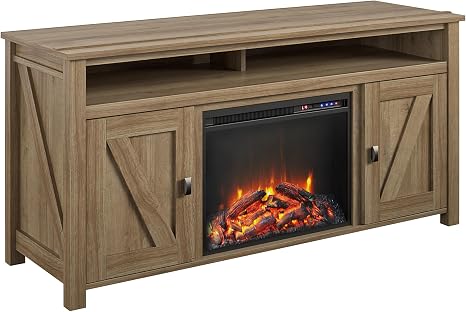
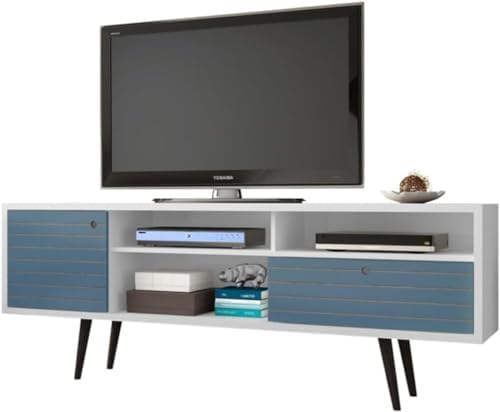

Manhattan Comfort Liberty Collection Mid Century TV Stand
$139.99 price checked August 2026
Make sure to verify the maximum tv size for tv stands before purchasing.
How does where you buy a TV stand affect the warranty?
How coverage differs by where you buy a TV stand depends on who holds the legal responsibility for the product’s fulfillment and the terms of the specific sales agreement.
When you buy directly from the maker, you generally receive the most straightforward path to a claim, as the manufacturer handles the replacement or repair without a middleman. The warranty is tied directly to the brand’s own service infrastructure.
Purchasing through an authorised retailer usually maintains the manufacturer’s standard warranty, with the retailer acting as the primary point of contact for initial claims. These retailers are vetted by the brand to ensure they follow specific service protocols.
A marketplace seller, such as a third-party merchant on a large e-commerce platform, can complicate a claim. In these cases, the warranty may be limited to the marketplace’s own return window, or you may have to navigate a complex chain of communication between the platform, the seller, and the manufacturer to get a resolution.
A refurbished or open-box seller typically offers a much shorter, separate warranty. These products are sold with a disclaimer that they are not “new,” and the coverage often only lasts 30 to 90 days, focusing strictly on functional defects rather than aesthetic wear.
An importer or grey-market seller often provides no manufacturer warranty at all. Because these items are sold outside the official distribution network for your region, the manufacturer may refuse to honor a warranty claim, leaving you with only the limited return policy of the specific shop where you bought it.
What actions void a TV stand warranty?
Actions that void coverage in this category usually involve any modification to the structural integrity of the stand or environmental factors that accelerate material degradation.
Modifying the frame, such as drilling new holes for cable management or mounting brackets, can void the warranty if those modifications lead to a structural failure. Manufacturers design these units for specific load paths, and altering the metal or wood can compromise the engineering.
Using the stand in a high-moisture environment, such as a bathroom or a poorly ventilated basement, often voids coverage. Wood and particle board can swell or warp when exposed to excessive humidity, which is considered an environmental mismatch rather than a manufacturing defect.
Exceeding the weight limit is a primary voiding factor. If a stand is rated for 150 lbs and collapses under a 200 lb load, the manufacturer will cite the weight limit as the reason for denial. Always check the specific weight rating on the documentation before placing your equipment.
What should you do before buying to ensure a warranty claim works?
To ensure a future claim works, you must establish a clear paper trail and verify the specific limits of the product before it arrives at your home.
- Save a digital copy of the specific warranty PDF or printed document provided at the time of purchase.
- Take photos of the TV stand’s condition immediately upon unboxing to document any shipping damage or manufacturing flaws.
- Record the specific weight capacity of the model and keep that number handy for your records.
- Keep the original packaging for at least 30 days, as many retailers require it for the initial return or exchange of a defective unit.
- Verify the “Sold By” entity on your receipt to confirm whether you are dealing with a manufacturer, a retailer, or a third-party seller.
Is an extended warranty worth it for a TV stand?
An extended warranty is worth it for a TV stand only if you are purchasing a high-end, solid wood, or specialized metal unit from a third-party retailer that offers a comprehensive “accidental damage” clause. Because TV stands are primarily structural and do not have complex electronics, a standard extended warranty on a basic model is rarely worth the cost. If you are buying a standard media console, the 1 to 3-year manufacturer warranty is usually sufficient. However, if you are purchasing a specialized, heavy-duty rack or a luxury piece with integrated features, an extended warranty provides a safety net against shipping damage or structural settling that might occur in the first few years of ownership.
The other Tv Stand guides we have published
- Best TV Stands with Adjustable Shelves and Cabinets
- The TV Stands That Work Best with an Electric Fireplace
- Which TV Stand Is Best for a 65 Inch TV?
- Best Modern Farmhouse TV Stands with Barn Doors
- Mid Century Modern TV Stands with Storage Compared
- Choosing the Best TV Stand for Gaming with LED Lights