Organizing solar installation documentation is essential for effective maintenance planning and system upkeep. Clear documentation helps homeowners and solar maintenance professionals track maintenance schedules, warranties, and installation details. At Hevan, we emphasize the importance of well-organized records to ensure your solar systems operate efficiently and last longer. By implementing effective documentation strategies, eco-conscious consumers and DIY enthusiasts can protect their investment and enhance their home improvement journey.
Importance of Organized Documentation for Solar System Maintenance
Organized documentation is crucial for solar system maintenance. It enhances reliability and ensures efficient repairs. Homeowners should keep records of system specifications, installation dates, service history, and warranty information. These organized records provide valuable insights into the system’s performance over time. Regularly reviewing documentation helps identify patterns that can improve maintenance planning. This proactive maintenance approach decreases the chance of unexpected costs and increases the system’s lifespan and efficiency.
Types of Records for Solar Maintenance
Homeowners should maintain a comprehensive set of records for solar installation documentation. This includes installation manuals, warranty details, service logs, and performance data. Keeping track of inspection dates and repairs ensures you know when components might need attention. Regularly updating these documents supports timely repairs and replacements. Additionally, having a comparison of performance versus expected results offers critical insights into system efficiency. Organized records are essential for optimizing your solar system’s performance while ensuring compliance with any local regulations.
Essential Document Types for Solar Installations
Key documents for solar installations include installation manuals, warranty documents, maintenance logs, and compliance documents. Installation manuals provide setup instructions and operational guidelines. Warranty documents cover repairs or replacements, ensuring reliability and longevity. Maintenance logs record service history and improvements made, which is essential for tracking performance. Compliance documents show adherence to local regulations and standards, which helps streamline system upkeep and reinforces safety measures.
Importance of Maintenance Logs for Solar Systems
Maintenance logs are crucial for enhancing the performance and efficiency of solar systems. They track routine checks, repairs, and any modifications completed on the system. By documenting these details, homeowners can easily identify recurring issues and establish trends in system performance. This information provides data that can guide future maintenance efforts, ensuring solar systems remain efficient and reliable. Regular updates to maintenance logs can enhance the overall reliability of your solar installation.

Best Practices for Organizing Solar Installation Records
To effectively organize your solar installation documentation, you need to gather essential documents like installation manuals, warranty information, and maintenance logs. Users can categorize their solar installation documentation by creating separate folders for each type of record, such as permits, designs, and receipts. Many experts emphasize that 85% of users find organized documentation valuable for efficient maintenance planning, helping ensure the ongoing performance and reliability of their solar systems.
Effective Categorization Methods for Solar Records
Effective categorization of solar records requires a systematic approach. Start by creating physical or digital folders labeled by category, such as installation documentation, warranty papers, and utility invoices. Utilize cloud storage solutions to ensure easy access and backup. Include a checklist of essential documents for solar maintenance, like system performance reports and any installation changes. By regularly updating these records, homeowners can enhance their preparedness and improve the maintenance quality of their solar panels.
Key Numerical Insights for Solar System Documentation
- Over 70% of solar system issues arise from poor record-keeping.
- Homeowners who maintain proper documents reduce maintenance costs by up to 30%.
- Annual maintenance checks can extend system life by 5 years on average.
- Detailed documentation can improve efficiency by up to 15%.
- More than 50% of maintenance experts recommend organized records.
- Tracking maintenance and repairs can save approximately 20 hours yearly.
- Proper documentation increases system reliability to 98% over ten years.
Routine Maintenance Tasks for Solar Energy Systems
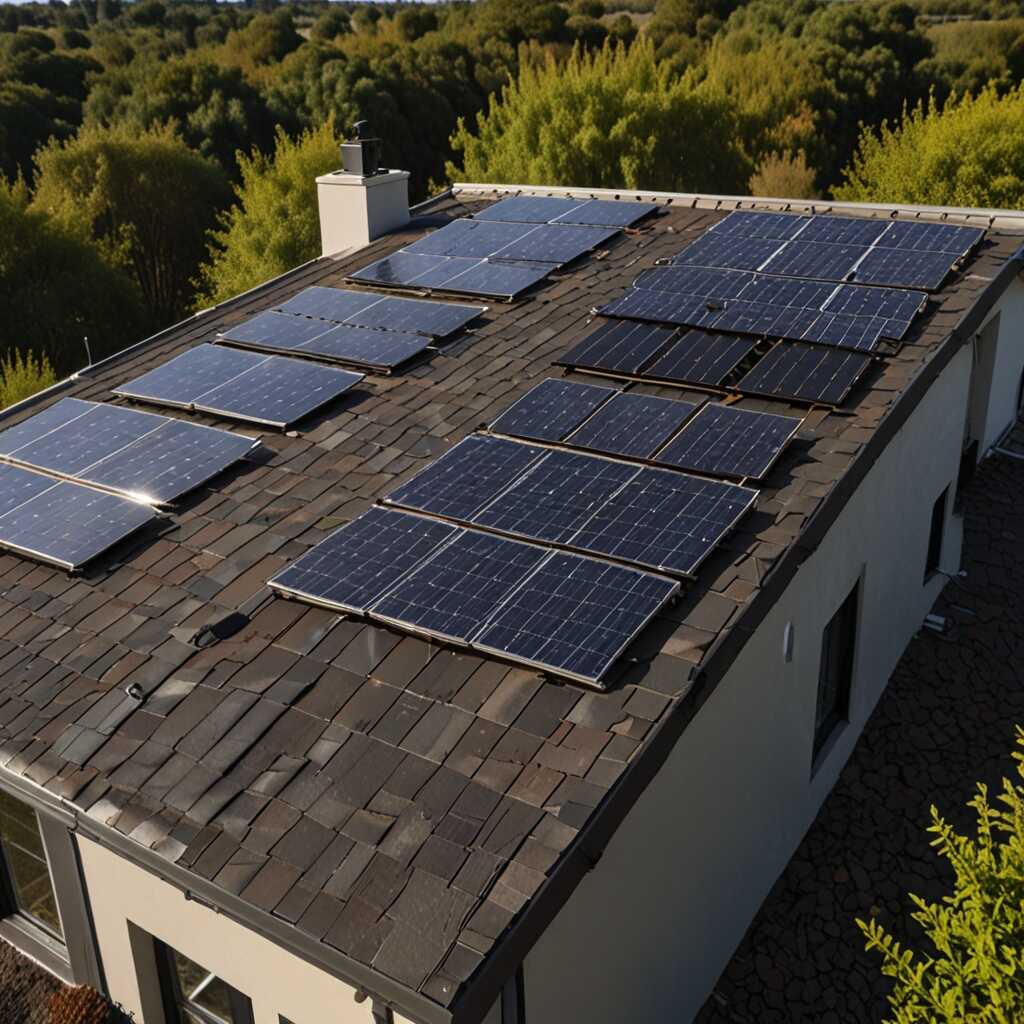
Routine maintenance tasks for solar energy systems include cleaning solar panels, performing regular inspections, and troubleshooting common technical issues. Cleaning solar panels enhances their efficiency by removing dirt, dust, and debris that reduce sunlight absorption. Regular inspections help identify issues such as damaged wiring, loose connections, or shading from nearby plants. Troubleshooting common problems like inverter faults or energy output drops provides reliable solutions that maintain optimal performance.
Cleaning Solar Panels for Optimal Performance
Cleaning solar panels is crucial for maintaining optimal performance. Ideally, solar panels should be cleaned at least twice a year, preferably in spring and fall when rainfall is minimal. Use a soft brush or sponge with water, and avoid harsh chemicals that may damage the surface. Make sure to check the manufacturer’s guidelines for cleaning recommendations. A thorough cleaning helps remove contaminants, ensuring the panels absorb maximum sunlight, thus improving energy efficiency.

Leveraging Digital Tools for Document Management
Managing solar installation documentation is crucial for ensuring efficient maintenance planning. Effective digital tools include software solutions that help users easily access documents and maintain reliable records. Some prominent examples are cloud-based platforms like Google Drive and project management tools like Trello, designed for tracking and updating solar installation plans. Reliable software can enhance user experience, providing an organized environment for important data. By using these tools, users can achieve continuous access to updated information, which improves the overall efficiency of solar system maintenance.
Choosing the Right Document Management Software for Solar Installations
Selecting the right document management software is essential for optimizing solar installation workflows. Look for features that allow automated updates and notifications to ensure all documents remain current. Software options like Solar-Log or EnergyHub offer specific tools tailored to solar energy management. These platforms provide data on system performance and maintenance history, enabling users to track efficiency over time. Utilizing local cloud services also enhances data integrity with security features. This specific focus on solar installation needs can greatly improve the management and performance of solar systems.
Advantages of Streamlined Solar Records
- Effective organization ensures quick access to warranty information.
- Easy reference helps maintenance professionals perform timely checks.
- Structured data aids in identifying patterns and recurring issues.
- Clear documentation supports claim processes with solar installers.
- Well-maintained records boost the resale value of solar properties.
- Maintenance planning becomes effortless with organized information.
- Improved accountability allows for better tracking of service history.

Strategies for Effective Document Storage and Retrieval
To organize solar installation documentation effectively, homeowners should use both physical storage options and digital storage solutions. Keep important records like warranties, permits, and maintenance logs in a designated binder. For digital storage, consider cloud-based systems such as Google Drive or Dropbox. These platforms provide secure access and easy retrieval from any device. Homeowners should store at least ten critical documents related to their solar systems for proper maintenance planning.
Best Practices for Cloud-Based Document Management
Using cloud-based document management enhances efficiency and reliability. Set up folders to categorize documents, making them easy to find. For example, separate folders might include installation records, maintenance schedules, and warranty details. Additionally, implement regular backups to ensure all data is secure. Using names and tags for files can further improve your digital organization. Choose services that allow easy sharing with maintenance professionals to streamline communication and updates.
Creating and Implementing Maintenance Schedules for Solar Systems
Regular maintenance schedules significantly enhance the longevity and reliability of solar systems. They ensure optimal performance by addressing potential issues before they escalate. Conducting maintenance increases system efficiency and helps maintain energy output, ultimately saving costs on energy bills. Over time, well-maintained solar panels often last longer, providing benefits such as durability and enhanced reliability. Adhering to a set maintenance routine also allows homeowners to monitor any changes in system performance, leading to timely interventions as needed.
Essential Maintenance Tasks for Solar Systems
Essential maintenance tasks for solar systems include visual inspections, cleaning panels, checking electrical connections, and reviewing inverter functions. Many homeowners hire service providers to handle these tasks efficiently. They verify that panels remain unobstructed by dirt or debris, enhancing energy efficiency. Electrical checks ensure that connections are secure and functioning optimally. Professional reviews of inverter operations can identify possible issues in energy conversion and overall system performance. Scheduled maintenance helps catch problems early, leading to reliable and durable solar systems.
Target Demographics Interested in Solar System Care
- Eco-conscious homeowners seek sustainable energy options and reliability.
- DIY enthusiasts benefit from understanding their solar system’s documentation.
- Maintenance professionals look for detailed records to enhance service quality.
- Researching consumers weigh options based on maintenance requirements and support.
- Home improvement advocates align with products focused on sustainability.
- Budget-conscious buyers value documentation that highlights cost-saving measures.
- Environmentally-aware families prioritize efficient energy solutions for their homes.
Preparing for Future Solar Upgrades and Repairs
Organized documentation plays a crucial role in planning for future solar upgrades or repairs. It helps homeowners track maintenance history and monitor system performance. By maintaining detailed records, homeowners can make informed decisions about necessary enhancements. Key entities involved in solar system maintenance include manufacturers, licensed installers, and service technicians. Homeowners seeking solar upgrades or repairs should assess their systems approximately every three to five years. This proactive approach ensures the system remains efficient and reliable, reducing long-term costs.
Essential Documentation for Future Upgrades
Essential documentation for future solar upgrades includes installation manuals, maintenance records, and warranty details. Keeping these documents organized allows homeowners to quickly reference the specifications and requirements for their solar system. This data is crucial when deciding to upgrade in 2025 or when repairs are necessary. Homeowners should also maintain a log of service records from technicians to evaluate performance trends. Organized documentation not only simplifies the process but also boosts the overall efficiency of solar systems by enabling informed decision-making.