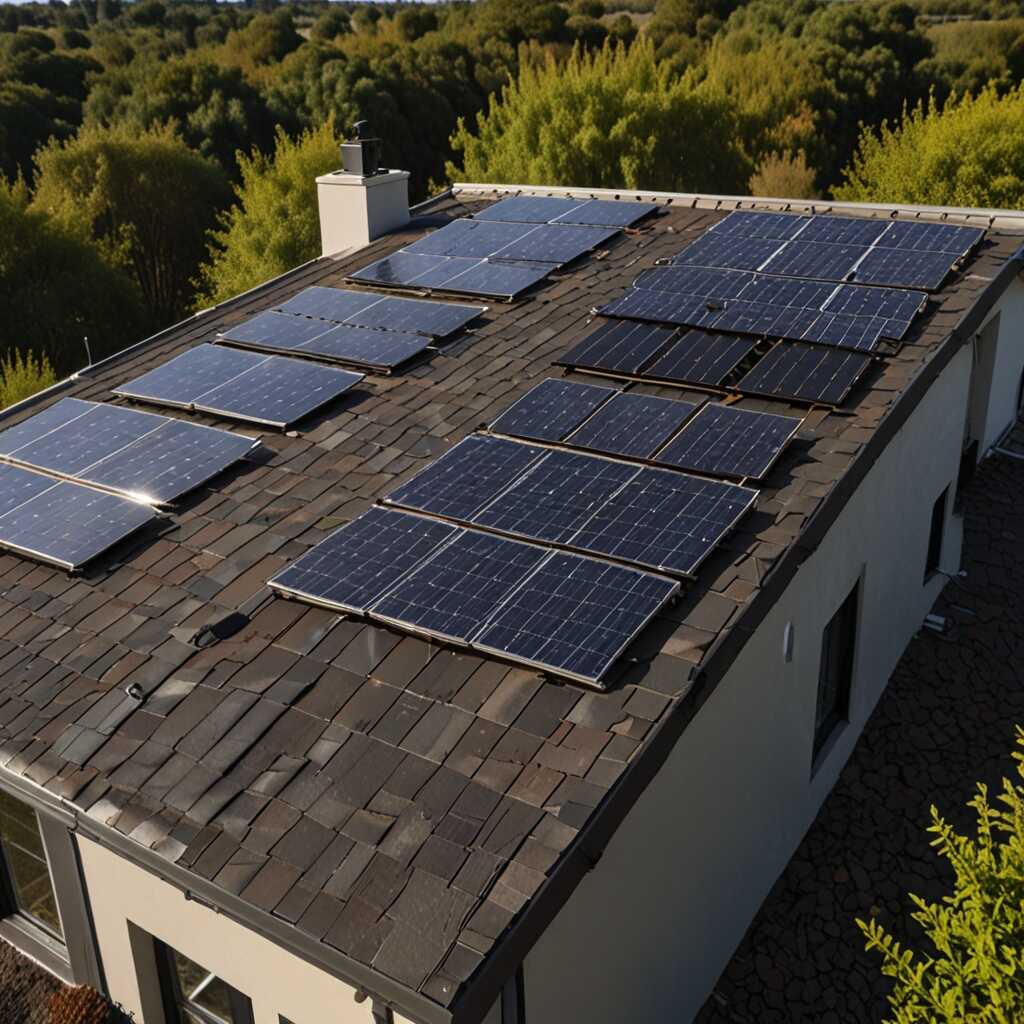
The timing of rooftop solar installation significantly affects seasonal energy optimization. Choosing the right season for installation can maximize the energy produced and enhance system performance throughout the year. Hevan, a trusted resource for home improvement insights, helps homeowners make informed decisions about solar energy, highlighting the importance of strategic planning. Understanding how seasonal changes impact your solar installation can lead to greater benefits and efficiency for your home.
Seasonal Patterns in Solar Energy Production Explained
Seasonal changes significantly affect solar energy production. During summer, solar panels receive more sunlight, typically resulting in higher energy output. In winter, shorter days and lower sun angles reduce solar panel efficiency. Factors like weather conditions, sunlight duration, and solar panel orientation also impact energy production. For instance, cloudy days limit solar energy capture, while clear conditions boost output. This understanding is essential for improving solar system performance and making informed decisions about energy use throughout the year.
Understanding Solar Panel Efficiency Across Seasons
Solar panel efficiency varies throughout the year due to several factors. In summer, solar panels can produce 20% more energy than in winter due to increased sunlight intensity and longer daylight hours. In winter, solar panels may only generate about 40-60% of summer energy, as environmental factors like snow accumulation and lower sun angles hinder performance. Homeowners can enhance their solar systems by considering seasonal variations, enabling them to optimize their setup for maximum energy efficiency and capture.
Key Factors for Optimal Timing of Solar Installations
Homeowners should analyze local climate factors, as sunshine availability significantly influences solar panel effectiveness. Regions with more sunny days maximize energy production. Financial incentives vary based on location. Many states offer rebates, tax credits, and grants, promoting renewable energy. Understanding consumer energy habits is essential for scheduling installations, ensuring optimal performance. Research shows that creating a system aligned with seasonal energy demands enhances the benefits of solar installations. Homeowners can expect up to a 30% improvement in energy efficiency by timing their installation right.
Understanding Local Climate Influences on Solar Energy Production
Understanding local climate influences how effective solar panels will be throughout the year. Regions with a high number of sunny days provide great performance for solar installations. Weather conditions such as snow, rain, or frequent cloud cover can reduce energy generation. Homeowners should check historical weather data and local solar resources to determine the best time for installation. This approach helps in planning for peak sunlight seasons, critical for achieving seasonal energy optimization. By enhancing energy efficiency during high-demand months, homeowners can significantly reduce electricity costs and maximize the return on their investment.

Advantages of Early Solar Panel Installation for Energy Savings
Installing solar panels early can lead to greater energy production. Homeowners can benefit from available sunlight during peak seasons. Early installations provide immediate savings on electricity bills. They help homeowners lock in current energy rates before future price increases. The advantage of early installations includes reliable system performance during high production months. Energy efficiency increases when homeowners utilize well-positioned solar panels, maximizing seasonal output.
Maximizing Seasonal Energy Savings with Timely Installations
Maximizing seasonal energy savings starts with effective placement and optimal timing. When homeowners install solar panels before summer, they can capture increased sunlight and generate more energy. Research shows peak production happens in warmer months. Reliable data indicates that solar systems installed early can offer an average savings of 20% to 30% more than those installed later. Home energy efficiency improves as early installations take advantage of extended sunlight hours. This helps ensure solid performance and provides excellent return on investment.
Key Statistics on Solar Energy and Installation Timing
- Solar panels can produce 20-30% more energy during summer months.
- Over 75% of homeowners see an increase in energy savings within 2 years.
- Installing in spring can offset summer energy use by 15% or more.
- Systems installed during autumn may yield lower energy production.
- Annual maintenance can enhance efficiency by up to 10%.
- Homes with south-facing roofs can generate an additional 10% energy.
- More than 50% of solar energy systems generate peak output from 11 AM to 3 PM.

Climate Considerations for Solar Panel Efficiency
Local weather conditions significantly impact solar panel efficiency. Areas with high sunlight exposure generally see better energy production. Humidity and temperature also play vital roles. High humidity can reduce the effectiveness of solar panels. Conversely, moderate temperatures enhance performance. Solar panels operate best in temperatures between 15°C and 35°C. Extreme heat or cold can decrease their efficiency. When homeowners understand these factors, they can choose installation timing that maximizes solar energy production.
Impact of Humidity and Temperature on Solar Performance
Humidity and temperature directly affect solar panel performance. High humidity levels can lead to condensation on panels, reducing sunlight absorption. Extreme temperatures can decrease voltage output, leading to reduced energy production. For example, in regions with high humidity, solar energy production can drop by up to 15% due to reduced efficiency. Moreover, temperatures above 35°C can further lower solar panel effectiveness. Homeowners need to consider local humidity and temperature before installation to ensure optimal solar panel efficiency.
Government Incentives Linked to Installation Timing
Government incentives for solar energy adoption significantly enhance your financial benefits. Various programs include tax credits, rebates, and grants. For example, the federal solar tax credit (ITC) offers a deduction of 26% in 2023, dropping to 22% in 2025. Local state programs often provide additional rebates or tax exemptions. The timing of your installation can affect these incentives. If you install your system before the tax credit percentage decreases, you could save thousands. Grant and rebate availability may also vary by season, affecting overall financial returns for homeowners.
Key Programs and Their Timing Impact
Specific programs like the Solar Investment Tax Credit (ITC) and state grant programs are essential for maximizing benefits. The ITC is a federal program providing significant rebates on solar panel installations. Some state governments add their own incentives, such as municipal rebate programs connecting installation events to seasonal budgets. Incentives may vary based on when installation occurs, including deadlines that can jeopardize potential savings. Homeowners should closely monitor updates from these programs. Planning installation at the start of the fiscal year can yield better financial returns, providing an excellent opportunity to capitalize on tax credits. This strategic timing helps homeowners significantly enhance their overall solar energy savings.
Advantages of Smart Installation Timing for Solar Panels
- Early installation helps maximize benefits before peak energy demand.
- Systems can take advantage of full summer sun exposure.
- Homeowners can reduce utility costs more effectively with strategic timing.
- Longer days in summer improve overall system performance.
- Tax credits are often available right after installation, maximizing returns.
- Proper timing can enhance energy independence year-round.
- Seasonal energy adjustments help homeowners meet energy needs efficiently.

Seasonal Maintenance Considerations for Solar Systems
Homeowners should perform specific seasonal maintenance tasks to enhance solar system performance. Regular cleaning of solar panels is essential, as dirt and debris can reduce their efficiency. In winter, snow removal is vital to maintain energy output. In spring and fall, checking for shading from trees and ensuring wiring is intact is crucial to keep radiation exposure optimal. Regular inspections can improve energy production by up to 20%. These tasks help ensure the reliability and longevity of solar systems.
Understanding the Importance of Solar System Cleaning
Cleaning solar panels regularly is essential for maximizing their performance. In winter, the panels may accumulate ice and snow, significantly hindering energy generation. In spring, pollen can coat the surface, which can block sunlight. During the summer, dust and bird droppings can diminish efficiency. A thorough cleaning at least twice a year can enhance panel efficiency by ensuring optimal sunlight absorption. Homeowners can test different cleaning solutions to find the most effective one, helping maintain solar system reliability and energy production optimization.
Monitoring Energy Output Post Solar Installation
Monitoring energy output after solar installation involves various methods. Homeowners can use solar monitoring systems that track electricity production in real-time. Tools analyze performance, ensuring optimal energy output. Regular reviews help identify any drops in efficiency. Geographic factors influence output. For instance, sunny regions may see higher production than cloudy areas. Understanding these differences helps homeowners anticipate seasonal performance variations. Optimized systems can achieve approximately 80% to 90% efficiency in their first year, depending on conditions.
Importance of Performance Tracking for Solar Systems
Performance tracking is essential for solar energy systems. It helps monitor how much electricity is generated. Homeowners can compare current data with past performance to identify trends. This analysis provides insights into seasonal effects on production. For example, winter months may reduce output due to limited sunlight. Tools also alert users to any issues, allowing for prompt repairs. Regular tracking enhances overall system efficiency and results in improved energy savings.
Target Markets and Their Interest in Solar Panel Timing
- Eco-conscious families often seek environmentally friendly energy solutions.
- Tech-savvy homeowners are interested in optimizing energy efficiency at home.
- Low-income demographics may look for cost-saving energy alternatives.
- Affluent consumers may prefer luxury homes equipped with energy solutions.
- Middle-class families typically focus on long-term savings and efficiency.
- Urban dwellers are increasingly considering rooftop installations for energy optimization.
- Seasonal vacation home owners want to optimize energy during peak visits.
Future Trends in Solar Energy Related to Installation Timing
Upcoming technologies are changing the landscape of solar energy efficiency and installation timing. Innovations like smart inverters and improved photovoltaic cells are under testing to boost performance. New energy regulations and federal incentives encourage homeowners to adopt solar faster. The shift toward streamlined installation practices will also enhance the appeal of solar energy systems. By 2025, experts predict an increase in solar efficiency by around 30% due to these advancements.
Impact of Technological Innovation on Solar Installations
Technological innovation enhances solar energy installations significantly. Smart inverters offer real-time monitoring and improve grid connection reliability. Advanced photovoltaic cells are designed to capture more sunlight, leading to better energy output. These innovations improve system efficiency, resulting in faster return on investment. Homeowners can expect high-quality performance and durability from new solar installations, making them a wise choice for energy independence.