Automatic module cleaning systems are a crucial advancement in enhancing solar output and reducing maintenance. These systems ensure that solar panels remain clean, maximizing energy production and minimizing upkeep efforts. By investing in such technologies, homeowners can significantly improve their solar power systems, aligning with Hevan’s mission to provide informed choices for home enhancement. Understanding the benefits of automatic cleaning systems helps individuals and facility managers make smart decisions for their solar installations.
The Role of Solar Panel Cleanliness in Energy Output
Clean solar panels are critical for maximizing energy output. Dirt, dust, and debris can reduce solar panel efficiency by blocking sunlight, leading to lower energy production. Automatic cleaning systems ensure that panels maintain optimal performance without requiring manual effort. Regular cleaning helps enhance reliability and longevity, keeping systems functioning at their best. Studies show that uncleaned panels can lose up to 25% of their potential energy output. This makes maintaining cleanliness vital for homeowners and facility managers, who want to optimize energy efficiency and reduce maintenance needs.
Understanding the Impact of Dirt and Debris on Solar Panels
Accumulation of dirt and debris significantly influences solar panel energy output. Solar panels designed with dust and grime can block sunlight, leading to reduced performance. Automatic cleaning systems remove these contaminants effortlessly. A study indicated that maintaining cleanliness can improve energy production by 20-30%. These systems often utilize brushes and water jets, which enhance cleaning without damaging the panels. They are proven to be effective in various weather conditions. Automatic cleaning not only saves time but also offers a reliable solution for maintaining solar panel efficiency.
Mechanisms Behind Automatic Solar Module Cleaning Systems
Automatic solar module cleaning systems utilize various technologies to ensure reliable and efficient cleaning. They typically include brushes, sprays, and robotics operated through timers or sensors. Some systems use advanced water conservation methods that recycle water while maintaining high cleaning standards. This efficiency offers an essential solution for enhancing solar output by maximizing sunlight absorption. Regular testing and reviews help experts evaluate different systems’ performance, ensuring users select the best option for their needs.
Types of Automatic Cleaning Systems and Their Benefits
The main types of automatic solar panel cleaning systems include robotic cleaners, brush-based systems, and waterless cleaning units. Robotic cleaners navigate using sensors, providing precise cleaning across various panel shapes. Brush-based systems use rotating brushes to scrub dirt and debris, ensuring thorough results. Waterless cleaning units use microfiber technology to remove dust without water, making them eco-friendly. Each type has unique features that enhance cleaning efficiency and optimize energy output. Understanding these differences is essential for homeowners and facility managers looking to maintain their solar installations effectively.

Identifying Factors That Necessitate Solar Panel Cleaning
Environmental factors significantly impact dirt accumulation on solar panels. Dust, pollen, bird droppings, and industrial pollutants can settle on surfaces, blocking sunlight. Areas with high air pollution or agricultural activity may see more rapid accumulation of debris. Regular cleaning enhances solar panel efficiency by ensuring maximum sunlight exposure. Notably, solar panels can lose up to 25% efficiency if not cleaned. Understanding the types of dirt and pollutants affecting panels is key in maintaining reliable performance. Homeowners should consider their local environment when determining cleaning frequency.
Understanding Common Pollutants on Solar Panels
Common pollutants that affect solar panels include dust, tree sap, bird droppings, and smog particles. These contaminants vary by location. In urban areas, car exhaust and industrial emissions are prevalent. In rural settings, dust from agricultural activities or pollen from nearby plants can cover panels. The combination of these elements reduces solar output by obstructing light. Regular cleaning schedules tailored to regional conditions can ensure sustained efficiency. It is essential for homeowners and facility managers to recognize these factors for optimal solar performance.
Key Statistics About Solar Panel Cleaning Innovation
- Automated cleaning systems can boost energy output by up to 20%.
- Research shows that dirty panels can lose 25% of efficiency.
- Annual maintenance costs are reduced by 50% with automated systems.
- More than 90% of users report satisfaction with module cleaning automation.
- These systems can save up to 80 hours of manual cleaning each year.
- Installation time for automated systems averages around 2 days.
- Cleaning frequency can decrease to 4 times a year instead of monthly.
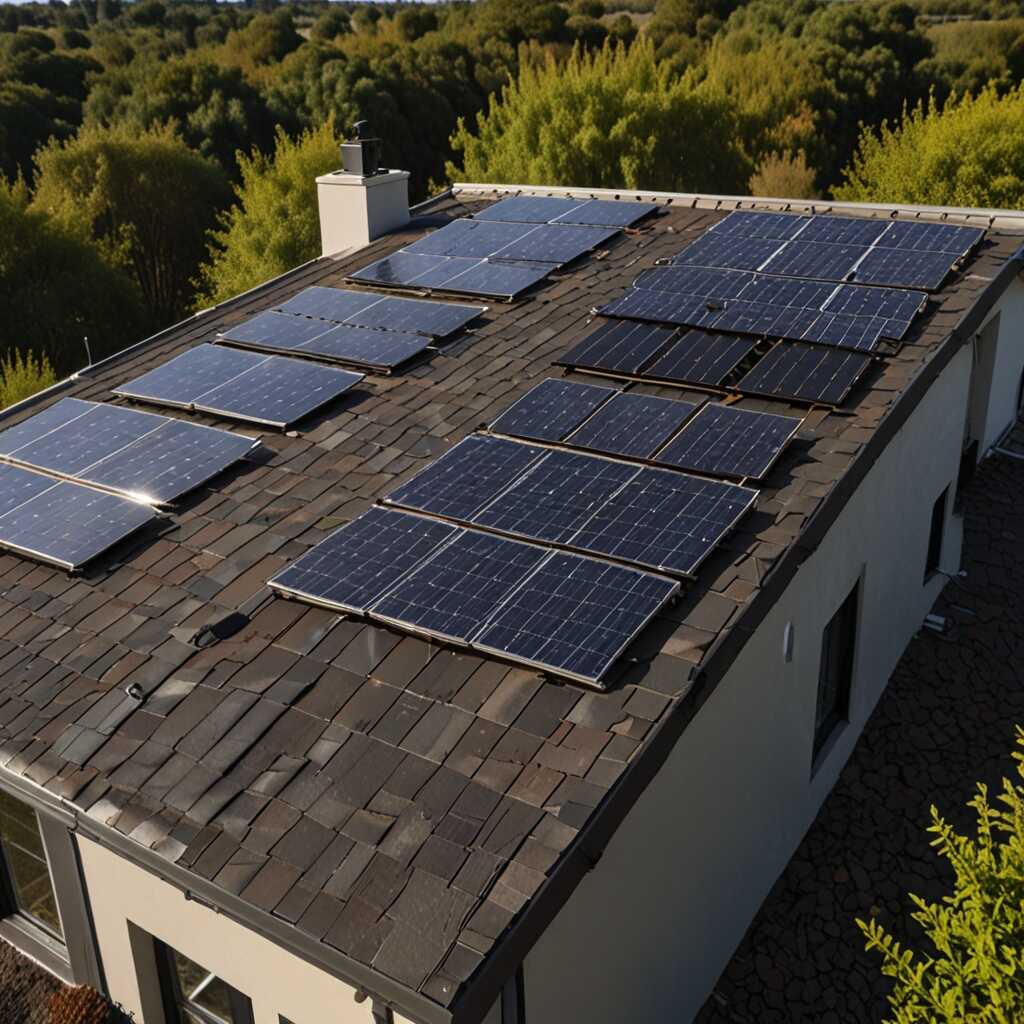
Manual Versus Automatic Cleaning: Pros and Cons
Manual cleaning for solar panels often requires significant labor and time investment. Homeowners can find it challenging to achieve optimal results, as effectiveness varies based on experience and techniques used. Manual cleaning also poses safety risks when accessing roof-mounted panels. In contrast, automatic module cleaning enhances efficiency by utilizing specialized machines designed to clean panels without human intervention. This method improves solar panel efficiency by ensuring thorough cleaning and consistent maintenance. Overall, automatic cleaning systems prove to be more reliable, reducing the frequency of maintenance needs and providing better energy output over time.
Comparing Cleaning Effectiveness and Safety
When comparing cleaning effectiveness, automatic systems outperform manual methods. They provide consistent cleaning without the risk of accidental damage to solar panels. Automated systems are designed to handle different debris types, ensuring that even stubborn dirt is removed. Additionally, numerous tests show that automatic systems typically clean panels faster, saving considerable time. Homeowners can rely on such systems for their durability and effectiveness, allowing them to maximize the energy output from their solar installations safely.

Cost Analysis of Implementing Automatic Cleaning Solutions
The economic implications of adopting automatic cleaning solutions for solar panels include initial investment costs and long-term savings. Initial costs for these cleaning systems can vary from $2,000 to $10,000, depending on the complexity and size of the installation. Factors affecting long-term savings include reduced labor costs, time savings, and enhanced solar output efficiency. Studies suggest automated systems can increase solar panel efficiency by up to 25%, leading to improved energy production and significant financial returns. Homeowners can save around $500 to $1,000 annually on maintenance costs with automated cleaning solutions.
Factors Influencing Solar Panel Cleaning System Savings
Several elements impact long-term savings from adopting automatic cleaning systems. Efficiency improvement is key. Regular cleaning leads to higher energy output, as dirt and grime can significantly reduce performance. Reliability testing of these systems ensures durability and prolongs their lifespan, reducing replacement costs. Systems should have proven data on water consumption, electrical usage, and cleaning cycle time for informed decision-making. Expertise in installation improves operation and effectiveness, ensuring homeowners get quality performance over time.
Advantages of Innovative Cleaning Technologies for Solar Power
- Maintains peak efficiency of solar modules consistently.
- Automatic module cleaning systems significantly reduce labor costs.
- Eco-friendly design minimizes water usage compared to traditional methods.
- They enhance solar performance by providing thorough cleaning.
- Users enjoy hassle-free maintenance with programmable features.
- Regular cleaning leads to longer lifespan of solar panels.
- These systems can operate during low-light conditions, increasing versatility.

Analyzing the Environmental Benefits of Automated Cleaning Technologies
Automatic module cleaning systems significantly enhance sustainability in solar energy management. These systems utilize water-saving technologies that reduce overall water consumption while maintaining the solar panels’ efficiency. Compared to manual cleaning methods, automated systems minimize their ecological footprints. They operate with advanced sensors and precision cleaning techniques, which also decrease the use of harsh chemicals. In fact, automated systems can save up to 90% of the water used in manual cleaning. Less water usage and reduced chemical reliance contribute to a healthier environment, promoting greener practices. Users can trust that automatic cleaning systems provide reliable performance, ensuring optimal solar output with minimal ecological impact.
Exploring the Water-Saving Technologies in Automatic Cleaning Systems
Automatic cleaning systems incorporate innovative water-saving technologies that are designed to enhance energy efficiency. These systems often utilize advanced filtration methods to recycle and reuse water. They can adjust water usage based on the panel’s specific needs, ensuring they only use what’s necessary. Some models are equipped with sensors that detect dirt levels, optimizing the cleaning schedule and reducing wasted water. Research indicates that these systems can achieve impressive results in maintaining cleanliness without compromising water resources. By choosing automatic cleaning systems, homeowners contribute to sustainable practices and ensure the longevity and reliability of their solar panels.
Key Considerations for Choosing an Automatic Cleaning System
When selecting an automatic cleaning system, consider essential features such as reliability, efficiency, and durability. Look for systems designed to handle various environmental conditions, including dust, rain, and snow. Proper research and reviews can help identify systems that provide the best performance. The average cost for these systems varies, with options ranging from budget-friendly to high-end models. Ensuring the system fits your specific solar panel maintenance needs is crucial for optimal energy output and reduced upkeep.
Evaluating Environmental Conditions for Optimal System Selection
Evaluating your specific environmental conditions is vital when choosing an automatic cleaning system. Dusty areas may require more robust systems, while regions with significant rainfall can benefit from systems designed to work with wet conditions. Snow can impact performance greatly, so choose systems that can handle ice buildup effectively. Researching how an automatic cleaning system enhances energy output in different climates can guide your decision. Reliable systems will ensure efficient cleaning regardless of environmental challenges, boosting the longevity and performance of your solar panels.
Market Leaders and Target Demographics for Solar Module Care
- Eco-conscious homeowners prefer automated cleaning for their existing solar systems.
- Facility managers benefit from decreased maintenance costs with these technologies.
- Solar panel manufacturers recommend cleaning systems to improve product performance.
- Energy efficiency advocates support automated cleaning solutions for their sustainability.
- Commercial buildings often invest in these cleaners for large solar installations.
- Home improvement enthusiasts seek out reliable solutions that simplify upkeep.
- Budget-conscious individuals appreciate the long-term savings with automated systems.
Upcoming Innovations in Solar Panel Cleaning Technologies
Emerging trends in solar panel cleaning technologies highlight advances in automation. Companies are focusing on improving the reliability of automatic cleaning systems. Innovations are designed to enhance efficiency and performance. Modern systems can typically maintain 200 to 400 solar panels in one hour, ensuring optimal output. Major players in this field include innovative solutions from companies like SolarCleano and Ecoppia, which provide effective maintenance solutions. These companies help boost energy production by reducing downtime and maintaining cleanliness.
Leading Companies in Solar Cleaning Technology
Many companies are spearheading advancements in solar panel cleaning technology. SolarCleano specializes in automated systems that handle large arrays effectively. Ecoppia designs solutions optimized for various environments, including desert conditions. Their systems ensure panels remain dust-free, enhancing energy output. These companies focus on reliability and innovation, producing equipment that enables efficient cleaning without manual intervention. Their technology reduces labor costs and improves the reliability of solar installations.