Optimize your solar attic fan vent sizing for air exchange efficiency to create a healthier home environment. Properly sizing your solar attic fan can significantly improve airflow, reduce energy costs, and enhance your overall living comfort. At Hevan.net, we provide all the essential information you need to effectively select and install the right size fan for optimal air exchange. Our detailed guide will help you understand the benefits of proper vent sizing, along with tips for installation and maintenance.
What You Need to Know About Solar Attic Fans Benefits
Solar attic fans provide multiple advantages for homeowners. They enhance energy efficiency by extracting hot air from the attic. This process improves overall climate comfort inside the home. Solar attic fans are designed to operate using renewable energy, which reduces electric costs and carbon footprints. Their reliability is essential for maintaining optimal indoor conditions. Proper ventilation lowers humidity levels, preventing mold and mildew growth. In climates like hot, humid areas, these fans can significantly reduce cooling load. They help maintain consistent temperatures while enhancing air exchange rates. Solar attic fans typically achieve air exchange rates ranging from 600 to 1200 cubic feet per minute, supporting efficient airflow. This reliable performance makes them a wise investment for sustainable living.
Understanding Air Exchange Rates for Optimal Performance
Air exchange rates are crucial for assessing the effectiveness of solar attic fans. These fans often handle air exchanges between 600 to 1200 cubic feet per minute. This range ensures that stale and hot air is expelled, allowing cooler air to enter. In areas with high humidity, proper ventilation maintains comfortable temperatures and reduces strain on air conditioning units. Homeowners should ensure they fit the right size of solar attic fan based on their attic space. This aspect can greatly impact the overall efficiency of air exchange. Achieving the right balance helps homeowners enjoy a comfortable living environment. Hevan.net offers resources to help users understand and compare different options effectively.
Understanding the Role of Proper Vent Sizing for Air Flow
Proper attic fan sizing is crucial for optimal air exchange. It affects how effectively solar powered fans can ventilate your home. The right size helps maximize airflow efficiency and improves energy consumption. Homeowners should consider factors like attic size, insulation, and climate when determining the size of their solar attic fans. A well-sized fan can handle the necessary airflow without overworking, ensuring long-term reliability.
Key Factors Influencing Attic Fan Size
Several factors influence attic fan size requirements. These include the total square footage of your attic space, average temperatures, and ventilation needs. Typically, a solar attic fan should move around 750 to 1,000 cubic feet per minute (CFM) for efficient air exchange in a standard attic. These requirements ensure proper air circulation and prevent issues like moisture buildup and heat accumulation, which can compromise performance. Choosing the right size enhances airflow efficiency, providing a comfortable environment in your home.
Types of Solar Attic Fans and Their Key Features
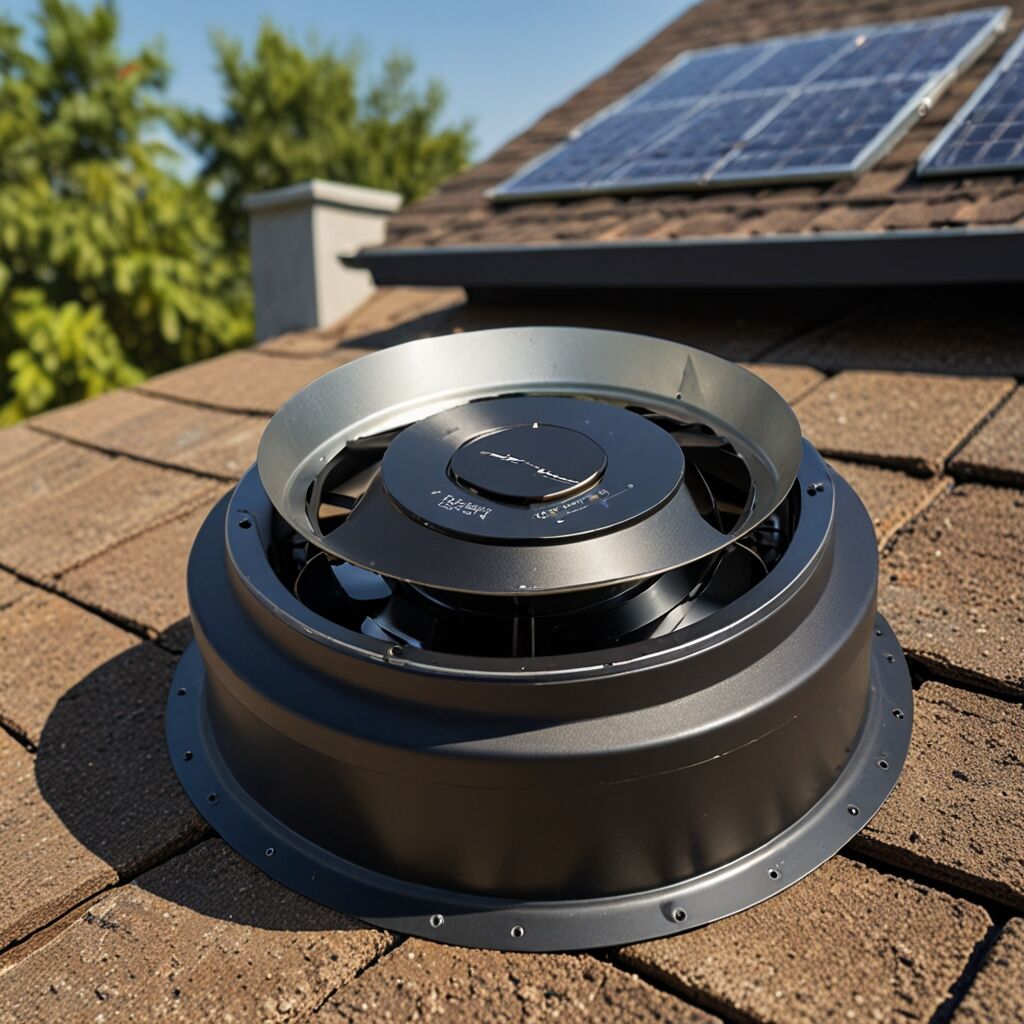
Solar attic fans are essential for maintaining optimal air exchange and temperature in your attic. They usually come in three main types: roof-mounted, gable-mounted, and solar-powered vents. Roof-mounted fans are installed directly on the roof and provide balanced air circulation. Gable-mounted fans focus on improving airflow in gable roofs and are typically easier to install. Solar-powered vents have integrated solar panels, providing energy-efficient operation. Each type may include features like adjustable speed settings, built-in thermostats, and weather-resistant materials to enhance reliability and performance. Brand comparisons often highlight features for efficiency, helping users choose what best suits their home.
Understanding Key Features of Solar Attic Fans
Understanding the key features of solar attic fans is vital for choosing the best option. Reliable solar attic fans usually offer durable materials and an efficient design. Brands like SolarGiant and iLiving often have features such as thermally protected motors and variable speed settings. This enhances performance and ensures quiet operation. Most models typically require around 10 to 20 watts for optimal air exchange, making them energy efficient. Efficiency features deliver great results, with many fans capable of moving up to 1,000 cubic feet of air per minute. Research-backed reviews highlight these elements, indicating they improve long-term home comfort.
Important Figures Related to Attic Fan Performance
- Optimal attic fan size often ranges from 750 to 2,000 CFM.
- Proper sizing can increase air exchange rates by up to 3 times.
- Temperature differences can reach up to 30°F between attic and outside air.
- A well-ventilated attic can reduce cooling costs by 20% or more.
- Ventilation should ideally change the attic air every 5-15 minutes.
- Most homes need 1 square foot of vent for every 150 square feet of attic space.
- Solar attic fans can save around $300 annually on energy bills.
How to Accurately Size Your Attic Fan Vents
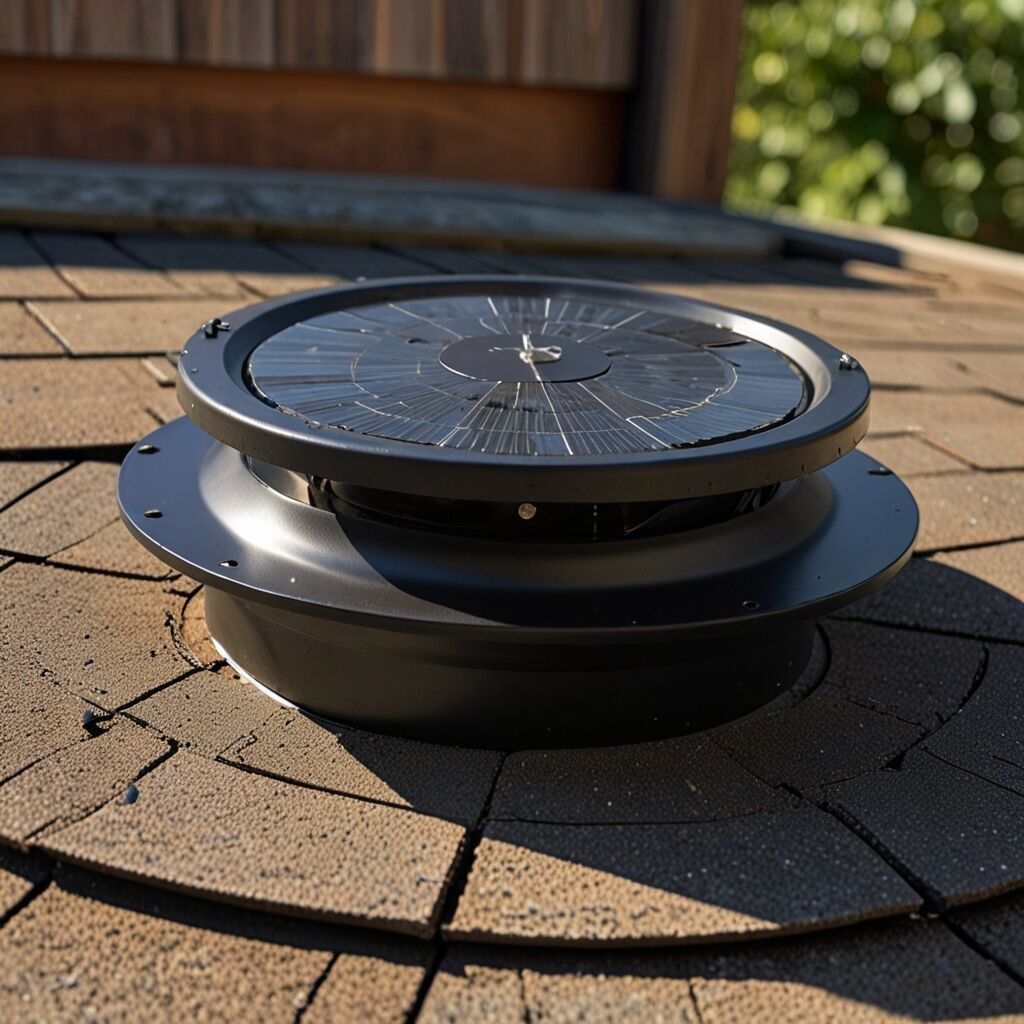
To accurately size your attic fan vents, start by measuring your attic space’s length and width to calculate its square footage. Typically, you should ensure one square foot of vent area for every 300 square feet of attic space. Consider factors such as your climate, roof type, and how much heat your home absorbs. Solar attic fans enhance ventilation efficiency, helping to regulate attic temperatures. Pay attention to the fan’s specifications; some models provide performance data that can help guide your size choice. Always compare multiple options based on testing and reviews to find the best solution.
Essential Steps for Measuring Your Attic
Measuring your attic for fan vent sizing is essential for optimal performance. Start by measuring the length and width of the attic. Multiply these numbers for total square footage. Assess the existing ventilation and determine if it meets current standards. Ideal vent placement often includes both intake and exhaust options; each should provide roughly half of the vent area needed for balanced airflow. This ensures your solar attic fan can handle the airflow necessary for effective temperature regulation. Finally, always refer to manufacturer guidelines for specific calculations tailored to your chosen fan model.
Factors Influencing Air Exchange Rate in Your Attic
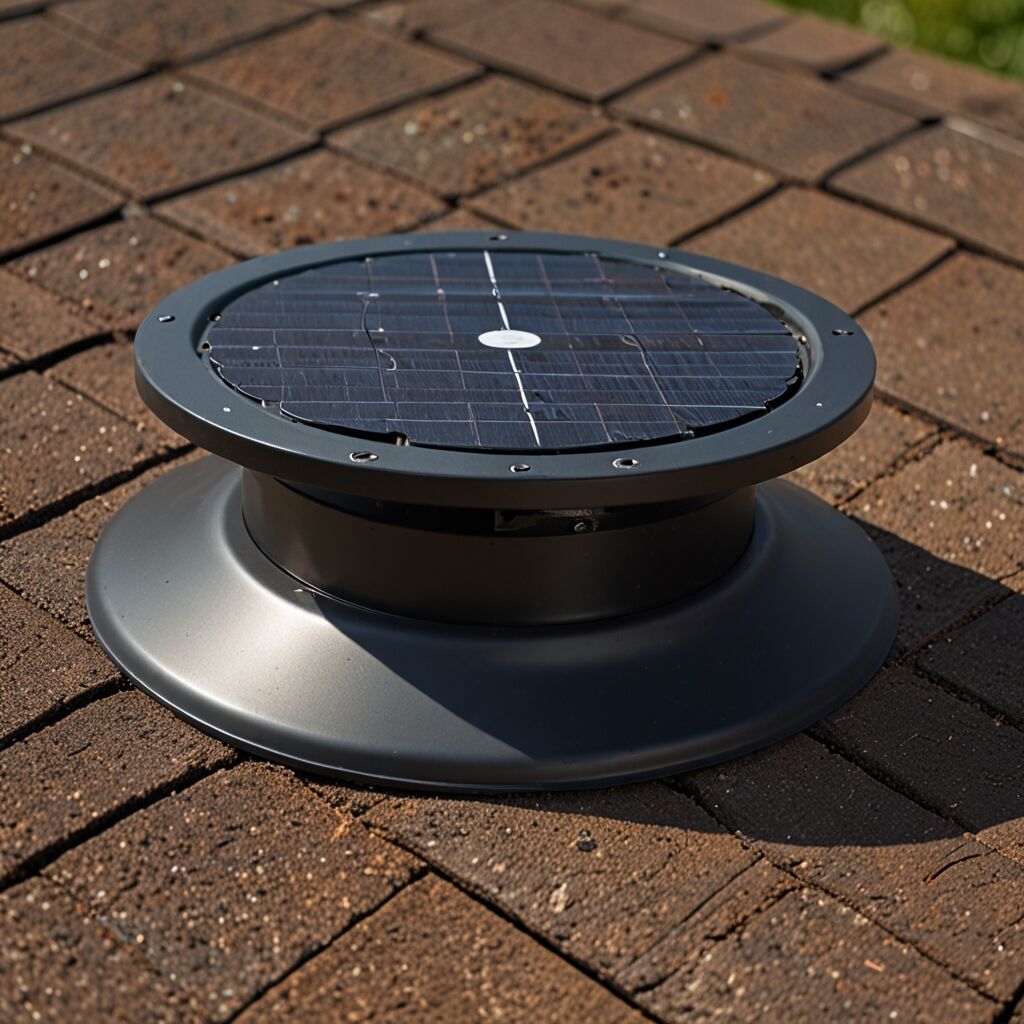
Several elements influence air exchange rates in attics. The layout of the attic significantly affects how air circulates. A more open attic allows for better airflow. Existing ventilation systems also play a crucial role. They need to work efficiently with your solar attic fan. Solar attic fan performance is essential. The fan must be appropriately sized to the attic space for optimal performance. When fans are correctly sized, they enhance airflow, contributing to better air quality. Research shows that proper sizing can improve efficiency. Consider testing different vent configurations for the best results.
Understanding the Layout Impact on Airflow
The layout of your attic can shape the performance of your ventilation system significantly. A well-planned layout has fewer obstructions. This design enables air to flow freely, enhancing air exchange rate. If there are nooks and crannies, airflow can be stifled. Open beams and properly installed insulation also aid in airflow. Solar attic fans work best when they can promote smooth, unobstructed circulation. It is vital to align vent sizing accordingly. Ensuring that the attic layout supports the fan’s airflow will improve efficiency. Regularly review your attic space to identify areas that may impede airflow.
Advantages of Properly Sizing Your Attic Ventilation
- Enhanced air circulation keeps your attic cooler in summer.
- Proper vent sizing improves air exchange rates effectively.
- Reduced humidity levels prevent mold growth and wood rot.
- Energy efficiency leads to lower utility bills year-round.
- Increased lifespan of your roofing materials and insulation.
- Better overall air quality in your home with proper ventilation.
- Improved comfort levels in your living spaces throughout seasons.
Best Timing for Installing Solar Attic Fans for Efficiency
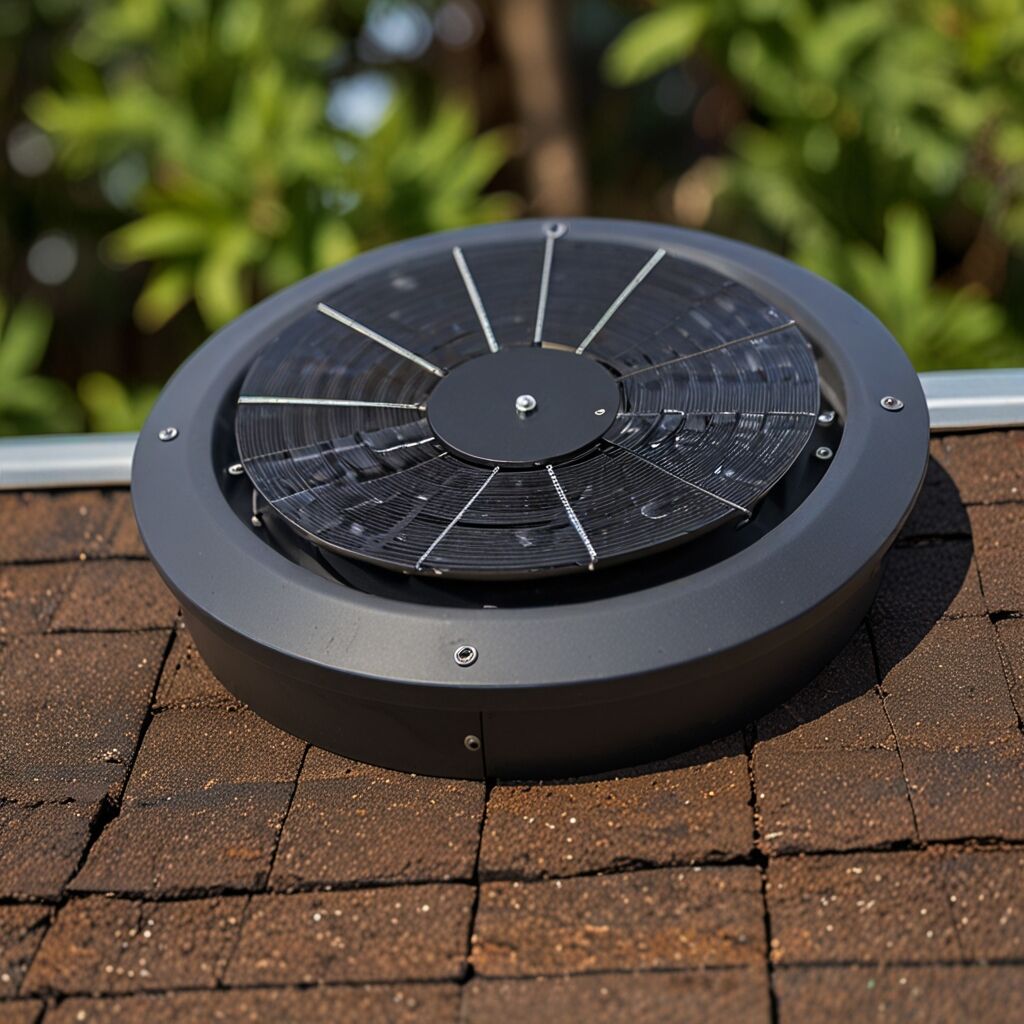
The optimal time to install solar attic fans is typically in the spring or early summer. This timing allows homeowners to enjoy the cooling benefits as temperatures rise. Environmental factors, such as location and climate, impact efficiency. If you live in a sunny area, consider installation in early spring to harness sunlight effectively. Planning for seasonal changes ensures fans operate efficiently during peak heat months. On average, solar attic fans require about 6-8 hours of direct sunlight daily for optimal performance.
Key Seasonal Considerations for Installation
Homeowners should consider seasonal changes that affect solar attic fan performance. Warm months typically provide longer daylight hours. This increased sunlight exposure enhances fan efficiency. In areas with harsh winters, installing in early spring mitigates potential delays caused by snowfall or harsh weather. Proper installation timing aligns with your home’s ventilation needs. Ensuring timely setup enables effective cooling as outdoor temperatures rise. Understanding these factors helps enhance your attic ventilation system.
Financial Benefits of Improving Attic Ventilation
Optimizing attic ventilation with solar attic fans provides significant financial benefits. Homeowners can expect energy efficiency savings by maintaining a cooler attic, which translates to lower cooling costs in the summer. Proper fan sizing is crucial for maximizing airflow, ensuring that homes of various types experience improved comfort and cost savings. In terms of potential savings, many homeowners report reductions in energy bills of anywhere from 10-30% after implementing effective ventilation strategies. This substantial decrease demonstrates the importance of investing in the right solar attic fan designed for optimal performance.
Maximizing Savings Through Effective Fan Sizing
Effective fan sizing is essential for maximizing energy efficiency and comfort levels. When choosing a solar attic fan, it’s important to assess your attic’s volume and any specific features, such as existing vents or insulation types. This allows for selecting a fan that can handle the required air exchange rate. Homeowners should consider models tested for their reliability and performance in real-world settings. Ensuring that the solar attic fan is the right fit helps avoid overworking the unit, which can lead to unnecessary energy consumption and increased costs. Researching fan options and reviewing comparative performance data is key to making an informed and beneficial choice for your home.
Popular Brands and Their Target Audiences for Attic Ventilation
- Attic Breeze: It focuses on energy-efficient solutions for eco-conscious homeowners.
- Eco-Worthy: Great for DIYers seeking budget-friendly solar attic fans.
- Solatube: Perfect for those wanting to integrate skylights and ventilation systems.
- QuietCool: Targets families looking for quiet and effective ventilation options.
- Natural Light: Designed for environmentally aware buyers wanting sustainable products.
- Broan: Offers reliable attic solutions for traditional home renovations.
Who Should Consider Installing Solar Attic Fans
Families, eco-conscious individuals, and residents in warmer climates can all benefit from solar attic fans. Sunny regions often see higher attic heat, making these fans essential for effective air exchange. Homeowners who prioritize energy-efficient homes will appreciate how solar power reduces their electricity use. Roofs with proper solar ventilation solutions help maintain a comfortable living environment. Eco-friendly options, like solar attic fans, also appeal to those looking to minimize their carbon footprints.
Anticipating Your Attic Airflow Needs
Determining airflow requirements is crucial for effective attic temperature control. A typical average-sized house might require 1-2 solar attic fans regularly tested for performance. Factors influencing this need include the home’s square footage, roof design, and local climate conditions. Fans are designed to circulate air efficiently, benefiting multi-story homes by enhancing air quality throughout. Regular reviews of your fans can ensure they meet your energy-saving goals and help you make informed decisions about maintenance.