Shade protection is a physical barrier system that prevents solar attic fans from overheating by blocking excessive direct sunlight while maintaining airflow. This protection typically includes awnings, tree coverage, or shade cloth installations that reduce fan temperatures by 20-40 degrees, extending operational lifespan significantly and improving cooling efficiency for your home.
What You Need to Know About Solar Powered Attic Fans
Solar powered attic fans are ventilation devices that convert sunlight into electricity to power motor-driven fan blades. These systems work by drawing hot air from attic spaces while pulling cooler outside air through soffit vents, creating continuous airflow circulation. The process reduces attic temperatures by 30-50 degrees Fahrenheit, which decreases strain on air conditioning systems and lowers cooling costs by up to 30% during summer months.
How Solar Attic Fan Efficiency Depends on Operating Conditions
Solar powered attic fans perform differently based on climate and installation conditions. In hot climates, these fans help prevent heat buildup that can reach 140-160 degrees Fahrenheit in unventilated attics. Most quality units consume 20-30 watts while delivering 1,000-1,500 cubic feet per minute of airflow. However, when exposed to excessive heat without shade protection, fan motors can overheat and lose 25-30% of their operational efficiency, making proper installation critical for optimal performance.
Why Shade Protection is Crucial for Optimal Performance
Shade protection prevents solar attic fan overheating by reducing direct sun exposure on fan housings and motor components. When these systems operate in temperatures exceeding 120 degrees Fahrenheit, internal components degrade faster and efficiency drops significantly. Proper shading maintains fan housing temperatures between 80-100 degrees, which is optimal for motor longevity and consistent airflow performance throughout peak summer conditions.
What Happens When Solar Fans Overheat Without Protection
Overheating occurs when solar attic fans experience prolonged exposure to direct sunlight combined with high ambient temperatures. This leads to motor bearing wear, electrical component degradation, and reduced fan blade efficiency. Geographic factors like desert climates or south-facing roof installations increase overheating risks. Without shade protection, fans typically experience 40-50% shorter lifespans and may require replacement within 5-7 years instead of the expected 10-15 years with proper protection.
Effective Shade Protection Methods for Solar Attic Fans
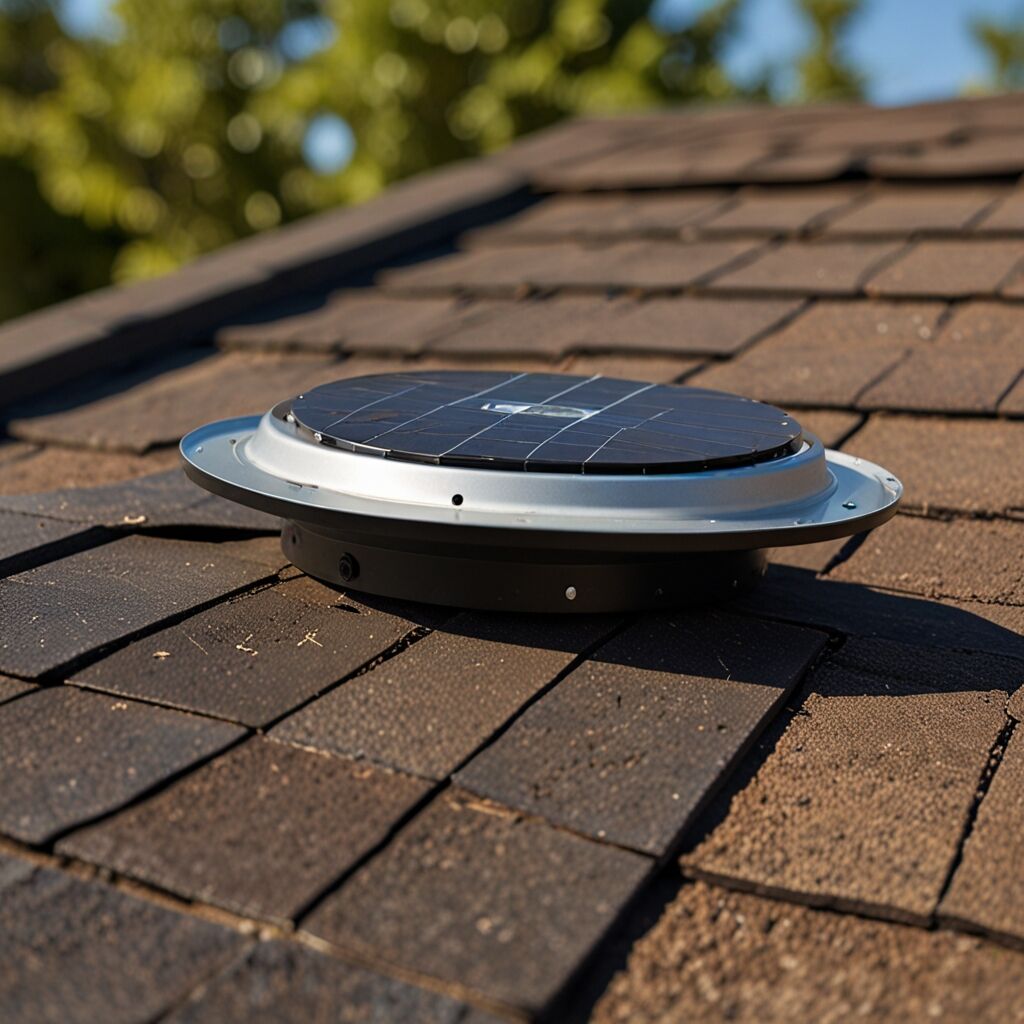
Natural shade protection includes strategic tree planting, where deciduous trees provide summer cooling while allowing winter sunlight access. Artificial options comprise retractable awnings, shade sails, or pergola installations positioned 3-4 feet above fan units. Professional installation comparisons show that combined natural and artificial shade systems deliver the most consistent temperature control, maintaining fan housing temperatures within optimal ranges throughout daily sun cycles.
Comparing Natural Versus Artificial Shade Solutions
Natural shade solutions like mature oak or maple trees take 5-10 years to provide substantial coverage but offer seasonal benefits and property value increases. Artificial shade structures cost between $200-800 for materials and provide immediate protection with adjustable coverage options. Research indicates both approaches reduce fan operating temperatures by 15-25 degrees Fahrenheit. The most effective installations combine both methods, using immediate artificial protection while natural solutions mature over time.
Key Performance Benefits of Shade-Protected Solar Fans
- Solar attic fans with shade protection reduce attic temperatures by 30-50 degrees Fahrenheit more effectively than unprotected units.
- Protected fans maintain 90-95% operational efficiency compared to 60-70% for overheated units.
- Shade protection extends fan lifespan from 6-8 years to 10-15 years through reduced thermal stress.
- Well-protected fans achieve 25% better energy efficiency during peak summer operations.
- Quality shade-protected models deliver consistent 1,000-1,500 CFM airflow ratings.
- Installation with proper shade protection can increase total attic ventilation capacity by 50-60%.
- Protected systems require 15-20% less maintenance due to reduced component wear.
What Direct Sun Exposure Does to Fan Efficiency
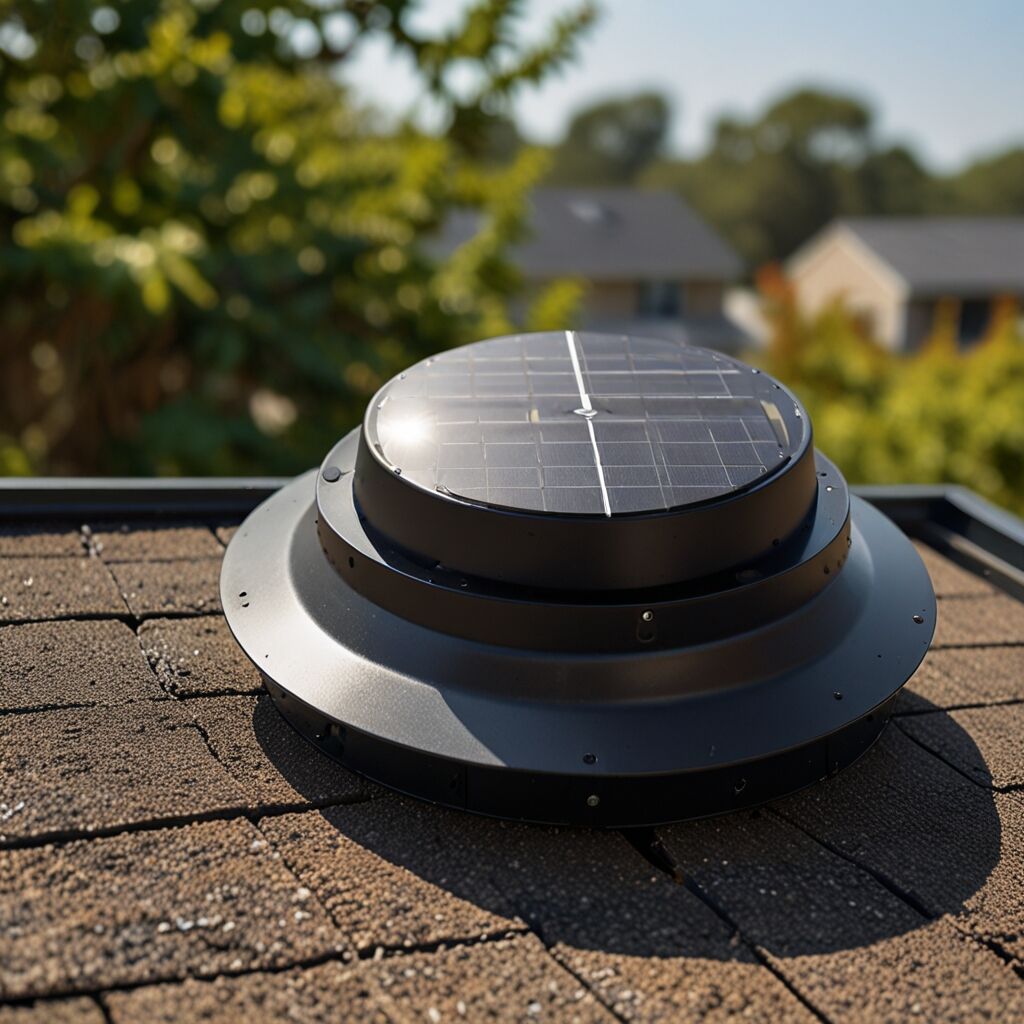
Direct sun exposure causes solar attic fan housing temperatures to reach 130-150 degrees Fahrenheit, which degrades motor bearings and electrical connections. This thermal stress reduces fan blade rotation speed, decreases airflow capacity, and shortens component lifespan significantly. Unprotected fans typically lose 30-40% of their cooling effectiveness within the first three years of operation, while shade-protected units maintain consistent performance throughout their expected 10-15 year lifespan.
How Overheating Reduces Fan Lifespan and Performance
Excessive heat exposure affects multiple fan components simultaneously, creating cascading performance issues. Motor windings degrade faster at temperatures above 120 degrees, electrical connections loosen due to thermal expansion, and fan blades may warp slightly under extreme conditions. These problems compound over time, typically resulting in 40-50% efficiency loss within 3-5 years for unprotected installations. Proper shade protection maintains operating temperatures between 80-100 degrees, preserving component integrity and ensuring consistent 1,000+ CFM airflow throughout the system’s lifespan.
Benefits of Installing Shade Protection with Solar Attic Fans
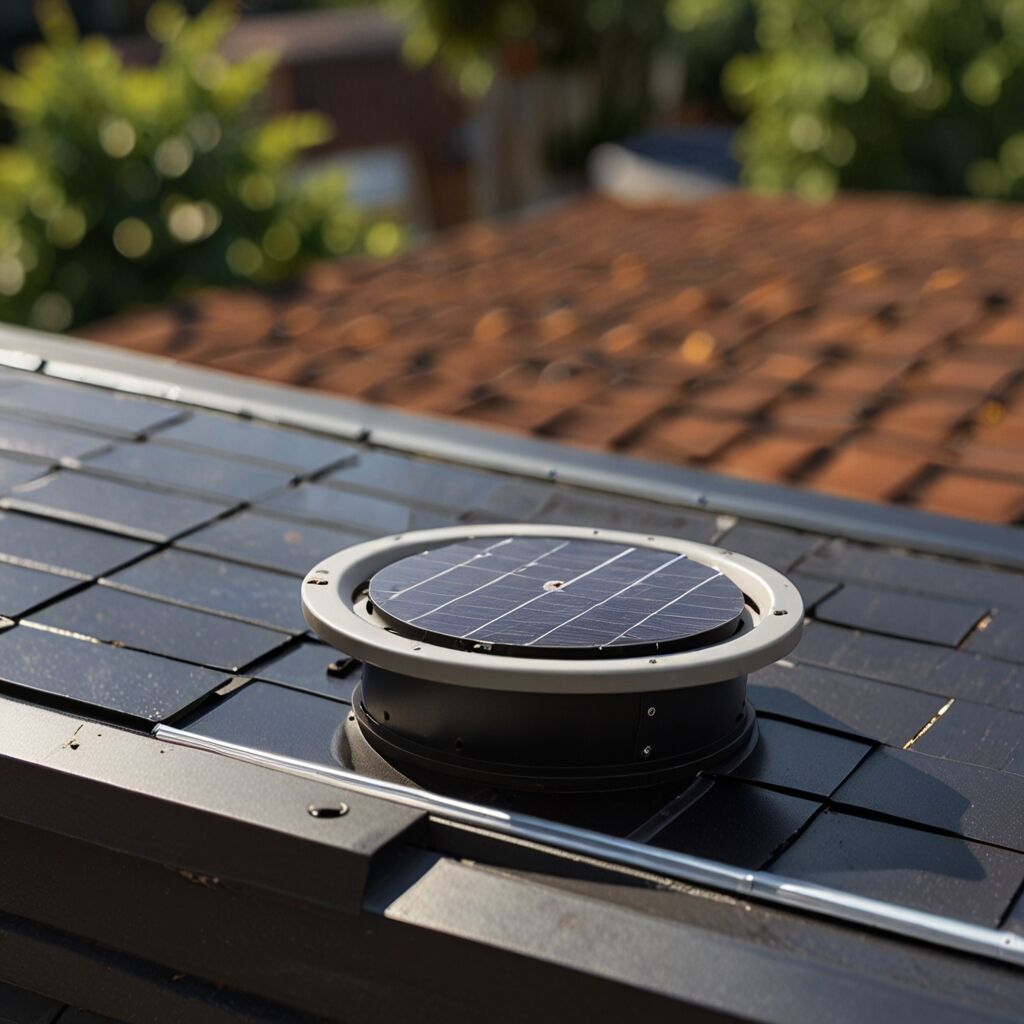
Combining shade protection with solar attic fan installation provides multiple performance advantages including enhanced cooling efficiency, extended equipment lifespan, and reduced maintenance requirements. Protected fans operate 25-30% more efficiently during peak summer conditions while maintaining consistent airflow throughout daily temperature cycles. This combination approach delivers superior home comfort, lower energy costs, and better return on investment compared to unprotected installations.
Most Effective Shade Protection Installation Methods
Optimal shade protection installations position coverage 3-4 feet above fan units to allow adequate airflow while blocking direct sunlight. Retractable awnings offer adjustable protection that can be modified based on seasonal sun angles. Professional pros and cons analysis shows that fixed pergola structures with lattice tops provide excellent compromise between protection and ventilation. Shade cloth installations using 30-50% density fabric deliver effective temperature reduction while maintaining proper air circulation around fan components.
Primary Advantages of Shade-Protected Solar Attic Fans
- Shade protection reduces fan operating temperatures by 20-40 degrees Fahrenheit during peak conditions.
- Solar powered attic fans with protection require 50% less maintenance due to reduced thermal stress on components.
- Protected installations achieve 90-95% of rated efficiency compared to 60-70% for overheated units.
- Enhanced ventilation performance leads to 15-20% better indoor air quality through consistent airflow.
- Shade protection prevents moisture-related problems by maintaining optimal attic temperature differentials.
- Protected fans cool living spaces 20-30% faster during hot weather conditions.
- Lower operating temperatures result in 25-35% reduction in annual energy costs for cooling.
Essential Maintenance for Shade-Protected Solar Attic Fans
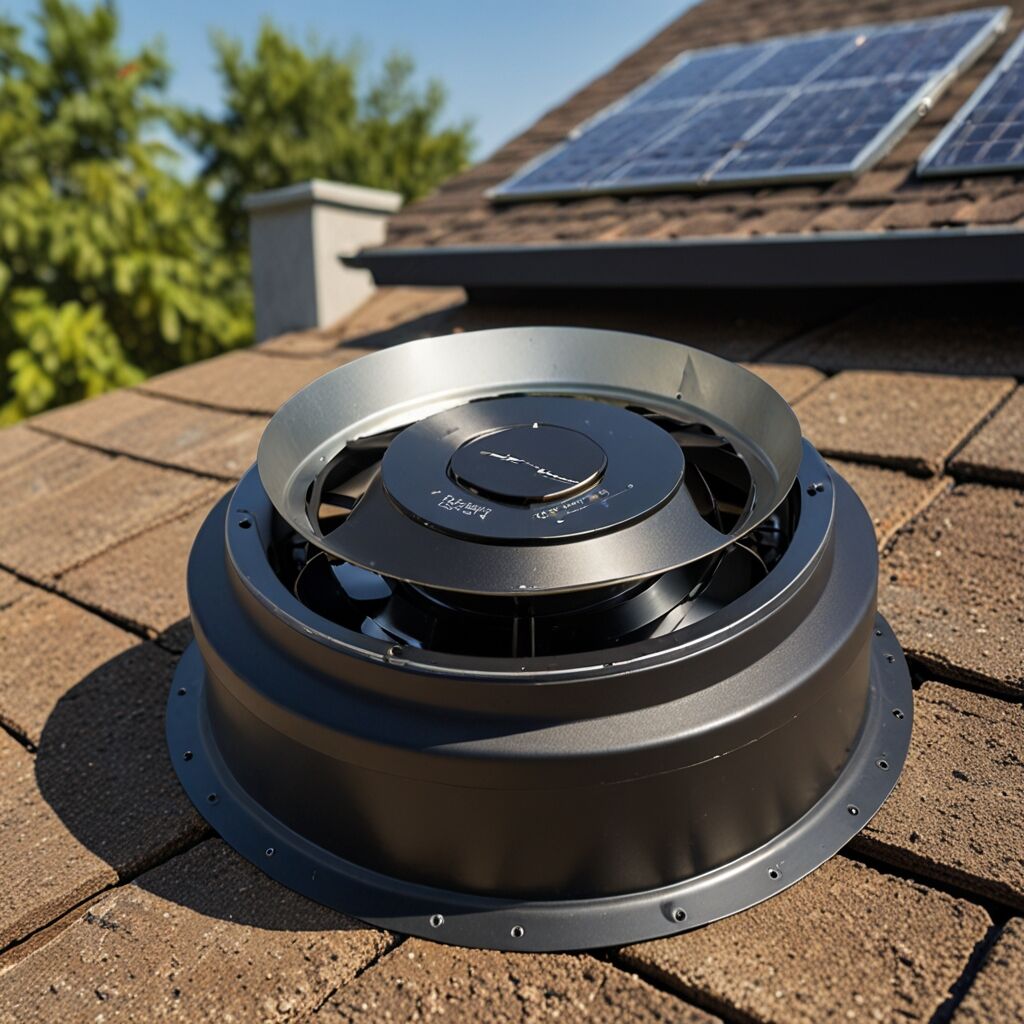
Regular maintenance for shade-protected solar attic fans includes cleaning solar panels monthly, inspecting electrical connections quarterly, and checking fan blade balance twice annually. Shade protection maintenance involves trimming vegetation that may block airflow, adjusting artificial shade structures for seasonal sun angles, and ensuring drainage around shade installations. These tasks typically require 2-3 hours quarterly and help maintain 90-95% operational efficiency throughout the system’s 10-15 year lifespan.
How Proper Shade Affects Fan Maintenance Requirements
Shade protection significantly reduces maintenance frequency for solar attic fans by preventing thermal stress on components. Protected fans typically require bearing lubrication every 3-4 years instead of annually for overheated units. Electrical connections remain stable longer due to consistent operating temperatures, reducing inspection needs. However, shade installations require their own maintenance including seasonal adjustments, cleaning of shade materials, and occasional structural repairs to maintain optimal protection effectiveness.
When Your Solar Attic Fan Needs Shade Protection
Geographic indicators for shade protection include regions with summer temperatures exceeding 90 degrees Fahrenheit, areas receiving 6+ hours of direct sunlight daily, and locations with south or west-facing roof installations. Climate factors affecting solar attic fan performance include humidity levels, wind patterns, and seasonal temperature variations. States like Arizona, Texas, and California typically require shade protection due to intense sunlight and high ambient temperatures, while northern regions may benefit from selective seasonal shading approaches.
Climate Factors That Determine Shade Protection Requirements
Climate impact on solar attic fan performance varies significantly by region and season. Hot, humid climates create the greatest need for shade protection due to combined thermal and moisture stress on fan components. Desert climates with intense, dry heat require different shade strategies than coastal areas with moderate temperatures but high humidity. Research indicates that areas with summer temperature averages above 85 degrees Fahrenheit benefit most from comprehensive shade protection, while temperate regions may only need seasonal adjustments to maintain optimal fan performance.
Regional Considerations for Solar Attic Fan Shade Protection
- Southwest desert regions require year-round shade protection due to intense sunlight and temperatures exceeding 110 degrees.
- Southeast humid climates benefit from seasonal shade that allows winter sun access while providing summer protection.
- Northern regions typically need minimal shade protection except for south-facing installations in peak summer.
- Coastal areas may require wind-resistant shade structures due to weather exposure.
- Mountain regions need adjustable shade systems to account for seasonal sun angle variations.
- Professional use case analysis shows that urban heat island effects increase shade protection needs in metropolitan areas.
- Agricultural areas with minimal tree coverage require artificial shade solutions for optimal fan protection.
Installation and Maintenance Resources for Protected Solar Fans
Comprehensive installation resources for shade-protected solar attic fans include step-by-step mounting guides, electrical connection diagrams, and seasonal adjustment schedules. Hevan.net provides detailed installation tutorials covering both fan placement and shade structure positioning for optimal performance. Professional installation typically costs $300-600 for the fan plus $200-800 for shade protection structures, depending on complexity and materials chosen. Expert testing methodologies help homeowners evaluate system performance and adjust protection as needed.
Critical Maintenance Schedules for Maximum Fan Efficiency
Optimal maintenance schedules for shade-protected solar attic fans include monthly solar panel cleaning, quarterly electrical inspections, and semi-annual shade structure adjustments. Spring maintenance focuses on cleaning winter debris and adjusting shade angles for increasing sun intensity. Summer maintenance emphasizes cooling system performance and thermal protection effectiveness. Fall preparation includes weatherproofing shade structures and ensuring drainage systems function properly. Following these schedules helps maintain 90-95% efficiency throughout the system’s operational life while preventing costly repairs or premature replacement.