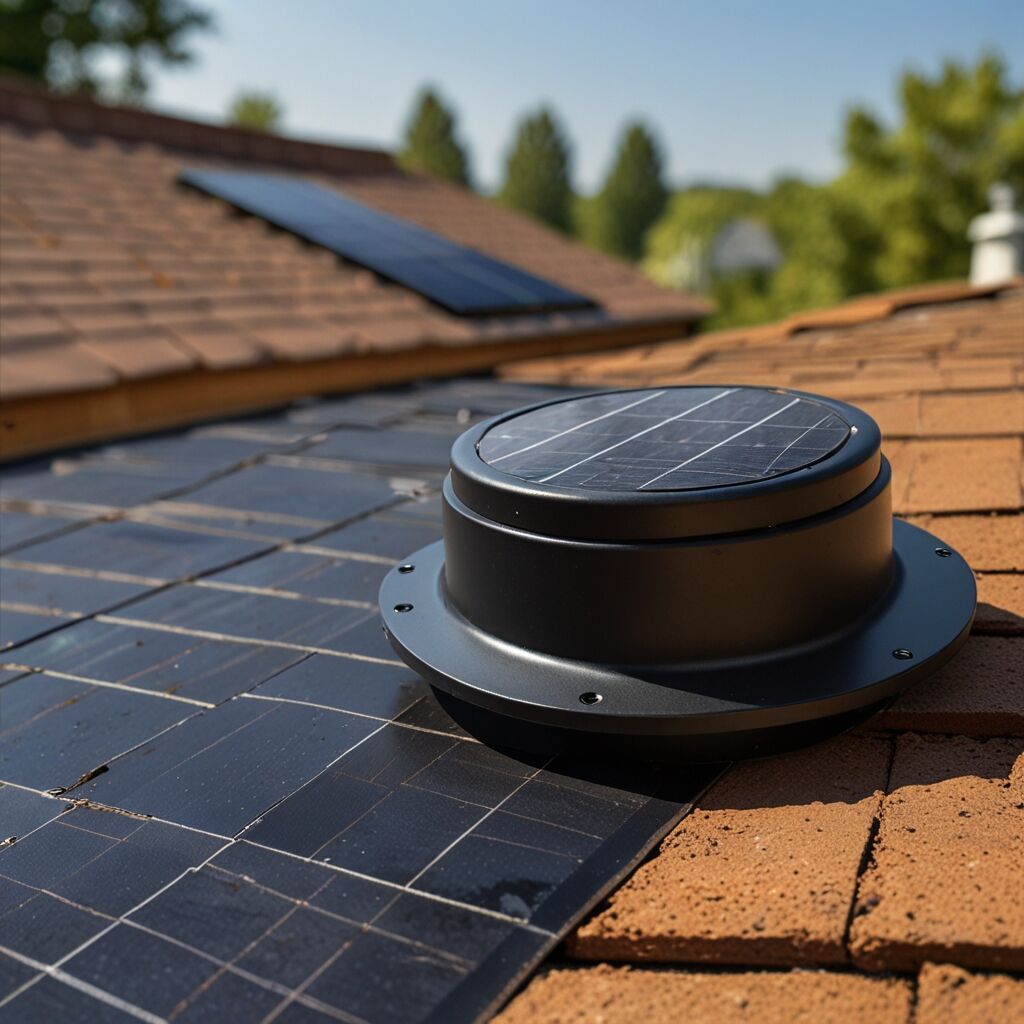
Solar panel tilt adjustment increases attic fan power output by optimizing sunlight capture, typically boosting energy production by 15-25%. Proper tilt angles between 30-45 degrees maximize solar panel efficiency, which directly translates to stronger attic fan performance. This enhanced power enables better airflow, reduced cooling costs, and improved home comfort throughout the year.
What is Solar Panel Tilt Adjustment?
Solar panel tilt adjustment refers to changing the angle of solar panels to capture optimal sunlight throughout different seasons. This process involves physically repositioning panels to match the sun’s changing position, which varies based on geographic location and time of year. Effective tilt adjustment maximizes energy capture by ensuring panels receive direct sunlight for longer periods daily. The relationship between proper tilt and attic fan performance is direct – more solar energy means more power for ventilation systems. Most residential installations benefit from seasonal adjustments, though the frequency depends on your commitment to optimization versus convenience.
How Solar Panel Angle Affects Energy Production
The angle of solar panels directly impacts their energy production capacity, with optimal angles varying between 30-60 degrees depending on location and season. Panels positioned at the correct angle can capture up to 25% more energy compared to flat installations. Northern regions typically require steeper angles (40-50 degrees) to accommodate lower sun angles, while southern areas often perform well with moderate tilts (25-35 degrees). This increased energy production translates directly to improved attic fan performance and efficiency. However, the improvement varies significantly based on your specific roof orientation, local weather patterns, and existing panel efficiency.
Benefits of Optimizing Solar Panel Tilt for Attic Fans
The primary benefits of optimizing solar panel tilt include increased energy output, enhanced attic fan performance, and reduced cooling costs. Properly angled panels typically generate 15-30% more power than poorly positioned ones, directly improving attic fan operation. This enhanced airflow helps maintain consistent attic temperatures, reducing the burden on air conditioning systems. Homeowners often experience noticeable improvements in indoor comfort, particularly during peak summer months when attic temperatures can exceed 140°F. Additionally, better ventilation reduces moisture buildup, which helps prevent mold growth and extends roof lifespan.
Energy Cost Savings from Improved Attic Ventilation
Improved attic ventilation through optimized solar panel positioning can reduce cooling costs by 10-20% during summer months. Enhanced airflow helps expel hot air from attic spaces, reducing heat transfer to living areas below. Many homeowners report monthly savings of $30-80 on electricity bills, depending on home size and local energy rates. The combination of solar-powered attic fans with proper panel positioning creates a self-sustaining cooling system. However, actual savings depend heavily on factors like insulation quality, home size, and local climate conditions.
Best Practices for Solar Panel Tilt Adjustment
Effective solar panel tilt adjustment requires understanding your geographic location, seasonal sun patterns, and safety considerations. Start by determining your latitude, which provides the baseline angle for year-round optimization – typically latitude plus or minus 15 degrees for seasonal adjustments. Use proper safety equipment including sturdy ladders, non-slip shoes, and ideally a safety harness when working on roofs. Adjust panels during mild weather conditions when surfaces aren’t slippery or extremely hot. The process typically takes 30-60 minutes per panel, depending on your mounting system and experience level.
Seasonal Adjustment Guidelines
Seasonal adjustments involve changing panel angles approximately four times per year to match the sun’s changing position. Winter adjustments typically require steeper angles (latitude plus 15 degrees) to capture low-angle sunlight, while summer benefits from flatter positioning (latitude minus 15 degrees). Spring and fall generally work well with angles close to your geographic latitude. These adjustments can improve energy capture by an additional 5-10% compared to fixed positioning. However, many homeowners find that adjusting twice yearly (summer and winter positions) captures most benefits while minimizing maintenance effort.
Tools Required for Safe Tilt Adjustment
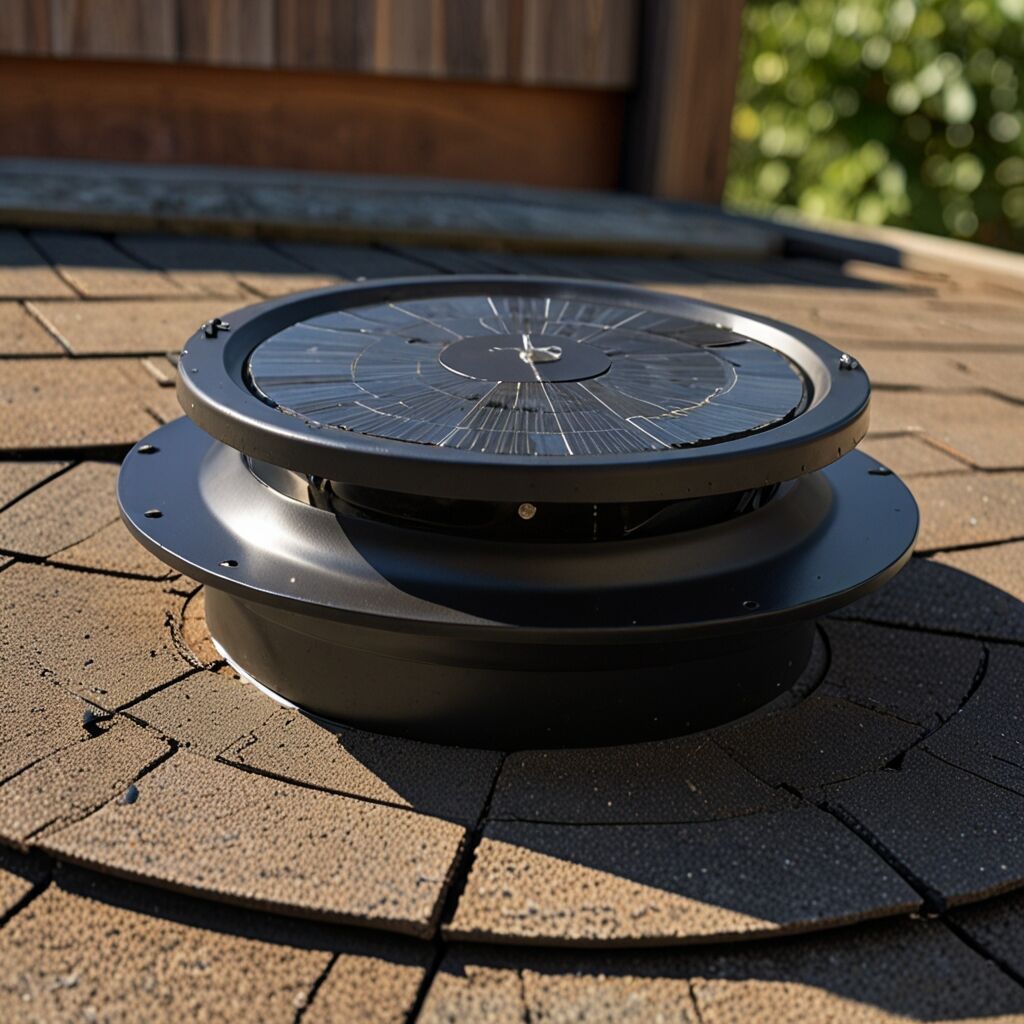
Essential tools for solar panel tilt adjustment include adjustable wrenches, a digital angle finder or smartphone level app, measuring tape, and appropriate safety equipment. A digital protractor provides accurate angle measurements, ensuring precise positioning for optimal energy capture. Safety gear should include non-slip work boots, gloves for better grip, and ideally fall protection equipment for steep roofs. Most residential systems use standard bolts that require 10mm or 13mm wrenches, though this varies by manufacturer. Having a helper makes the process safer and more efficient, particularly when repositioning larger panels.
Measuring Equipment for Accurate Positioning
Accurate positioning requires reliable measuring tools, with digital angle finders being the most precise option for determining panel tilt. Smartphone apps can provide adequate accuracy for most homeowners, though dedicated tools offer better reliability in bright sunlight. A 25-foot measuring tape helps ensure consistent positioning across multiple panels. String lines or laser levels help maintain alignment when adjusting multiple panels simultaneously. These tools typically cost $50-150 total, representing a small investment compared to the potential energy savings from proper optimization.
When to Adjust Solar Panel Tilt
The optimal timing for solar panel tilt adjustments depends on your commitment to maintenance versus energy optimization goals. Most homeowners benefit from semi-annual adjustments – once before summer (flatter angle) and once before winter (steeper angle). Monthly adjustments can provide maximum optimization but require significant time investment for modest additional gains. Weather conditions matter significantly; avoid adjustments during wet, windy, or extremely hot conditions when roof surfaces become dangerous. Early morning or late afternoon typically provide the safest working conditions with moderate temperatures and good visibility.
Seasonal Timing Considerations
Spring adjustments should occur in March or April, positioning panels for increasing sun angles as summer approaches. Summer positioning typically works best from May through August, using flatter angles to capture high-angle sunlight. Fall adjustments in September or October prepare for decreasing sun angles, while winter positioning from November through February maximizes capture of low-angle sunlight. These timing guidelines vary by geographic location – southern regions may benefit from earlier spring adjustments, while northern areas often need later timing. Tracking your energy production helps determine the most effective adjustment schedule for your specific situation.
Who Benefits Most from Tilt Adjustments
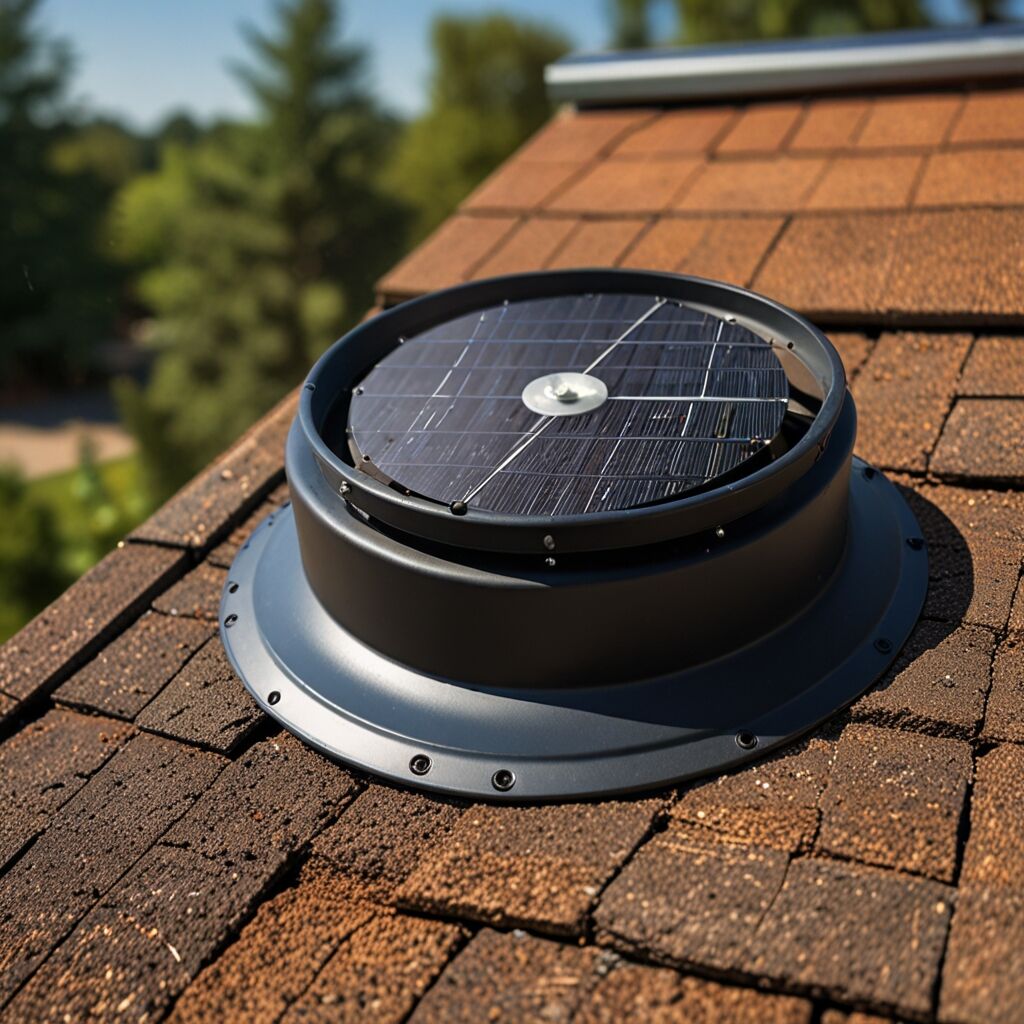
Homeowners who benefit most from solar panel tilt adjustments include those with adjustable mounting systems, significant seasonal temperature variations, and high energy costs. Residents in northern climates typically see greater benefits due to more dramatic seasonal sun angle changes throughout the year. DIY-oriented homeowners who enjoy maintenance projects often find tilt adjustments rewarding both financially and personally. Families with high cooling costs during summer months frequently experience noticeable comfort improvements from enhanced attic ventilation. However, homes with complex roof layouts or safety concerns may find professional adjustment services more practical than DIY approaches.
Limitations and Realistic Expectations
Several limitations affect the practicality and benefits of solar panel tilt adjustments for attic fan applications. Fixed mounting systems may require expensive modifications or complete replacement to enable angle adjustments. Homes with steep, complex roofs present safety challenges that may outweigh potential energy benefits. Weather-related limitations mean adjustments aren’t always possible when optimal timing occurs during storms or extreme temperatures. Energy improvements, while noticeable, typically range from 10-25% rather than dramatic transformations. Additionally, frequent adjustments can cause wear on mounting hardware, potentially requiring earlier replacement of system components.
Realistic Performance Expectations
- Energy output improvements typically range from 15-25% with optimal seasonal adjustments.
- Cooling cost reductions generally fall between 10-20% during peak summer months.
- Most homeowners see payback periods of 2-4 years on adjustment-related investments.
- Safety concerns limit adjustment frequency for many residential installations.
- Professional adjustment services cost $100-300 annually but ensure safety and accuracy.
- Fixed mounting systems may require $500-1500 in modifications to enable adjustments.
- Weather delays can prevent optimal timing adjustments 20-30% of planned occasions.
Implementation Steps for Maximum Efficiency
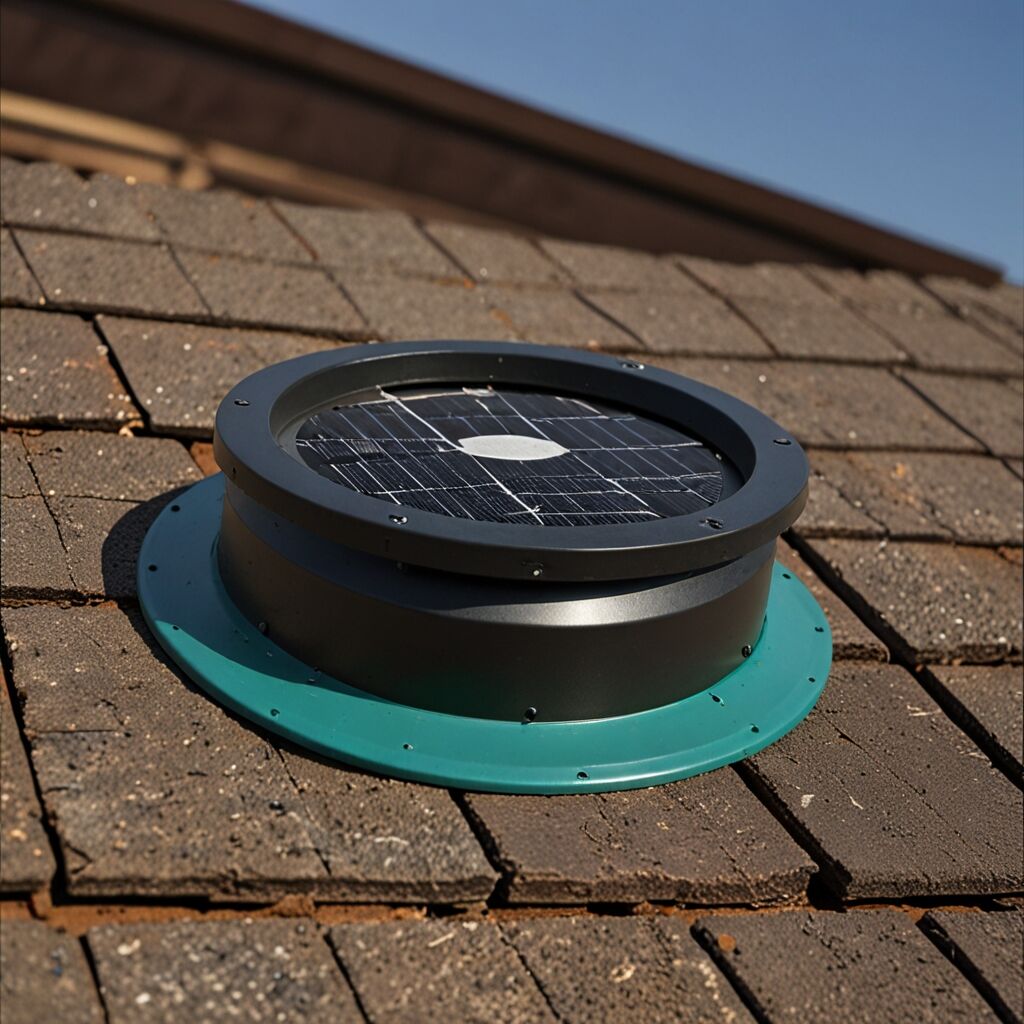
Successful implementation of solar panel tilt adjustments requires careful planning, proper tools, and realistic expectations about benefits and limitations. Begin by assessing your current mounting system to determine adjustment feasibility and safety requirements. Research optimal angles for your specific location using online solar calculators or consulting local solar professionals. Create a seasonal adjustment schedule that balances energy optimization with practical maintenance considerations. Document your energy production before and after adjustments to measure actual improvements and refine your approach over time.
Cost-Benefit Analysis for Homeowners
The cost-benefit analysis for solar panel tilt adjustments varies significantly based on system type, local energy costs, and homeowner capabilities. DIY adjustments typically cost $50-150 annually in tools and time, while professional services range from $200-400 yearly. Energy savings generally fall between $100-400 annually, depending on system size and local utility rates. Homes with high cooling costs and suitable mounting systems often achieve positive returns within 1-2 years. However, complex installations or minimal seasonal variation may not justify adjustment costs. Consider starting with semi-annual adjustments to evaluate benefits before committing to more frequent optimization schedules. The decision ultimately depends on balancing energy savings against time investment and safety considerations.