Solar attic fans are ventilation systems that use solar panels to power exhaust fans, removing warm air from attics during winter to prevent ice dam formation. These energy-efficient devices typically cost between $150-$600 and work by maintaining consistent roof temperatures, preventing the freeze-thaw cycles that create dangerous ice buildups along roof edges.
What Are Ice Dams and Why Do They Form?
Ice dams are thick ridges of ice that form along roof edges when snow melts and refreezes repeatedly. The formation process begins when warm air from heated living spaces rises into poorly ventilated attics, heating the roof surface above freezing while outdoor temperatures remain below 32°F. This temperature difference causes snow to melt on the warm upper roof sections, then refreeze when the water reaches the colder eaves.
Ice dam formation depends on three critical factors: adequate snow accumulation (typically 6+ inches), attic temperatures above 32°F, and outdoor temperatures below freezing. Common contributing factors include insufficient insulation, air leaks from living spaces, and inadequate attic ventilation. Natural light positioning can help solar attic fans operate more efficiently during these critical winter conditions.
How Ice Dams Damage Your Home
Ice dams create destructive water backup behind the ice barrier, forcing water under shingles and into roof structures. The trapped water can damage ceiling materials, wall insulation, and flooring, with repair costs typically ranging from $1,000 to $5,000 depending on the extent of water penetration. Beyond immediate water damage, ice dams can cause long-term problems including mold growth, structural rot, and compromised insulation effectiveness.
The weight of ice dams also stresses gutters and roof edges. Thick ice formations can weigh 2-5 pounds per square foot, potentially damaging gutters, downspouts, and roof trim. Homeowners in northern climates face the highest risk, especially those with complex roof lines, skylights, or dormers that create additional warm spots.
How Solar Attic Fans Prevent Ice Dams
Solar attic fans prevent ice dams by exhausting warm air from attic spaces, maintaining roof surface temperatures close to outdoor ambient temperatures. The prevention process works through continuous air circulation – as the fan removes heated air, cooler outdoor air enters through soffit vents, creating a balanced temperature throughout the attic space. This temperature consistency prevents the melting-refreezing cycle that creates ice dams.
The key components of solar attic ventilation systems include photovoltaic panels (typically 10-20 watts), DC motor fans rated for 500-1,200 CFM airflow, and weatherproof housing designed for roof mounting. Proper coordination between solar fans and soffit vents ensures optimal air movement throughout the attic space.
Benefits of Solar Attic Fans for Winter Protection
The primary benefits of solar attic fans during winter include reduced heating costs (typically 10-20% savings), elimination of ice dam formation risk, and improved indoor air quality through moisture control. These fans operate silently using renewable energy, requiring no electrical connections or utility power consumption. Solar-powered operation means the fans work most effectively during sunny winter days when ice dam conditions are most likely to develop.
Additional advantages include extended roof life through reduced thermal stress, prevention of attic condensation that can damage insulation, and reduced strain on heating systems. Most quality solar attic fans continue operating in temperatures as low as -20°F, providing reliable winter performance when protection is most needed.
Essential Installation Requirements for Winter Performance
Proper installation of solar attic fans requires strategic placement for maximum winter sun exposure and optimal ventilation performance. The solar panel should face south or southwest to capture maximum daylight hours during shorter winter days. Installation requires mounting the fan unit on a solid roof section, typically between rafters, with adequate clearance from roof obstacles like chimneys or vent pipes.
Critical installation factors include selecting appropriate fan capacity (calculated at 1 CFM per square foot of attic space), ensuring adequate intake ventilation through soffit vents, and positioning the fan high on the roof slope for effective hot air removal. Professional installation ensures proper flashing, weatherproofing, and structural integrity, though many homeowners successfully install solar attic fans as DIY projects using manufacturer-provided instructions.
Optimal Placement Strategies for Different Roof Types
Gable roofs benefit from solar attic fan placement near the ridge line on south-facing slopes, allowing maximum sun exposure while creating effective air draw from the entire attic space. Hip roofs require careful positioning to avoid shaded areas created by multiple roof planes, with fans typically placed on the highest, most sun-exposed section. Flat or low-slope roofs need fans mounted on raised bases to prevent snow accumulation around the unit.
Complex roof designs with dormers, skylights, or multiple levels may require multiple smaller fans rather than one large unit to ensure even air distribution. The goal is creating consistent airflow that eliminates hot spots where ice dams typically form. Comparing different solar attic fan models helps homeowners select appropriate capacity and features for their specific roof configuration.
Key Installation Specifications
- Fan capacity should provide 1 CFM per square foot of attic space
- Solar panels require 6+ hours of direct sunlight for optimal operation
- Intake ventilation area should equal or exceed exhaust fan capacity
- Installation height should be within the upper third of roof slope
- Clearance of 36 inches minimum from roof obstacles is recommended
- Warranty coverage typically extends 10-15 years for quality installations
- Professional installation costs range from $300-$800 including materials
Identifying High-Risk Areas for Ice Dam Formation
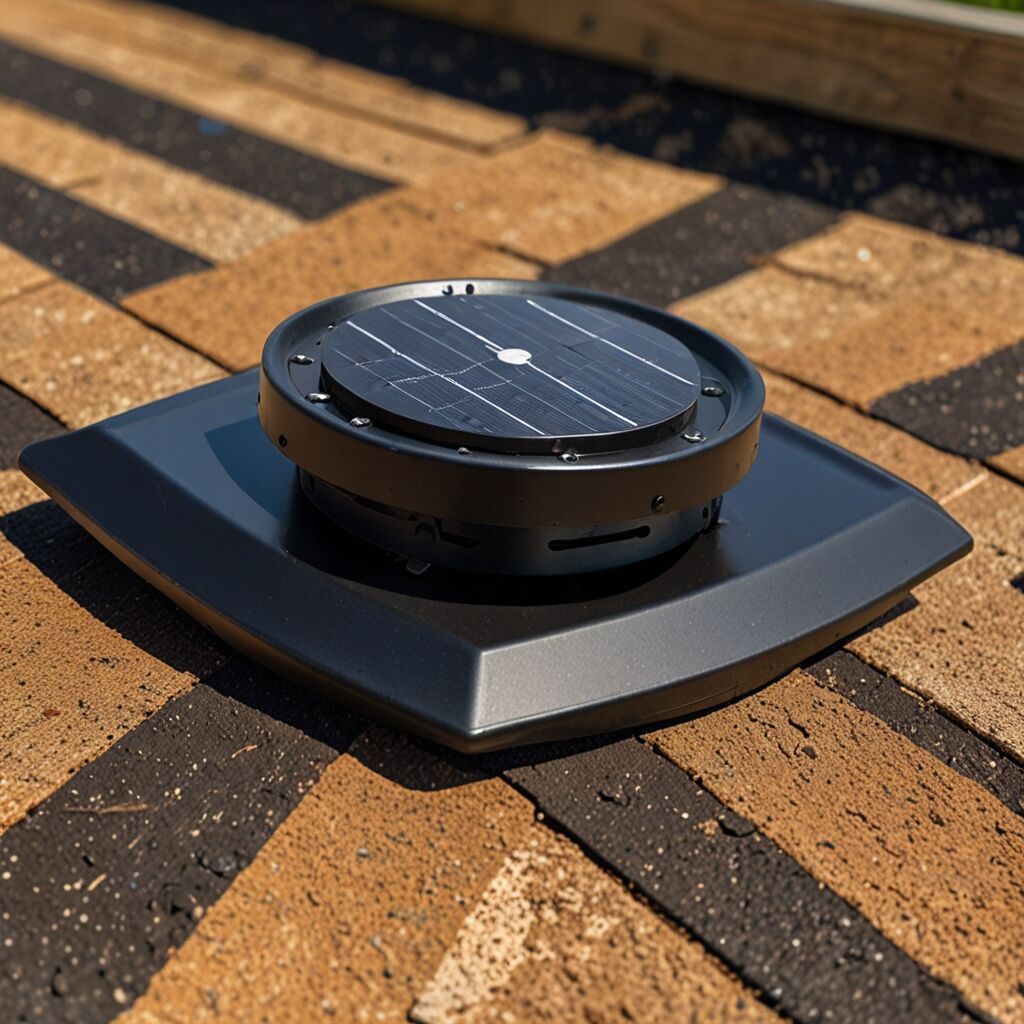
Ice dams most commonly form along roof edges, in valleys where two roof planes meet, and around roof penetrations like chimneys, skylights, and vent pipes. These areas are vulnerable because they create temperature variations – warm spots from interior heat loss combined with cold zones where snow accumulates. Low-slope roof sections (less than 4:12 pitch) face higher risk because water drains more slowly, increasing freeze opportunity.
Homeowners can identify vulnerable areas by looking for icicle formation, ice buildup along gutters, and water stains on exterior walls below the roof line. Interior signs include water stains on ceilings near exterior walls, musty odors suggesting moisture problems, and unusually cold rooms directly below problem roof areas. Understanding these risk factors helps prioritize solar attic fan placement and additional preventive measures.
Assessing Your Home’s Ice Dam Risk Factors
Several home characteristics increase ice dam susceptibility, including cathedral ceilings that place living spaces directly below roof surfaces, insufficient attic insulation (less than R-38 in most climates), and air leaks around recessed lights, attic hatches, or plumbing penetrations. Homes with complex roof designs, multiple stories, or attached garages face higher risk due to varying heat zones.
Climate factors also influence ice dam risk – areas with frequent freeze-thaw cycles, heavy snowfall (30+ inches annually), and prolonged cold periods create ideal conditions. Homeowners can assess their risk by examining previous winter damage, consulting local weather patterns, and evaluating their home’s insulation and ventilation adequacy.
Critical Winter Maintenance for Solar Attic Fans
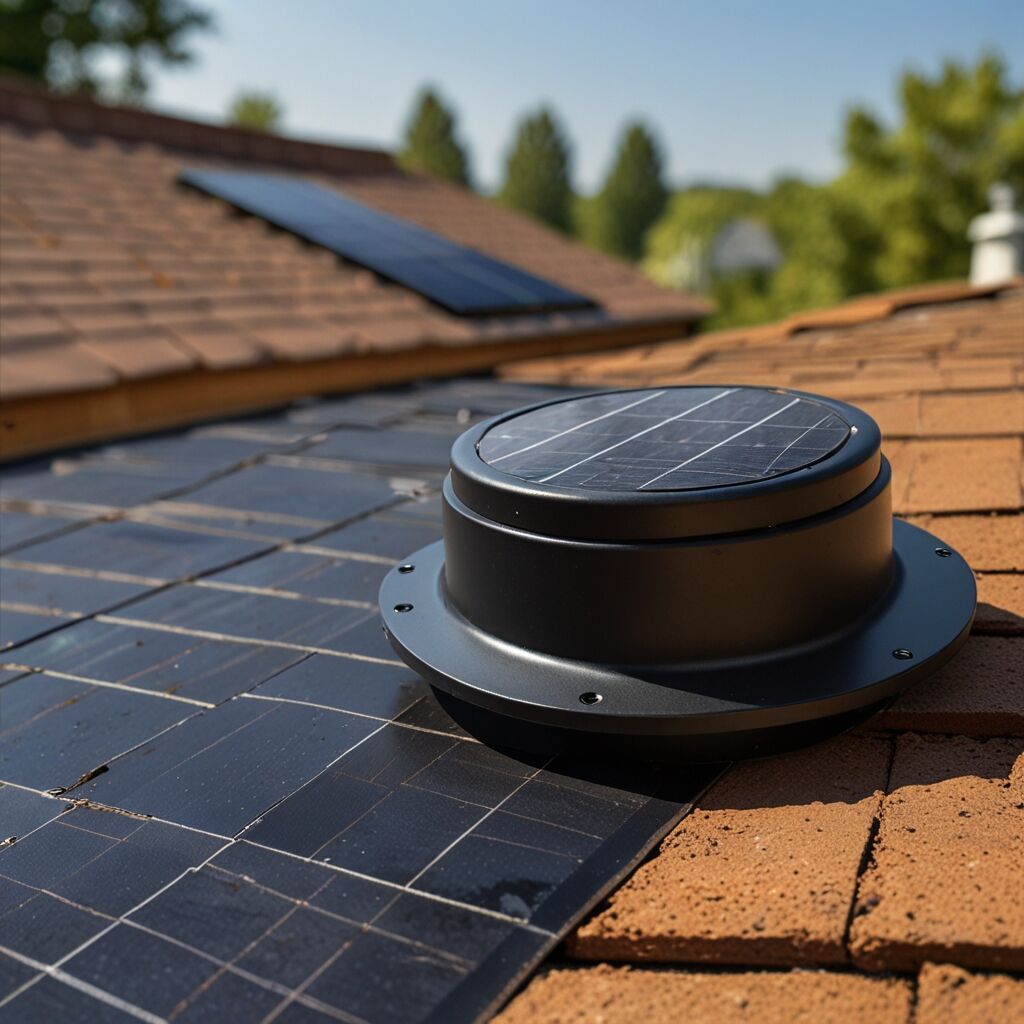
Winter maintenance of solar attic fans focuses on keeping solar panels clear of snow and ice while ensuring unobstructed airflow through the fan housing. Monthly inspection during winter months should include checking for snow accumulation on the solar panel, ice formation around the fan housing, and proper operation during sunny periods. Regular testing procedures help ensure consistent winter operation when ice dam prevention is most critical.
Essential maintenance tasks include gently removing snow from solar panels using a soft brush or broom (never use sharp tools that could damage the panel surface), clearing debris from fan intake and exhaust areas, and visually inspecting mounting hardware for winter weather damage. Some homeowners install heating elements around solar panels in extreme climates, though this is typically unnecessary for most residential applications.
Optimizing Solar Attic Fan Performance in Cold Weather
Cold weather optimization involves several strategies to maximize solar attic fan effectiveness during winter months. Installing a thermostat control allows the fan to operate only when attic temperatures exceed outdoor temperatures by a predetermined amount (typically 10-15°F), ensuring the fan doesn’t work against natural convection currents during extremely cold periods.
Additional performance enhancements include ensuring adequate intake ventilation through soffit vents (which may become blocked by snow), positioning the solar panel for maximum winter sun angle (approximately 15° steeper than summer positioning), and considering battery backup systems for continued operation during overcast periods. Understanding the advantages and limitations of different fan models helps homeowners select systems with appropriate cold-weather capabilities.
Performance Optimization Checklist
- Clean solar panels monthly to maintain maximum power generation efficiency
- Verify fan operation during sunny periods to confirm proper functionality
- Check intake vents for snow or ice blockage that reduces airflow
- Inspect wiring connections for winter weather damage or corrosion
- Monitor attic temperature differentials to ensure effective ventilation
- Clear snow from around the fan housing to prevent operational interference
- Test thermostat settings to optimize operation for current weather conditions
What Are the Cost Benefits of Solar Attic Fans?
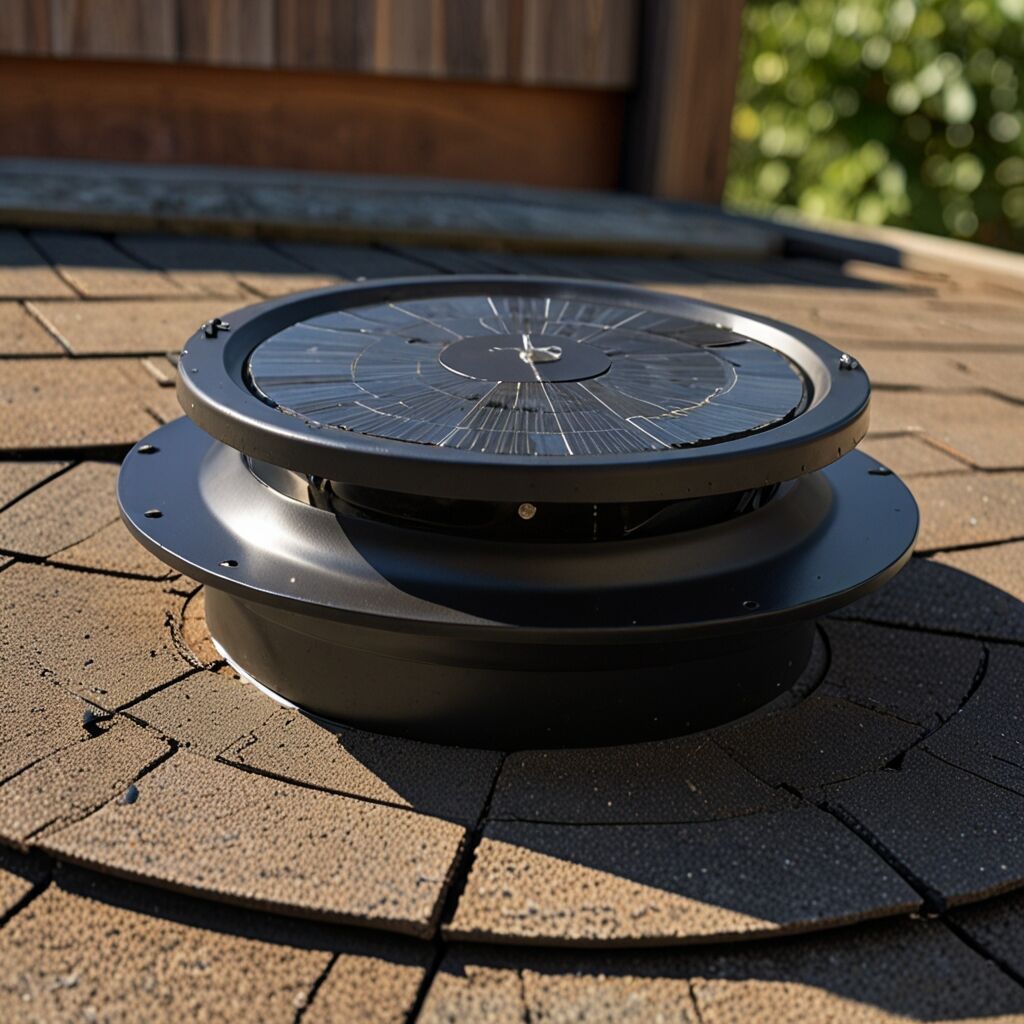
Solar attic fans provide significant cost benefits through reduced heating expenses, typically saving homeowners $200-$500 annually on energy bills. The initial investment of $150-$600 per fan usually pays for itself within 2-4 years through energy savings and ice dam damage prevention. Operating costs are minimal since the fans use free solar energy, requiring no electrical connections or ongoing utility expenses.
Beyond energy savings, solar attic fans prevent costly ice dam damage that can cost thousands in repairs. Insurance claims for ice dam damage average $5,000-$15,000, making prevention through proper ventilation a sound financial investment. The fans also extend roof life by reducing thermal stress and preventing moisture damage that can compromise structural integrity.
Selecting Cost-Effective Solar Attic Fans for Winter Use
Cost-effective solar attic fan selection involves balancing initial purchase price with long-term performance and durability. Quality fans with 10-15 year warranties typically cost $300-$600 but provide better value than cheaper models that may fail within 3-5 years. Key features to consider include cold-weather operation capability, adequate CFM rating for your attic size, and quality solar panels that maintain efficiency in winter conditions.
Budget-conscious homeowners can achieve good results with mid-range models costing $200-$400, especially when installing multiple smaller units rather than one large fan. Professional installation adds $200-$400 to the total cost but ensures proper placement and weatherproofing that maximizes long-term value. Price analysis of different models helps homeowners find the best value for their specific needs and budget.
Common Solar Attic Fan Mistakes to Avoid
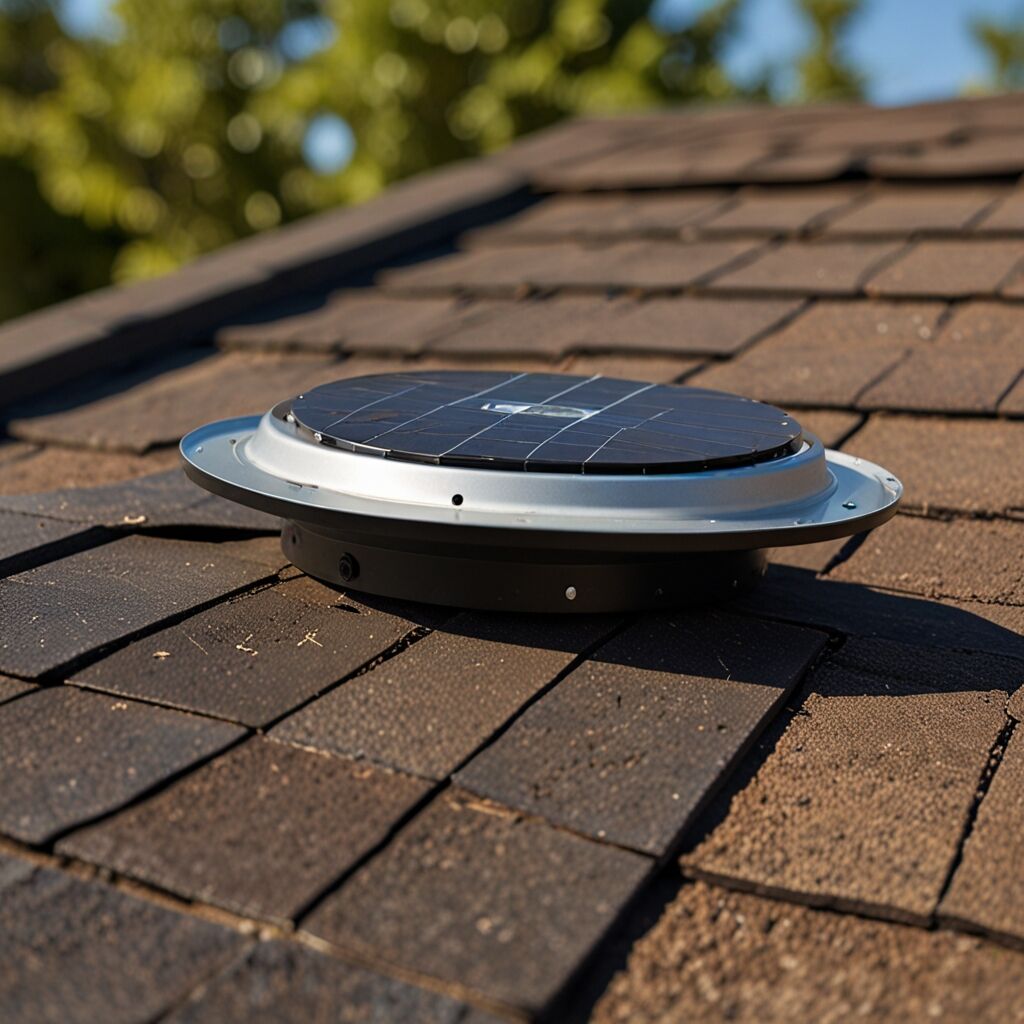
The most common mistake homeowners make with solar attic fans is inadequate sizing – selecting fans with insufficient CFM capacity for their attic space, resulting in poor ventilation and continued ice dam risk. Another frequent error is poor placement that limits solar panel sun exposure, reducing fan operation during critical winter periods when ice dam prevention is most important.
Installation mistakes include failing to provide adequate intake ventilation, mounting fans too low on the roof slope where they’re less effective, and neglecting proper weatherproofing that can lead to water leaks. Maintenance neglect, such as allowing snow to accumulate on solar panels or failing to clear debris from fan housings, significantly reduces winter performance when the fans are most needed.
Understanding Limitations of Solar Attic Fans
Solar attic fans have limitations that homeowners must understand for realistic expectations. These fans cannot overcome major insulation deficiencies or significant air leaks that create excessive heat buildup in attics. During extended overcast periods, solar fans may operate at reduced capacity, potentially allowing ice dam formation during these vulnerable times.
Alternative solutions include electric attic fans for consistent operation regardless of weather, improved insulation and air sealing to reduce heat loss, and ice dam prevention systems like heated cables along roof edges. Understanding specific use cases helps homeowners determine whether solar attic fans alone provide adequate protection or if additional measures are necessary.
Alternative Ice Dam Prevention Methods
- Electric attic fans provide consistent operation but require electrical connections and ongoing utility costs
- Improved attic insulation (R-49 to R-60) reduces heat transfer that causes ice dam formation
- Air sealing around penetrations eliminates warm air leaks into attic spaces
- Heated roof cables prevent ice formation along critical roof edges and gutters
- Ice dam prevention panels create waterproof barriers in vulnerable roof areas
- Professional energy audits identify specific heat loss sources requiring attention
- Whole-house ventilation systems provide comprehensive moisture and temperature control
When to Consult Professionals for Solar Attic Fan Installation
Professional consultation becomes necessary when homeowners experience recurring ice dam problems despite proper maintenance, complex roof designs that make DIY installation challenging, or uncertainty about appropriate fan sizing and placement. Signs that indicate professional help include multiple ice dam locations, structural damage from previous ice dam formation, or inadequate results from existing ventilation systems.
Professional services typically include comprehensive attic assessment, calculation of proper ventilation requirements, evaluation of insulation adequacy, and identification of air leak sources that contribute to ice dam formation. HVAC contractors, roofing professionals, and energy auditors can provide specialized expertise for complex ventilation challenges that exceed typical homeowner capabilities.
Signs You Need Professional Ice Dam Prevention Assessment
Homeowners should seek professional assessment when experiencing repeated ice dam formation in the same locations, evidence of water damage from previous ice dams, or unusually high heating costs that suggest major heat loss issues. Other indicators include visible ice formations inside attic spaces, frost buildup on attic surfaces, or mold growth suggesting chronic moisture problems.
Professional assessment becomes critical for homes with cathedral ceilings, complex roof designs with multiple levels or dormers, or previous ice dam damage that required insurance claims. Energy auditors can identify specific heat loss sources using thermal imaging and other diagnostic tools, while roofing contractors can evaluate structural integrity and recommend comprehensive solutions beyond simple fan installation. Final recommendations often combine multiple strategies for optimal ice dam prevention and long-term home protection.