Solar attic fan seasonal adjustments involve cleaning panels, checking positioning, and optimizing airflow settings to maximize summer cooling efficiency. These ventilation systems typically reduce attic temperatures by 15-20 degrees when properly maintained. Key adjustment steps include clearing debris from fan blades, ensuring unobstructed solar panel access, and verifying adequate intake ventilation. Most homeowners can complete these maintenance tasks in under two hours, leading to noticeable energy savings during peak summer months.
Understanding Solar Attic Fans and Their Operating Principles
Solar attic fans are ventilation devices that use photovoltaic panels to power exhaust motors, automatically removing hot air from attic spaces during daylight hours. These energy-efficient systems work by creating negative pressure that draws hot air out while pulling cooler outside air through soffit vents or gable openings. The automatic operation means the fan speed increases with solar intensity, providing more cooling power when temperatures peak. Most residential models move between 500-1,500 cubic feet of air per minute, depending on solar panel size and motor efficiency.
How Solar Ventilation Systems Improve Home Comfort
Solar-powered attic ventilation prevents heat buildup that would otherwise transfer into living spaces through ceilings and ductwork. This natural cooling process typically maintains attic temperatures 15-20 degrees lower than unventilated spaces, reducing strain on air conditioning systems. The continuous air movement also helps protect roofing materials and insulation from heat damage while preventing moisture accumulation that could lead to mold growth. During summer months, properly functioning attic fans can reduce cooling costs by improving overall home thermal efficiency.
Key Benefits of Seasonal Solar Attic Fan Adjustments
Making seasonal adjustments to solar attic fans enhances cooling performance and extends equipment lifespan significantly. These optimization steps improve indoor comfort by ensuring maximum airflow during the hottest months when cooling demands peak. Well-maintained systems typically operate 20-30% more efficiently than neglected units, translating to measurable energy savings. Regular seasonal maintenance also prevents common issues like debris accumulation and connection problems that could lead to system failure during critical summer periods.
Specific Steps for Maximizing Cooling Performance
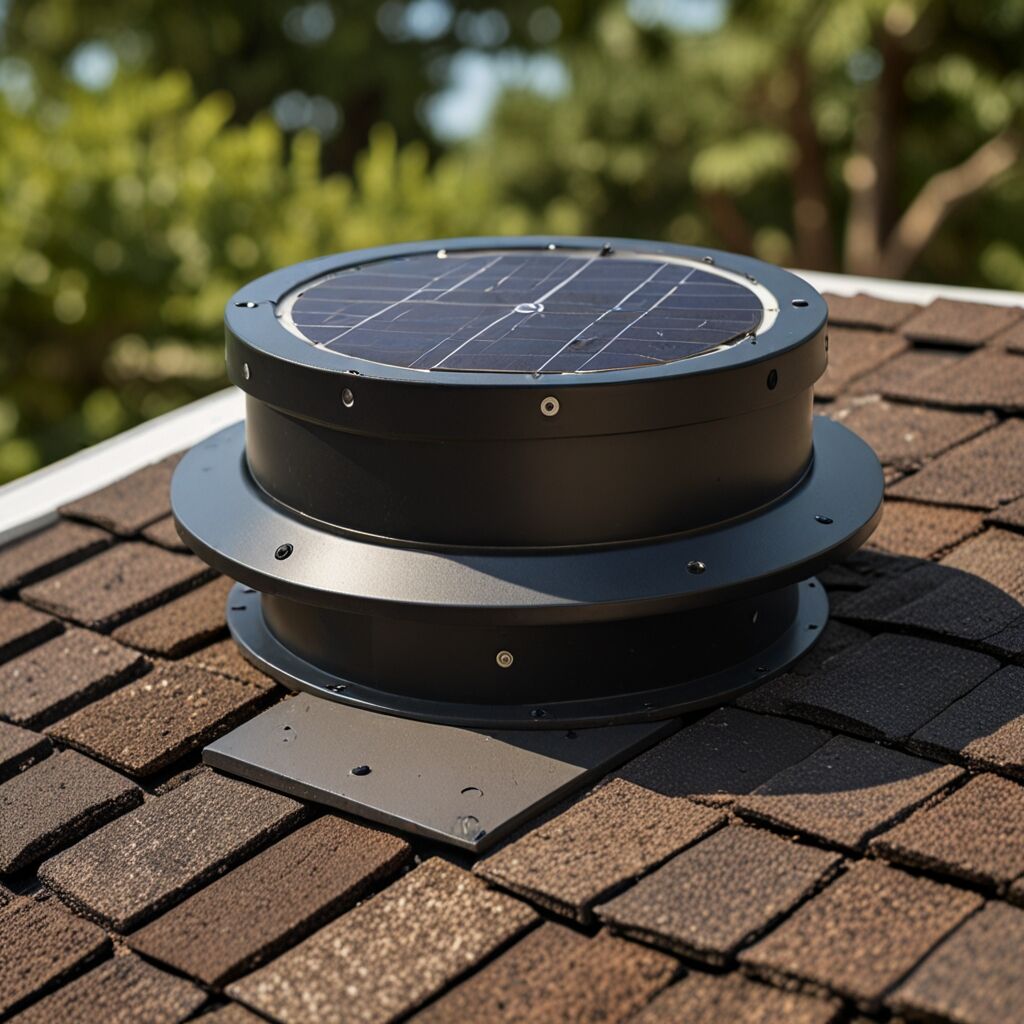
To optimize cooling efficiency, begin by thoroughly cleaning the solar panel surface using mild soap and water to remove dust, pollen, and debris that reduces power generation. Position the panel for maximum sun exposure, typically facing south with minimal shading from trees or structures. Clean fan blades and housing to eliminate obstructions that restrict airflow, then check all electrical connections for corrosion or looseness. For models with adjustable settings, increase ventilation rates during peak summer months while ensuring adequate intake ventilation through soffit or gable vents.
Step-by-Step Seasonal Adjustment Process
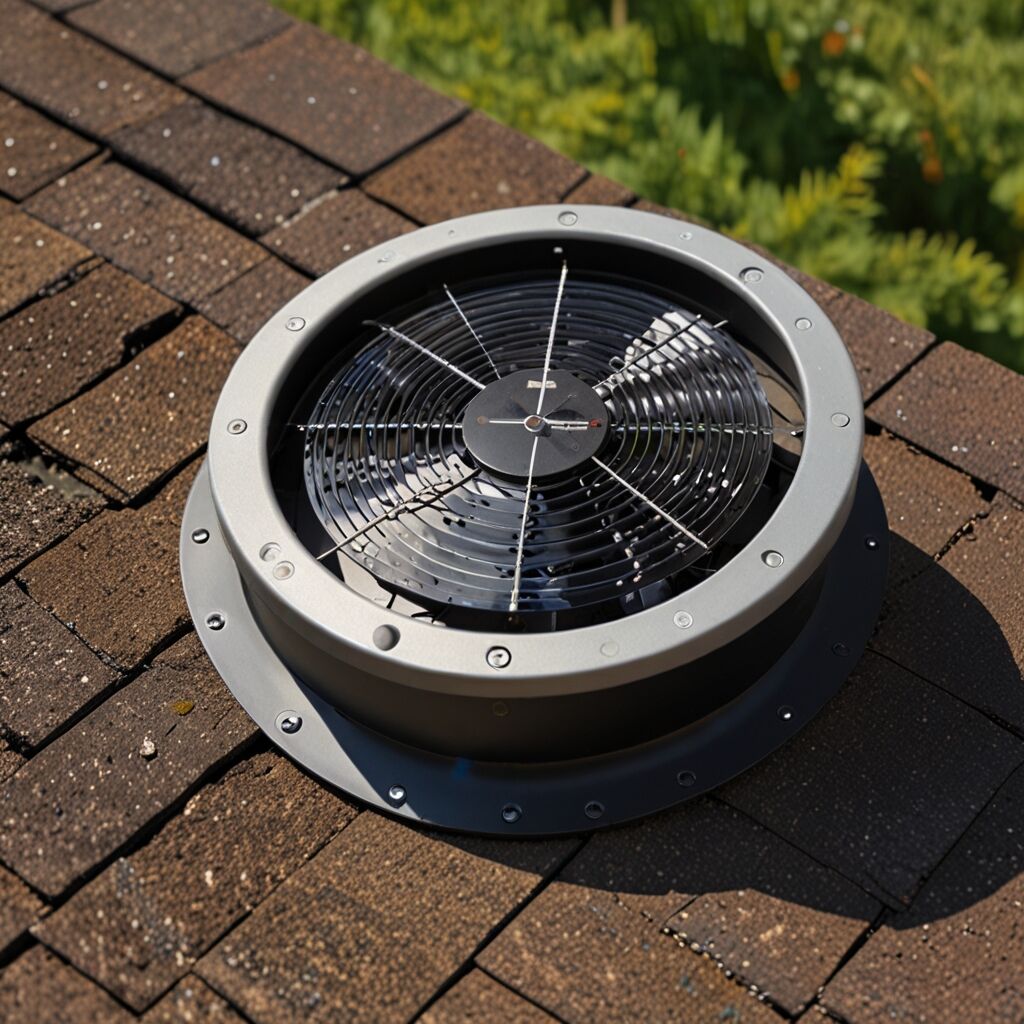
Effective seasonal adjustments for solar attic fans require systematic attention to both mechanical and electrical components. Start by disconnecting power and safely accessing the unit, then remove debris from fan blades using a soft brush or cloth. Clean the solar panel thoroughly, checking for cracks or damage that could affect performance. Inspect and tighten all mounting hardware, paying special attention to roof penetration seals that prevent water infiltration. Test fan operation during sunny conditions to verify proper speed and smooth operation without unusual noise or vibration.
Model-Specific Adjustment Considerations
Different solar attic fan models require specific adjustment approaches based on their design features and control systems. Basic models with fixed-speed operation need only cleaning and inspection, while variable-speed units may have adjustable thermostats or speed controls requiring calibration. Some advanced models include battery backup systems that need periodic testing and maintenance. Brushless motor designs typically require less maintenance than brush-type motors, but all models benefit from annual lubrication of moving parts according to manufacturer specifications.
Performance Enhancement Statistics
- Properly maintained fans typically reduce attic temperatures by 15-30°F compared to unventilated spaces.
- Clean solar panels can generate 15-25% more power than dirty panels, directly affecting fan performance.
- Regular maintenance can extend fan lifespan from 10-15 years to 15-20 years.
- Seasonal adjustments can improve cooling efficiency by 20-30% during peak summer months.
- Each degree of attic temperature reduction can decrease cooling costs by 2-5%.
- Optimal fan placement with seasonal adjustments moves 800-1,200 CFM in typical residential applications.
- Bi-annual maintenance schedules prevent 80-90% of common operational issues.
Diagnosing and Resolving Solar Attic Fan Problems
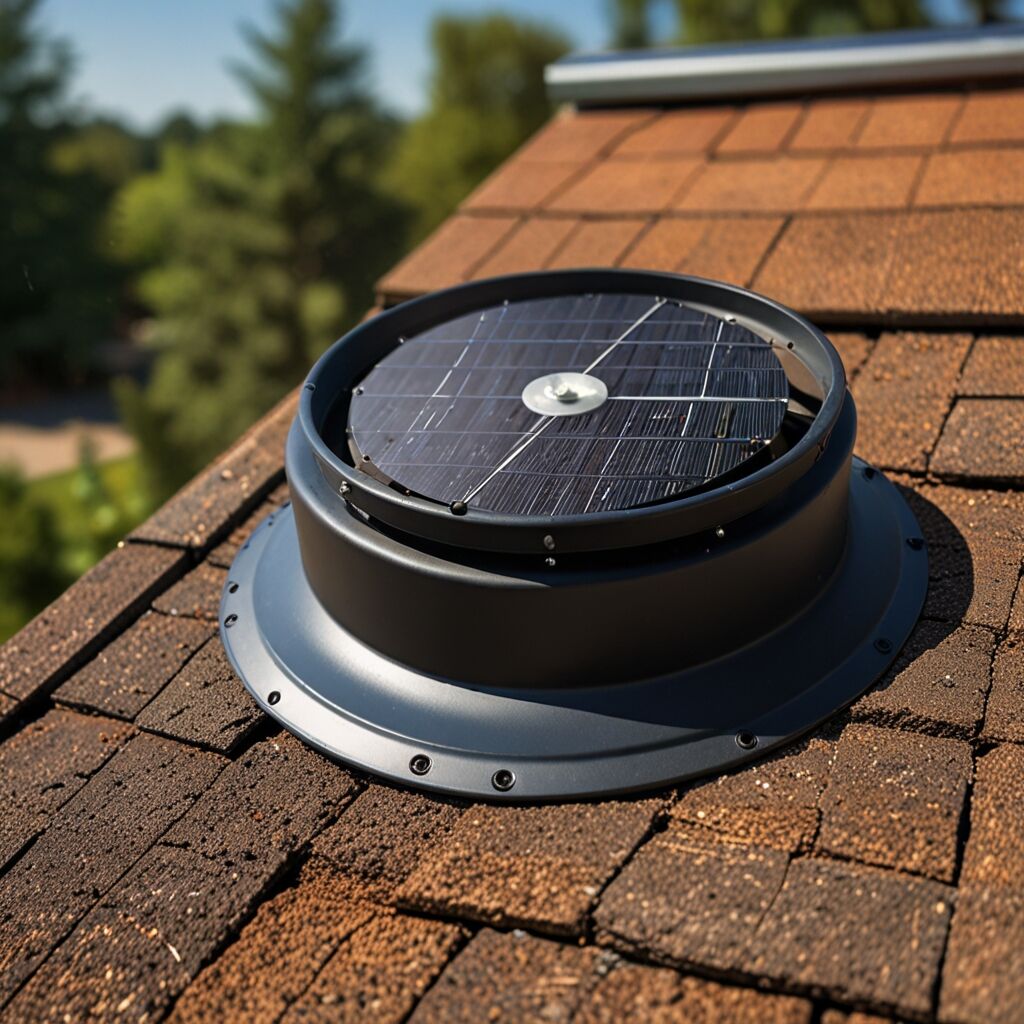
Common solar attic fan issues include reduced airflow from debris accumulation, intermittent operation due to dirty solar panels, and complete failure from electrical connection problems. Poor airflow often results from blocked intake vents or fan blade obstructions that seasonal cleaning can resolve. Non-functioning fans typically suffer from inadequate solar power generation caused by panel shading or surface contamination. Battery backup systems may fail to engage during low-light conditions if connections corrode or batteries lose capacity over time.
Preventive Maintenance Strategies
Effective preventive maintenance for solar attic fans involves quarterly inspections and bi-annual deep cleaning sessions. Check solar panel surfaces monthly during peak season, removing leaves, dust, and bird droppings that reduce power generation. Inspect fan blades for balance and damage, lubricating bearing points according to manufacturer recommendations. Monitor electrical connections for signs of corrosion, especially in humid climates where moisture can affect performance. These proactive maintenance steps prevent most common operational problems while ensuring reliable summer performance.
Optimizing Attic Insulation for Enhanced Fan Performance
Attic insulation significantly impacts solar fan efficiency by creating thermal barriers that work synergistically with mechanical ventilation. Proper insulation with R-values between R-30 and R-49 prevents conditioned air loss while allowing fans to effectively remove hot air from the attic space. The combination of adequate insulation and ventilation creates a balanced system where fans don’t work against air conditioning systems but complement them by reducing overall thermal load.
Selecting Appropriate Insulation Materials
Choosing suitable insulation materials enhances solar attic fan effectiveness while providing long-term thermal performance. Fiberglass batts offer cost-effective thermal resistance and easy installation around fan mounting points. Spray foam insulation provides superior air sealing but requires professional installation and careful planning around ventilation pathways. Cellulose insulation offers good thermal performance and eco-friendly characteristics, though it requires proper vapor barriers in humid climates. The key is maintaining clear ventilation channels while ensuring insulation doesn’t block airflow paths that fans depend on for effective operation.
Combined System Benefits
- Improved airflow reduces humidity levels, preventing mold and mildew formation in attic spaces.
- Enhanced fan efficiency provides better temperature regulation throughout the entire home.
- Reduced energy consumption typically lowers cooling costs during peak summer demand periods.
- Proper seasonal adjustments extend equipment lifespan and reduce repair frequency.
- Better indoor air quality results from improved ventilation and moisture control.
- Regular maintenance prevents costly breakdowns and ensures reliable performance when needed most.
- Optimal system performance creates more comfortable living conditions during extreme weather.
Strategic Placement and Installation Considerations
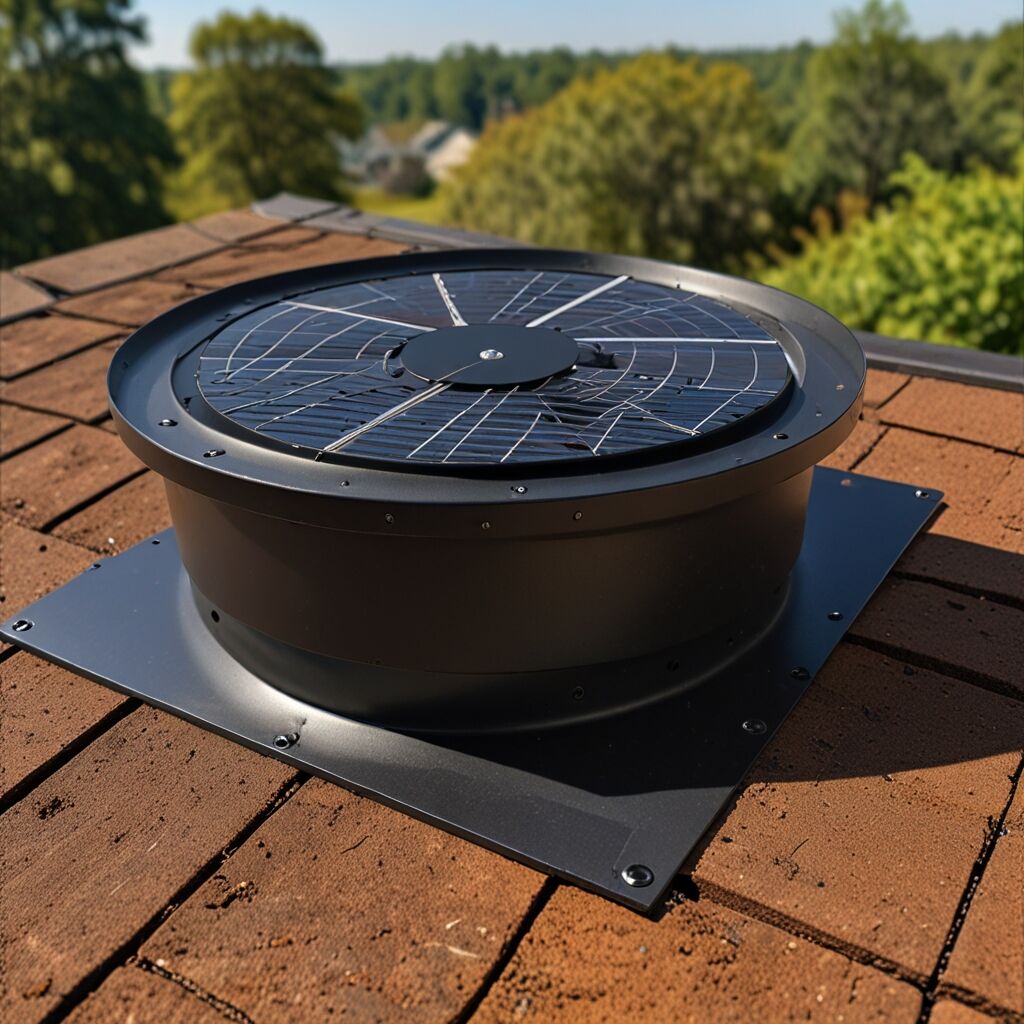
Optimal solar attic fan placement requires careful consideration of roof orientation, solar exposure, and existing ventilation patterns. The ideal location maximizes solar panel exposure while ensuring effective air movement throughout the attic space. Most installations work best on south-facing roof sections with minimal shading from trees, chimneys, or adjacent structures. Position fans at least 3 feet from the roof ridge to prevent short-circuiting airflow and ensure adequate distance from soffit vents to create proper air circulation patterns.
Environmental Factors Affecting Fan Placement
When determining optimal fan placement, consider local climate conditions, prevailing wind patterns, and seasonal sun angles that affect solar panel performance. Roof pitch influences both installation complexity and airflow dynamics, with steeper roofs typically providing better natural convection. Avoid areas where snow accumulation or ice dams might interfere with fan operation in winter months. Consider the relationship between fan location and existing attic obstacles like HVAC ducts, structural members, and stored items that could impede airflow. Professional assessment often identifies placement opportunities that maximize both solar exposure and ventilation effectiveness while minimizing installation challenges.
Year-Round Maintenance Schedule for Peak Performance
Comprehensive maintenance schedules ensure solar attic fans operate reliably throughout varying seasonal conditions. Spring preparation involves thorough cleaning and inspection after winter weather, while mid-summer checks ensure peak performance during maximum cooling demand. Fall maintenance focuses on preparing systems for reduced solar availability and potential weather-related challenges. Winter monitoring ensures continued operation during limited daylight hours and identifies any weather-related damage requiring attention.
Detailed Cleaning and Inspection Procedures
Systematic cleaning and inspection procedures maintain optimal fan performance while identifying potential issues before they cause failures. Begin by safely accessing the fan unit and photographing the installation for reference. Remove accumulated debris from fan housing and blades using appropriate tools, then clean the solar panel with mild detergent and soft cloth. Inspect all electrical connections for signs of corrosion, looseness, or damage, paying special attention to junction boxes and wire routing. Test fan operation during peak sunlight hours, listening for unusual noises or vibrations that might indicate bearing wear or blade imbalance.
Popular Solar Attic Fan Brands and Applications
- Solatube: Excellent for integrated daylighting systems, combining natural illumination with ventilation.
- Broan: Known for robust construction and reliability, suitable for demanding climate conditions.
- Quiet Cool: Features low-noise operation, ideal for installations near living spaces.
- Eco-Worthy: Offers environmentally conscious options with efficient solar panel technology.
- Air Vent: Provides user-friendly installation features, appealing to DIY homeowners.
- Attic Breeze: Delivers high-efficiency performance, particularly effective in hot, sunny climates.
- Lucid Air: Integrates smart technology features for automated monitoring and control.
Advanced Technology Integration for Enhanced Efficiency
Smart technology integration transforms basic solar attic fans into sophisticated climate control systems that optimize performance automatically. Modern home automation platforms can monitor fan operation, track energy savings, and adjust ventilation based on indoor and outdoor conditions. Smart thermostats and humidity sensors provide precise control over when fans operate, ensuring maximum efficiency while preventing unnecessary energy consumption. These systems typically reduce manual maintenance requirements while improving overall performance through data-driven optimization.
Selecting Compatible Smart Control Systems
Choosing appropriate smart devices for solar attic fan integration requires understanding compatibility requirements and performance objectives. Smart thermostats with remote sensors can trigger fan operation based on attic temperature thresholds, while humidity controllers prevent moisture-related problems. Wireless monitoring systems track fan performance and alert homeowners to maintenance needs or operational issues. Smart switches enable remote control and scheduling, allowing fans to operate during optimal solar conditions even when homeowners are away. These integrated systems provide comprehensive climate control while maintaining the energy-efficient benefits of solar-powered ventilation.