Motor oil application on solar attic fans eliminates grinding, squeaking, and rattling noises while improving operational efficiency. This maintenance involves applying lightweight synthetic oil to motor bearings every six months. Common tools needed include motor oil, droppers, screwdrivers, and safety equipment for accessing the attic fan motor compartment safely.
What Are Solar Attic Fans and How Do They Function
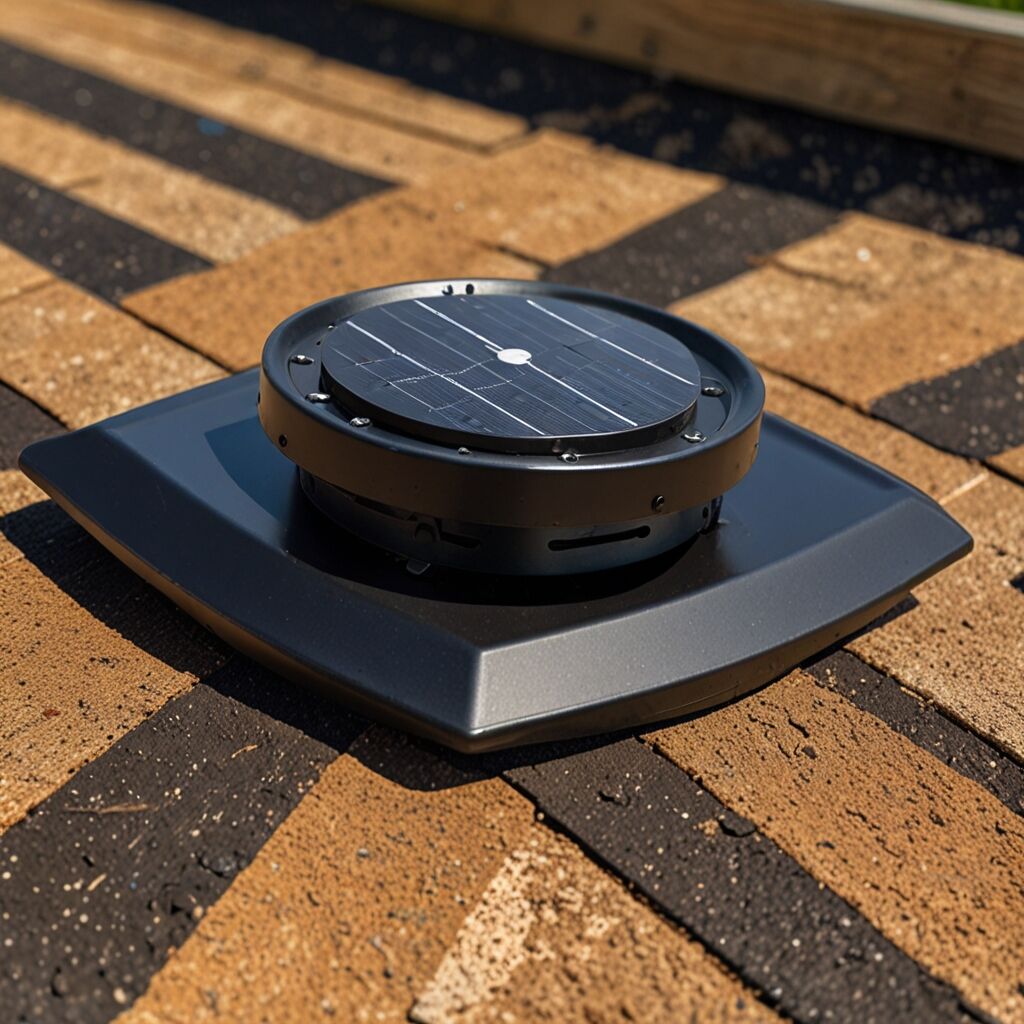
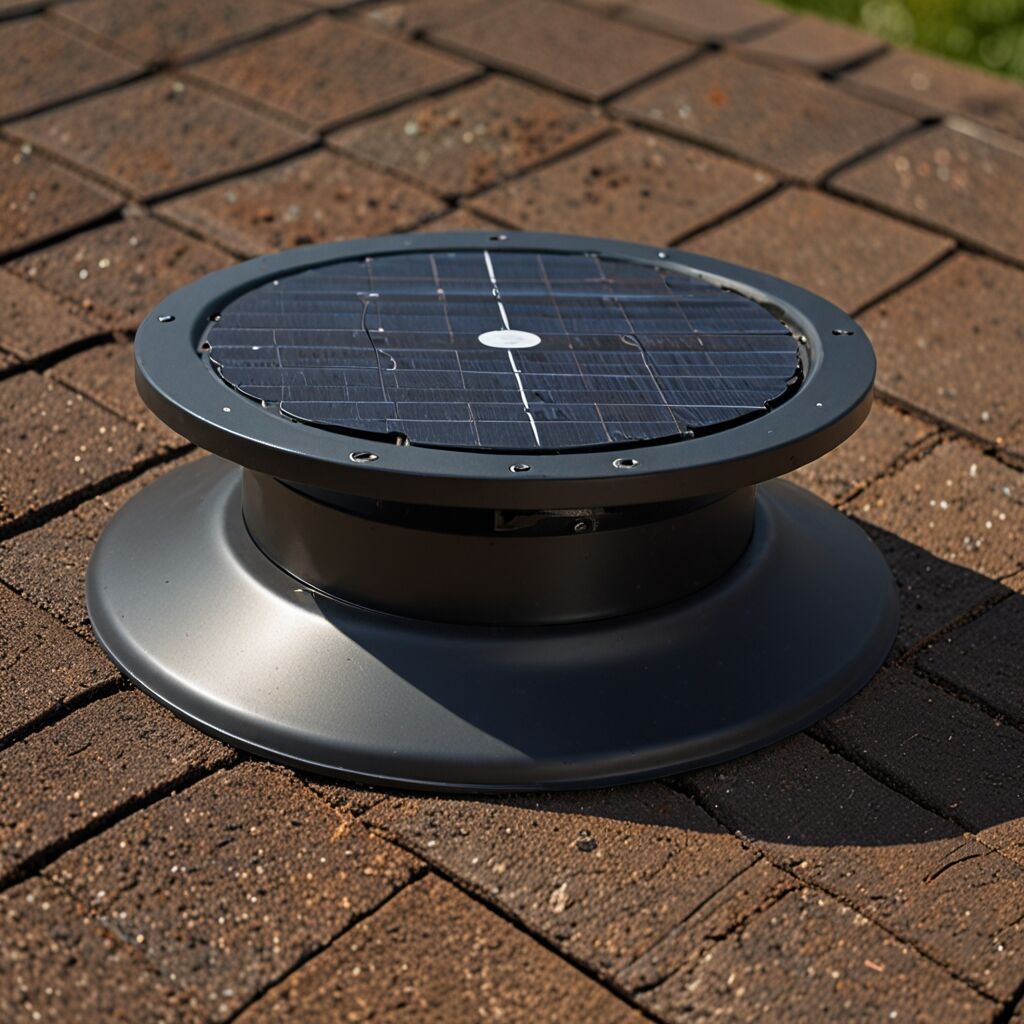
Solar attic fans are ventilation devices that remove hot air from attics using solar energy, which makes them cost-effective and environmentally friendly. These fans work by drawing heated air out through attic vents while pulling cooler air in through soffit vents, creating continuous airflow. The solar panel converts sunlight into electricity that powers a DC motor connected to fan blades, typically ranging from 10 to 30 watts depending on the model size.
The benefits of solar attic fans include reduced cooling costs, improved indoor comfort, and extended roof life through better temperature regulation. Most residential installations require one to three fans depending on attic square footage, with larger homes needing additional units for optimal air circulation. These systems operate automatically when sunlight is available, requiring no electrical connections or ongoing energy costs.
Key Components That Require Regular Maintenance
Solar attic fan components that need maintenance include the motor bearings, fan blades, solar panel surface, and mounting hardware. The motor bearings are the most critical element for noise reduction, as they support the rotating shaft and require periodic lubrication. Fan blades can accumulate dust and debris that affects balance and creates vibration, while the solar panel needs cleaning to maintain power output.
Understanding these components helps homeowners identify when maintenance is needed. Key attributes that affect maintenance frequency include motor quality, bearing type, and environmental conditions like dust exposure or extreme temperatures.
Why Motor Oil Application Is Essential for Noise Reduction
Motor oil application is essential for solar attic fan maintenance because it reduces friction between moving parts, which directly addresses the root cause of noise issues. The oil creates a protective film on bearing surfaces that prevents metal-to-metal contact, eliminating grinding and squeaking sounds that occur when bearings run dry.
Without proper lubrication, bearings experience increased wear, leading to noise levels that can exceed 50 decibels compared to properly maintained fans that operate at 25-35 decibels. This noise reduction makes a significant difference in home comfort, especially for bedrooms located near attic areas. Regular oil application also prevents bearing failure, which is the most common cause of solar attic fan replacement.
Types of Motor Oil Recommended for Solar Attic Fans
The best motor oils for solar attic fans are lightweight synthetic oils or lithium-based greases specifically designed for electric motor applications. Synthetic oils perform better in temperature extremes and resist dust accumulation compared to conventional petroleum-based oils. Look for oils labeled as “electric motor oil” or “bearing oil” with viscosity ratings between 10W and 30W.
Avoid using automotive motor oil or heavy greases that can attract debris and impede motor function. Quality motor oils for this application typically cost between $8-15 per bottle and provide enough product for multiple years of maintenance. Comparing different maintenance approaches shows that proper lubrication consistently outperforms simple cleaning for noise reduction.
Complete Step-by-Step Motor Oil Application Process
To apply motor oil correctly, start by turning off the fan and allowing it to cool for at least 30 minutes. Access the motor compartment by removing the protective cover, which typically involves unscrewing 2-4 screws around the housing perimeter. Locate the motor bearings, usually found where the shaft enters the motor housing.
Apply 2-3 drops of motor oil directly onto each bearing using a small dropper or oil applicator bottle. Avoid over-lubricating, as excess oil can attract dust and create additional problems. After application, manually rotate the fan blades several times to distribute the oil evenly throughout the bearing surfaces.
Safety Precautions and Required Tools
Safety precautions for motor oil application include wearing safety glasses, using stable ladder placement, and ensuring the fan is completely stopped before beginning work. Required tools include a screwdriver set, motor oil, dropper or small funnel, clean rags, and work gloves to prevent oil contact with skin.
Working in attic spaces requires additional safety measures such as proper lighting, avoiding stepping on insulation or ceiling joists, and working during cooler parts of the day to prevent heat exhaustion. Keep tools organized in a small container to prevent dropping items through ceiling openings.
Essential Maintenance Tools and Materials List
- Lightweight synthetic motor oil (10W-30 viscosity recommended)
- Small dropper bottle or precision oil applicator
- Phillips head and flathead screwdrivers
- Clean cotton rags for cleanup
- Work gloves and safety glasses
- Flashlight or headlamp for adequate lighting
- Small container for organizing screws and small parts
How to Identify When Your Solar Attic Fan Needs Oil
Signs that your solar attic fan needs oil application include grinding noises, squeaking sounds, irregular blade rotation, and reduced airflow output. These symptoms typically develop gradually as bearing lubrication degrades over time, usually appearing 6-12 months after the last maintenance session.
Visual inspection can also reveal maintenance needs through bearing discoloration, rust formation around motor housing, or excessive dust accumulation on moving parts. If the fan blades appear to wobble or vibrate excessively during operation, this often indicates bearing wear that requires immediate attention.
Noise Patterns That Indicate Specific Problems
Different noise patterns indicate specific maintenance needs in solar attic fans. Grinding noises typically signal dry bearings that need immediate lubrication, while high-pitched squeaking suggests partial bearing failure or contamination. Rattling sounds often indicate loose mounting hardware rather than lubrication issues.
Intermittent clicking or ticking noises usually point to blade damage or debris caught in the fan housing. Understanding these patterns helps homeowners prioritize maintenance tasks and avoid unnecessary repairs. Professional testing methods can help verify the source of unusual sounds when diagnosis is unclear.
Common Noise Issues and Their Solutions
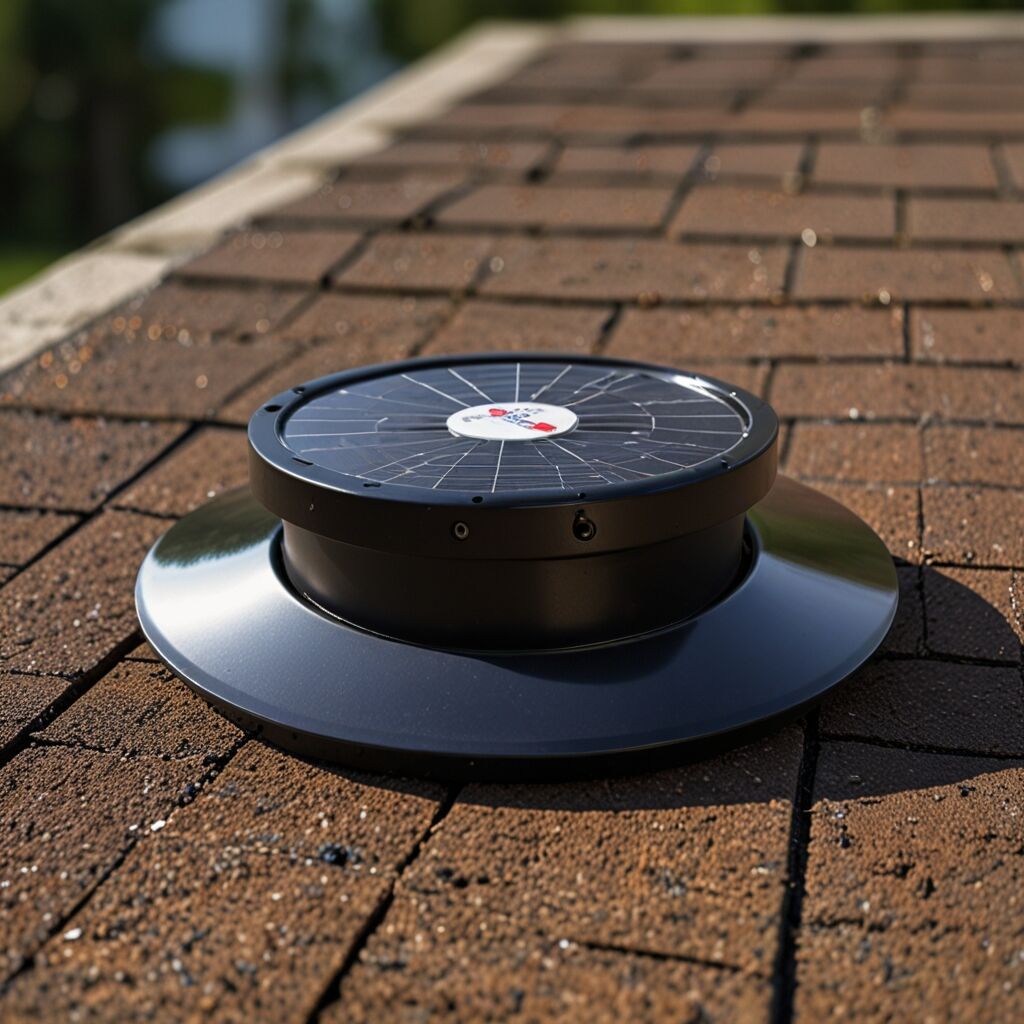
Common noise problems in solar attic fans include bearing noise, blade imbalance, mounting vibration, and debris interference. Bearing noise accounts for approximately 70% of sound complaints and responds well to proper lubrication techniques. Blade imbalance often develops when dust accumulation creates uneven weight distribution on fan blades.
Mounting vibration occurs when hardware loosens over time, allowing the entire fan assembly to shake against the roof structure. This problem requires tightening mounting bolts and checking that all brackets remain securely attached. Debris interference happens when leaves, small animals, or other objects enter the fan housing and contact moving parts.
Troubleshooting Guide for Persistent Noise Problems
When oil application doesn’t resolve noise issues, check for blade damage, motor wear, or structural problems with the mounting system. Damaged blades often require replacement rather than maintenance, while worn motors may need professional service or complete unit replacement.
Structural mounting issues can amplify normal operating sounds, making properly functioning fans seem excessively noisy. Inspect roof penetration sealing, flashing condition, and mounting bracket tightness to eliminate vibration transmission to the house structure.
Troubleshooting Checklist for Noise Problems
- Apply motor oil and test for 24-48 hours to assess improvement
- Check fan blade balance and clean accumulated debris
- Inspect mounting hardware for loose bolts or brackets
- Verify proper clearance between blades and housing
- Examine motor housing for cracks or damage
- Test fan operation at different times of day for consistency
- Consider professional evaluation if problems persist after maintenance
Optimal Maintenance Schedule and Timing
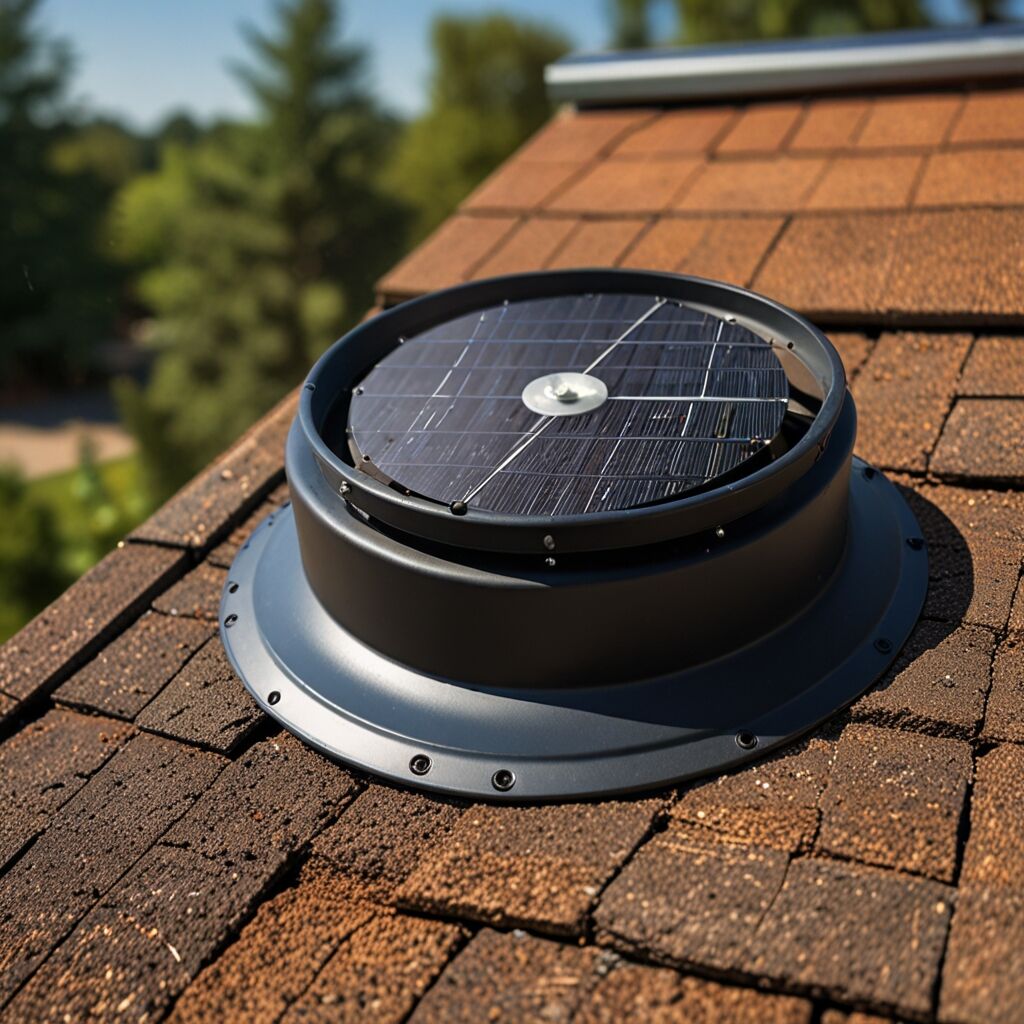
The optimal frequency for motor oil application is every six months, typically scheduled for spring and fall when seasonal weather changes occur. This timing coincides with other home maintenance activities and ensures the fan operates efficiently during peak summer and winter months when temperature extremes place additional stress on mechanical components.
Factors that may require more frequent maintenance include dusty environments, coastal salt exposure, extreme temperature variations, and heavy usage patterns. Fans operating in these conditions may need oil application every 3-4 months to maintain optimal performance and noise levels.
Seasonal Maintenance Considerations
Spring maintenance should focus on cleaning accumulated winter debris and preparing the fan for increased summer operation. This includes checking solar panel cleanliness, inspecting mounting hardware after winter weather, and applying fresh bearing lubrication before heavy usage begins.
Fall maintenance prepares the system for reduced operation and potential weather exposure during winter months. Tasks include final cleaning, comprehensive lubrication, and securing any loose components that could be affected by winter storms or temperature fluctuations.
Comprehensive Solar Attic Fan Maintenance Program
A complete maintenance program for solar attic fans includes oil application, cleaning, inspection, and preventive measures that extend equipment life and maintain efficiency. Monthly visual inspections help identify developing problems before they cause damage, while semi-annual maintenance sessions address lubrication and cleaning needs.
Documentation of maintenance activities helps track performance patterns and plan replacement schedules. Most quality solar attic fans operate effectively for 10-15 years with proper maintenance, compared to 5-8 years for neglected units. This difference represents significant cost savings and improved home comfort over time.
Advanced Maintenance Techniques for Optimal Performance
Advanced maintenance techniques include motor current monitoring, vibration analysis, and thermal imaging to detect developing problems before they cause noise or failure. These methods are particularly valuable for multiple-fan installations where individual unit problems can affect overall ventilation performance.
Professional maintenance services can provide these advanced diagnostics along with specialized tools and replacement parts. Understanding warranty coverage helps determine when professional service is cost-effective compared to DIY maintenance approaches.
Maintenance Benefits and Performance Improvements
- Noise reduction of 40-60% compared to unmaintained fans
- Extended equipment lifespan by 50-100% with regular care
- Improved energy efficiency through reduced friction losses
- Prevention of costly motor replacement or complete unit failure
- Better home comfort through consistent ventilation performance
- Maintained warranty coverage when following manufacturer guidelines
- Increased property value through well-maintained home systems
Long-Term Value of Consistent Solar Attic Fan Care
Consistent solar attic fan maintenance provides long-term benefits including reduced energy costs, improved indoor air quality, and protection of roofing materials from heat damage. Well-maintained fans operate at peak efficiency, removing more hot air with less energy consumption and reducing the load on air conditioning systems.
The cost of regular maintenance typically ranges from $20-40 annually for materials and time, compared to $200-600 for fan replacement or professional repair services. This represents excellent return on investment while ensuring reliable home ventilation throughout the fan’s operational life.
Economic and Environmental Benefits
Economic benefits of proper maintenance include lower cooling costs, reduced repair expenses, and extended equipment life that delays replacement costs. Environmental benefits include improved energy efficiency, reduced waste from premature equipment failure, and continued use of clean solar energy for home ventilation.
Homeowners who maintain their solar attic fans properly report higher satisfaction with their investment and greater confidence in renewable energy systems. This positive experience often leads to additional solar installations and recommendations to others, supporting broader adoption of sustainable home technologies.