Insulation clearance for solar attic fans is the strategic spacing between insulation materials and fan units, typically requiring 2-4 inches for optimal airflow. This clearance enhances attic ventilation by preventing insulation from blocking air intake and exhaust paths, which improves cooling efficiency and reduces energy costs. Proper clearance allows solar attic fans to move air freely, creating continuous ventilation that can lower attic temperatures by up to 30°F during peak summer conditions.
Understanding Solar Attic Fans and Their Importance
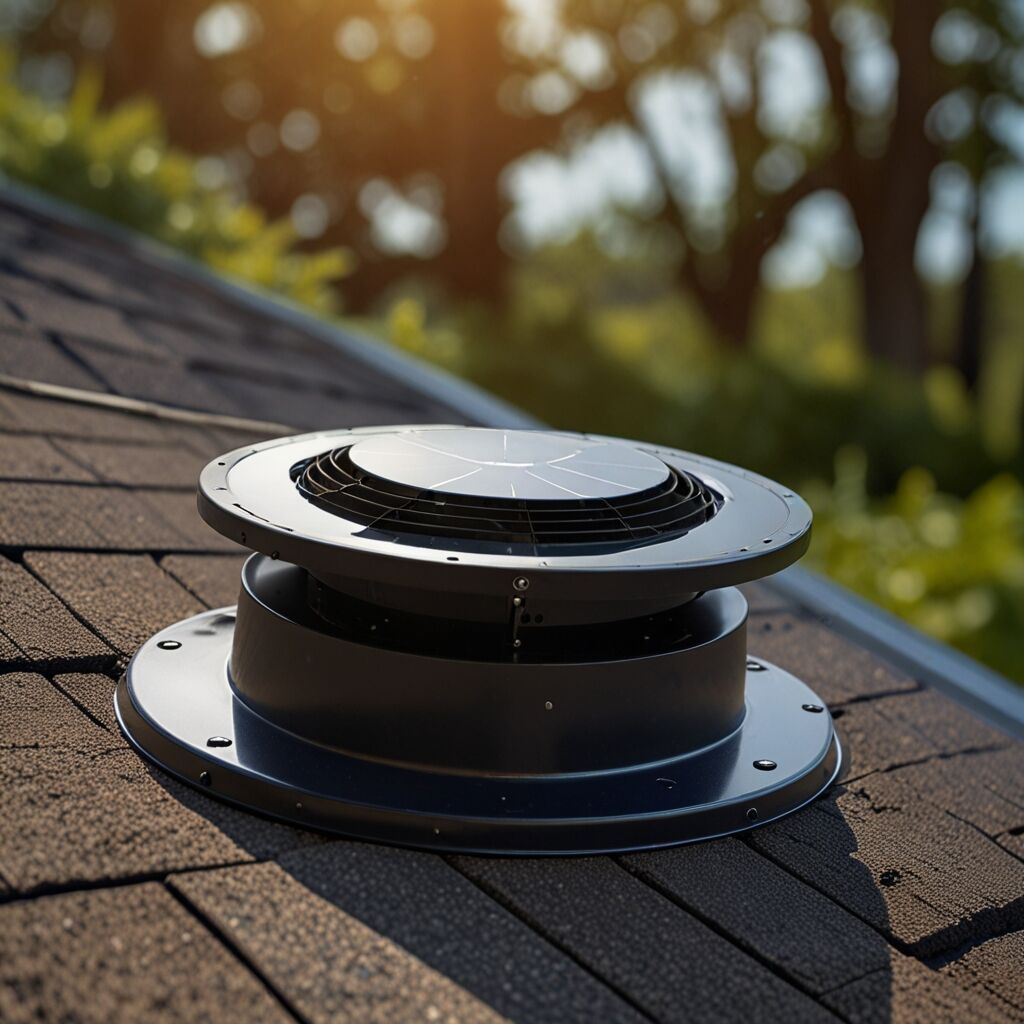
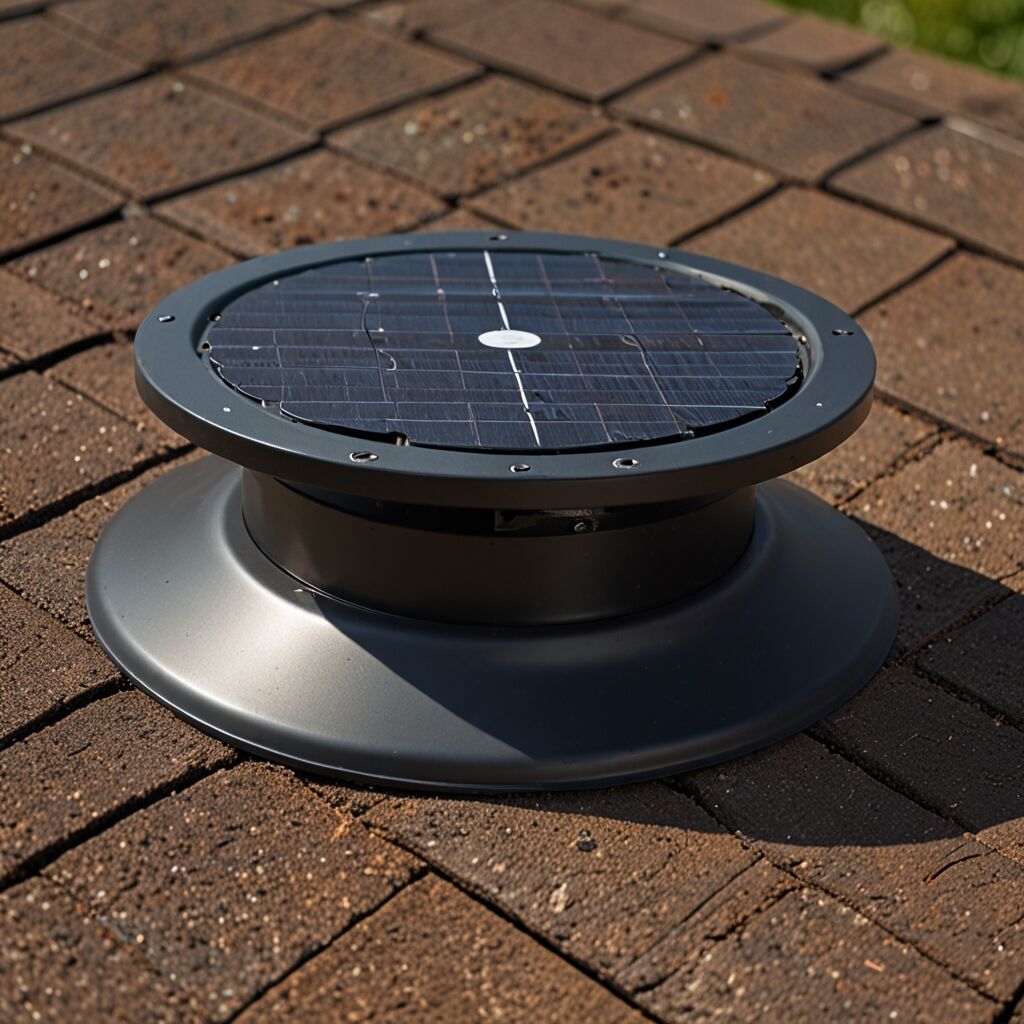
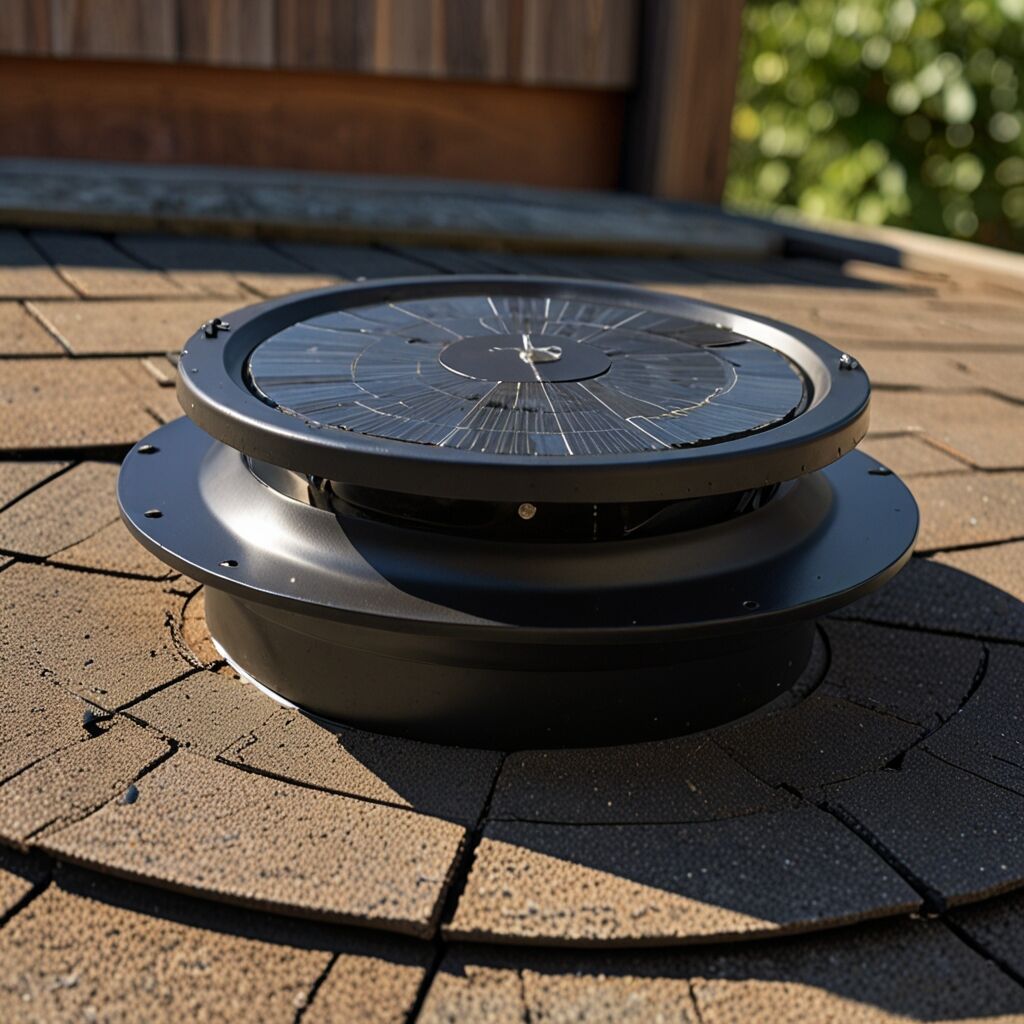
Solar attic fans are powered by solar energy and work by converting sunlight into electricity to operate ventilation motors. They enhance attic ventilation by creating continuous airflow that removes hot, stagnant air and draws in cooler outside air through soffit vents. With efficient airflow, these fans help reduce indoor temperatures by preventing heat transfer from superheated attics into living spaces below. This results in improved home comfort during warmer months when attic temperatures can exceed 150°F.
The fans operate silently using brushless DC motors and do not increase electricity costs since they run entirely on solar power. By maintaining optimal attic temperatures between 80-100°F instead of allowing buildup to 140-160°F, solar attic fans contribute to energy efficiency by preventing HVAC systems from overworking. Their installation can lead to more comfortable living spaces and energy savings of 10-20% on cooling costs during hot months.
How Solar Attic Fans Work with Insulation Systems
Solar attic fans enhance ventilation by creating a balanced airflow system that works in conjunction with existing insulation. During hot days, they pull excess heat out of the attic while insulation prevents that heat from entering living spaces. This dual approach is especially beneficial in warmer climates where outdoor temperatures consistently exceed 85°F.
The efficiency of this system depends heavily on proper insulation clearance, which allows fans to access airflow without obstruction. When insulation blocks fan intake areas, the system loses up to 40% of its effectiveness. Proper placement and sizing of the fans, combined with adequate clearance, maximize performance and can result in attic temperature reductions of 20-30 degrees Fahrenheit.
Understanding Insulation Clearance Requirements
Insulation clearance refers to the specific distance that must be maintained between insulation materials and solar attic fan components to ensure unobstructed airflow. This clearance is critical because compressed or misplaced insulation can block air intake and exhaust paths, significantly reducing fan effectiveness and ventilation performance.
Different insulation types require varying clearance distances due to their physical properties and installation methods. Fiberglass batts need approximately 3 inches of clearance because they can compress under their own weight and expand over time. Spray foam insulation typically requires only 2 inches since it maintains its shape and creates sealed barriers. Cellulose insulation, being a loose-fill material, needs about 4 inches of clearance to prevent settling into fan pathways.
Recommended Clearance Distances by Insulation Type
Fiberglass batt insulation requires a minimum clearance of 3 inches around solar attic fans because these materials can compress and shift over time, potentially blocking airflow paths. The batts should be carefully cut and fitted to maintain this distance, with special attention to areas directly above and beside fan units.
Spray foam insulation offers more flexibility with clearance requirements, typically needing only 2 inches due to its rigid structure once cured. This insulation type can be precisely applied to create custom clearance zones without risk of settling or compression. However, professional installation is recommended to achieve optimal results and ensure proper testing procedures are followed.
Cellulose insulation, made from recycled paper materials, requires the largest clearance distance of approximately 4 inches. This loose-fill insulation can settle significantly over time and may migrate toward fan openings if not properly contained. Installing baffles or retaining barriers helps maintain consistent clearance and prevents insulation from interfering with fan operation.
The Impact of Insulation Clearance on Airflow Efficiency
Proper insulation clearance plays a crucial role in enhancing airflow efficiency around solar attic fans by creating unobstructed pathways for air movement. When clearance is inadequate, insulation materials can reduce airflow capacity by 30-50%, forcing fans to work harder while achieving less cooling effect.
Adequate clearance allows solar attic fans to operate at their designed capacity, typically moving 500-1500 cubic feet of air per minute depending on the fan size and solar panel wattage. This unrestricted airflow creates the convection currents necessary for effective heat removal and prevents the formation of hot spots in attic spaces.
The relationship between clearance and efficiency is exponential rather than linear. A reduction from 4 inches to 2 inches of clearance might decrease efficiency by only 15%, but reducing clearance to just 1 inch can cut efficiency by 40% or more. This dramatic impact occurs because airflow follows the laws of fluid dynamics, where small restrictions create disproportionately large pressure drops.
Measuring and Maintaining Optimal Clearance
Measuring insulation clearance requires careful attention to three-dimensional spacing around fan units. The clearance zone should extend in all directions from fan intake and exhaust openings, creating a cylinder or cone-shaped clear space that allows air to flow freely without turbulence or restriction.
Professional installation typically involves using templates or guides to mark clearance zones before insulation installation. DIY installers can use measuring tapes and chalk lines to mark these areas, ensuring that insulation edges remain outside the required clearance distances. Regular inspections should verify that settling or shifting hasn’t compromised these clearances over time.
Key Clearance Benefits and Performance Metrics
- Proper clearance can improve fan efficiency by up to 40% compared to restricted installations.
- Adequate spacing prevents insulation compression that reduces R-value effectiveness.
- Clear airflow paths reduce fan motor strain and extend equipment lifespan.
- Optimal clearance maintains consistent ventilation performance across varying weather conditions.
- Well-planned clearance zones prevent moisture accumulation and related insulation problems.
- Professional clearance installation typically adds 1-2 hours to total project time.
- Clearance maintenance checks should be performed annually to ensure continued effectiveness.
Installation Best Practices for Insulation Clearance
Installing proper insulation clearance requires careful planning before any insulation work begins. Start by marking fan locations and measuring the required clearance zones using manufacturer specifications, which typically range from 2-4 inches depending on insulation type and fan model. These clearance zones should be clearly marked with spray paint or stakes to prevent accidental coverage during insulation installation.
Professional installers often use specialized tools like clearance templates or adjustable guides to ensure consistent spacing throughout the installation process. For DIY projects, homeowners can create simple guides using cardboard or plywood cut to the required clearance dimensions. The key is maintaining these distances consistently, as even small violations can significantly impact performance.
Common Installation Mistakes and How to Avoid Them
Insulation clearance mistakes often occur when installers focus solely on achieving target R-values without considering ventilation requirements. The most common error is allowing insulation to encroach into clearance zones, typically happening with blown-in materials that can drift during installation.
Another frequent mistake involves inadequate clearance measurement, where installers measure only horizontal distances while ignoring vertical clearance requirements. Solar attic fans need clearance above and below their mounting points to function effectively. Professional installation helps avoid these issues by following systematic clearance protocols and using proper measurement techniques.
Signs That Insulation Clearance Needs Improvement
Homeowners should look for certain signs indicating that insulation clearance around solar attic fans needs attention. Common indicators include reduced fan performance during hot weather, with attic temperatures remaining high despite fan operation. If your attic temperature exceeds 120°F on days when outdoor temperatures are below 90°F, inadequate clearance may be restricting airflow.
Other warning signs include unusual fan noise, which can occur when restricted airflow forces the motor to work harder, creating vibration and operational stress. Visual inspection may reveal insulation that has shifted into fan areas, compressed around fan housings, or settled unevenly across the attic floor. These conditions suggest that clearance restoration will enhance ventilation performance significantly.
Diagnostic Steps for Clearance Assessment
Assessing insulation clearance involves systematic inspection of all areas around solar attic fan installations. Begin by measuring actual clearance distances using a tape measure or ruler, comparing these measurements to manufacturer specifications. Check for signs of insulation compression, settling, or migration toward fan units.
Temperature monitoring provides valuable diagnostic information about clearance effectiveness. Use a digital thermometer to measure attic temperatures at various locations, particularly near fan units. Significant temperature variations may indicate airflow restrictions caused by inadequate clearance. Professional clearance assessment can identify problems that might not be visible during casual inspection.
Performance Indicators for Proper Clearance
- Consistent attic temperatures within 10-15°F of outdoor temperatures during fan operation.
- Smooth, quiet fan operation without unusual vibration or noise.
- Visible airflow movement around fan units when observed during operation.
- Uniform insulation placement that maintains specified clearance distances.
- No signs of moisture accumulation or condensation around fan areas.
- Energy bills that reflect expected cooling cost reductions during summer months.
- Fan motor performance that matches manufacturer specifications for airflow volume.
Calculating Clearance Requirements for Different Fan Sizes
Calculating proper insulation clearance requires understanding the relationship between fan size, airflow capacity, and clearance volume. Larger fans with higher CFM (cubic feet per minute) ratings typically require proportionally larger clearance zones to accommodate increased air movement. A 20-watt solar fan moving 1200 CFM needs more clearance than a 10-watt unit moving 600 CFM.
The general rule for clearance calculation involves creating a cylindrical clear zone with radius equal to 1.5 times the fan diameter, extending vertically from the attic floor to the roof deck. For most residential solar attic fans with 12-14 inch diameters, this translates to clearance zones of 18-21 inches in radius. However, manufacturer specifications should always take precedence over general guidelines.
Clearance Optimization for Maximum Efficiency
Optimizing insulation clearance involves balancing ventilation needs with insulation coverage to achieve maximum energy efficiency. The goal is maintaining adequate clearance while preserving as much insulation coverage as possible in non-critical areas. This optimization typically involves careful planning during solar attic fan installation to minimize clearance impact on overall insulation performance.
Advanced clearance optimization may include using different insulation types in clearance zones versus general attic areas. For example, rigid foam boards can provide insulation value while maintaining precise clearance boundaries, while blown-in materials cover the remaining attic space for cost-effective thermal protection.
Who Benefits Most from Proper Insulation Clearance
Homeowners in hot climates gain the most significant benefits from proper insulation clearance around solar attic fans. Families living in regions where summer temperatures regularly exceed 85°F see substantial improvements in indoor comfort and energy efficiency. These homeowners often experience cooling cost reductions of 15-25% when clearance optimization is combined with adequate insulation coverage.
Properties with large attic spaces, complex roof designs, or existing ventilation challenges particularly benefit from clearance optimization. Single-family homes, townhouses, and ranch-style buildings with extensive attic areas see the most dramatic temperature improvements. Eco-conscious homeowners appreciate the enhanced performance of their solar ventilation systems, while budget-conscious families enjoy reduced energy bills during peak cooling months.
Cost-Benefit Analysis of Clearance Improvement
The cost-benefit analysis of insulation clearance improvement typically shows positive returns within 2-3 years through reduced cooling costs. Initial investment for clearance optimization ranges from $200-800 depending on attic size and complexity. This investment includes potential insulation adjustment, clearance measurement, and minor modifications to existing installations.
Annual savings from proper clearance can range from $100-400 per year in hot climates, depending on home size and local utility rates. Additional benefits include extended fan lifespan, reduced HVAC system wear, and improved indoor air quality. These factors contribute to overall home value and occupant comfort beyond simple energy cost savings.
Regional and Property-Specific Benefits
- Desert climates: Clearance optimization can reduce peak attic temperatures by 40-50°F.
- Humid regions: Proper clearance prevents moisture-related insulation problems.
- Multi-story homes: Enhanced clearance improves cooling efficiency for upper floors.
- Older homes: Clearance improvement can modernize existing ventilation systems cost-effectively.
- Energy-efficient homes: Optimization maximizes performance of integrated solar and insulation systems.
- Vacation properties: Proper clearance maintains comfortable conditions with minimal energy use.
- Rental properties: Clearance optimization reduces tenant utility costs and improves satisfaction.
Maintaining Optimal Insulation Clearance Over Time
Maintaining optimal insulation clearance requires regular inspection and adjustment to ensure continued performance. Schedule clearance inspections every 6-12 months to check for insulation settling, shifting, or compression that might compromise clearance zones. Look for signs of insulation migration toward fan units, particularly with loose-fill materials that can drift over time.
Seasonal maintenance should include clearance verification before peak cooling months, typically in late spring when solar attic fans begin operating at maximum capacity. During these inspections, measure actual clearance distances and compare them to original specifications. Address any clearance reductions immediately to maintain optimal fan performance throughout the summer season.
Long-term Clearance Preservation Strategies
Long-term clearance preservation involves implementing systems that prevent insulation encroachment while maintaining thermal performance. Installing permanent barriers or guides around fan units helps maintain consistent clearance even as insulation settles or shifts over time. These barriers can be made from rigid materials like plastic or metal that won’t degrade in attic conditions.
Documentation of original clearance measurements and installation details helps future maintenance efforts by providing reference points for inspection and adjustment. Professional maintenance services can ensure clearance optimization remains effective over the system’s 20-25 year lifespan. Regular professional assessment also identifies potential improvements or upgrades that could enhance overall system performance.
Advanced maintenance strategies include monitoring system performance through temperature logging or energy usage tracking. These data points help identify clearance degradation before it becomes visually apparent, allowing for proactive maintenance that preserves optimal efficiency. Consider professional assessment every 3-5 years to ensure clearance standards meet evolving efficiency expectations and building code requirements.