Solar attic fan airflow testing determines proper unit size by measuring CFM output and calculating requirements based on attic square footage. Effective testing involves using anemometers to measure actual airflow, typically requiring 1 CFM per square foot of attic space. Professional assessment includes checking fan placement, solar panel efficiency, and ventilation balance to ensure optimal performance for your specific home conditions.
Understanding Solar Attic Fan Fundamentals
Solar attic fans are motorized ventilation devices that use photovoltaic panels to power exhaust fans, removing hot air from attic spaces automatically. These units work by converting sunlight into electrical energy, which operates a fan motor that pulls heated air out through roof-mounted vents. The primary benefits include reduced attic temperatures (often 20-30 degrees cooler), decreased cooling costs, and protection of roofing materials from heat damage. Solar powered ventilation systems operate most efficiently during peak sun hours, typically producing 20-30 volts in direct sunlight conditions.
How Solar Attic Fans Improve Home Energy Efficiency
Solar attic fans enhance energy efficiency by reducing the workload on HVAC systems through natural convection enhancement. When attic temperatures reach extreme levels, air conditioning systems must work harder to maintain comfortable indoor temperatures. These ventilation devices address this challenge by continuously exhausting superheated air, which can reduce cooling costs by 10-30% depending on climate conditions. The solar-powered operation means no additional electricity costs, making them particularly attractive for energy-conscious homeowners. Installation typically provides long-term value through humidity control settings that reduce moisture damage and extend roof material lifespan.
Critical Importance of Proper Solar Attic Fan Sizing
Proper sizing for solar attic fans directly impacts ventilation effectiveness and energy savings potential. Undersized units cannot move sufficient air volume, leading to continued heat buildup and reduced efficiency. Oversized fans may create negative pressure issues, potentially drawing conditioned air from living spaces through ceiling penetrations. The sizing calculation involves attic square footage, ceiling height, insulation R-value, and local climate factors. Most residential applications require fans rated between 800-2000 CFM, with larger attics needing multiple units for optimal air exchange rates.
Calculating Airflow Requirements for Different Attic Types
Airflow requirements vary significantly based on attic configuration and usage patterns. Unfinished attics typically need 1 CFM per square foot of floor space, while finished attics may require 1.5 CFM per square foot due to reduced natural ventilation. Cathedral ceilings demand special consideration, often requiring 2 CFM per square foot because of limited air circulation paths. The calculation must also account for existing passive ventilation through soffit and ridge vents. A comprehensive approach includes measuring existing vent area, with proper vent sizing optimizing air exchange rates for maximum efficiency.
Professional Airflow Testing Methods for Solar Attic Fans
Accurate airflow testing requires specialized equipment and systematic measurement techniques. Professional technicians use calibrated anemometers to measure air velocity at multiple points across the fan exhaust, calculating total CFM by multiplying velocity by effective fan area. Smoke testing reveals air movement patterns and identifies dead zones where circulation remains inadequate. Pressure differential measurements between attic and outdoor conditions help verify proper ventilation balance. Testing should occur during peak solar conditions to assess maximum performance capability.
Essential Tools and Techniques for DIY Airflow Assessment
Homeowners can perform basic airflow assessment using affordable tools and simple techniques. A handheld digital anemometer provides reasonably accurate velocity readings when held 6 inches from the fan exhaust during operation. Incense sticks or tissue paper strips offer visual confirmation of air movement direction and relative strength. Temperature monitoring with digital thermometers helps track attic cooling effectiveness over time. For comprehensive evaluation, detailed testing procedures and comparison methods ensure accurate performance assessment across different fan models and conditions.
Step-by-Step Airflow Testing Process
- Measure fan exhaust area in square feet for CFM calculations.
- Use anemometer to record air velocity at center and edges of fan opening.
- Calculate average velocity and multiply by fan area for total CFM output.
- Compare measured output to manufacturer specifications for verification.
- Test during different sun conditions to understand variable performance.
- Document temperature differentials before and after fan operation.
- Check for adequate intake ventilation through soffit or gable vents.
Common Solar Attic Fan Sizing Mistakes to Avoid
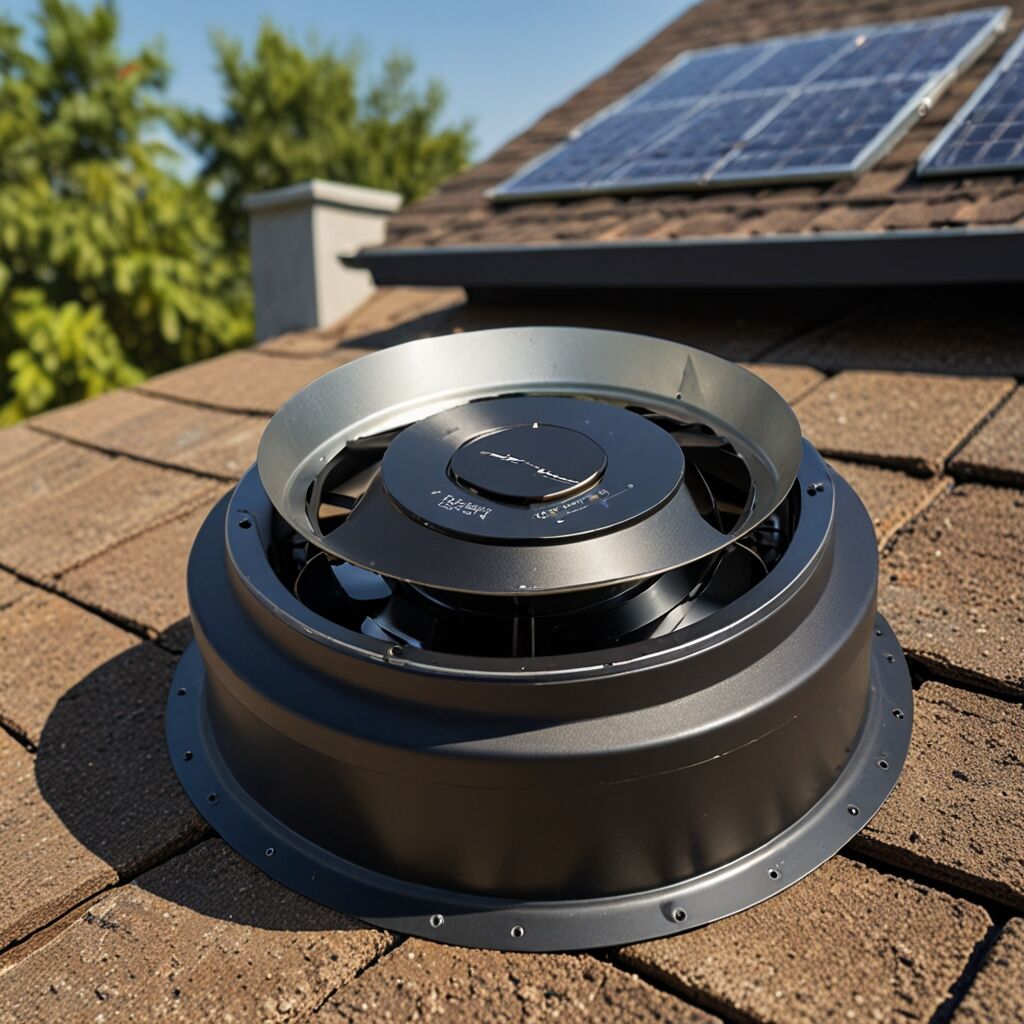
Many homeowners underestimate their attic ventilation needs, leading to inadequate cooling performance. Common mistakes include ignoring ceiling height variations, failing to account for existing ventilation, and selecting fans based solely on attic square footage. Dark roofing materials absorb more heat, requiring higher CFM ratings than standard calculations suggest. Geographic location significantly affects sizing requirements, with southern climates needing 20-40% more ventilation capacity than northern regions. Multiple small fans often outperform single large units in complex attic layouts with obstacles or irregular shapes.
Understanding How Roof Characteristics Affect Fan Requirements
Roof material, color, and pitch dramatically influence solar attic fan sizing requirements. Dark asphalt shingles can reach temperatures exceeding 160°F, requiring fans with higher CFM ratings than lighter-colored materials. Metal roofing reflects heat but may require different ventilation strategies due to thermal conductivity properties. Steep roof pitches create natural chimney effects that enhance ventilation, potentially reducing required fan capacity. Low-slope roofs limit natural air movement, necessitating more powerful mechanical ventilation. The combination of these factors determines optimal fan selection for each specific installation.
Performance Factors That Influence Solar Attic Fan Operation
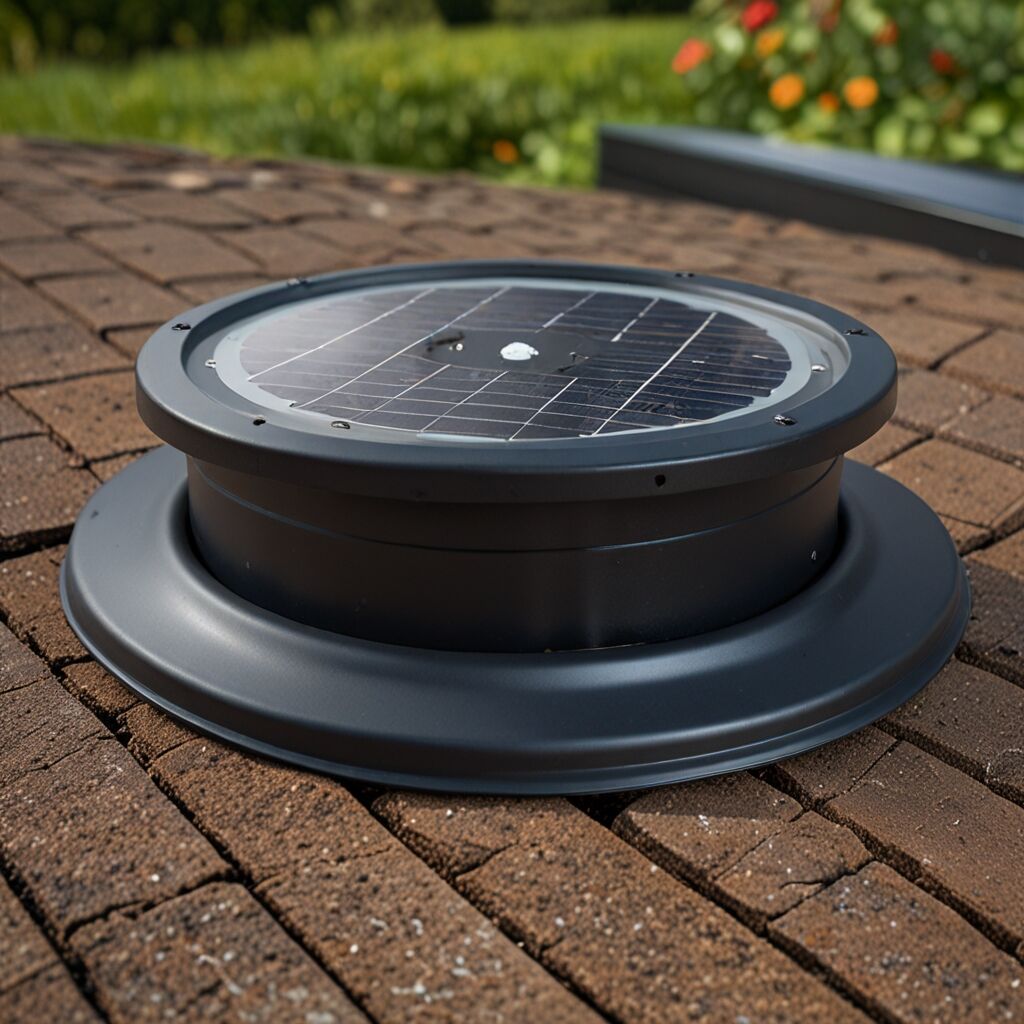
Solar attic fan performance depends on multiple environmental and installation factors working together. Solar panel efficiency varies with sun angle, season, and weather conditions, directly affecting fan motor speed and airflow output. Attic insulation quality influences heat retention and removal requirements, with poorly insulated spaces needing more ventilation capacity. Fan placement location affects both solar exposure and airflow patterns, with south-facing installations typically providing optimal performance. Regular maintenance of solar panels and fan components ensures consistent operation throughout the system’s 20-25 year expected lifespan.
Impact of Seasonal Changes on Solar Attic Fan Effectiveness
Seasonal variations significantly affect solar attic fan performance and ventilation needs. Summer operation provides peak performance when cooling demand reaches maximum levels, with fans typically running 8-10 hours daily during sunny conditions. Winter operation focuses on moisture control rather than cooling, helping prevent ice dam formation and condensation issues. Spring and fall transitions require balanced ventilation to manage temperature swings and humidity fluctuations. Understanding these seasonal patterns helps homeowners optimize thermostat settings to lower cooling costs and maintain year-round comfort levels.
Environmental Factors Affecting Fan Performance
- Direct sunlight exposure determines maximum available power for fan operation.
- Ambient temperature affects solar panel efficiency and motor performance characteristics.
- Wind conditions can enhance or impede natural ventilation supplementing fan operation.
- Humidity levels influence moisture removal requirements and ventilation needs.
- Atmospheric pressure variations affect air density and flow characteristics.
- Seasonal sun angle changes impact solar panel energy production throughout the year.
- Local climate patterns determine optimal installation strategies for different regions.
Professional Guidelines for Solar Attic Fan Selection
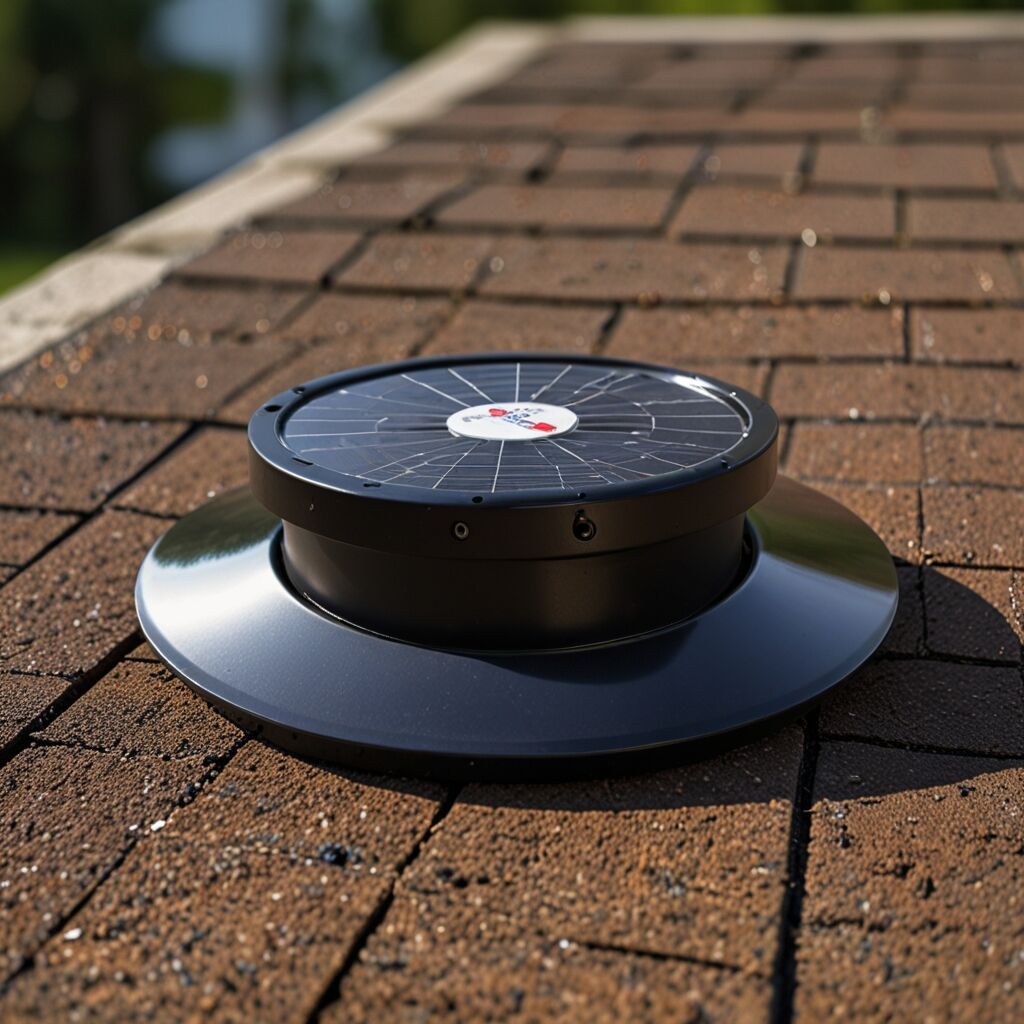
Professional selection of solar attic fans requires comprehensive evaluation of multiple technical factors. Begin by calculating exact attic square footage, including areas under eaves and dormers that affect total air volume. Measure ceiling height variations to determine cubic footage for accurate air exchange calculations. Assess existing ventilation through soffit, ridge, and gable vents to ensure balanced airflow. Consider local climate data including average temperatures, humidity levels, and solar irradiance to optimize fan capacity selection.
Advanced Calculation Methods for Complex Attic Configurations
Complex attic configurations require sophisticated calculation methods beyond basic square footage formulas. Multi-level attics need individual calculations for each space, with consideration for air movement between levels. Cathedral ceilings demand special attention due to limited ventilation pathways and increased heat buildup potential. Finished attic spaces require higher air exchange rates to maintain comfort levels for occupants. HVAC equipment located in attics increases heat load and ventilation requirements. Professional assessment ensures appropriate use cases and applications for different fan configurations and sizing approaches.
Extended Benefits of Proper Solar Attic Fan Installation
Properly sized solar attic fans provide benefits extending beyond basic temperature control. Moisture management prevents mold growth and wood rot, protecting structural integrity and indoor air quality. Extended roof material lifespan results from reduced thermal stress on shingles and underlayment. Lower HVAC system maintenance costs occur due to reduced operating hours and stress on cooling equipment. Increased home resale value reflects energy efficiency improvements and modern ventilation technology. These comprehensive benefits justify investment costs through long-term savings and improved living conditions.
Long-term Economic Impact of Solar Attic Ventilation
The economic benefits of solar attic ventilation compound over time through multiple savings categories. Energy cost reductions typically range from $200-800 annually depending on home size and local electricity rates. Extended roof replacement cycles can save thousands of dollars by preventing premature material failure from heat damage. Reduced HVAC maintenance and replacement costs result from decreased system runtime and stress. Property value increases often exceed installation costs, providing positive return on investment. Tax incentives and utility rebates may further improve financial benefits. Understanding these long-term economic impacts helps homeowners make informed decisions about comprehensive price analysis and value comparisons for different ventilation solutions.
Cost-Benefit Analysis Factors
- Installation costs typically range from $300-800 for professional installation services.
- Annual energy savings average $200-600 depending on climate and usage patterns.
- Roof material lifespan extension can add 3-5 years to replacement cycles.
- HVAC system efficiency improvements reduce maintenance costs by 10-20% annually.
- Property value increases typically range from $800-1500 for quality installations.
- Federal and local tax incentives may provide 20-30% cost recovery options.
- Payback periods generally range from 3-7 years based on local conditions.
Comprehensive Solar Attic Fan Brand Comparison
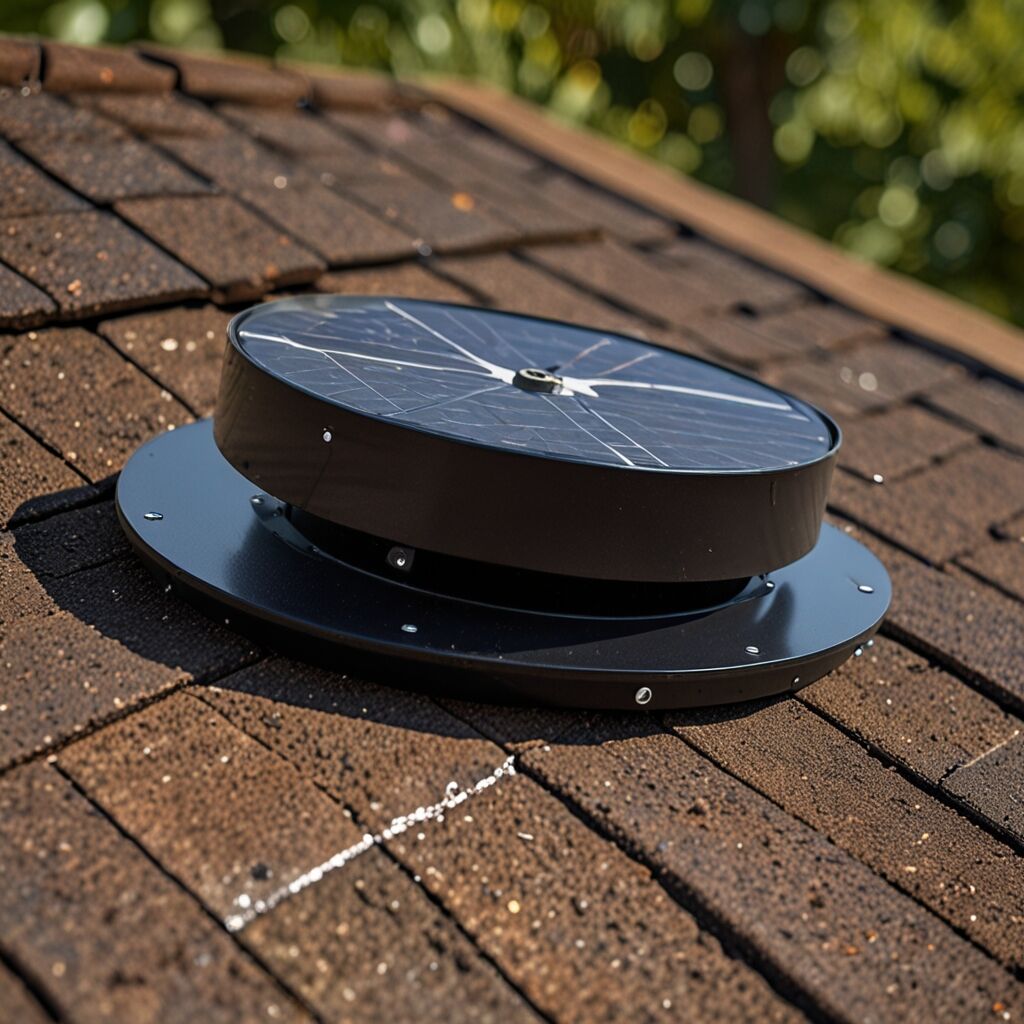
Leading solar attic fan manufacturers offer distinct advantages for different applications and budgets. Natural Light Energy Systems provides premium units with advanced solar panels and variable speed motors, ideal for demanding applications. Remington Solar specializes in affordable options with reliable performance for standard residential installations. Master Flow offers extensive product lines covering various sizes and configurations. Broan-NuTone focuses on quiet operation and aesthetic integration for finished attic spaces. Professional evaluation considers detailed pros and cons analysis to match specific product features with individual home requirements.
Key Performance Features for Solar Attic Fan Selection
Critical performance features significantly impact solar attic fan effectiveness and longevity. Variable speed motors adjust automatically to available solar power, maximizing efficiency across different lighting conditions. High-efficiency photovoltaic panels ensure adequate power generation even during marginal sun conditions. Durable construction materials resist weather extremes and provide reliable long-term operation. Thermostat controls offer automatic operation based on temperature thresholds rather than solar availability alone. Integrated bird guards and protective screens prevent pest intrusion while maintaining optimal airflow. Quality warranties ranging from 5-25 years indicate manufacturer confidence in product reliability and performance standards.
Brand Comparison Matrix
- Premium brands offer 15-25 year warranties with advanced solar panel technology.
- Mid-range options provide 5-10 year coverage with standard photovoltaic systems.
- Budget models typically include 2-5 year warranties with basic construction materials.
- Professional-grade units feature variable speed controls and weather monitoring capabilities.
- Residential models focus on quiet operation and aesthetic integration considerations.
- Commercial applications require heavy-duty construction and higher CFM ratings.
- Specialty units address unique requirements like low-profile installation or extreme weather conditions.