Roof solar powered attic fans are solar-operated ventilation systems that automatically control airflow to reduce energy consumption and maintain optimal attic temperatures. These systems feature adjustable speed controls that respond to temperature changes, typically reducing cooling costs by 15-30% while improving home comfort. Speed control mechanisms enable precise airflow management based on seasonal needs and daily temperature fluctuations.
Understanding Solar Attic Fan Benefits for Energy Efficiency
Solar attic fans provide significant advantages for homeowners seeking energy-efficient ventilation solutions. These systems operate entirely on solar power, eliminating electricity costs while maintaining consistent attic airflow. The primary benefits include reduced cooling expenses during summer months, as the fans expel hot air that would otherwise force air conditioning systems to work harder. Additionally, improved air circulation prevents moisture buildup, protecting insulation and structural components from damage. Temperature regulation through solar ventilation typically lowers attic temperatures by 20-40 degrees Fahrenheit, creating more comfortable living spaces below.
Maximizing Solar Attic Fan Performance
Optimal performance depends on selecting appropriately sized units for your specific attic dimensions and climate conditions. Proper solar fan installation requires consideration of roof pitch, solar panel positioning, and adequate intake ventilation. Small homes under 1,500 square feet typically require fans with 10-15 watt solar panels, while larger homes may need 20-30 watt systems. Regular maintenance, including solar panel cleaning and blade inspection, ensures consistent airflow and extends equipment lifespan to 15-20 years.
How Solar Attic Ventilation Systems Function
Solar attic fans work by converting sunlight into electrical energy through photovoltaic panels, which power variable-speed motors that draw hot air from attic spaces. The process begins when solar panels receive direct sunlight, generating DC power to operate the fan motor. As attic temperatures rise, thermostatic controls automatically increase fan speed to expel more heated air, while cooler conditions trigger reduced operation. This automated response system maintains balanced attic temperatures without manual intervention or grid electricity consumption.
Essential Components of Solar Attic Systems
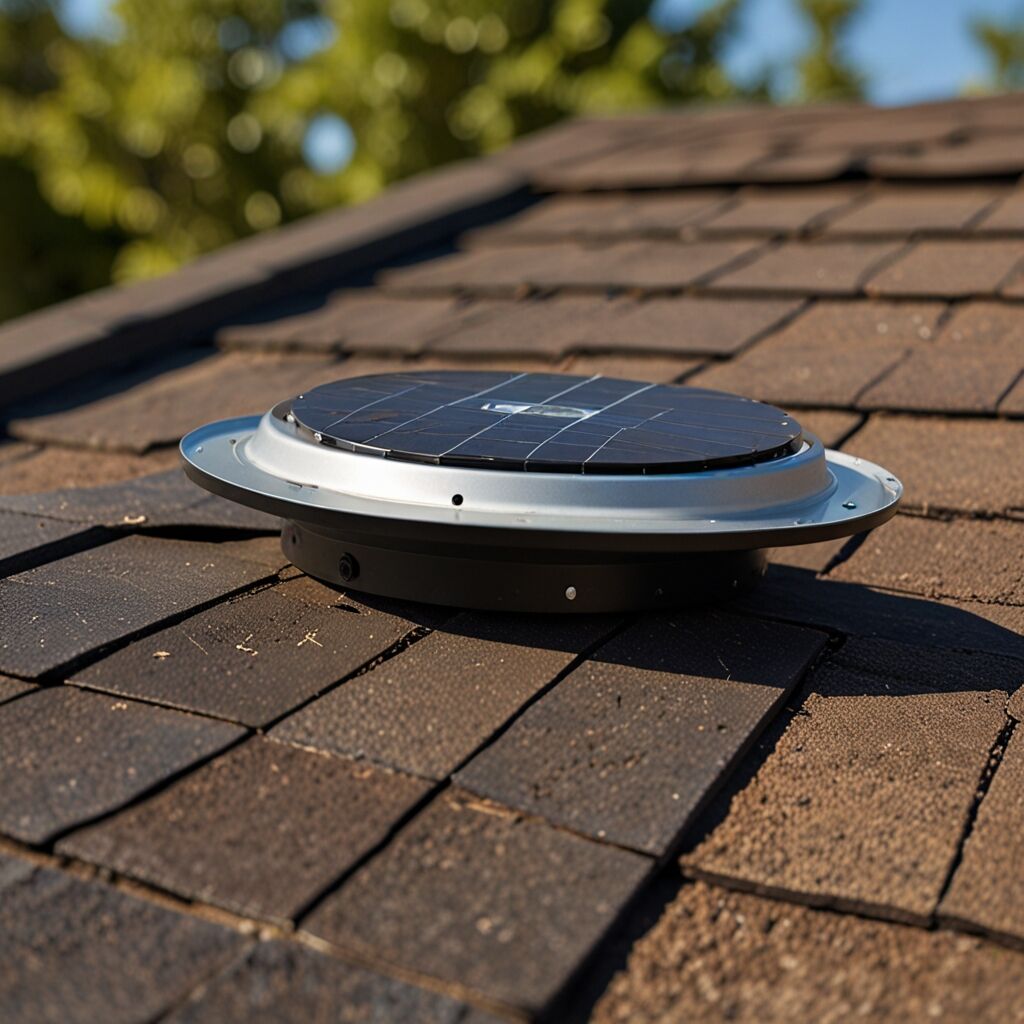
Complete solar attic ventilation systems consist of several interconnected components working together for optimal performance. The solar panel, typically rated between 10-30 watts, captures sunlight and converts it to usable electricity. The brushless DC motor provides quiet, efficient operation with variable speed capabilities responding to temperature sensors. The fan housing, constructed from weather-resistant materials like aluminum or galvanized steel, protects internal components while directing airflow. Advanced models include features like thermostat controls, battery backup systems, and adjustable speed settings for enhanced versatility.
Why Energy-Efficient Attic Ventilation Matters
Energy-efficient attic ventilation is essential for maintaining comfortable indoor temperatures while minimizing utility costs throughout the year. Poor attic ventilation forces HVAC systems to work harder, increasing energy consumption by 10-25% during peak seasons. Proper ventilation systems create balanced airflow that removes excess heat in summer and prevents moisture accumulation in winter. The long-term benefits include extended roof life, improved insulation effectiveness, and reduced strain on cooling equipment. Homeowners typically see noticeable energy bill reductions within the first cooling season after installation.
Common Attic Ventilation Solutions Compared
Several attic ventilation options exist, each offering different advantages for specific situations. Ridge vents provide passive ventilation along roof peaks but depend entirely on wind conditions for effectiveness. Gable vents offer cross-ventilation but may not adequately serve larger attic spaces. Solar-powered attic fans deliver active ventilation regardless of wind conditions, operating silently while providing consistent airflow. Electric attic fans offer similar performance but add to monthly utility costs. For most homeowners, solar attic fans represent the optimal balance of effectiveness, efficiency, and operating cost.
Identifying When Your Attic Needs Better Ventilation
Several warning signs indicate inadequate attic ventilation that solar fans can address effectively. Excessively high attic temperatures, often exceeding 120°F during summer, suggest insufficient air exchange that drives up cooling costs. Moisture-related issues like condensation, mold growth, or frost formation indicate poor humidity control requiring active ventilation. High energy bills during seasonal temperature extremes often reflect HVAC systems compensating for inadequate attic climate control. Ice dam formation during winter months signals ventilation imbalances that solar fans can help resolve.
Environmental Factors Affecting Attic Ventilation Requirements
Climate conditions, home design, and surrounding environment significantly influence attic ventilation needs and solar fan effectiveness. High-humidity regions require more aggressive ventilation to prevent moisture-related damage and maintain air quality. Homes with complex rooflines or limited ridge ventilation benefit from active solar fan systems that ensure adequate air circulation. Tree coverage can reduce natural wind-driven ventilation while also affecting solar panel performance, requiring careful positioning for optimal results. Dark roofing materials absorb more heat, increasing attic temperatures and ventilation requirements compared to reflective surfaces.
Speed Control Options for Solar Attic Fans
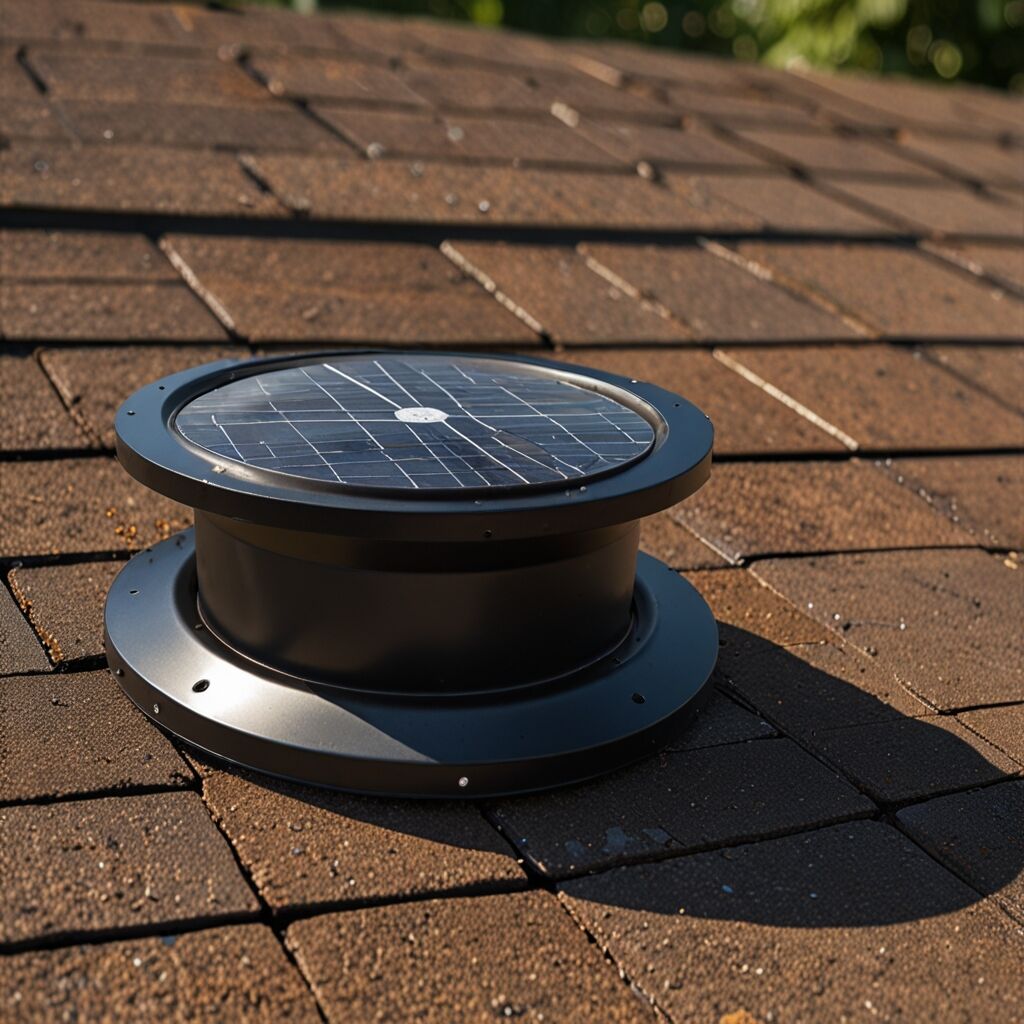
Modern solar attic fans offer various speed control mechanisms to optimize performance and energy efficiency under different conditions. Basic models feature fixed-speed operation that runs consistently when solar power is available. Variable speed controllers automatically adjust fan operation based on attic temperature, increasing airflow during hot periods and reducing operation during cooler conditions. Advanced smart controls integrate with home automation systems, enabling remote monitoring and adjustment through smartphone applications. Thermostat-controlled units provide precise temperature management, typically activating when attic temperatures exceed 90-100°F and adjusting speed based on heat levels.
Understanding Speed Control Benefits and Limitations
Each speed control type offers distinct advantages while presenting certain limitations for different applications. Fixed-speed systems provide reliable, straightforward operation but cannot adapt to changing conditions, potentially over-ventilating during mild weather. Variable speed controls optimize energy usage and extend equipment life but add complexity and potential maintenance requirements. Smart controls offer maximum flexibility and monitoring capabilities but depend on reliable internet connectivity and may require technical expertise for setup. The investment in advanced controls typically ranges from $200-800 depending on features, with payback periods of 2-5 years through energy savings.
Solar Attic Fan Installation Requirements
Successful solar attic fan installation requires careful planning and proper execution to ensure optimal performance and weather protection. The installation process involves selecting appropriate roof locations with maximum sun exposure, typically south-facing slopes with minimal shade. Essential tools include power drills, roofing sealants, mounting hardware, and safety equipment for working at height. Proper installation also requires adequate intake ventilation through soffit vents or other openings to ensure balanced airflow and prevent negative pressure issues.
Installation Tools and Safety Considerations
Professional-quality installation requires specific tools and materials to ensure long-lasting, leak-free performance. Essential equipment includes variable-speed drills with appropriate bits, high-quality roofing sealants rated for your climate, and mounting brackets designed for your specific roof type. Safety equipment including non-slip shoes, safety harnesses, and ladder stabilizers is crucial for preventing accidents during roof work. While many homeowners can complete installations themselves, complex roof configurations or steep pitches may require professional installation to ensure safety and proper performance.
Choosing Reliable Solar Attic Fan Products
Reliable solar attic fans are available through various retailers, both online and in physical stores specializing in home improvement products. Major home improvement retailers like Home Depot and Lowe’s stock popular models from established manufacturers like Broan, Solar Star, and GAF. Online platforms including Amazon provide extensive selection with customer reviews offering real-world performance insights. Quality solar attic fans typically range from $150-400 depending on features, with professional installation adding $200-500 to total project costs.
Selecting the Right Solar Attic Fan
Choosing the most suitable solar attic fan involves evaluating several key factors specific to your home and climate conditions. Airflow capacity, measured in CFM (cubic feet per minute), should match your attic size with approximately 1 CFM per square foot of attic space. Solar panel wattage affects operation time and speed capability, with higher wattage units providing better performance during cloudy conditions. Noise levels become important for bedrooms located near installation points, making brushless motor designs preferable for quiet operation. Warranty coverage and manufacturer reputation provide assurance of long-term reliability and customer support availability.
Maintaining Solar Attic Fans for Long-Term Performance
Regular maintenance ensures solar attic fans operate efficiently throughout their 15-20 year expected lifespan while maximizing energy savings. Essential maintenance tasks include cleaning solar panels every 3-6 months to remove dust, pollen, and debris that can reduce power generation by 10-25%. Fan blade cleaning prevents imbalance and noise while maintaining optimal airflow capacity. Seasonal inspections should check for loose mounting hardware, damaged seals, and proper operation of speed controls or thermostats. Proper maintenance scheduling helps identify potential issues before they affect performance or cause damage.
Solar Panel and Fan Cleaning Procedures
Effective cleaning procedures maintain peak solar attic fan performance while ensuring safety during maintenance activities. Begin by turning off any manual switches and waiting for fan blades to stop completely before beginning work. Solar panel cleaning requires only mild soap solution and soft brushes or cloths to avoid scratching photovoltaic surfaces. Fan blade cleaning involves gentle wiping with damp cloths to remove accumulated dirt and debris without damaging blade balance. Avoid harsh chemicals or high-pressure water that could damage electrical components or seals. Most maintenance tasks can be completed safely from inside the attic, eliminating the need for roof access.
Understanding Solar Attic Fan Costs and Savings
Solar attic fan investments typically pay for themselves through energy savings within 3-7 years depending on local utility rates and climate conditions. Initial costs range from $200-600 for quality units plus installation expenses, while annual energy savings often reach $50-200 for average homes. The cost-effectiveness varies by region, with hot climates providing faster payback periods due to greater cooling load reductions. Factors affecting return on investment include local electricity rates, home insulation quality, existing ventilation adequacy, and HVAC system efficiency. Long-term savings accumulate over the 15-20 year equipment lifespan, often totaling $1,000-3,000 in reduced energy costs.
Limitations and Considerations for Solar Attic Fans
While solar attic fans offer significant benefits, certain limitations affect their suitability for all situations. Cloud cover and seasonal sunlight variations can reduce operation during periods when cooling might be needed, though battery backup systems address this concern. Installation on complex roof designs or heavily shaded areas may limit solar panel effectiveness. Homes with adequate existing ventilation may see minimal additional benefits from solar fan installation. Initial costs may be prohibitive for some homeowners, though utility rebates and tax incentives can improve affordability. Proper sizing and installation are crucial, as undersized units provide inadequate ventilation while oversized systems may create negative pressure issues.