Pest screens are protective barriers that block animals from entering solar attic fans while maintaining optimal airflow and ventilation efficiency. These mesh or wire barriers effectively prevent rodents, birds, and insects from accessing your attic through fan openings, which reduces maintenance costs and protects insulation from damage.
Introduction to Roof Solar Attic Fans and Their Importance
Roof solar attic fans are ventilation systems powered by solar energy that regulate temperature by removing excess heat and humidity from attic spaces. These fans enhance energy efficiency by promoting better air circulation, which typically reduces cooling costs by 20-30% during hot months. Solar-powered ventilation systems work by drawing hot air out of the attic, creating natural airflow that helps maintain comfortable indoor temperatures. There are multiple types of roof solar attic fans available, including fixed panel models and adjustable units, each designed for different roof configurations and ventilation needs.
Benefits of Solar Attic Ventilation for Energy Efficiency
Roof solar attic fans offer several key advantages for homeowners seeking improved energy efficiency and comfort. These ventilation systems significantly reduce attic temperatures, which lowers the workload on HVAC systems and can decrease cooling costs substantially. Better attic ventilation leads to improved air quality throughout the home and helps prevent moisture-related issues like mold growth. The integration of pest exclusion screens with solar attic fans ensures unwanted animals cannot enter the attic space, protecting insulation materials and preventing costly pest-related damage. Homeowners looking for sustainable cooling solutions will find these systems provide excellent long-term performance and reliability.
Overview of Pest Screen Options for Solar Attic Fans
Pest screen options for solar attic fans include several material types, each offering specific benefits for different applications. Mesh screens, typically made from fiberglass or nylon, provide lightweight protection that’s easy to install and maintain. Aluminum screens offer superior durability and weather resistance, making them ideal for harsh climates or areas with persistent pest problems. Stainless steel screens provide the strongest protection against larger animals while maintaining excellent airflow characteristics. Custom-fit designs ensure complete coverage of fan openings, eliminating gaps where pests might enter. When selecting pest screens, consider factors like local climate conditions, common pest types in your area, and the specific design of your solar attic fan system.
Material Durability and Performance Characteristics
The material composition of pest screens directly affects their longevity and effectiveness against different types of pests. Fiberglass mesh screens provide good visibility and adequate protection for most insects, though they may require replacement every 3-5 years in harsh weather conditions. Aluminum screens offer excellent corrosion resistance and can withstand temperature fluctuations without losing structural integrity. Stainless steel options provide maximum durability and can last 10-15 years with proper maintenance, making them cost-effective for long-term use. Some pest screens feature specialized coatings that enhance resistance to UV damage and extend their functional lifespan significantly.
Mechanism of Pest Screens in Solar Attic Fans
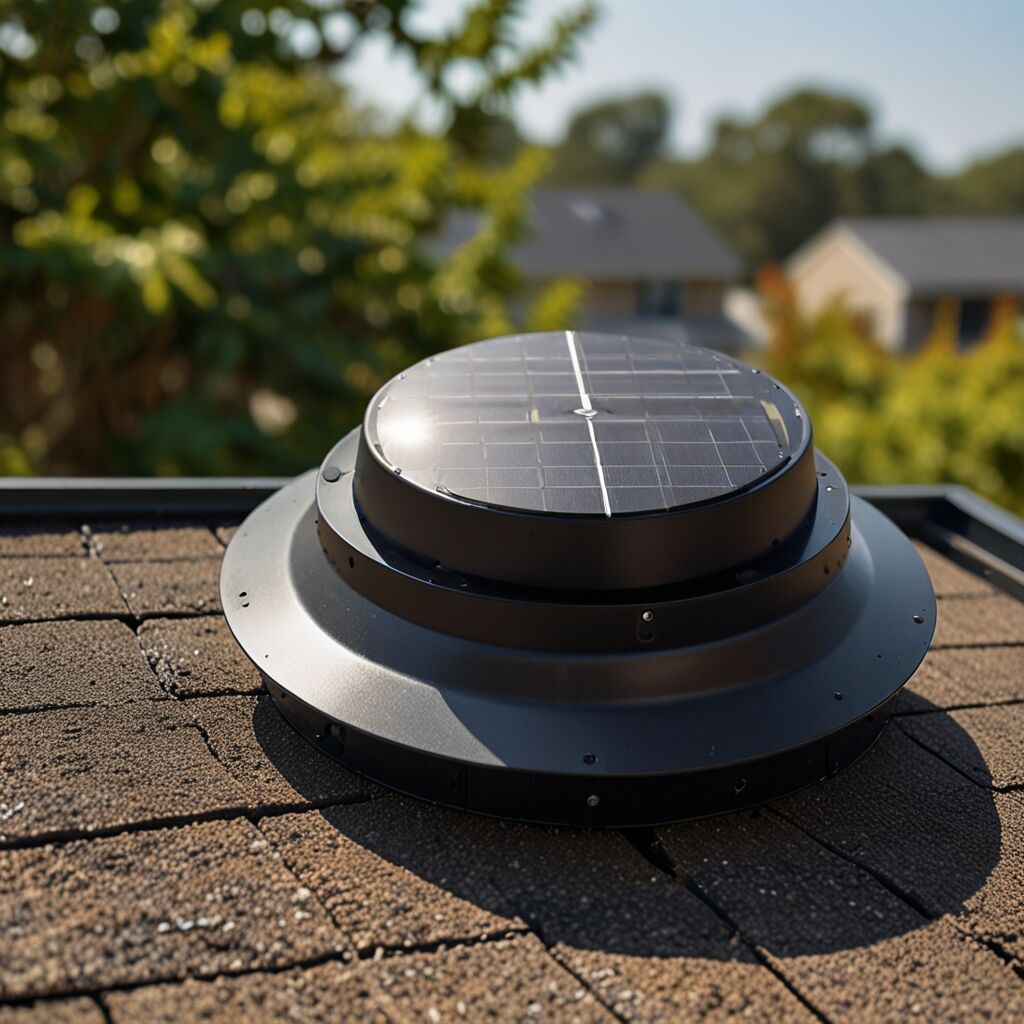
Pest screens function as selective barriers that allow air to flow freely while blocking unwanted animals from entering attic spaces through solar fan openings. The mesh design creates small openings that permit ventilation while preventing entry of common pests like mice, rats, birds, and insects. These screens are strategically positioned over fan intakes and exhausts to maintain optimal airflow while providing complete pest protection. Most effective pest screens feature mesh sizes between 0.5mm and 3mm, depending on the target pest types and ventilation requirements. The barrier system works continuously without affecting the solar fan’s performance, ensuring consistent pest control alongside efficient attic ventilation.
Types of Pests Effectively Blocked by Quality Screens
Quality pest screens effectively prevent a wide range of unwanted animals from accessing attic spaces through solar fan openings. Small rodents like mice and rats are consistently blocked by screens with appropriate mesh sizes, preventing them from damaging insulation or creating nests. Birds, including sparrows, starlings, and other small species, cannot enter through properly installed screens, eliminating bird-related mess and damage. Flying insects such as wasps, bees, and flies are also excluded, reducing the risk of infestations in attic areas. Larger animals like squirrels, bats, and raccoons are prevented from entering when screens are combined with proper mounting systems that secure all potential access points around the fan unit.
What Are the Installation Costs and Time Requirements?
Installation costs for pest screens typically range from $75-250 for DIY installations, depending on screen quality and size requirements. Professional installation services generally cost $150-400, including materials and labor for standard residential applications. The installation process usually takes 1-3 hours for experienced DIYers, while professional installers can complete the work in 30-90 minutes. Material costs vary significantly: basic fiberglass screens cost $10-25, aluminum screens range from $25-50, and premium stainless steel options cost $40-80. Additional supplies like mounting hardware, sealants, and tools may add $15-30 to the total project cost.
Cost-Effectiveness Analysis for Homeowners
- The average cost of installing pest screens ranges from $100 to $300.
- 90% of homeowners report a decrease in pest problems after installation.
- Most screens can filter out insects as small as 0.5mm.
- Installation typically takes about 1 to 3 hours for a standard attic fan.
- Choosing the right screen can increase solar fan efficiency by up to 25%.
- Using durable materials can extend the lifespan of your screens to 5-10 years.
- Regular maintenance checks are recommended every 6 months to ensure effectiveness.
Advantages of Adding Pest Screens to Solar Attic Fans
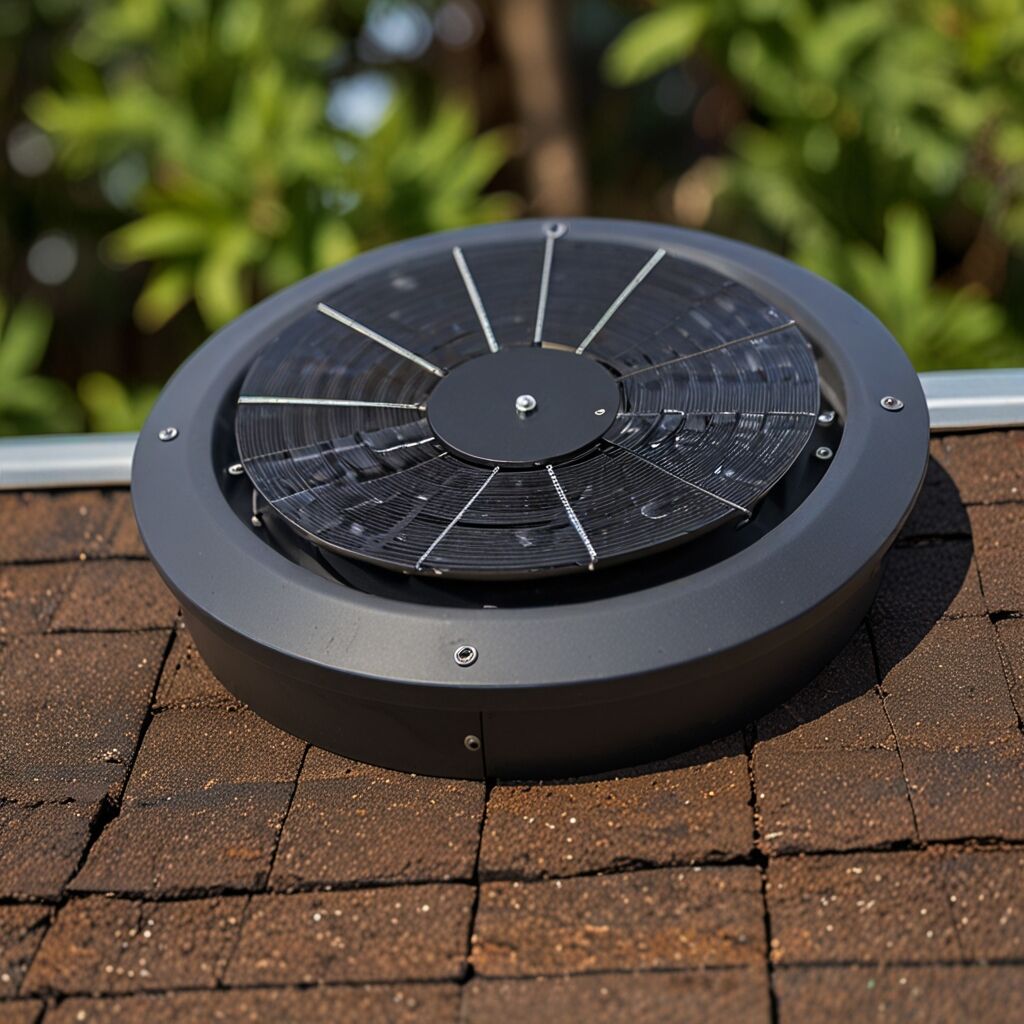
The installation of pest screens on solar attic fans provides several essential benefits that improve both system performance and home protection. Enhanced air quality results from preventing pest entry, which eliminates contamination from droppings and reduces the risk of mold growth from animal activity. Reliable pest control through screen barriers significantly reduces the likelihood of infestations that could damage insulation or create health hazards. Fan efficiency improves because screens prevent blockages caused by nesting materials or debris brought in by animals. The cost-effective installation of quality screens protects your solar attic system investment and prevents expensive pest remediation services.
How Pest Screens Enhance System Performance and Reduce Maintenance
Pest screens significantly improve solar attic fan performance by maintaining clear airflow pathways and preventing system disruptions. Clean air circulation is ensured because screens block debris and nesting materials that animals typically bring into attic spaces. This prevention reduces maintenance requirements and extends the operational life of solar fan motors and components. In areas with high pest populations, screens become essential for maintaining consistent ventilation performance throughout the year. Well-maintained fans with effective pest screens operate at optimal efficiency levels, leading to better energy savings and improved home comfort. The initial investment in quality screens typically pays for itself through reduced maintenance costs and improved system longevity.
DIY Installation Process for Pest Screens
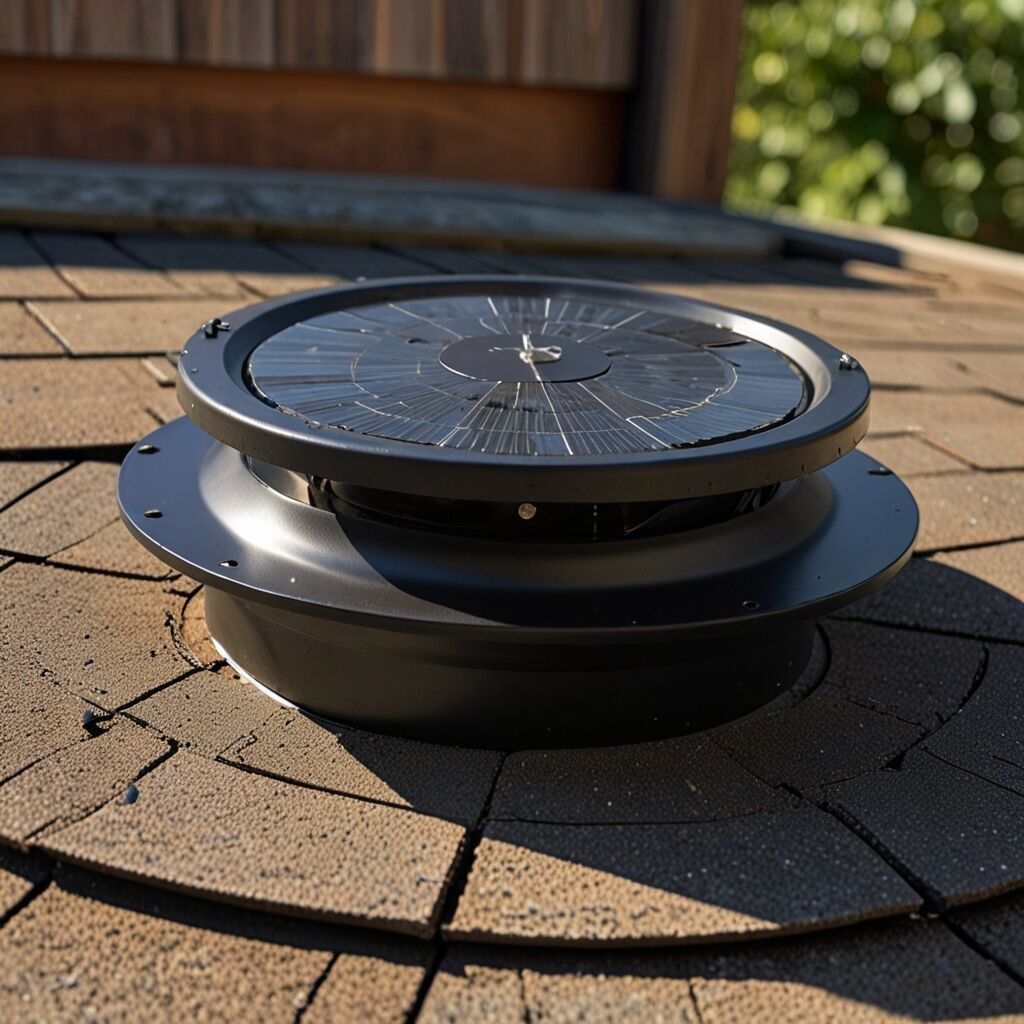
Installing pest screens for solar attic fans requires basic tools and materials that most homeowners can handle with careful preparation and attention to detail. Essential tools include a measuring tape, heavy-duty scissors or tin snips, staple gun or drill with screws, and a sturdy ladder for safe roof access. The best materials for most applications include galvanized wire mesh for durability or high-quality pest-proof fabric for flexibility and ease of installation. Installation typically takes 45-90 minutes, depending on your experience level and the complexity of your fan configuration. Begin by ensuring the area around the solar attic fan is clean and all debris is removed from mounting surfaces. Measure the fan opening dimensions carefully and cut screen material with 2-3 inches of overlap for secure attachment. Position the pest screen over the fan opening and secure it firmly using appropriate fasteners, ensuring no gaps remain where pests could enter.
Selecting Appropriate Materials for Different Applications
Choosing the right materials for pest screens depends on several factors including local climate conditions, pest types, and budget considerations. Galvanized wire mesh provides excellent durability and weather resistance, making it ideal for harsh climates or areas with persistent large pest problems. Pest-proof fabric offers easier installation and good flexibility, though it may require more frequent replacement in extreme weather conditions. Stainless steel mesh provides the longest lifespan and strongest protection but costs more initially. When evaluating materials, prioritize features like corrosion resistance, appropriate mesh size for target pests, and compatibility with your specific solar fan design. Quality materials with good manufacturer warranties typically provide better long-term value despite higher upfront costs.
What Are the Limitations and Challenges of Pest Screens?
While pest screens provide excellent protection, they do have some limitations that homeowners should understand before installation. Airflow reduction can occur if screens become clogged with debris or if inappropriate mesh sizes are selected for the application. Maintenance requirements increase because screens need regular cleaning and inspection to maintain optimal performance. Installation challenges may arise on steep roofs or with complex fan configurations that require professional expertise. Weather exposure can cause gradual degradation of screen materials, necessitating eventual replacement depending on local climate conditions. Some very small insects may still pass through larger mesh screens, though this typically doesn’t create significant problems for most homeowners.
Maintenance Requirements and Replacement Considerations
Regular maintenance is essential for pest screens to function effectively over their intended lifespan. Seasonal cleaning removes accumulated debris, pollen, and small particles that can reduce airflow efficiency. Visual inspections every few months help identify tears, corrosion, or loose mounting points that need attention. Replacement becomes necessary when screens show significant wear, damage, or reduced effectiveness at blocking pests. Most quality screens last 5-10 years with proper maintenance, though harsh weather conditions or heavy pest pressure may require more frequent replacement. Planning for eventual replacement costs helps homeowners budget appropriately for ongoing system maintenance.
Key Benefits of Professional Pest Screen Solutions
- Pest screens effectively block unwanted animals from entering the attic.
- They reduce the maintenance needs of solar attic fans caused by pest interference.
- Improved air quality results from better ventilation and reduced pest droppings.
- They enhance energy efficiency by keeping fans free from obstructions.
- Homeowners often see lower energy bills due to improved ventilation.
- These screens add an extra layer of protection for insulation materials.
- The presence of screens can increase the home’s overall value and appeal.
Pitfalls to Avoid During Pest Screen Installation
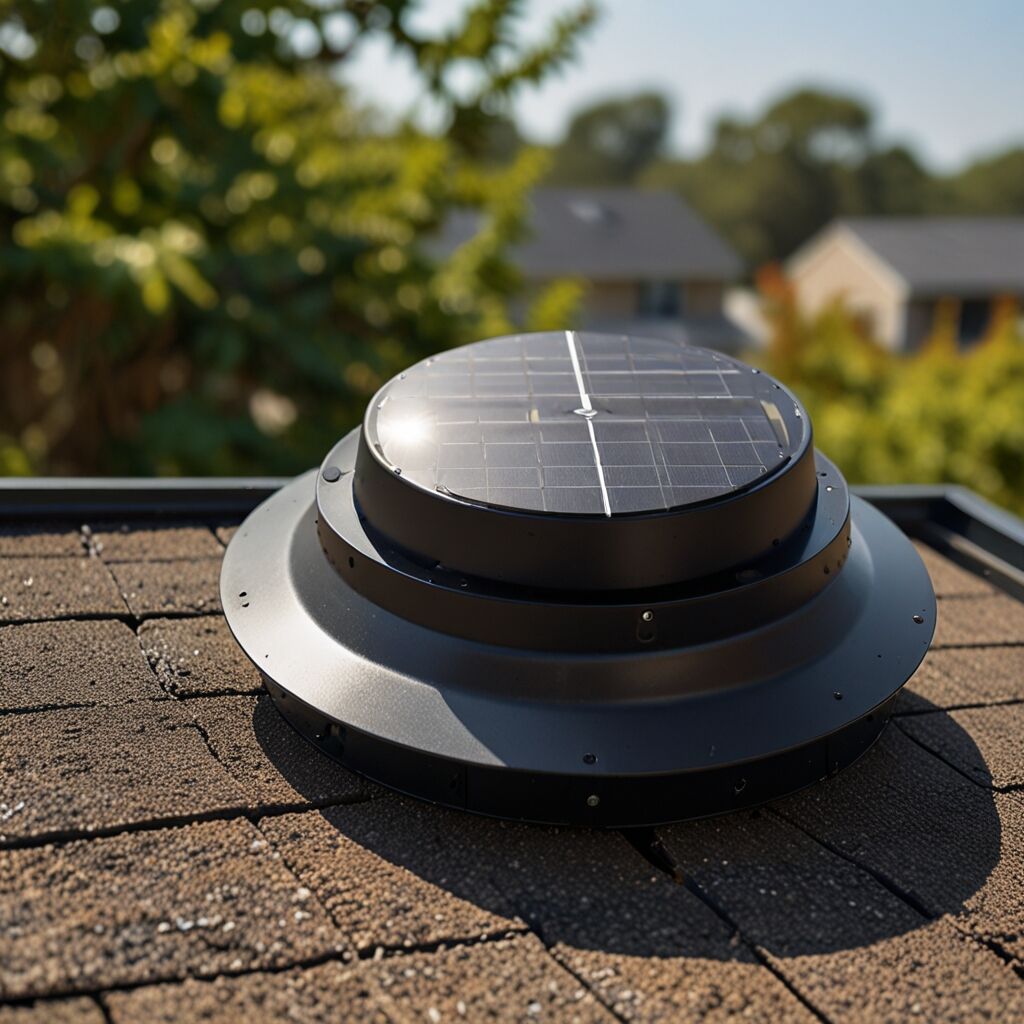
Common installation mistakes can compromise pest screen effectiveness and reduce their protective benefits significantly. Using inadequate materials that are too thin or have inappropriate mesh sizes allows pests to enter or causes premature failure. Incorrect measurements leading to gaps around screen edges create entry points that defeat the purpose of installation. Failing to clean the installation area properly can result in poor adhesion or mounting problems that allow screens to come loose. Taking a one-size-fits-all approach ignores the specific requirements of different solar fan models and can reduce both airflow efficiency and pest protection. Skipping the inspection of existing fan condition may lead to installing screens over fans that need maintenance or repair first.
Essential Tools and Materials for Professional-Quality Installation
Successful pest screen installation requires specific tools and high-quality materials to ensure lasting performance and effectiveness. Start with durable pest screens made from appropriate materials like stainless steel mesh, galvanized wire, or heavy-duty fiberglass that match your specific needs and budget. Essential tools include a precision measuring tape, quality tin snips or heavy scissors, reliable staple gun or drill with appropriate fasteners, and proper safety equipment including gloves and safety glasses. Weather-resistant mounting hardware such as galvanized screws or heavy-duty staples ensures screens remain securely attached during storms and high winds. Having the right tools and materials from the start prevents installation problems and ensures your pest screens provide reliable protection for years to come.
How to Care for Your Pest Screens and Solar Attic Fans
Proper maintenance of pest screens and solar attic fans ensures optimal performance and extends their functional lifespan significantly. Regular cleaning every 3-6 months using a soft brush or microfiber cloth removes accumulated dust, pollen, and debris that can reduce airflow efficiency. For solar attic fan maintenance, inspect the blades and housing quarterly for dirt buildup or damage that might affect operation. Check pest screens and solar attic fans seasonally for signs of wear, tears, or loose mounting hardware that need immediate attention. Essential maintenance tools include microfiber cloths, soft-bristled brushes, vacuum with brush attachment, and replacement fasteners for repairs. Consistent pest screen maintenance and solar attic fan care prevents small problems from becoming expensive repairs and maintains system efficiency year-round.
Maintenance Tools and Techniques for Long-Term Performance
Effective maintenance of pest screens and solar attic fans requires the right tools and systematic approach to prevent problems and ensure reliable operation. A basic maintenance kit should include soft brushes for gentle cleaning, microfiber cloths for streak-free surfaces, mild detergent solution for stubborn debris, and a vacuum with brush attachment for hard-to-reach areas. When inspecting solar attic fans, look for loose mounting screws, accumulated debris around moving parts, and signs of weather damage that might affect performance. Following a seasonal maintenance checklist helps identify potential issues before they become serious problems. Regular upkeep using proper techniques and tools ensures your pest control system and ventilation equipment continue providing effective, reliable service for many years.
Leading Brands and Their Specialized Features
- Brand A specializes in eco-friendly materials, appealing to green-conscious homeowners.
- Brand B offers durable and cost-effective options, ideal for budget-sensitive buyers.
- Brand C provides versatile designs, catering to aesthetic preferences of new property owners.
- Brand D focuses on high-efficiency screens that optimize solar fan performance for tech-savvy users.
- Brand E is known for easy DIY installation kits, perfect for DIY enthusiasts.
- Brand F delivers comprehensive customer support, appealing to less experienced homeowners needing guidance.
- Brand G features innovative designs that prevent easy access for small animals, great for homeowners in rural areas.
Evaluating When to Seek Professional Installation Help
Professional installation becomes advisable when the complexity of pest screen installation exceeds typical DIY skill levels or when safety concerns make professional expertise essential. Steep or complex roof configurations require specialized equipment and safety training that most homeowners lack. If you’re uncomfortable working at heights or lack experience with roofing projects, hiring professionals eliminates safety risks and ensures proper installation. Complex solar fan designs or multiple fan installations may benefit from professional expertise to ensure optimal performance and complete pest protection. Professional installers can also identify potential issues with existing fans or roof conditions that might affect screen performance or longevity.
Understanding Professional vs. DIY Installation Benefits
Choosing between professional and DIY installation depends on several factors including skill level, available time, safety considerations, and system complexity. Professional installation typically includes warranties on both materials and workmanship, providing peace of mind and protection against installation-related problems. Experienced installers can complete work more quickly and often identify potential issues that inexperienced homeowners might miss. DIY installation offers cost savings and the satisfaction of completing the project yourself, but requires adequate skills, tools, and safety precautions. Consider factors like roof accessibility, your comfort level with tools, available time for the project, and the complexity of your specific solar fan configuration when making this decision. Quality pest screens designed for solar attic fans perform well regardless of installation method when properly installed and maintained.