Solar attic fan angle adjustment is the process of positioning your fan’s solar panel between 30-45 degrees to maximize sunlight capture and boost ventilation efficiency. This positioning technique involves tilting the solar panel toward the sun’s path, which typically increases energy production and airflow performance throughout different seasons.
Understanding Roof Solar Attic Fans and Their Energy Efficiency Benefits
Roof solar attic fans are ventilation devices that harness solar energy to remove hot air from attic spaces, reducing indoor temperatures and energy costs. They function by using photovoltaic panels to power exhaust fans, which pull heated air out while drawing cooler air in through soffit vents. This process enhances indoor comfort, increases air quality, and minimizes energy costs associated with cooling your living spaces. The benefits of these fans include reduced reliance on traditional air conditioning, improved air quality by reducing humidity, and lowering energy bills. Homeowners often see energy savings that can reach hundreds of dollars per year, depending on their local climate and usage patterns.
How Solar Attic Fan Angle Adjustment Works
Angle adjustment works by tilting the solar panel to align with the sun’s optimal exposure angles throughout the day and across seasons. Comparing different solar attic fan models reveals that adjustable mounting systems allow homeowners to modify the panel’s tilt from flat (0 degrees) to steep angles (up to 60 degrees). The adjustment mechanism typically involves loosening mounting brackets, repositioning the panel, and securing it at the desired angle. This process requires basic tools like a socket wrench and typically takes 15-30 minutes to complete. Most quality fans include detailed instructions and adjustment hardware for seasonal modifications.
Different Types of Solar Attic Fans and Their Angle Adjustment Features
Several types of solar attic fans exist, including curb-mounted, roof-mounted, and gable-mounted fans, each offering different angle adjustment capabilities. Curb-mounted fans often feature fixed angles optimized for flat roofs, while roof-mounted fans typically include adjustable brackets for precise positioning. Gable-mounted fans usually have limited adjustment options but compensate with strategic placement facing the sun’s primary path. Advanced models include automatic tracking systems that adjust angles throughout the day, while basic models require manual seasonal adjustments. Most solar attic fans typically use between 15-35 watts to operate efficiently, with angle optimization potentially increasing power generation by 20-30%.
What Are the Benefits of Proper Angle Adjustment?
The benefits of proper angle adjustment include increased solar energy capture, enhanced fan performance, and improved ventilation efficiency throughout your home. Understanding the pros and cons of angle adjustment reveals that optimal positioning can boost power generation during peak sunlight hours while maintaining consistent airflow. Properly adjusted fans typically reduce attic temperatures more effectively, leading to decreased air conditioning loads and extended roof lifespan. Additional benefits include better moisture control, reduced ice dam formation in winter, and enhanced overall home energy efficiency.
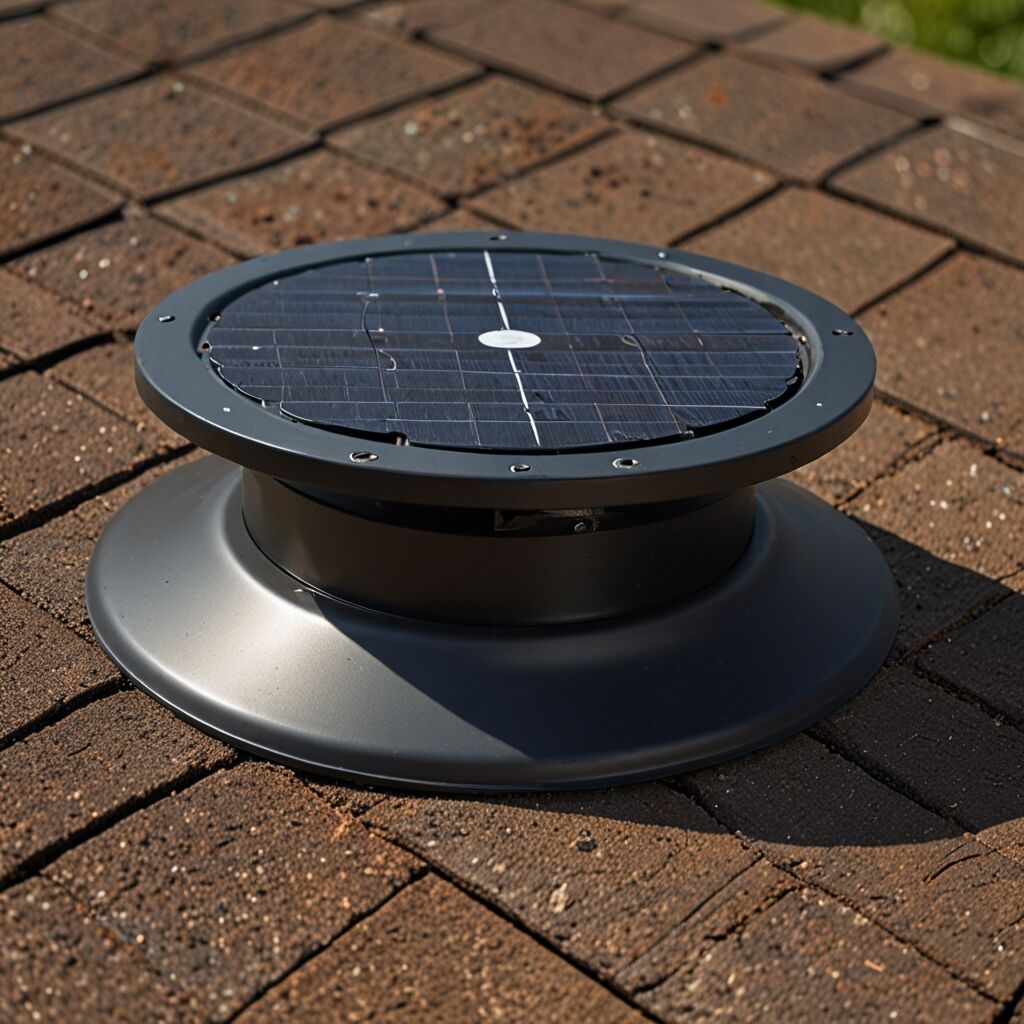
Mechanics of Solar Attic Fans and Their Efficiency Gains
Solar attic fans work by converting sunlight into electrical energy through photovoltaic cells, which then power brushless DC motors that drive exhaust blades. These fans pull hot air out of the attic while creating negative pressure that draws cooler air through intake vents. During sunny days, solar panels on the fan harness direct sunlight to operate at maximum capacity, with angle adjustment playing a crucial role in energy capture efficiency. This energy-saving method improves overall home efficiency by reducing heat transfer from attic to living spaces. Homeowners can expect numerous benefits, including reduced cooling costs of typically $200-400 annually and extended roof life through better temperature management.
What Are the Optimal Angles for Different Seasons?
Optimal angles vary by season, with summer requiring steeper angles (35-45 degrees) to capture high sun positions, while winter benefits from lower angles (25-35 degrees) for optimal light exposure. Specific use cases for angle adjustment include maximizing spring and fall performance with moderate angles around 30-40 degrees. Spring and fall transitions typically perform best with angles between these seasonal extremes. The optimal angle also depends on your geographic latitude, with southern locations requiring different adjustments than northern climates. Most manufacturers provide seasonal angle charts specific to different geographic regions for optimal performance.
Key Angle Specifications for Maximum Performance
- Angle adjustment can increase sunlight capture by up to 30% when properly positioned.
- Most roof solar attic fans operate best at angles between 30° and 45° for year-round efficiency.
- Studies show that effective angle adjustment can reduce attic temperatures by 10-20°F during peak summer hours.
- Solar attic fans with proper angle adjustment can save homeowners roughly $200-500 annually on energy costs.
- Approximately 70-80% of available solar energy reaches properly angled panels, making positioning crucial.
- Installation time for angle adjustment typically ranges from 15-45 minutes for most homeowners.
- Regular seasonal angle adjustments can extend fan operational life by optimizing performance and reducing strain.
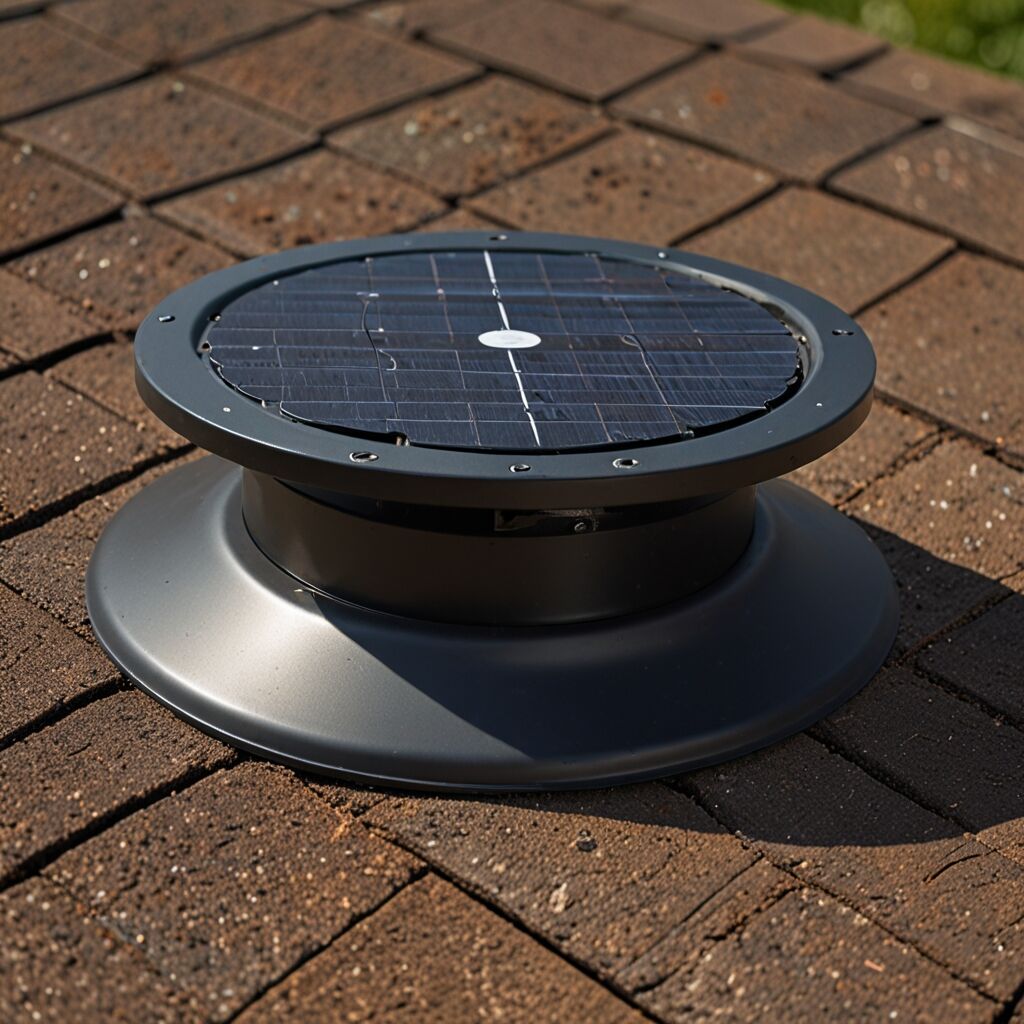
Effective Angle Adjustment Techniques for Maximum Sunlight Capture
To achieve optimal sunlight capture, position your solar attic fan panel at angles between 30-45 degrees, depending on your geographic location and seasonal requirements. This positioning enables better exposure to the sun, especially during peak hours from 10 AM to 3 PM when solar intensity reaches maximum levels. The adjustment process involves loosening mounting hardware, tilting the panel to the desired angle, and securing all connections. Consider your geographical latitude when determining base angles, as locations closer to the equator require different positioning than northern regions. Regular seasonal adjustments ensure consistent performance and maximum energy capture throughout the year.
Step-by-Step Angle Adjustment Process
Begin the angle adjustment process by safely accessing your roof and locating the solar panel mounting brackets on your attic fan. Use appropriate safety equipment including non-slip shoes and consider having someone assist you during the adjustment. Loosen the adjustment bolts using the proper socket size (typically 10mm or 3/8 inch), then carefully tilt the panel to your target angle using a digital angle finder or smartphone app for precision. Ensure all electrical connections remain secure during adjustment and tighten mounting hardware to manufacturer specifications. Testing your solar attic fan performance after adjustment helps verify optimal positioning and proper operation.
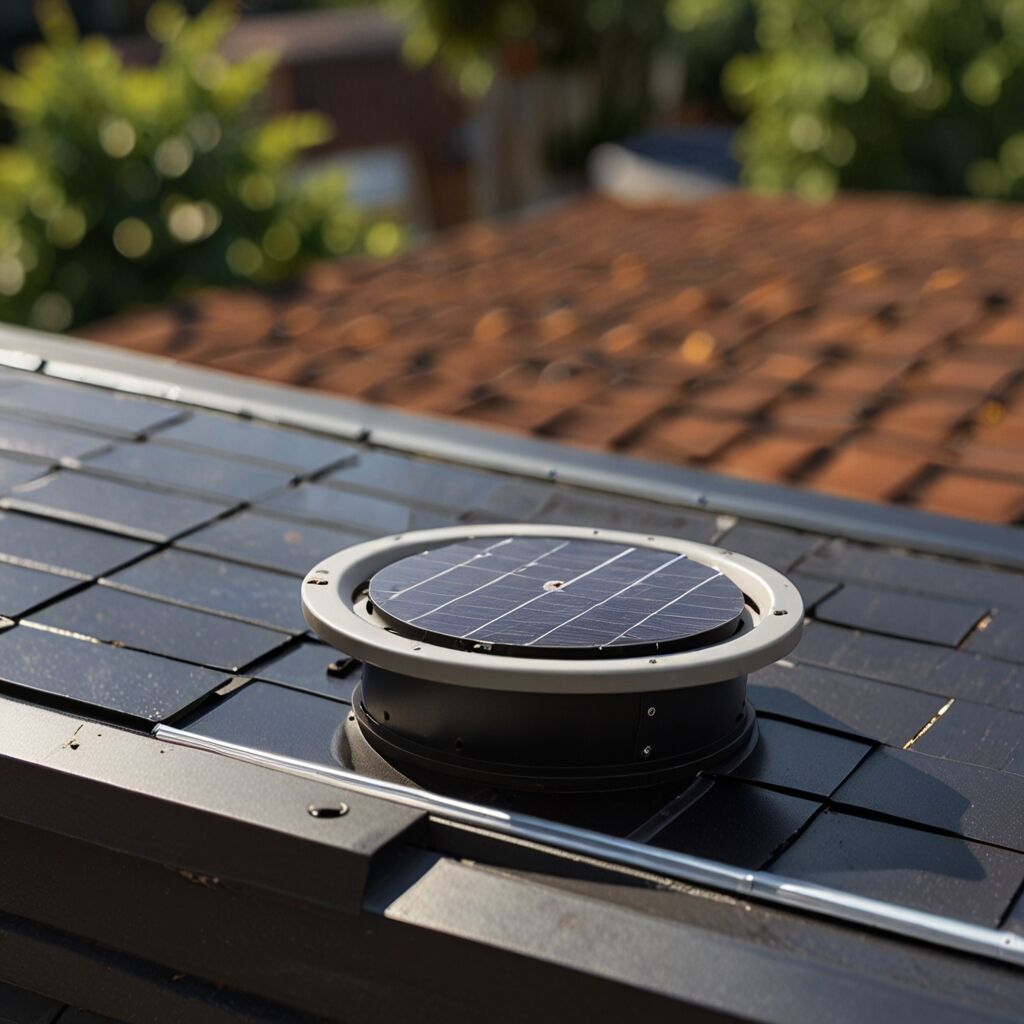
Key Considerations for Installing Solar Attic Fans
Before installing solar attic fans, consider the roof orientation, local sunlight exposure patterns, and attic dimensions to ensure optimal performance and proper sizing. Roof orientation plays a significant role in determining how much direct sunlight your fan receives throughout the day, with south-facing installations typically providing the best energy capture. Evaluate local sunlight exposure by observing shadows and obstructions during different times and seasons. Attic dimensions, including total square footage and ceiling height, help determine the required airflow capacity measured in cubic feet per minute (CFM). Proper assessment of these factors ensures you select appropriately sized equipment capable of handling your specific ventilation requirements.
Who Should Use Solar Attic Fan Angle Adjustment?
Homeowners in regions with significant seasonal sun angle variations benefit most from adjustable solar attic fans, particularly those living in northern climates where winter sun angles differ dramatically from summer positions. Properties with solar attic fan maintenance requirements should consider adjustable models for long-term performance optimization. DIY enthusiasts who enjoy seasonal home maintenance tasks often appreciate the ability to fine-tune their system’s performance. Homes with complex rooflines or partial shading conditions typically see greater benefits from angle adjustment capabilities. Energy-conscious homeowners seeking maximum return on investment should prioritize adjustable mounting systems.
Cost Considerations for Angle Adjustment Systems
- Basic manual adjustment systems typically add $50-100 to initial fan costs.
- Professional installation of adjustable mounts ranges from $150-300 depending on complexity.
- DIY angle adjustment requires basic tools worth approximately $25-50 if not already owned.
- Seasonal adjustment maintenance takes 20-40 minutes twice yearly for most systems.
- Energy savings from proper angle adjustment often recover additional costs within 1-2 years.
- Automatic tracking systems cost $200-500 more but eliminate manual adjustment needs.
- Long-term maintenance costs remain minimal with quality adjustment hardware lasting 10+ years.
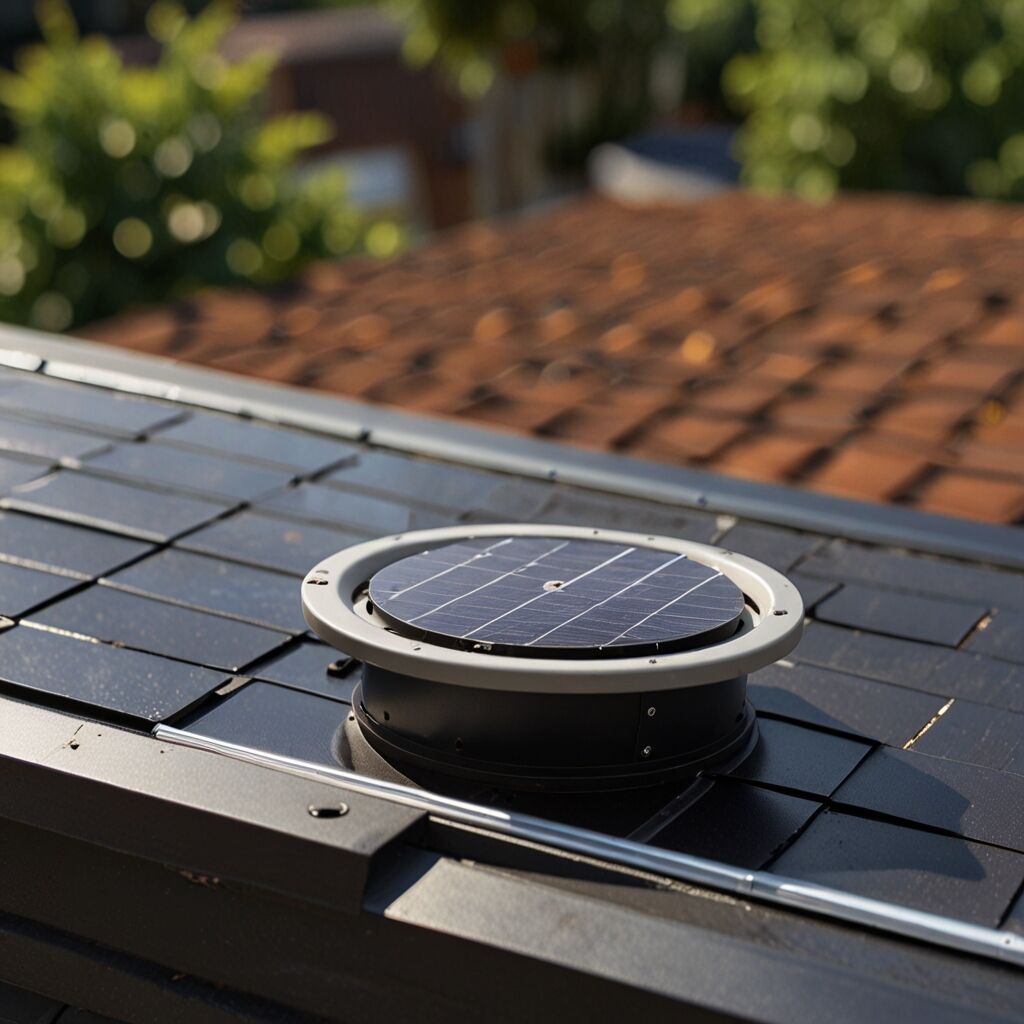
Seasonal Adjustments for Optimizing Solar Attic Fan Performance
Seasonal factors such as changing sun angles and varying daylight hours significantly impact solar attic fan performance, requiring periodic angle adjustments for optimal efficiency. Weather sealing applications for solar fans should be checked during seasonal adjustments to maintain performance. In summer, position panels at steeper angles (40-45 degrees) to capture high-altitude sun rays, while winter requires lower angles (25-35 degrees) to maximize exposure to the lower sun path. Spring and fall transitions benefit from moderate angles around 30-40 degrees as optimal compromise positions. These adjustments help ensure maximum efficiency by enhancing sunlight capture throughout the year while maintaining consistent ventilation performance.
When to Perform Seasonal Angle Adjustments
Perform seasonal angle adjustments during spring (March-April) and fall (September-October) transitions when sun angles change most dramatically and before peak heating or cooling seasons begin. The timing typically coincides with daylight saving time changes, making it easy to remember as part of routine home maintenance. Monitor your fan’s performance during the first few weeks after adjustment to ensure optimal operation and energy capture. Consider weather patterns when scheduling adjustments, choosing clear, dry days for safety and convenience. Most homeowners find that semi-annual adjustments provide the best balance between performance optimization and maintenance effort.
Common Installation Mistakes and How to Avoid Them
Many homeowners encounter frequent mistakes when installing solar attic fans, with the most common errors including incorrect angle calculations, inadequate weatherproofing, and poor cable management during adjustments. Improper angle determination often results from failing to account for seasonal sun path variations or geographic latitude differences. Overlooking proper sealing around adjustment mechanisms can lead to air leaks and reduced efficiency. To avoid these pitfalls, carefully research your location’s optimal angles using solar calculators, ensure all seals remain intact during adjustments, and follow manufacturer specifications for your specific model and climate zone.
What Are the Limitations of Angle Adjustment?
The limitations of angle adjustment include mechanical wear from frequent changes, potential weatherproofing challenges, and diminishing returns in certain geographic locations or heavily shaded areas. Warranty considerations for solar attic fans may be affected by frequent adjustments if not performed according to manufacturer guidelines. Adjustment mechanisms can experience loosening over time, requiring periodic inspection and maintenance. Some roof configurations limit adjustment ranges due to structural constraints or surrounding obstacles. Manual adjustment systems require homeowner involvement and may be neglected, reducing their effectiveness compared to fixed installations optimized for average conditions.
Tools and Materials Needed for Angle Adjustment
- Socket wrench set (typically 10mm, 3/8″, and 7/16″ sizes) for mounting hardware.
- Digital angle finder or smartphone level app for precise angle measurement.
- Safety equipment including non-slip shoes and roof-rated ladder for secure access.
- Weatherproof sealant for maintaining gasket integrity around adjustment points.
- Torque wrench for proper tightening specifications (usually 15-25 ft-lbs).
- Flashlight or headlamp for inspecting connections and hardware during adjustment.
- Owner’s manual with manufacturer-specific angle recommendations and adjustment procedures.
Who Benefits Most from Installing Solar Attic Fans in Their Home
Homeowners who seek energy efficiency solutions and live in regions with abundant sunshine benefit most from solar attic fans with angle adjustment capabilities. These systems are ideal for those in climates with significant seasonal temperature variations where heat buildup becomes problematic during summer months. Eco-conscious homeowners looking for sustainable home improvement projects find adjustable solar attic fans appealing because they maximize renewable energy utilization. Families wanting to reduce energy bills should consider this investment, as properly adjusted systems can provide cooling cost reductions of typically 15-25%. Property owners with south-facing roof areas and minimal shading see the greatest return on investment from angle adjustment features.
Geographic and Climate Considerations for Angle Adjustment
Geographic location significantly influences the benefits of angle adjustment, with northern latitudes (above 40 degrees) seeing the most dramatic seasonal sun angle variations requiring adjustment. Understanding solar attic fan mechanics helps homeowners in different climates optimize their systems effectively. Regions with distinct seasons and varying daylight hours throughout the year benefit most from adjustable mounting systems. Coastal areas with frequent weather pattern changes often see improved performance from seasonal adjustments. Desert climates with intense summer sun may require more frequent fine-tuning to prevent overheating while maintaining optimal energy capture during moderate seasons.