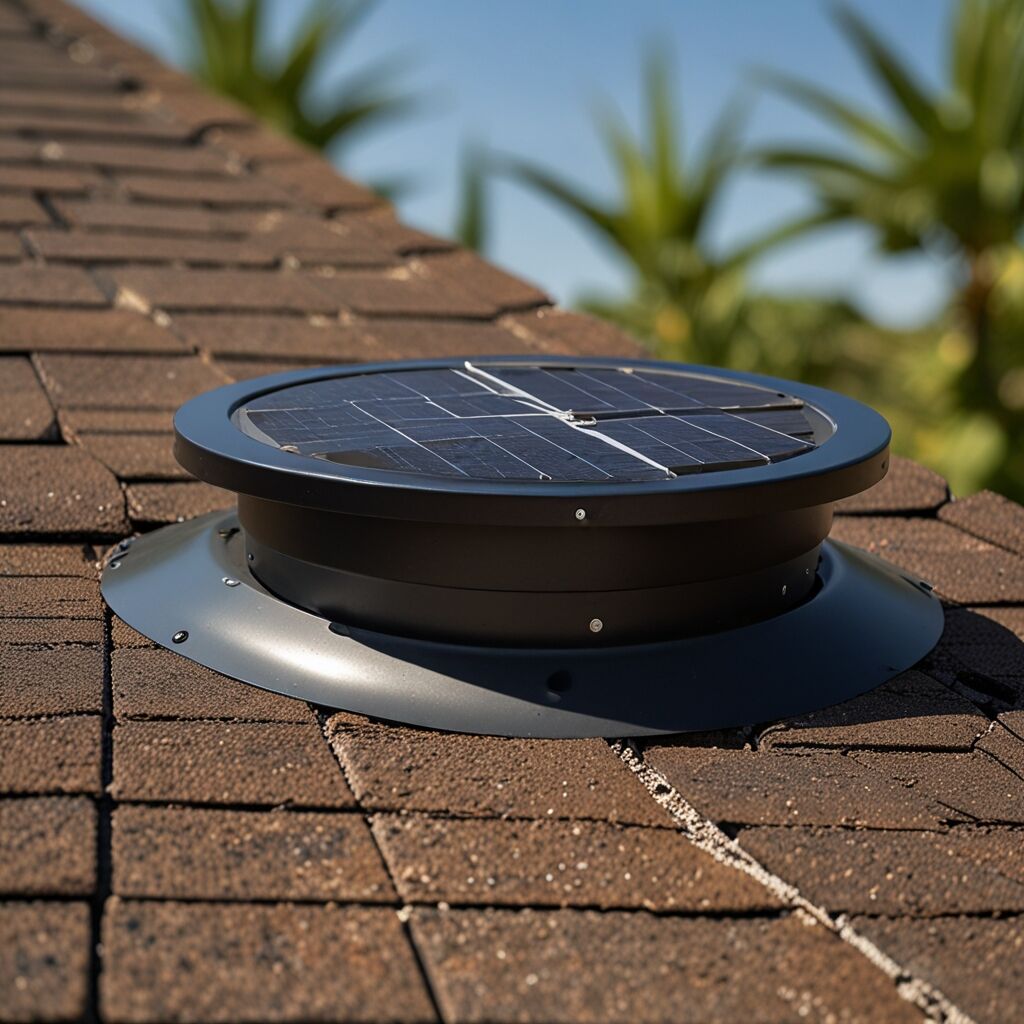
Solar attic fans with battery backup are ventilation systems that combine renewable energy operation with stored power capabilities, ensuring continuous attic cooling even during outages or nighttime. These roof-mounted devices extract hot air from attic spaces while using solar panels for primary power and rechargeable batteries for backup operation. The system typically provides several hours of ventilation during power interruptions, making it reliable for consistent home comfort.
Understanding Solar Attic Ventilation with Battery Backup Systems
Solar-powered attic ventilation works by harnessing sunlight to power exhaust fans that remove heated air from attic spaces. The process involves solar panels converting sunlight into electricity, which operates the fan motor during daylight hours. When integrated with battery backup, these systems store excess energy generated during peak sun exposure. This stored energy powers the ventilation fan during cloudy conditions, nighttime, or power outages, ensuring consistent airflow when traditional electrical systems fail.
Battery backup systems typically use deep-cycle batteries designed for repeated charging and discharging cycles. The backup power duration depends on battery capacity and fan power consumption, generally ranging from several hours to overnight operation. Most systems include charge controllers that prevent battery overcharging and optimize energy storage efficiency. This combination makes solar attic fans particularly valuable for homeowners in areas with frequent power disruptions or those seeking energy independence.
Key Components of Solar Attic Fan Battery Systems
The complete system consists of several integrated components working together for optimal performance. Solar panels, typically mounted near the fan unit, capture sunlight and convert it to electrical energy. The charge controller manages power flow between the solar panels, batteries, and fan motor, preventing damage from voltage fluctuations. Deep-cycle batteries store energy for use during low-light conditions, while the fan assembly includes the motor, blades, and housing designed for continuous outdoor operation.
Quality systems also include weatherproof connections, mounting hardware designed for various roof types, and sometimes inverters for AC-powered fans. Many modern units feature built-in thermostats or humidity sensors that automatically adjust operation based on attic conditions. When considering energy efficiency solutions for your home, a comprehensive solar attic fan comparison helps identify the most suitable system configuration.
How Solar Attic Fans Operate with Battery Power
During daylight hours, solar panels generate electricity that directly powers the attic fan while simultaneously charging the backup battery system. The charge controller regulates this process, ensuring batteries receive appropriate voltage and current for safe, efficient charging. When solar production exceeds fan consumption, excess energy flows to battery storage. Conversely, during periods of insufficient solar generation, the system automatically draws power from the stored battery supply.
The transition between solar and battery power occurs seamlessly, with most systems featuring automatic switching mechanisms. Battery backup typically activates when solar panel output drops below the fan’s power requirements, which commonly happens during overcast conditions, dawn, dusk, or nighttime. The fan continues operating at normal speed using stored energy, maintaining consistent attic ventilation regardless of weather conditions or time of day.
Benefits of Continuous Attic Ventilation
Consistent attic airflow provides multiple advantages for home comfort and energy efficiency. Proper ventilation helps prevent heat buildup during summer months, reducing the workload on air conditioning systems and potentially lowering cooling costs. During winter, adequate air circulation helps prevent moisture accumulation that can lead to condensation, ice dam formation, and potential structural damage.
Battery backup ensures these benefits continue even when solar generation is limited. Nighttime cooling allows attic temperatures to drop more quickly after hot days, while operation during power outages maintains air quality and prevents humidity-related issues. Many homeowners find that exploring detailed pros and cons comparisons helps them understand the full scope of continuous ventilation benefits.
Advantages of Battery-Powered Solar Attic Systems
Battery backup integration offers several practical advantages for homeowners seeking reliable attic ventilation. The primary benefit is uninterrupted operation during power outages, which can be crucial during extreme weather events when grid electricity fails but ventilation remains necessary. This reliability ensures consistent indoor comfort and helps protect stored items in the attic from temperature and humidity fluctuations.
Energy independence represents another significant advantage, as these systems operate without drawing power from the electrical grid. This independence can provide modest reductions in electricity costs, though savings vary considerably based on local utility rates, climate conditions, and individual usage patterns. The environmental benefits include reduced reliance on fossil fuel-generated electricity and zero operational emissions.
Operational Reliability During Power Interruptions
When electrical grid power fails, battery-backed solar attic fans continue operating normally, maintaining air circulation when it may be most needed. During summer power outages, continued ventilation helps prevent dangerous heat buildup in attic spaces and reduces stress on backup generators or portable cooling devices. The system’s ability to operate independently becomes particularly valuable during extended outages following severe weather events.
Battery capacity determines operational duration during outages, with typical residential systems providing anywhere from several hours to multiple days of continuous operation, depending on battery size and fan power consumption. Regular maintenance and proper battery care help ensure reliable backup performance when needed most.
Realistic Performance Expectations
- Battery backup duration varies significantly based on battery capacity and fan power draw
- Solar charging effectiveness depends heavily on roof orientation, shading, and geographic location
- Performance varies seasonally due to changing sunlight hours and intensity
- Initial system costs typically range from several hundred to over one thousand dollars
- Battery replacement may be required every few years depending on usage and quality
- Installation complexity varies based on roof type and electrical requirements
- Actual energy savings depend on local climate, home insulation, and cooling system efficiency
When Battery Backup Makes Most Sense
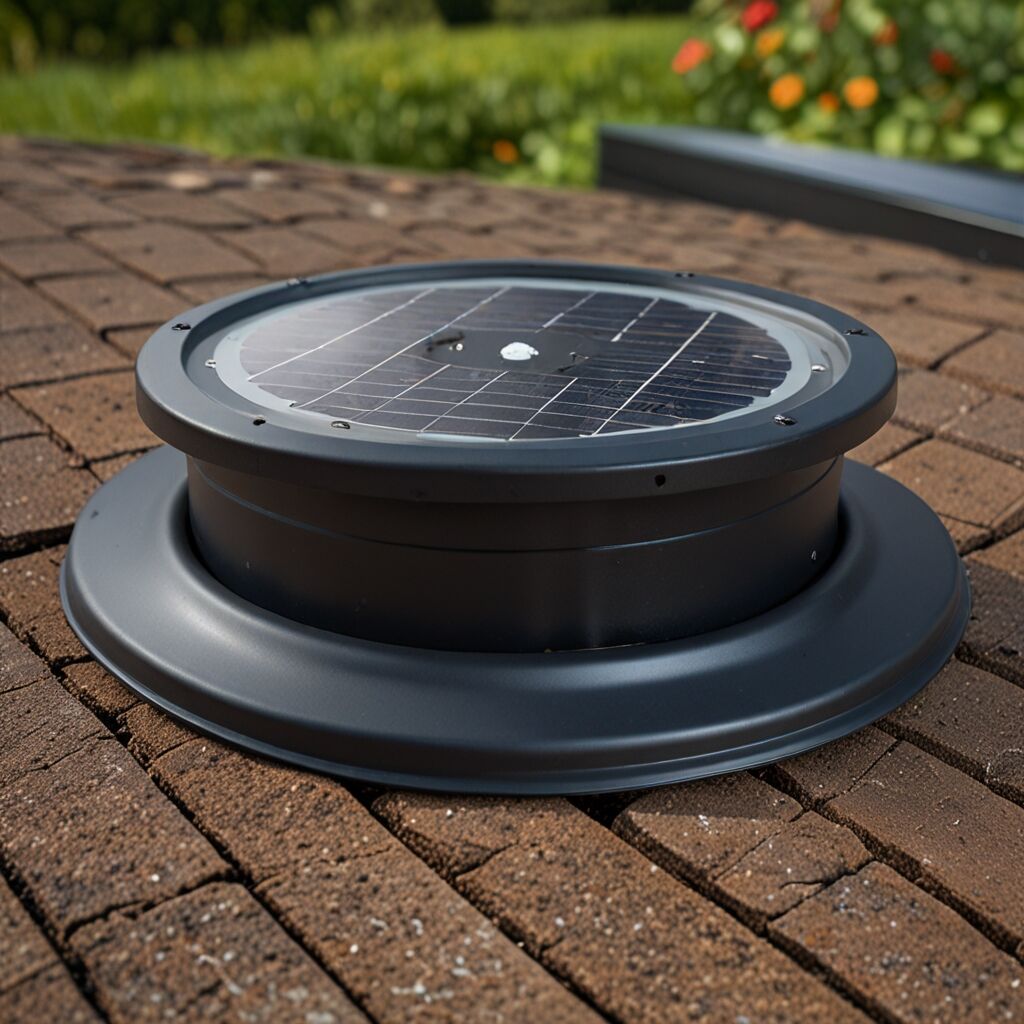
Battery backup systems provide the greatest value in specific situations where continuous ventilation is particularly important. Homes in areas prone to frequent power outages benefit significantly from uninterrupted attic ventilation, especially during summer months when heat buildup can become problematic quickly. Geographic regions with inconsistent weather patterns or frequent storms also see advantages from the enhanced reliability.
Properties with valuable items stored in attic spaces may justify battery backup to maintain stable temperature and humidity conditions. Similarly, homes with living spaces in upper floors or converted attics require consistent air circulation for occupant comfort. Areas with high electricity costs may find the energy independence aspect particularly appealing, though cost savings alone rarely justify the additional expense of battery systems.
Factors Affecting Battery System Performance
Several key factors influence the effectiveness and efficiency of battery backup systems for solar attic fans. Battery capacity, measured in amp-hours, directly determines how long the system can operate without solar charging. Higher capacity batteries provide longer backup duration but also increase system cost and complexity.
Fan power consumption significantly impacts battery life, with more powerful fans draining batteries more quickly. Environmental factors such as temperature extremes can affect battery performance and lifespan. Proper battery maintenance, including regular charging and protection from extreme temperatures, helps ensure optimal performance and longevity. Understanding these factors helps homeowners make informed decisions about system sizing and expectations.
Optimal Installation Locations for Solar Attic Ventilation
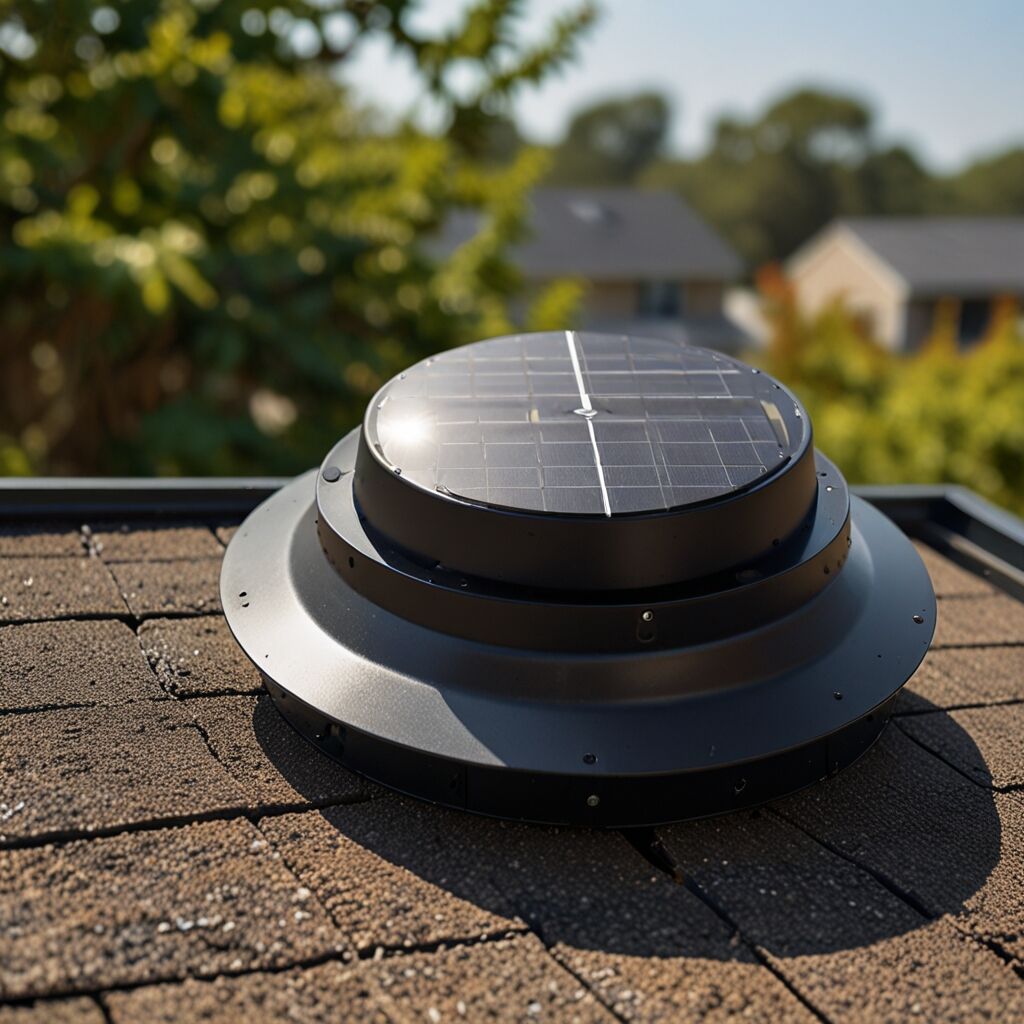
Proper installation location significantly impacts solar attic fan performance and battery charging efficiency. South-facing roof sections typically receive the most consistent sunlight throughout the day, maximizing solar panel output and battery charging. West-facing installations can also work well, particularly in areas where afternoon sun is strong and consistent.
The fan should be positioned near the roof peak or ridge for optimal hot air extraction, as heated air naturally rises to the highest points in attic spaces. Avoid areas with significant shading from trees, chimneys, or other roof features that could reduce solar panel effectiveness. Consider future shading as trees grow or new construction occurs nearby. For comprehensive guidance on installation considerations, reviewing various use case scenarios provides valuable insights.
Installation Considerations for Maximum Efficiency
Successful installation requires careful consideration of both ventilation effectiveness and solar charging optimization. The fan location should provide unobstructed airflow paths while maintaining adequate clearance from roof edges and other structures. Solar panel positioning should maximize sun exposure throughout the day, particularly during peak charging hours.
Roof structural integrity must support both the fan unit and any additional battery housing. Some systems require weatherproof battery enclosures, which may need separate mounting considerations. Professional installation often ensures optimal positioning and proper weatherproofing, though experienced DIY homeowners can successfully install many systems with appropriate preparation and tools.
Location Selection Priorities
- Prioritize unshaded roof areas for consistent solar panel performance
- Position fans at or near roof peaks for optimal hot air extraction
- Ensure adequate structural support for fan and battery components
- Consider accessibility for future maintenance and battery replacement
- Account for local building codes and HOA restrictions if applicable
- Plan for proper weatherproofing of all electrical connections
- Evaluate compatibility with existing roof ventilation systems
Who Benefits Most from Battery-Backed Solar Ventilation
Homeowners in specific situations gain the most value from solar attic fans with battery backup systems. Those living in areas with unreliable electrical grids find the backup power particularly valuable for maintaining comfort during outages. Properties in regions with extreme summer temperatures benefit from continuous cooling, even during nighttime hours when solar charging isn’t available.
Energy-conscious homeowners seeking to reduce grid dependence often appreciate the self-sufficient operation of these systems. DIY enthusiasts may enjoy the installation and maintenance aspects, though professional installation ensures optimal performance. Homes with expensive items stored in attics gain protection from temperature and humidity fluctuations that could cause damage.
Situations Where Battery Backup Adds Significant Value
Battery backup provides the most benefit in scenarios where continuous ventilation is crucial for comfort or property protection. Homes with finished attic spaces or upper-floor bedrooms require consistent air circulation for livability. Properties in hurricane-prone areas or regions with frequent summer storms benefit from ventilation that continues during power outages.
Rural properties or areas with aging electrical infrastructure often experience more frequent power interruptions, making backup power more valuable. Homes with solar panel systems may appreciate the additional energy storage capability that batteries provide. The decision to add battery backup should consider local climate patterns, electrical grid reliability, and specific household needs.
Types and Features of Solar Attic Ventilation Systems
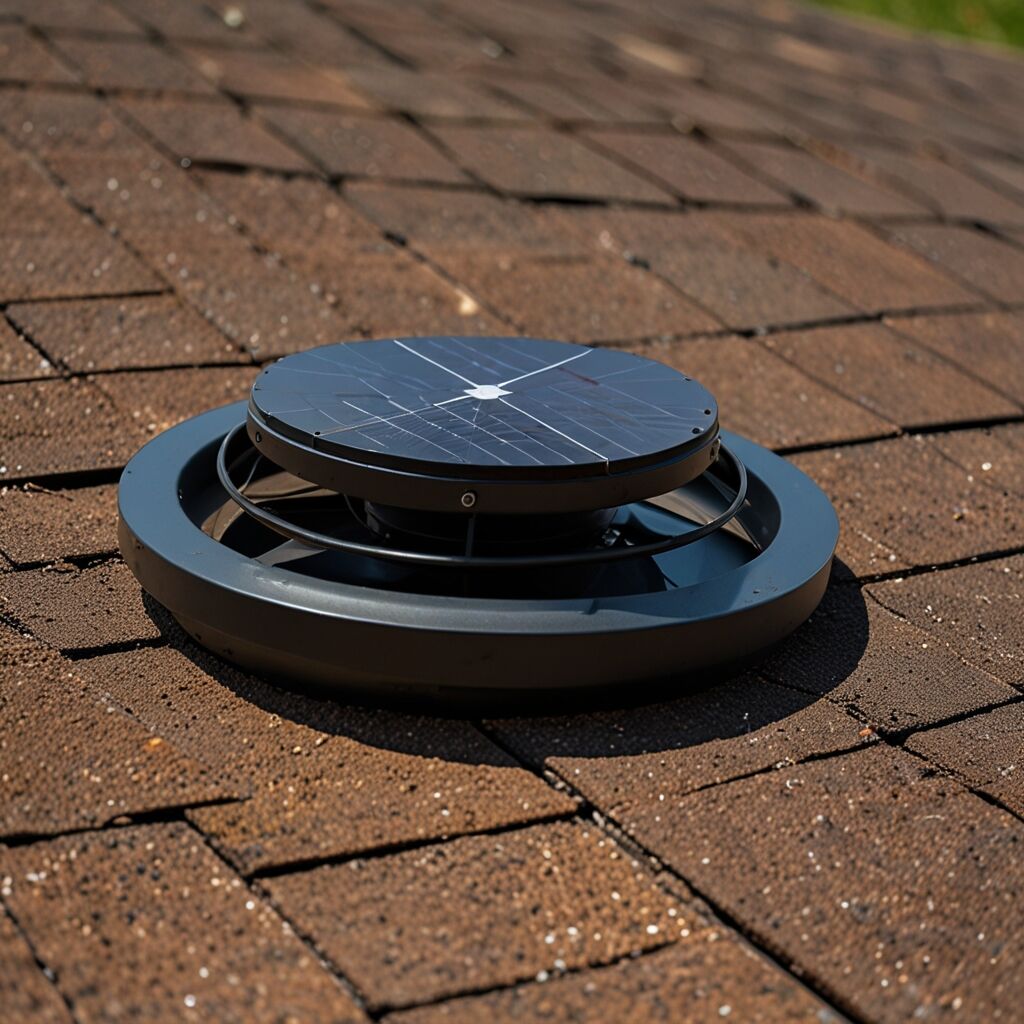
Solar attic fans come in several configurations to suit different roof types and ventilation needs. Roof-mounted units install directly onto the roof surface and work well for most residential applications. Gable-mounted fans install in existing gable vents and may be easier to install in some situations. Ridge-mounted systems provide distributed ventilation along the roof peak.
When evaluating battery backup options, consider capacity requirements based on expected runtime needs and fan power consumption. Some systems feature integrated batteries within the fan housing, while others use separate battery enclosures that can be located in more accessible areas for maintenance. Quality systems include charge controllers, low-voltage disconnect protection, and weatherproof connections designed for long-term outdoor use.
Essential Features for Reliable Operation
Quality solar attic fan systems incorporate several features that enhance reliability and performance. Variable speed controls allow the fan to adjust operation based on temperature or other conditions, optimizing energy usage and extending battery life. Built-in thermostats or humidity sensors provide automatic operation without manual intervention.
Durable construction materials resist weather exposure and UV degradation over many years of operation. Quality motors and bearings ensure quiet operation and long service life. Comprehensive warranty coverage indicates manufacturer confidence in product reliability. When researching options, examining detailed attribute comparisons helps identify systems with the most valuable features for specific applications.
Important Considerations for System Selection
- Battery capacity should match expected backup duration requirements
- Fan power consumption affects both solar panel sizing and battery life
- Charge controller quality impacts system reliability and battery longevity
- Warranty coverage varies significantly between manufacturers and models
- Installation complexity depends on roof type and system configuration
- Maintenance requirements include battery care and periodic system inspection
- Local climate affects both solar charging potential and ventilation needs
Maintaining Solar Attic Fan Battery Systems
Regular maintenance ensures optimal performance and longevity of solar attic fan battery backup systems. Solar panels require periodic cleaning to remove dust, debris, and other materials that can reduce charging efficiency. Gentle washing with water and mild soap typically suffices, though safety precautions are essential when working on roofs.
Battery maintenance involves checking connections for corrosion, ensuring proper voltage levels, and monitoring overall battery health. Most deep-cycle batteries benefit from periodic equalization charging and should be protected from extreme temperatures when possible. System connections should be inspected annually for signs of wear, corrosion, or loose fittings that could affect performance.
Battery Care and Replacement Guidelines
Proper battery care significantly extends system life and maintains reliable backup performance. Deep-cycle batteries used in solar applications typically last several years with appropriate maintenance, though lifespan varies based on usage patterns, environmental conditions, and battery quality. Signs of battery deterioration include reduced backup duration, difficulty holding charge, or physical swelling.
Battery replacement should use compatible types with similar capacity and voltage ratings. Proper disposal of old batteries is important for environmental protection, with many retailers and recycling centers accepting used batteries. Maintaining detailed records of battery performance helps identify when replacement becomes necessary and can assist with warranty claims if applicable. For additional maintenance insights and system optimization tips, consulting frequently asked questions provides helpful guidance.