Solar attic fans are ventilation devices that use sunlight to power exhaust fans, removing hot air from attics automatically. Optimal sunlight exposure increases fan runtime by 40-60%, typically requiring 6-8 hours of direct sunlight daily for peak performance. Comparing different solar attic fan models helps homeowners select units that maximize energy efficiency through strategic positioning and proper solar panel orientation for enhanced ventilation benefits.
Understanding Solar Attic Fans and Their Energy-Saving Benefits
Solar attic fans are renewable energy ventilation systems that combine solar panels with exhaust fans to remove heated air from attic spaces. These devices work by harnessing sunlight to power electric motors, which drive fan blades that pull hot air upward and out through roof vents. The primary function involves creating negative pressure in attics, which draws cooler outside air through soffit vents while expelling superheated air that can reach temperatures exceeding 150°F during summer months.
Energy savings from solar attic fans typically range from $15-45 monthly on cooling costs, depending on home size and climate conditions. The fans reduce attic temperatures by 20-40 degrees Fahrenheit, which decreases heat transfer into living spaces below. This temperature reduction means air conditioning systems work less frequently, consuming 10-25% less electricity during peak cooling seasons. Installation costs generally range from $300-800 for quality units, with most homeowners recovering expenses within 2-4 years through reduced energy bills.
How Solar Panels Power Attic Ventilation Systems
Solar panels on attic fans convert sunlight into direct current electricity, which powers brushless DC motors designed for continuous operation. These photovoltaic cells typically produce 10-40 watts of power, sufficient to operate fans moving 500-1600 cubic feet of air per minute. The electrical system includes charge controllers that regulate power flow and may incorporate battery backup systems for limited operation during cloudy conditions.
Peak performance occurs when solar panels receive perpendicular sunlight, usually between 10 AM and 3 PM during clear weather. Professional testing reveals that solar attic fans achieve maximum efficiency when panels face south at angles matching local latitude, typically 30-45 degrees in most U.S. locations.
Maximizing Natural Sunlight for Optimal Fan Performance
Direct sunlight exposure is the primary factor determining solar attic fan effectiveness, with performance declining significantly under shaded or cloudy conditions. Fans operating in full sunlight typically move 30-50% more air compared to units receiving partial shade from trees, chimneys, or adjacent structures. Understanding sun path throughout different seasons helps homeowners position fans where they receive maximum daily solar exposure.
Sunlight intensity varies throughout the day, with peak solar irradiance occurring around solar noon when the sun reaches its highest point. During summer months, well-positioned solar attic fans can operate 8-12 hours daily, while winter operation may reduce to 4-6 hours due to shorter days and lower sun angles. Weather conditions significantly impact performance, with overcast skies reducing solar panel output to 10-25% of clear-day capacity.
Strategic Solar Panel Positioning Techniques
Optimal solar panel placement requires south-facing orientation with minimal obstructions blocking sunlight between 9 AM and 4 PM. Panels should be tilted at angles approximating local latitude to capture maximum solar energy throughout the year. For most residential installations, this means tilting panels 25-40 degrees from horizontal, though adjustable mounting systems allow seasonal optimization.
Common positioning mistakes include installing fans on north-facing roof slopes, placing units too close to chimneys or dormers that create shadows, and failing to account for tree growth that may shade panels over time. Homeowners should evaluate potential obstructions during different seasons, as deciduous trees may allow winter sunlight while blocking summer exposure when leaves are present.
Installation Strategies for Enhanced Sunlight Capture
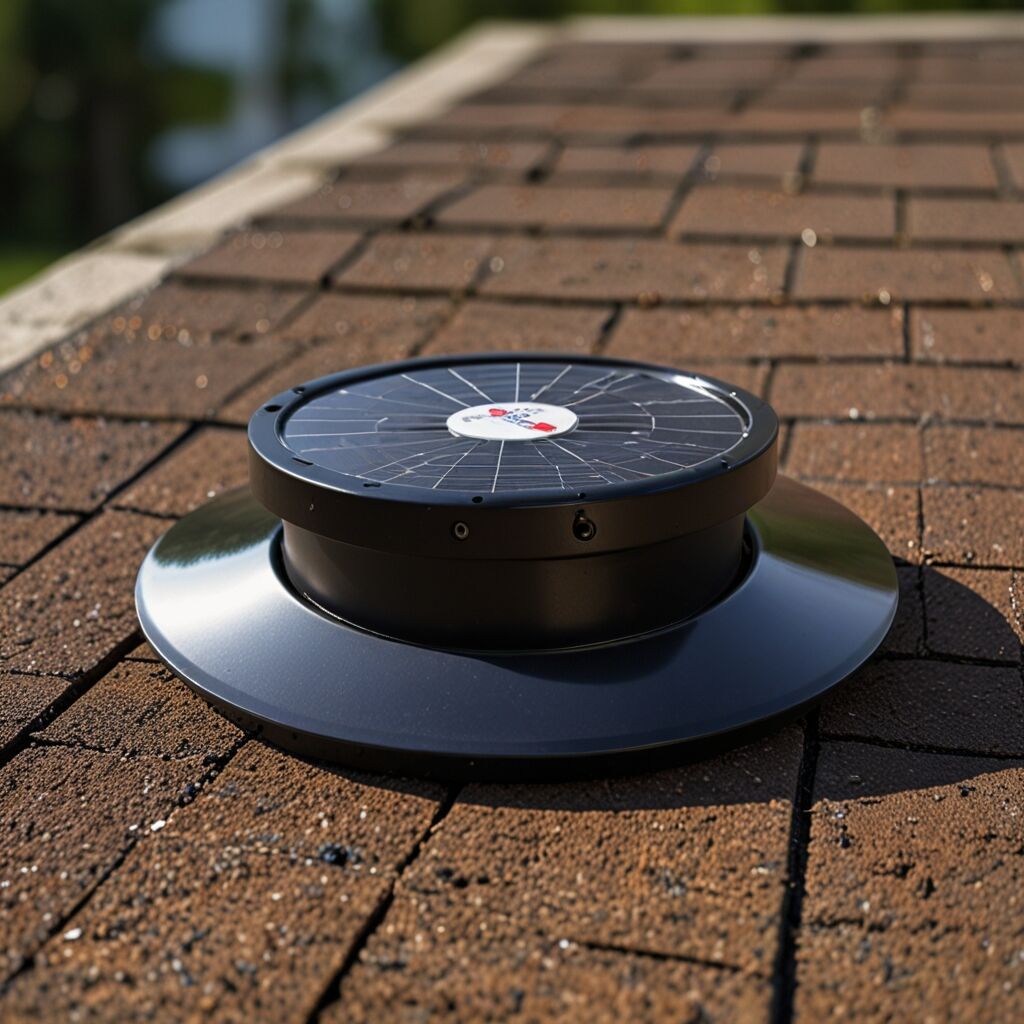
Proper installation location significantly impacts solar attic fan performance, with south-facing roof slopes providing 15-25% more annual solar exposure compared to east or west orientations. Ridge installations often receive optimal sunlight throughout the day, while gable-end placements may experience morning or afternoon shading depending on home orientation and surrounding structures.
Reflective materials can enhance solar panel efficiency by directing additional light toward photovoltaic cells. Installing reflective barriers or light-colored roofing materials near fan locations can increase solar irradiance by 5-15%. However, homeowners should ensure reflective surfaces don’t create hot spots that could damage solar panels or surrounding roofing materials.
Using Reflective Surfaces to Boost Solar Efficiency
Reflective attic barriers made from aluminum foil or radiant barrier materials can redirect sunlight toward solar panels while providing additional insulation benefits. These materials work best when positioned to reflect morning or late afternoon sunlight when direct solar exposure might be limited. Proper installation involves securing reflective materials 1-2 inches from roof decking to create air gaps that enhance thermal performance.
Maintenance of reflective surfaces involves periodic cleaning to remove dust, debris, or oxidation that reduces reflectivity. Most reflective barriers maintain effectiveness for 10-15 years when properly installed, though exposure to extreme temperatures may cause degradation over time. Understanding warranty coverage for solar components helps homeowners plan for long-term maintenance requirements.
Key Performance Metrics for Solar Attic Fans
- Solar attic fans reduce attic temperatures by 20-40°F during peak summer conditions.
- Optimal sunlight exposure increases fan runtime by 40-60% compared to shaded installations.
- Most units operate 6-10 hours daily during summer months with adequate solar exposure.
- Proper south-facing installation can boost annual performance by 15-25%.
- Peak solar irradiance occurs between 10 AM and 3 PM for maximum fan operation.
- Energy savings typically range from $15-45 monthly depending on home size and climate.
- Quality solar attic fans last 15-25 years with minimal maintenance requirements.
Selecting Optimal Locations for Solar Attic Fan Installation
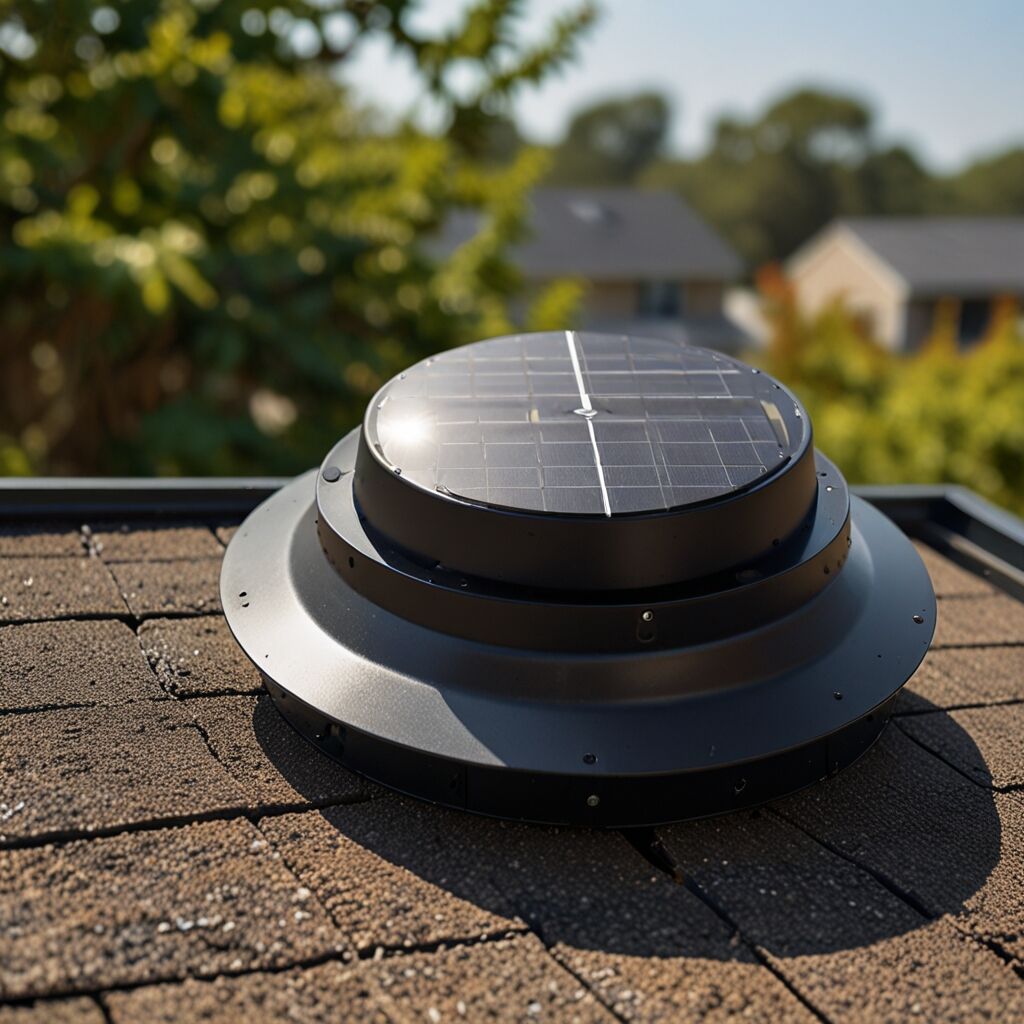
Location selection involves evaluating roof orientation, structural support, existing ventilation, and potential obstructions that could limit solar exposure. South-facing installations typically receive 6-8 hours of direct sunlight during summer months, while east or west orientations may provide 4-6 hours. North-facing installations are generally unsuitable except in specific geographic locations or architectural configurations.
Structural considerations include verifying adequate roof framing to support fan weight and vibration, ensuring proper weatherproofing around installation sites, and maintaining appropriate distances from roof edges or other penetrations. Most solar attic fans weigh 15-35 pounds and require secure mounting to prevent wind damage or water infiltration.
Ridge vs. Gable Installation Considerations
Ridge installations offer advantages including optimal solar exposure, effective hot air removal from peak attic areas, and integration with existing ridge vent systems. However, ridge mounting requires careful weatherproofing and may involve higher installation complexity compared to gable-end placement.
Gable installations provide easier access for maintenance, simplified electrical connections, and reduced risk of roof leaks when properly installed. The main limitation involves potential shading from roof overhangs or adjacent structures that could reduce daily solar exposure. Homeowners should evaluate their specific roof configuration and surrounding environment when choosing between installation methods.
Seasonal Variations and Their Impact on Fan Performance
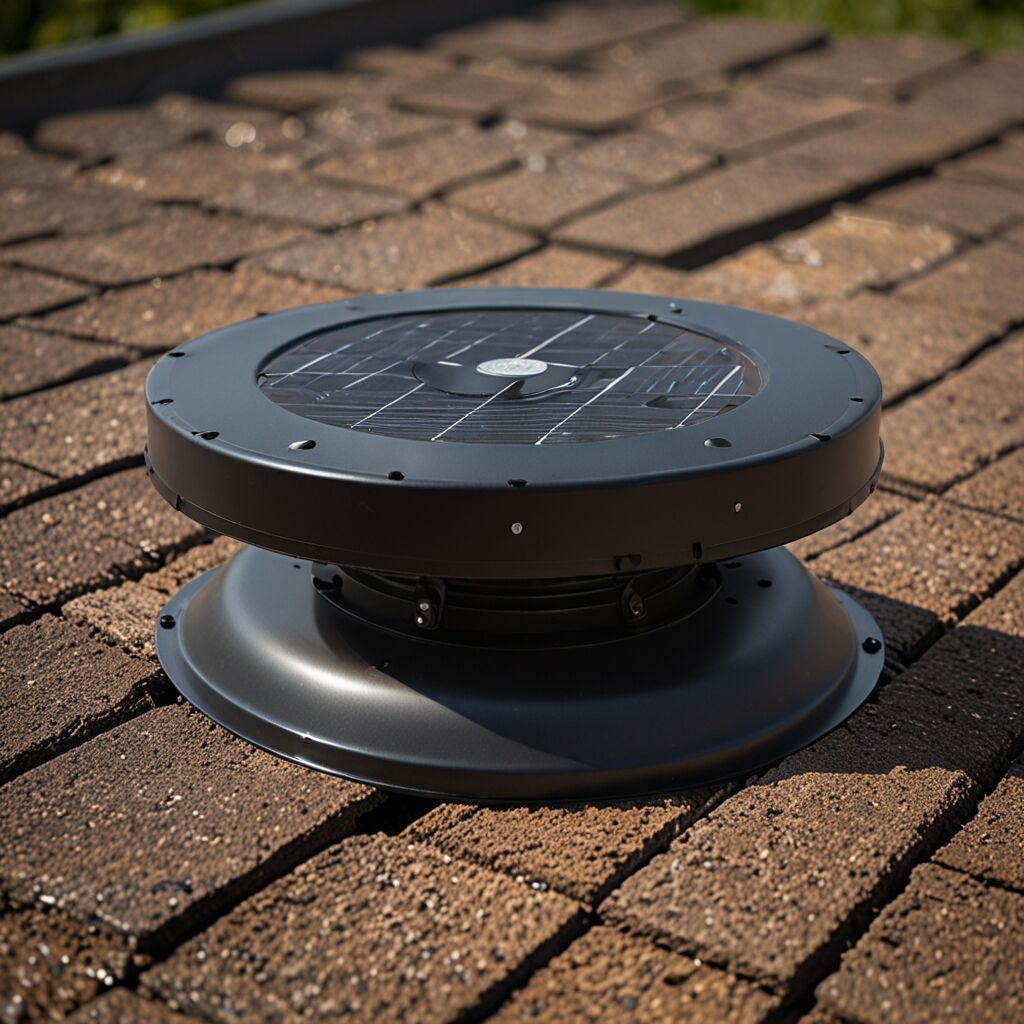
Seasonal changes significantly affect solar attic fan performance due to varying sun angles, daylight duration, and weather patterns. Summer operation typically provides 8-12 hours of fan runtime with maximum cooling benefit when attic ventilation is most needed. Winter operation decreases to 3-6 hours daily, though reduced cooling demand makes this adequate for most applications.
Sun angle variations throughout the year mean solar panels receive different amounts of direct sunlight depending on installation tilt and orientation. Fixed installations optimized for summer performance may receive less winter sunlight, while adjustable systems allow seasonal optimization. Snow accumulation can temporarily reduce solar panel efficiency, though most installations shed snow naturally due to panel angle and heat generation.
Adapting to Changing Sunlight Angles
Winter sun angles are typically 20-25 degrees lower than summer positions, which can reduce solar panel efficiency by 15-30% depending on installation tilt. Panels tilted at steeper angles maintain better winter performance but may sacrifice some summer efficiency. Understanding these trade-offs helps homeowners optimize installations for their specific climate and cooling requirements.
Tree shading patterns change seasonally as deciduous trees lose leaves, potentially improving winter solar access while reducing summer exposure. Homeowners should evaluate shading throughout the year and consider tree trimming or removal if vegetation significantly impacts fan performance. Evergreen trees maintain consistent shading patterns but may require different management strategies.
Seasonal Performance Optimization Benefits
- Summer operation provides maximum cooling when attic temperatures peak above 140°F.
- Consistent solar exposure ensures reliable ventilation during hot weather periods.
- Reduced winter operation aligns with decreased cooling demand in most climates.
- Year-round moisture removal helps prevent condensation and mold growth issues.
- Automatic operation eliminates need for manual ventilation system management.
- Weather-resistant construction ensures reliable performance across seasonal temperature extremes.
- Low maintenance requirements make seasonal operation cost-effective long-term.
Common Installation and Operation Mistakes to Avoid
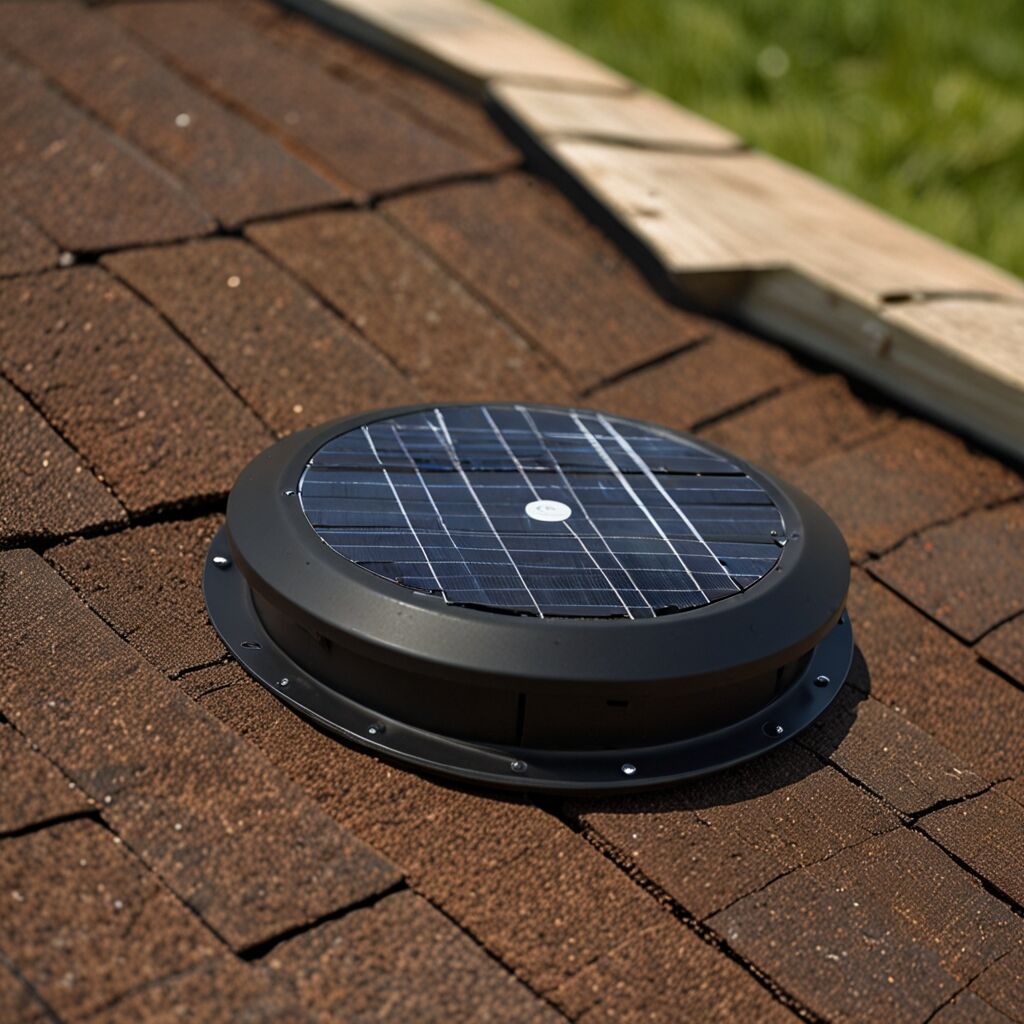
Inadequate solar exposure represents the most common mistake limiting solar attic fan effectiveness. Installing fans on north-facing roof slopes, positioning units where trees or structures create shade, or failing to account for future shading sources can reduce performance by 50-75%. Proper site evaluation should consider solar access throughout different seasons and times of day.
Undersized fan selection for attic volume creates insufficient ventilation despite optimal solar exposure. Fans should provide airflow capacity matching attic cubic footage, typically requiring 1 CFM per square foot of attic space. Oversized fans may draw conditioned air from living spaces if adequate intake ventilation isn’t provided through soffit or ridge vents.
Maintenance Requirements for Optimal Performance
Regular maintenance involves cleaning solar panels quarterly to remove dust, leaves, or debris that can reduce efficiency by 10-25%. Panel cleaning requires gentle washing with soap and water, avoiding abrasive materials that could scratch photovoltaic surfaces. Electrical connections should be inspected annually for corrosion or loosening that could interrupt power flow.
Fan blade cleaning and lubrication may be required every 2-3 years depending on environmental conditions and fan design. Some units feature sealed bearings requiring no lubrication, while others may need periodic maintenance. Evaluating the pros and cons of different fan designs helps homeowners understand maintenance requirements before installation.
Long-Term Benefits of Consistent Solar Attic Ventilation
Consistent solar attic ventilation provides cumulative benefits including extended roof life, improved indoor air quality, and sustained energy savings over 15-25 year equipment lifespans. Reduced attic temperatures prevent premature aging of roofing materials, particularly asphalt shingles that can deteriorate rapidly when exposed to excessive heat. This protection can extend roof life by 3-7 years in hot climates.
Indoor air quality improvements result from reduced moisture infiltration and decreased heat transfer that can create condensation problems. Proper attic ventilation helps maintain consistent indoor humidity levels, reducing mold growth potential and improving comfort. Energy savings compound annually, with total lifetime savings typically ranging from $2,000-6,000 depending on home size and local utility rates.
Optimizing Long-Term Solar Access and Performance
Maintaining optimal solar access requires periodic evaluation of potential obstructions and proactive tree management. Fast-growing trees may create new shading issues within 3-5 years, while structural additions or neighboring construction can impact solar exposure. Annual site assessments help identify developing problems before they significantly reduce fan performance.
Equipment monitoring through visual inspection or solar production meters helps detect declining performance that may indicate maintenance needs or component failure. Most quality solar attic fans maintain 80-90% of original performance after 10 years when properly maintained. Understanding the final verdict on different solar attic fan options helps homeowners make informed replacement decisions when equipment reaches end-of-life.
Popular Solar Attic Fan Features and Benefits
- Adjustable solar panels allow optimization for changing sun angles throughout seasons.
- Battery backup systems provide limited operation during cloudy weather periods.
- Brushless motors offer extended lifespan with minimal maintenance requirements over time.
- Thermostat controls automatically adjust operation based on attic temperature levels.
- Weather-resistant housing protects internal components from moisture and temperature extremes.
- Multiple fan speeds accommodate varying ventilation needs and solar power availability.
- Integrated LED indicators show operational status and potential maintenance needs.
Recognizing When Solar Attic Fan Replacement is Necessary
Performance decline indicators include reduced airflow, increased operating noise, intermittent operation despite adequate sunlight, or visible damage to solar panels or fan housing. Fans typically maintain effective operation for 15-25 years, though components may require replacement sooner in harsh weather climates or installations with inadequate maintenance.
Economic considerations for replacement include comparing repair costs to new equipment prices, evaluating energy efficiency improvements in newer models, and assessing changes in attic ventilation needs due to home modifications. Modern solar attic fans often provide 20-40% better efficiency compared to units installed 10-15 years ago, potentially justifying replacement even when older equipment remains functional.
Evaluating Current System Performance and Upgrade Options
Performance evaluation involves measuring current airflow rates, assessing solar panel output under optimal conditions, and comparing energy savings to baseline cooling costs. Professional assessment may be worthwhile for systems over 10 years old or installations showing declining performance.
Upgrade considerations include improved solar panel efficiency, enhanced fan motor design, smart controls for optimized operation, and integration with home automation systems. Newer units may offer features like remote monitoring, variable speed control, or enhanced weather resistance. Installation requirements for replacement units generally involve reusing existing roof penetrations while upgrading electrical connections and mounting hardware as needed.