Gable mount solar attic fans are ventilation systems installed on the triangular wall section beneath a peaked roof, using solar energy to expel hot attic air automatically. Strategic placement typically reduces attic temperatures by 20-30 degrees Fahrenheit while lowering cooling costs. Optimal positioning involves mounting the fan 3-6 feet below the roof peak on south or west-facing gables for maximum sunlight exposure throughout the day.
Understanding Gable Mount Solar Attic Fans
A gable mount solar attic fan is a solar-powered ventilation system installed at the gable end of an attic. These fans operate by harnessing sunlight through photovoltaic panels to power motors that remove hot, stagnant air from attic spaces. This process significantly improves air circulation while reducing energy consumption. The primary advantages include energy efficiency improvements, reduced HVAC workload, and environmental benefits from using renewable solar power instead of grid electricity.
Key Benefits of Solar Attic Ventilation Systems
Solar attic fans provide substantial benefits for homeowners seeking improved ventilation. They actively remove warm, stale air while drawing cooler air through soffit vents, creating continuous airflow. Energy efficiency benefits typically range from 10-30% cooling cost reduction, depending on climate conditions and home insulation quality. The environmental impact remains significant since solar-powered operation eliminates electricity consumption for ventilation. Comparing different solar attic fan models helps homeowners select systems designed for long-term performance and reliability.
How Solar Attic Fans Work and Harness Solar Energy
Solar attic fans operate through photovoltaic panels that convert sunlight into electrical energy. This electricity powers brushless DC motors that drive fan blades to create negative pressure in attic spaces. The process works by expelling hot air through the gable-mounted unit while drawing cooler outside air through intake vents. This continuous air exchange reduces heat buildup that typically occurs in poorly ventilated attics, which can reach temperatures exceeding 150 degrees Fahrenheit on summer days.
Essential Components of Solar Ventilation Systems
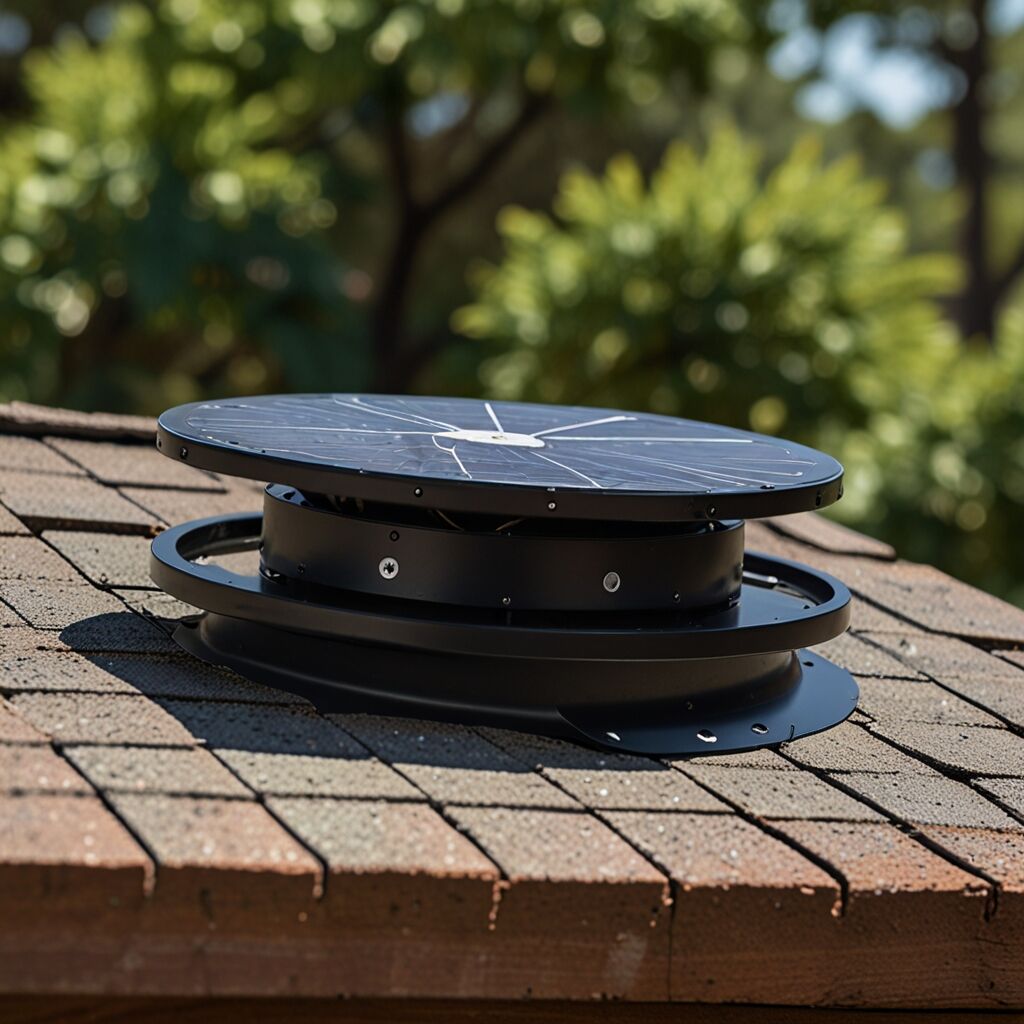
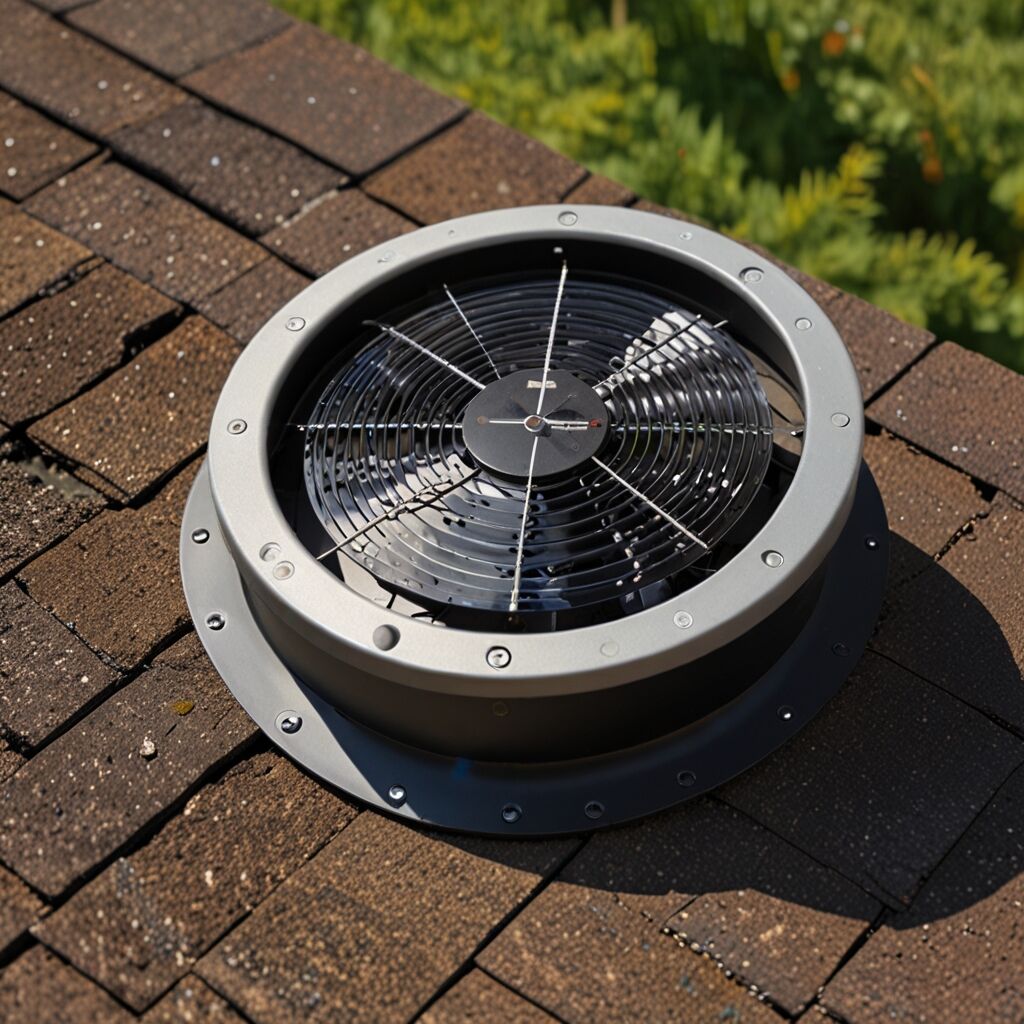
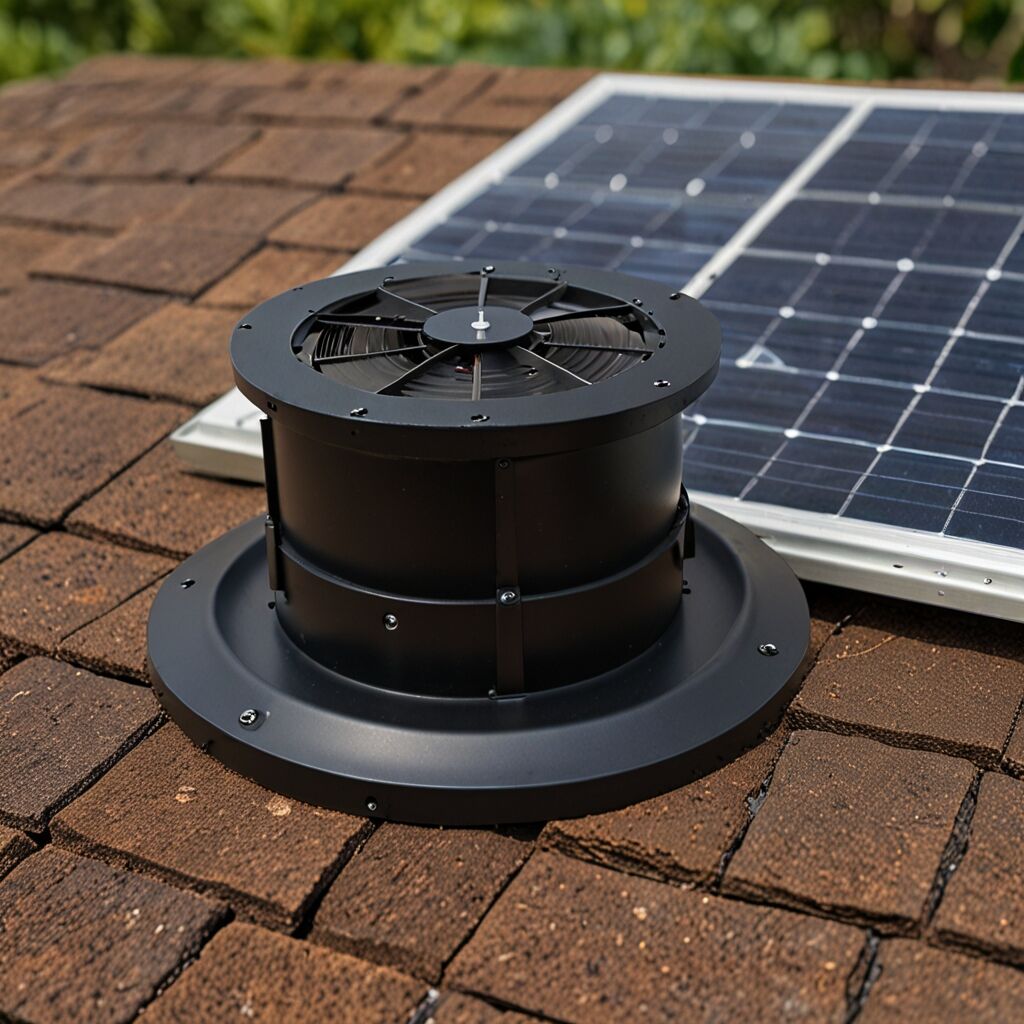
A solar attic fan consists of several integrated components working together for optimal performance. The solar panel collects and converts sunlight into electricity, typically producing 10-40 watts depending on fan size. The fan motor, powered by this electricity, drives aluminum or plastic blades to move air. Most systems include built-in thermostats that automatically activate fans when attic temperatures reach 80-90 degrees Fahrenheit. These components require minimal maintenance while handling varying weather conditions effectively.
Critical Factors for Optimal Fan Placement
Correct fan placement directly impacts ventilation effectiveness and energy savings potential. Strategic positioning involves considering roof orientation, existing ventilation systems, and potential obstructions that could impede airflow. The most effective placement typically occurs on south or west-facing gables, which receive 6-8 hours of direct sunlight daily. Distance from the roof peak should measure 3-6 feet to optimize air movement patterns while avoiding structural complications during installation.
Understanding Placement Variables That Influence Performance
Several critical factors influence solar attic fan performance beyond basic positioning. Fan location relative to existing soffit vents, ridge vents, and other exhaust points affects overall system balance. Installing fans near the highest attic points enhances natural convection while avoiding placement near rafters, ducts, or storage items ensures unobstructed airflow. Proper alignment with intake vents creates effective air circulation patterns that maximize cooling benefits throughout the entire attic space.
Placement Guidelines for Maximum Efficiency
- Gable mount solar attic fans can reduce attic temperatures by 20-30 degrees Fahrenheit when properly positioned.
- Optimal fan sizing requires 1 cubic foot per minute (CFM) for every square foot of attic space.
- Fans perform best when installed 3-6 feet below the roof peak for balanced airflow.
- Multiple fan installations can improve circulation efficiency by 15-25% in larger attics.
- Peak performance requires 5-8 hours of direct sunlight exposure daily.
- Proper attic insulation enhances fan effectiveness by 20-30% through reduced heat transfer.
- Effective ventilation systems can extend roof material lifespan by 8-12 years.
Installation Considerations and Common Placement Mistakes
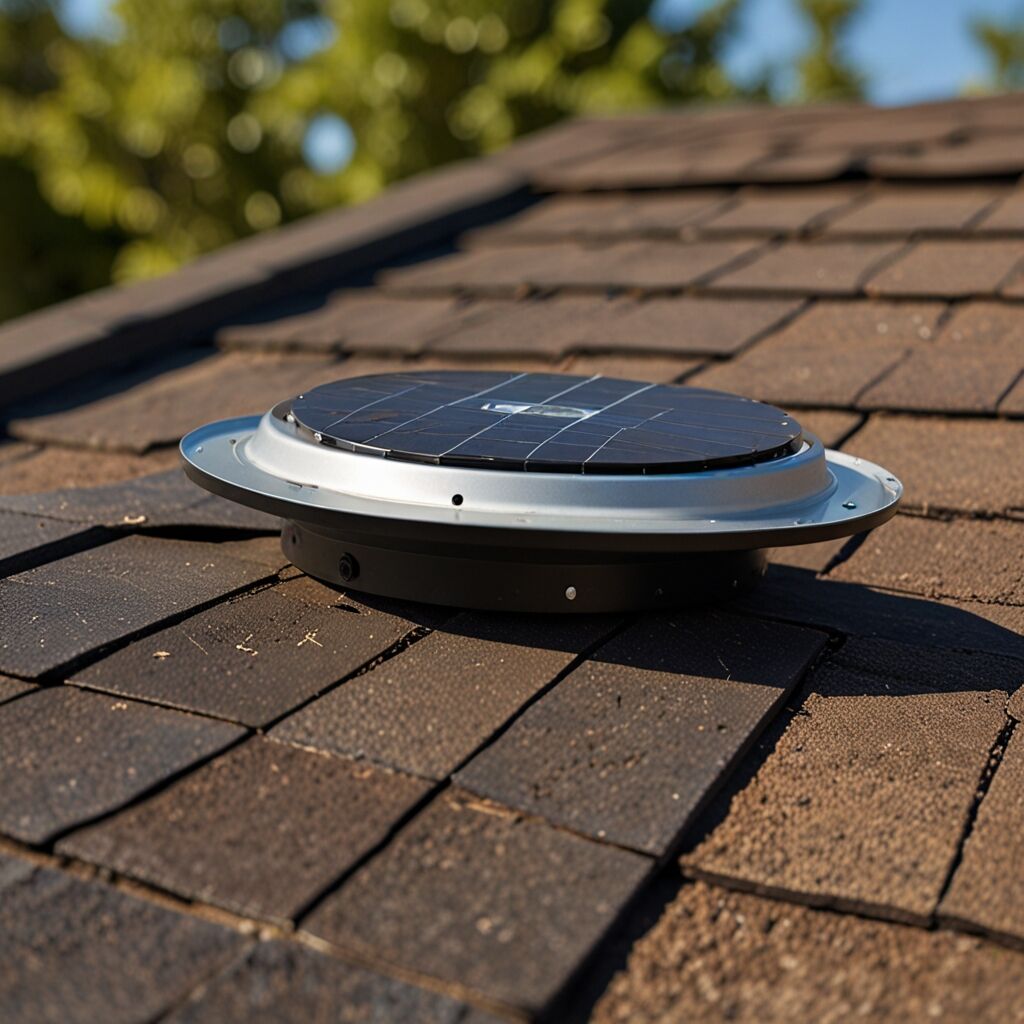
When determining the best location for your solar attic fan, avoid common mistakes that reduce effectiveness. The most frequent error involves installing fans on north-facing gables, which receive limited sunlight and operate at reduced capacity. Another mistake includes placing fans too close to the roof peak, creating turbulent airflow that decreases efficiency. Inadequate structural support represents a serious installation error that can damage both the fan and surrounding roof materials.
Cost Considerations and Installation Challenges
Installing gable mount solar attic fans involves several cost factors homeowners should consider. Professional installation typically ranges from $300-800, depending on roof complexity and local labor rates. DIY installation can reduce costs to $150-400 for the fan unit alone, but requires proper tools and safety equipment. Common challenges include working at height, cutting precise openings in gable walls, and ensuring weatherproof sealing around the unit. Understanding the advantages and disadvantages helps homeowners make informed decisions about professional versus DIY installation approaches.
Optimal Installation Timing and Seasonal Performance
The best time to install solar attic fans occurs during late spring or early summer months. This timing ensures maximum solar energy availability while addressing attic heat buildup before peak summer temperatures arrive. Installation during cooler months presents challenges since reduced sunlight limits testing opportunities and fan performance assessment. However, winter installation can be beneficial in regions with year-round sunshine, providing immediate ventilation benefits when heating systems create temperature differentials.
Seasonal Performance Variations and Limitations
Solar attic fans experience performance limitations during cloudy weather, winter months, and shaded conditions. During peak summer months, fans operate 8-12 hours daily when receiving adequate sunlight. Winter performance typically drops to 2-4 hours daily in northern climates, though this reduced operation often coincides with decreased ventilation needs. Cloudy weather can reduce fan output by 50-80%, creating temporary limitations during extended overcast periods. These limitations should be considered when evaluating solar fans versus electrically powered alternatives for consistent year-round operation.
Performance Optimization Strategies
- Proper fan placement maximizes solar exposure, improving consistent operation throughout daylight hours.
- Well-positioned fans reduce cooling costs by 10-30%, depending on climate and home insulation quality.
- Enhanced ventilation prevents moisture buildup that can lead to mold growth and structural damage.
- Strategic installation extends roofing material lifespan through reduced thermal stress and heat cycling.
- Effective airflow reduces ice dam formation risks in cold climates through temperature regulation.
- Improved attic ventilation enhances indoor air quality by reducing stagnant air circulation.
- Balanced ventilation systems create comfortable living environments while minimizing energy consumption.
Step-by-Step Installation Guide for DIY Enthusiasts
Installing a solar attic fan requires careful planning and proper execution for optimal results. Begin by selecting the ideal gable location with maximum sun exposure, typically south or west-facing walls. Essential tools include a reciprocating saw, drill with bits, measuring tape, chalk line, and safety equipment including harnesses and non-slip shoes. Safety precautions remain critical since installation involves working at height and cutting openings in exterior walls.
Professional Installation Versus DIY Approaches
The choice between professional installation and DIY approaches depends on several factors including roof complexity, homeowner skill level, and local building codes. Professional installation ensures proper placement, weatherproofing, and warranty coverage, typically costing $500-1200 total. DIY installation appeals to experienced homeowners comfortable with roofwork, reducing costs to $200-500 for materials only. However, improper installation can void warranties, create leaks, or reduce fan effectiveness, making professional installation worthwhile for complex roof configurations or inexperienced installers.
Where to Buy Quality Solar Attic Fans and Accessories
Quality solar attic fans are available through home improvement retailers like Home Depot and Lowe’s, which offer installation services and warranty support. Online retailers including Amazon provide extensive selection with customer reviews, though professional installation may require separate arrangements. Comprehensive testing and evaluation of different models helps identify the most suitable options for specific home requirements and budget considerations.
Top Solar Attic Fan Brands and Their Applications
Leading solar attic fan manufacturers offer various models designed for different applications and performance requirements. Solar Star produces durable units with 25-year warranties, focusing on reliability and consistent performance. Broan-NuTone fans feature adjustable speed controls and integrated thermostats for automated operation. Eco-Worthy offers budget-friendly options suitable for smaller attics or supplemental ventilation needs. When comparing brands, consider factors including CFM ratings, solar panel wattage, warranty terms, and installation requirements specific to your home’s configuration.
Brand Comparison and Application Guidelines
- Solar Royal: Recommended for high-efficiency applications requiring maximum energy savings and durability.
- Broan-NuTone: Ideal for straightforward installation with reliable airflow capabilities and mainstream pricing.
- QuietCool: Excellent choice for noise-sensitive environments needing efficient cooling without disturbance.
- Attic Breeze: Recommended for large attic spaces requiring powerful airflow capacity and robust construction.
- Ecofast: Suitable for environmentally conscious homeowners prioritizing sustainable materials and manufacturing.
- Natural Light: Preferred for aesthetic integration, blending seamlessly with various architectural styles.
- Each brand addresses specific needs from energy efficiency to environmental sustainability and design integration.
Long-Term Benefits of Optimized Attic Ventilation
Properly implemented attic ventilation systems provide substantial long-term benefits extending beyond immediate cooling cost reductions. Energy efficiency improvements typically range from 15-35% during peak summer months, depending on climate conditions and existing insulation quality. Structural benefits include extended roof material lifespan through reduced thermal stress and improved moisture management. Indoor air quality improvements result from enhanced whole-house ventilation and reduced humidity levels that can contribute to mold growth and allergen accumulation.
Understanding Long-Term Performance and Maintenance Requirements
Solar attic fans require minimal maintenance while providing consistent performance over 15-25 year lifespans. Annual maintenance involves cleaning solar panels, inspecting fan blades for debris, and checking mounting hardware for secure attachment. Performance monitoring helps identify potential issues including reduced airflow from obstructions or declining solar panel efficiency. Homeowners should expect gradual performance reduction over time, with most quality units maintaining 80-90% of original capacity after 10-15 years of operation. Regular maintenance and proper installation ensure optimal performance throughout the system’s operational lifetime.