Gable mount solar attic fan intake placement refers to positioning air intake vents at the lowest points of your attic to maximize cooling efficiency. Proper placement involves installing intake vents in soffits or low gable areas, typically requiring one square foot of intake area per 150 square feet of attic space for optimal airflow.
Understanding the Functionality of Gable Mount Solar Attic Fans
A gable mount solar attic fan operates by using photovoltaic panels to power an exhaust fan that draws hot air from your attic space. The system works through convective cooling, where hot air rises and exits through the fan while cooler outdoor air enters through strategically placed intake vents. These fans typically include solar panels, brushless DC motors, and weatherproof housing designed for residential attic environments. When properly configured with adequate intake ventilation, these units can reduce attic temperatures by 20-50 degrees Fahrenheit compared to unventilated spaces.
What Are the Key Components of Solar Attic Ventilation Systems
Solar attic ventilation systems consist of three essential components that work together for effective cooling. The photovoltaic panel converts sunlight into electricity, typically producing 10-40 watts depending on the unit size. The exhaust fan, usually rated between 500-1600 CFM (cubic feet per minute), creates negative pressure that pulls hot air from the attic. The intake vents, which should provide at least 1 square foot of opening per 150 square feet of attic floor, allow replacement air to enter the system. Quality systems also include thermostatic controls that automatically operate the fan when attic temperatures exceed outdoor temperatures by 15-20 degrees.
How Does Intake Placement Affect Cooling Performance
Intake placement directly affects cooling performance by controlling airflow patterns throughout your attic space. When intake vents are positioned at the lowest points of the attic (typically in soffits or low gable walls), they create a natural convection cycle where cool air enters below and hot air exits above through the solar fan. Poor intake placement, such as installing vents too high or in inadequate quantities, can create short-circuiting where the fan pulls air from nearby intake points rather than drawing air through the entire attic volume. The ideal configuration places intake vents at least 3 feet away from the exhaust fan and distributes them evenly around the attic perimeter.
What Are the Benefits of Proper Solar Attic Fan Intake Placement
Proper intake placement provides multiple cooling and efficiency benefits for your home. Enhanced airflow distribution ensures hot air removal from all attic areas rather than just the space near the exhaust fan. Energy efficiency improves because your home’s air conditioning system works less to counteract heat from an overheated attic. Moisture control benefits result from continuous air movement that prevents humidity buildup and potential mold growth. Temperature reduction typically ranges from 20-50 degrees in the attic, which can lower cooling costs by 10-30% during peak summer months. Additionally, proper ventilation extends roofing material lifespan by reducing thermal stress on shingles and underlayment.
What Are the Limitations of Solar Attic Fan Systems
Solar attic fan systems have several limitations that homeowners should consider before installation. Weather dependency means these fans operate only during daylight hours and may provide reduced cooling on cloudy days when solar power generation decreases. Climate limitations affect performance in regions with limited sunshine or where nighttime cooling is most needed. Capacity constraints mean that even large solar fans cannot match the cooling power of whole-house fans or central air conditioning systems. Installation challenges include ensuring adequate intake ventilation, which often requires adding soffit vents or other intake points. Cost considerations include initial purchase prices ranging from $200-800 for quality units, plus potential installation costs if professional help is needed.
When Should You Consider Alternative Cooling Solutions
Alternative cooling solutions become necessary when solar attic fans cannot meet your home’s specific requirements. Homes with insufficient roof exposure to sunlight (due to shade or northern orientation) may benefit more from electric attic fans with thermostatic controls. Houses in climates with high nighttime temperatures might require 24-hour ventilation that battery backup systems or grid-tied electric fans can provide. Large attics exceeding 2000 square feet often need multiple fans or higher-capacity electric units to achieve adequate air exchange rates. Additionally, homes with complex rooflines or multiple attic spaces may require customized ventilation approaches beyond standard solar fan installations.
How Much Do Solar Attic Fans Cost and What Installation Requirements Apply
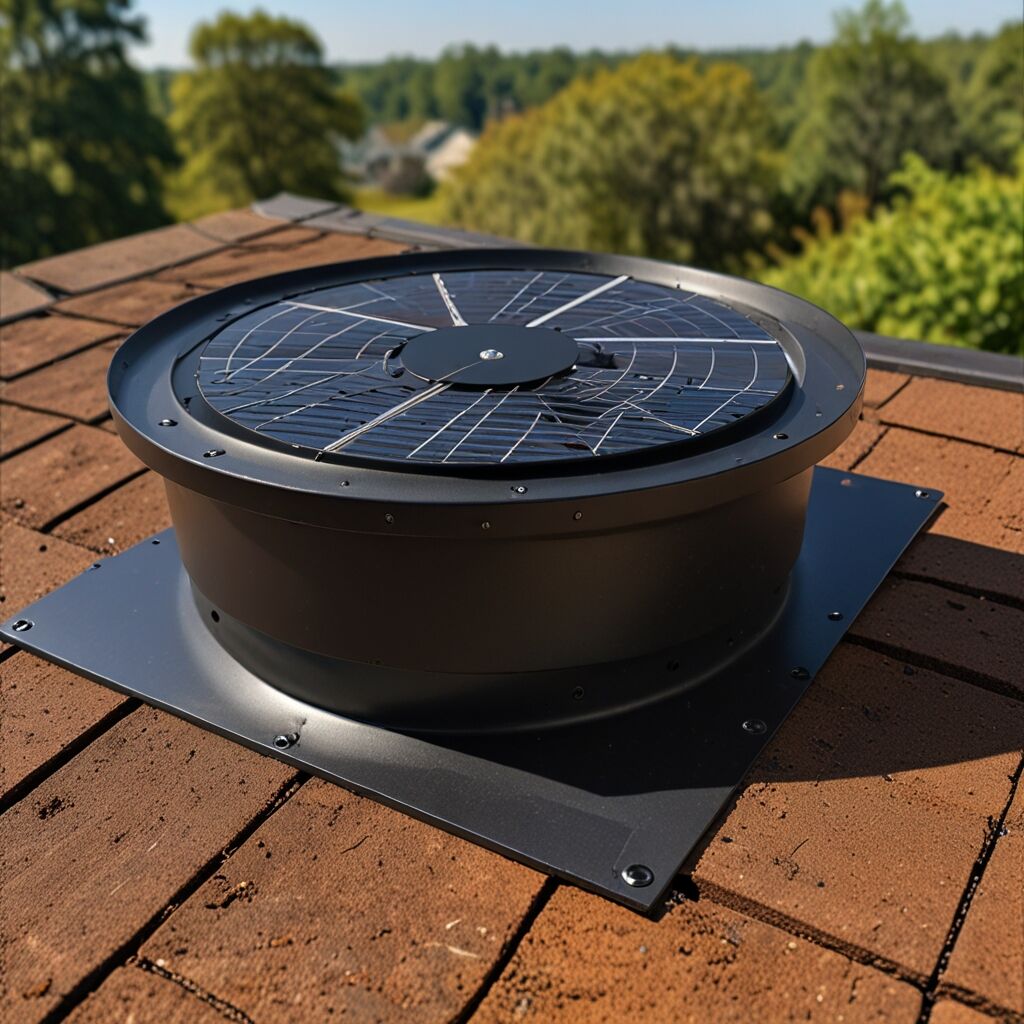
Installing gable mount solar attic fans typically costs between $200-800 for the unit plus $200-500 for professional installation, depending on your roof type and existing ventilation. DIY installations can reduce costs but require basic electrical knowledge and comfort working on roofs. Installation requirements include ensuring adequate intake ventilation (often requiring additional soffit vent installation), proper flashing and sealing to prevent leaks, and secure mounting to handle wind loads. Most installations take 2-4 hours for experienced installers, while DIY projects may require a full day. Comprehensive comparison tables help identify units that offer the best value for your specific needs and budget.
What Tools and Materials Are Required for Installation
Successful solar attic fan installation requires specific tools and materials for safety and effectiveness. Essential tools include a drill with hole saw attachments, measuring tape, level, and safety equipment like non-slip shoes and safety glasses. Materials needed include the fan unit, appropriate flashing for your roof type, weatherproof sealant, and potentially additional intake vents if existing ventilation is inadequate. Electrical connections typically use weather-resistant wire nuts and may require basic wiring skills for models with thermostatic controls. Professional installation becomes worthwhile for complex roof configurations or when structural modifications are needed to accommodate proper intake ventilation.
What Are Common Mistakes in Solar Attic Fan Installation
Common installation mistakes significantly reduce solar attic fan effectiveness and can create new problems. Inadequate intake ventilation represents the most frequent error, where installers mount the exhaust fan without ensuring sufficient air intake points, causing the system to pull conditioned air from the house through gaps in the ceiling. Improper placement includes mounting fans too close to intake vents (creating short-circuiting) or in shaded locations where solar panels receive insufficient sunlight. Sealing errors around flashing can lead to roof leaks, while poor mounting techniques may result in noise or fan failure during high winds. Sizing mistakes occur when homeowners choose fans that are either too small for their attic space or too large for available intake ventilation.
How to Avoid Installation Problems and Ensure Long-term Performance
Avoiding installation problems requires careful planning and attention to manufacturer specifications. Pre-installation assessment should include measuring your attic square footage, evaluating existing intake ventilation, and determining optimal fan placement for maximum sun exposure. Professional consultation becomes valuable for homes with complex roof designs or insufficient existing ventilation. Quality assurance steps include testing fan operation after installation, checking for proper airflow direction, and monitoring attic temperatures to verify performance improvements. Detailed pros and cons analysis helps homeowners understand both benefits and potential challenges before committing to installation.
What Maintenance Do Solar Attic Fans Require for Maximum Efficiency
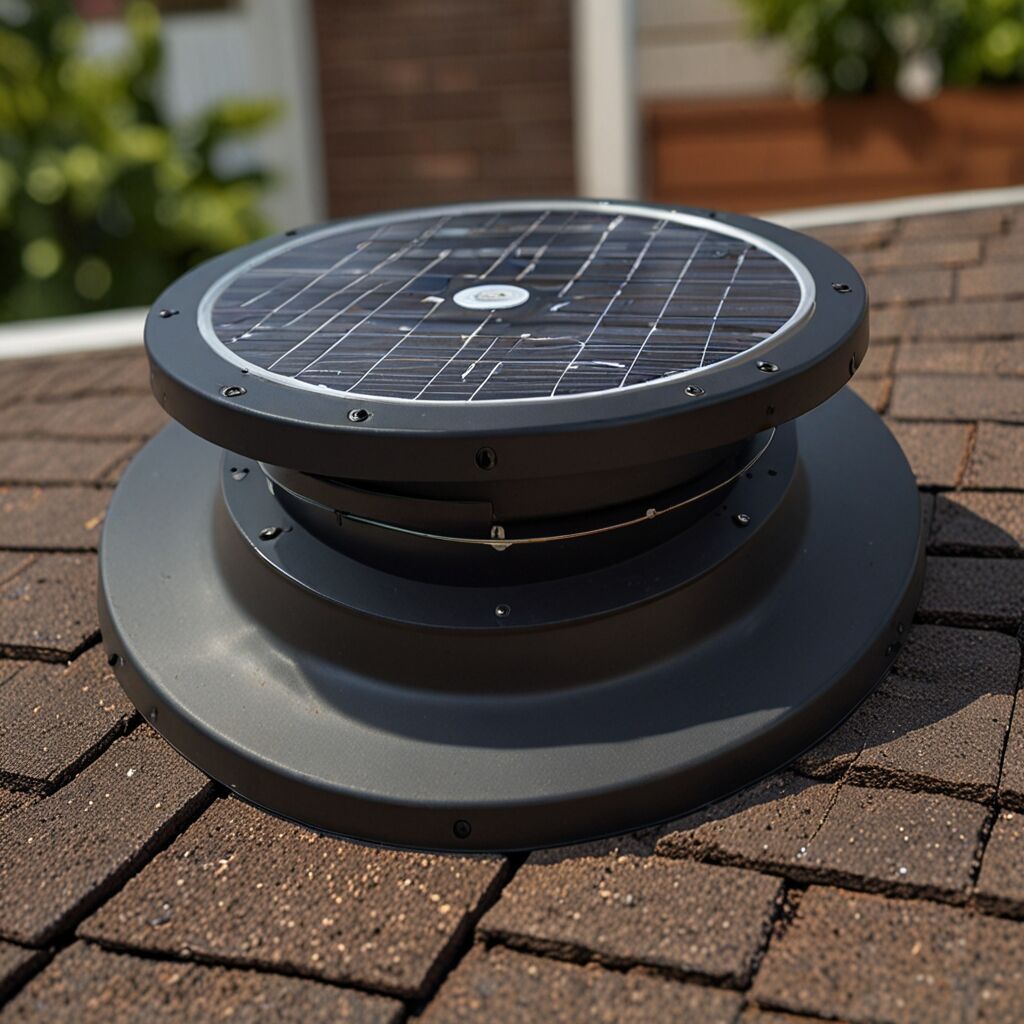
Solar attic fans require minimal but important maintenance to ensure continued efficiency and longevity. Panel cleaning every 3-6 months removes dust, leaves, and debris that can reduce solar power generation by 10-25%. Fan inspection should include checking for unusual noise, wobbling, or reduced airflow that might indicate bearing wear or motor problems. Seasonal maintenance involves verifying that intake vents remain unobstructed by insulation, storage items, or pest activity. Weather seal inspection around flashing prevents water infiltration that could damage the motor or create ceiling stains. Most quality solar attic fans operate maintenance-free for 10-15 years when properly installed and maintained.
How to Clean and Inspect Solar Panels for Optimal Performance
Solar panel cleaning requires gentle techniques to avoid damaging photovoltaic cells while maximizing power generation. Use soft brushes or microfiber cloths with mild soap and water, avoiding abrasive materials or harsh chemicals that could scratch the panel surface. Inspection should include checking for cracks, loose connections, or signs of weather damage that could affect electrical output. Performance testing involves monitoring fan operation during peak sunlight hours to ensure the motor runs at appropriate speeds. Professional service may be needed if panels show significant damage or if electrical connections require attention beyond basic cleaning and visual inspection.
When Should You Upgrade Your Attic Ventilation System
Several indicators suggest it’s time to upgrade your attic ventilation system for improved cooling performance. Temperature symptoms include attic temperatures consistently exceeding 120°F during summer months or indoor cooling costs that increase despite stable energy rates. Moisture problems such as condensation, mold growth, or musty odors indicate inadequate air circulation that ventilation upgrades can address. Age-related factors include ventilation systems over 15 years old or roofing materials showing premature aging from heat exposure. Performance issues like uneven indoor temperatures or HVAC systems running constantly during moderate weather often trace back to inadequate attic ventilation. Specific use cases help determine which ventilation solutions work best for different home types and climates.
How to Choose Between Solar and Electric Attic Fans
Choosing between solar and electric attic fans depends on your specific cooling needs, budget, and home characteristics. Solar fans work best for homes with good south-facing roof exposure and moderate attic ventilation needs, typically costing less to operate but providing variable performance based on weather conditions. Electric fans offer consistent 24-hour operation and higher CFM ratings but require electrical connections and ongoing operating costs. Hybrid systems with battery backup provide solar efficiency during the day plus electric operation when needed. Climate considerations favor solar fans in sunny regions with peak cooling needs during daylight hours, while electric fans better serve areas requiring nighttime cooling or consistent year-round ventilation.
Key Advantages of Proper Intake Locations
- Strategic intake placement enhances airflow and cooling efficiency throughout the entire attic space.
- Optimal positions improve the performance of gable mount solar attic fans by ensuring adequate replacement air.
- Effective placements reduce humidity and prevent mold growth by maintaining continuous air circulation.
- Smart placement can reduce energy bills by 10-30% during peak cooling seasons.
- Well-placed intakes prolong the lifespan of roofing materials by reducing thermal stress.
- Prime positioning increases overall home comfort by eliminating hot spots and temperature variations.
- Correctly positioned intakes contribute to better indoor air quality by preventing moisture accumulation.
Where Can You Find Quality Solar Attic Fans and What Brands Perform Best
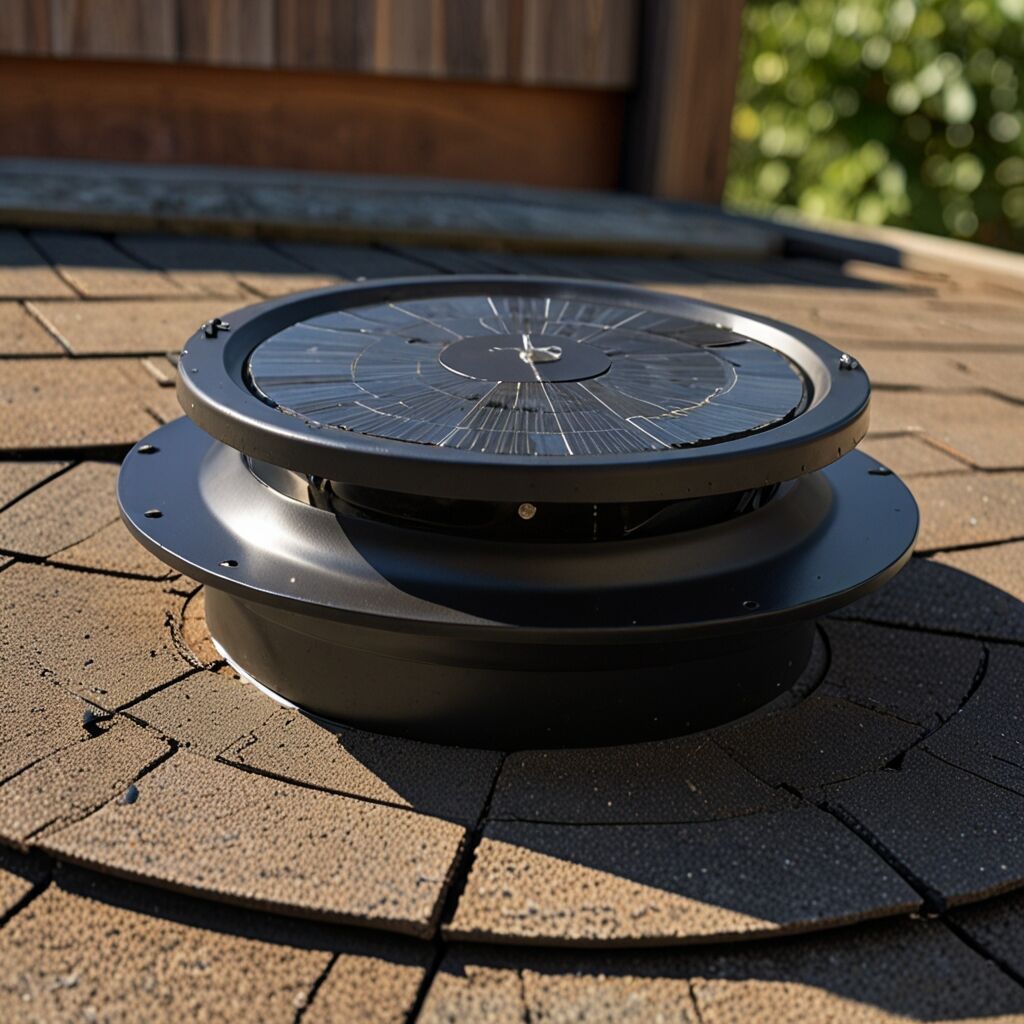
Quality solar attic fans are available from major home improvement retailers, specialized ventilation suppliers, and online marketplaces with verified customer reviews. Professional testing results show that brands like Natural Light, Broan, and SolarBlaster consistently receive high ratings for durability and performance. Home Depot and Lowe’s typically stock 3-5 different models with prices ranging from $250-600, while online retailers offer broader selection including commercial-grade units. Professional HVAC suppliers often carry higher-capacity units and can provide installation services. When comparing options, prioritize units with 10+ year warranties, brushless motors for longevity, and CFM ratings appropriate for your attic size.
What Features Should You Look for When Comparing Solar Attic Fans
Key features to evaluate when comparing solar attic fans include motor type, power output, airflow capacity, and build quality. Brushless DC motors typically last longer and operate quieter than brushed motors, while power ratings of 20-40 watts usually provide adequate performance for residential applications. CFM ratings should match your attic size, with 750-1200 CFM suitable for typical 1000-1500 square foot attics. Weather resistance features include marine-grade aluminum construction, UV-resistant solar panels, and comprehensive weatherproofing for long-term reliability. Warranty analysis reveals that top manufacturers offer 10-25 year coverage on panels and 5-10 years on motors, indicating confidence in their product durability.