Attic solar fans and soffit vents coordinate by creating balanced airflow that pulls hot air out while drawing cool air in. This coordination works through negative pressure, where solar-powered exhaust fans create suction that draws fresh air through soffit intake vents. With attic solar fans and soffit vents working together, homeowners typically see attic temperature reductions of 15-30 degrees Fahrenheit during peak summer months. Of attic solar fans and soffit vents, proper installation and maintenance ensure optimal performance year-round.
Understanding Attic Solar Fans and Their Effect on Airflow
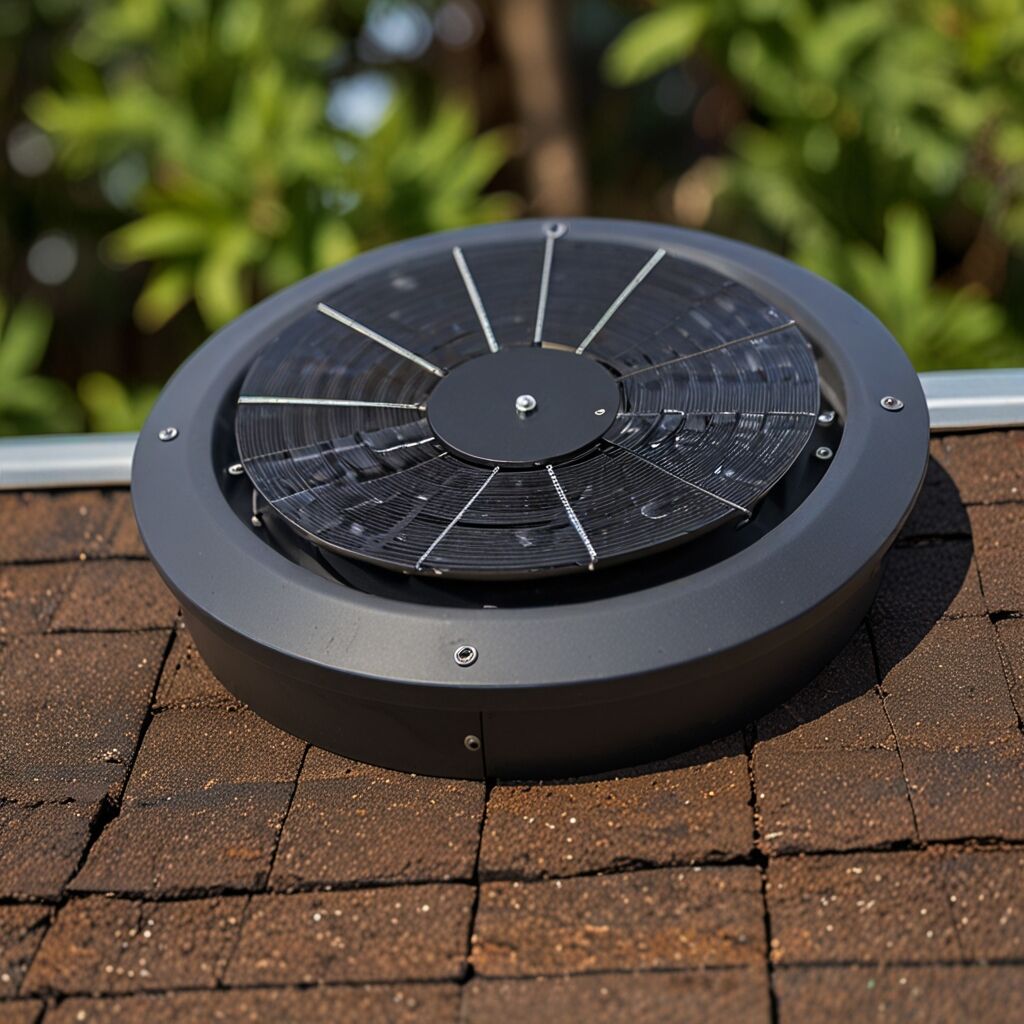
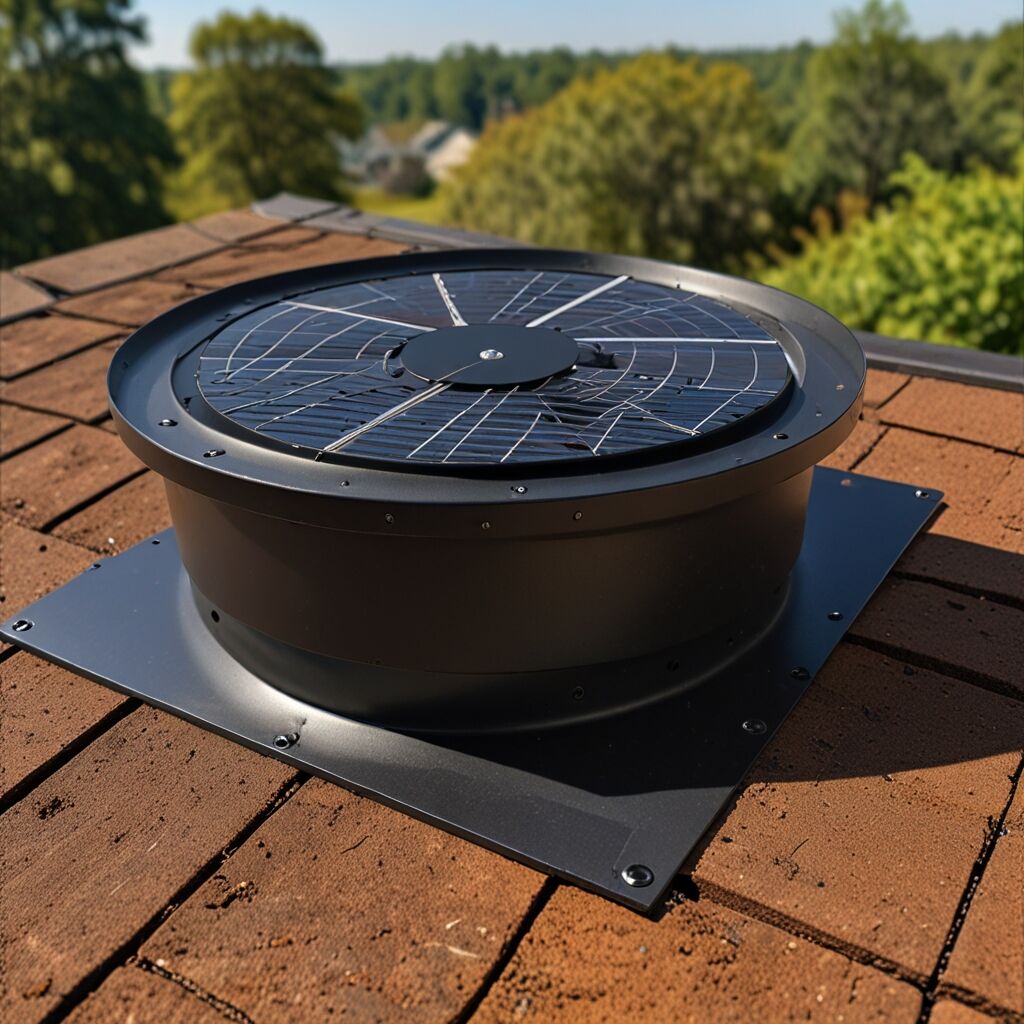
Attic solar fans are ventilation devices that harness solar energy to power exhaust fans installed in attic spaces. These fans work by creating negative pressure that expels hot, stagnant air from attics while simultaneously drawing cooler air through intake vents. The primary function involves converting sunlight into electrical energy that operates a motorized fan, typically generating 500-1500 cubic feet per minute (CFM) of airflow depending on the unit size. Attic solar fans commonly experience lower maintenance requirements compared to electric alternatives since they operate only during daylight hours when attic heat buildup is most problematic. The integration of attic solar fans and soffit vents creates a continuous ventilation cycle that operates most effectively during sunny conditions when cooling is most needed.
Benefits of Combining Solar Exhaust Fans with Soffit Intake Vents
Combining solar-powered exhaust fans with soffit intake vents creates a balanced ventilation system that addresses multiple home comfort challenges. The benefits include reduced attic temperatures, which typically drop 20-40 degrees Fahrenheit below unventilated attics, leading to decreased air conditioning loads and lower energy bills. This coordination helps prevent moisture-related problems like mold growth, wood rot, and insulation damage by maintaining consistent air circulation. However, the effectiveness depends on having sufficient soffit vent area – generally requiring one square foot of intake venting for every 150-300 square feet of attic space. The system limitations include reduced performance during cloudy weather and potential noise during high-wind conditions, though quality units typically operate at noise levels below 35 decibels.
Explaining Soffit Vents and Their Critical Role in Home Ventilation
Soffit vents are intake openings installed in the horizontal surfaces under roof eaves that allow outside air to enter the attic space. These vents serve as the intake component of passive ventilation systems, working in conjunction with exhaust vents to create natural airflow. Soffit vents function by providing a pathway for cooler outdoor air to enter the attic at the lowest point, where it then rises and exits through higher exhaust points. The comparison of different solar attic fan systems shows that effectiveness increases significantly when paired with adequate soffit ventilation. Proper soffit vent installation requires maintaining clear airflow paths, which means ensuring insulation doesn’t block the vents and that screens remain clean and unobstructed.
How Soffit Intake Vents Enable Solar Fan Performance
Soffit vents enable solar fan performance by providing the necessary air intake that allows exhaust fans to function efficiently. When solar fans create negative pressure by expelling hot air, soffit vents supply the replacement air needed to maintain continuous circulation. This relationship works most effectively when the intake area equals or slightly exceeds the exhaust capacity – typically requiring 1.5-2 square feet of soffit venting for every 1000 CFM of fan capacity. The coordination becomes particularly important during peak cooling seasons when attic temperatures can exceed 140 degrees Fahrenheit without proper ventilation. Installation costs for basic soffit vent systems range from $300-800 for average homes, while solar fan additions typically add $400-1200 depending on capacity and installation complexity.
The Technical Synergy Between Solar Exhaust and Soffit Intake Systems
Attic solar fans and soffit vents create synergy through complementary airflow mechanisms that work together more effectively than either system alone. Solar exhaust fans generate the driving force by creating negative pressure, while soffit intake vents provide the necessary air supply to maintain circulation. This synergy operates on the principle that effective ventilation requires both adequate intake and exhaust capacity working in balance. The relationship works best when intake area slightly exceeds exhaust capacity, preventing the creation of excessive negative pressure that could draw conditioned air from living spaces. Performance varies seasonally, with peak effectiveness during sunny summer months when both solar power generation and cooling demands are highest.
Installation Best Practices for Coordinated Ventilation Systems
Successful installation of coordinated ventilation systems requires careful planning of both intake and exhaust components. The recommended ratio involves installing approximately 1 square foot of soffit vent area for every 150-300 square feet of attic floor space, with solar fan capacity matched accordingly. Professional installation typically takes 4-6 hours for both components combined, with costs ranging from $800-2000 depending on roof complexity and local labor rates. Common installation challenges include ensuring adequate structural support for roof-mounted fans, maintaining proper clearances around soffit vents, and coordinating electrical connections for hybrid systems. The installation timeline usually spans 1-2 days, with most work completed during favorable weather conditions to prevent weather exposure.
Performance Specifications for Coordinated Ventilation
- Attic solar fans can reduce attic temperatures by 20-40°F compared to unventilated spaces.
- Unventilated attics commonly reach temperatures exceeding 140°F during summer months.
- Coordinated systems can improve overall home energy efficiency by 10-25% in hot climates.
- Solar fans typically operate 8-12 hours daily depending on sunlight availability and seasonal conditions.
- A 1000 CFM solar fan can exchange the air in a 1500 sq. ft. attic approximately 8-10 times per hour.
- Properly coordinated systems can extend roofing material lifespan by 20-30% through temperature regulation.
- Combined systems typically increase airflow effectiveness by 40-60% compared to single-component installations.
Key Performance Advantages of Coordinated Ventilation Systems
Coordinated ventilation systems offer multiple performance advantages beyond basic temperature control. Attic solar fans and soffit vents working together provide enhanced moisture control, which prevents condensation-related problems during both summer and winter months. Energy efficiency improvements result from reduced air conditioning loads, with many homeowners reporting 15-25% reductions in cooling costs during peak summer months. However, the systems have limitations including reduced effectiveness during cloudy weather, potential for noise during high winds, and the need for regular maintenance to prevent debris accumulation. The coordination also provides more consistent indoor temperatures by preventing hot spots that develop in poorly ventilated attics.
Energy Efficiency and Cost Considerations
Combining attic solar fans with soffit vents provides measurable energy savings, though results vary significantly based on climate, home construction, and existing insulation levels. Initial investment costs typically range from $800-2500 for complete systems, including both fan and soffit vent installation. The payback period usually falls between 3-7 years in hot climates, primarily through reduced air conditioning costs during summer months. Winter benefits include preventing ice dam formation in cold climates, though energy savings are less pronounced during heating seasons. Maintenance costs remain minimal, typically requiring annual cleaning and occasional component replacement every 10-15 years depending on environmental conditions.
Equipment Selection Criteria for Optimal Performance
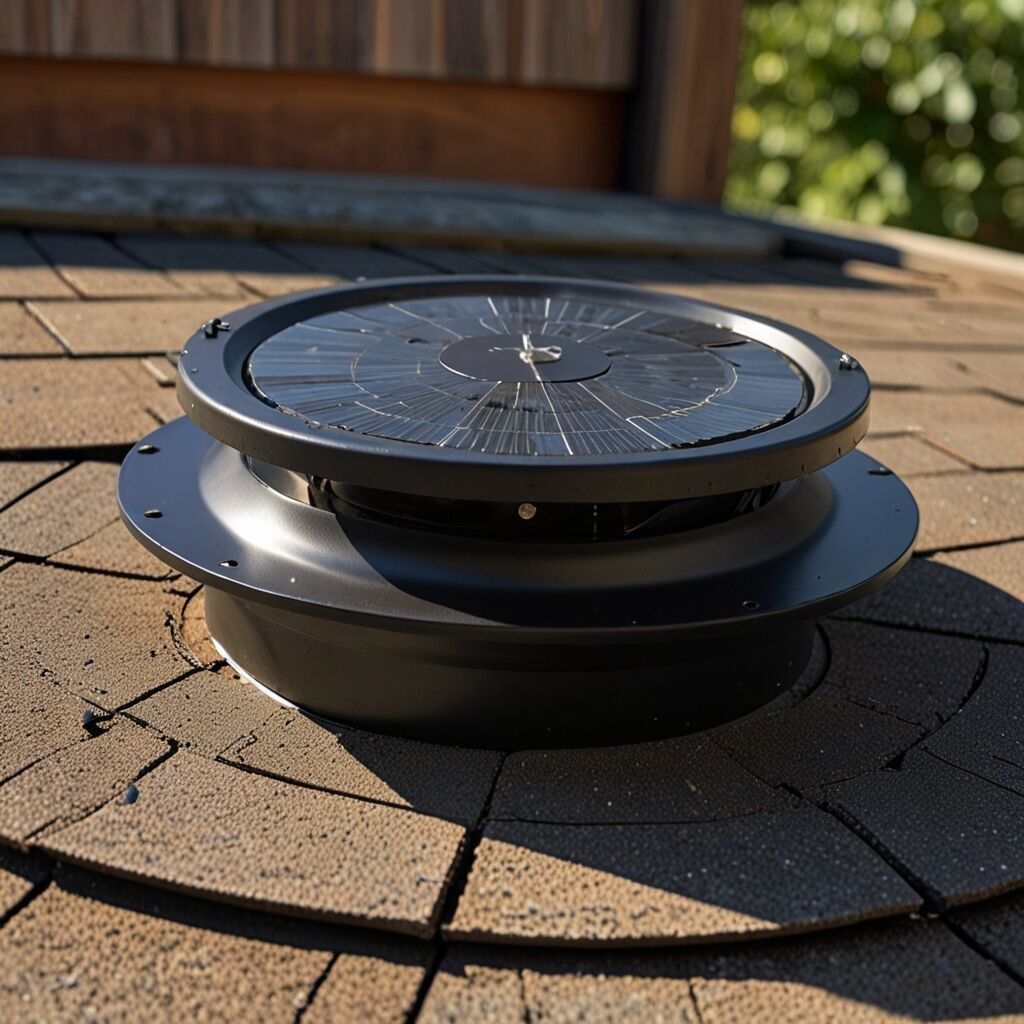
When selecting attic solar fans and soffit vents, several factors determine system effectiveness and longevity. Attic size represents the primary consideration, with fan capacity measured in cubic feet per minute (CFM) needing to match the space volume for effective air exchange. The right size of attic solar fan typically requires 1-2 CFM per square foot of attic floor space, with adjustments for climate and insulation levels. Quality considerations include fan motor durability, solar panel efficiency ratings, and weather resistance certifications. Research reliable manufacturers like Solar Royal or Natural Light Energy Systems, which typically offer 5-15 year warranties and have established service networks for maintenance support.
Calculating Proper Airflow Requirements
Proper airflow calculations require determining both attic volume and desired air exchange rates for effective ventilation. Calculate attic volume by multiplying floor area by average ceiling height, then multiply by 8-12 air changes per hour for optimal performance in hot climates. Solar fan capacity should match or slightly exceed this calculated requirement, while soffit vent area needs to provide adequate intake without restriction. The balance between intake and exhaust becomes critical – insufficient soffit venting can reduce fan effectiveness by 30-50%, while excessive intake may reduce the driving pressure needed for consistent airflow. Climate considerations affect these calculations, with humid regions requiring higher air exchange rates to prevent moisture problems.
Equipment Selection Advantages and Considerations
- Solar-powered systems eliminate ongoing electrical costs while providing peak performance during hottest weather.
- Quality fans with brushless motors typically operate for 15-20 years with minimal maintenance requirements.
- Adequate soffit venting prevents negative pressure that could draw conditioned air from living spaces.
- Variable-speed fans adjust automatically to solar input, providing efficient operation across different light conditions.
- Quiet operation becomes important for bedrooms located near fan installations, with quality units operating below 40 decibels.
- Weather-resistant construction ensures reliable performance through temperature extremes and storm conditions.
- Professional installation typically includes warranties covering both parts and labor for 2-5 years depending on the contractor.
Common Installation Mistakes and Prevention Strategies
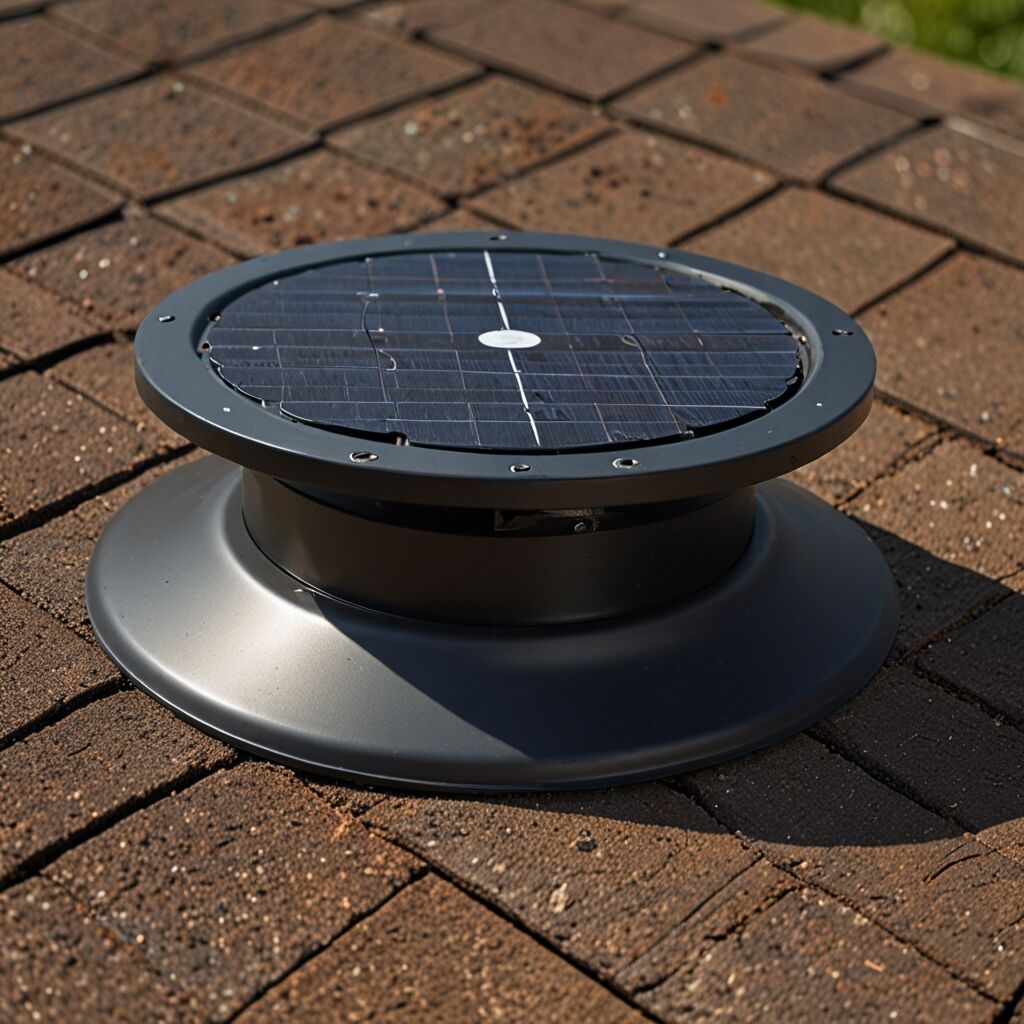
Installation mistakes can significantly reduce system effectiveness and create long-term problems requiring costly corrections. Common errors include inadequate soffit vent area, which restricts airflow and reduces fan efficiency by 40-60% in severe cases. Improper fan placement, such as installing exhaust fans too close to intake vents, can create short-circuiting where expelled air immediately re-enters the system. Insufficient structural support for roof-mounted fans can lead to vibration problems, noise issues, and potential roof damage during high winds. Sealing gaps around penetrations becomes critical for maintaining efficiency, as air leaks can reduce system effectiveness and allow moisture infiltration. The pros and cons of solar attic fan installation should be carefully considered before beginning the project.
Professional vs. DIY Installation Considerations
Installation complexity varies significantly between soffit vents and solar fans, with soffit vents typically suitable for experienced DIY homeowners while solar fan installation often requires professional expertise. DIY installation of soffit vents can save $200-500 in labor costs but requires proper tools for cutting precise openings and ensuring adequate support. Solar fan installation involves roof penetrations, electrical connections, and structural considerations that benefit from professional experience, with typical labor costs ranging from $300-800 depending on roof complexity. Professional installation typically includes permits, warranties, and code compliance verification, while DIY projects may face inspection requirements and insurance considerations. The decision often depends on homeowner skill level, available time, and comfort working at roof height in various weather conditions.
Essential Maintenance for Long-Term Reliability
Regular maintenance ensures optimal performance and extends equipment lifespan for both solar fans and soffit vents. Attic solar fans and soffit vents require different maintenance approaches, with solar fans needing periodic cleaning of solar panels and fan blades to maintain efficiency. Solar panel cleaning typically involves removing debris, bird droppings, and dust accumulation that can reduce power generation by 10-25% over time. Fan blade cleaning prevents imbalance issues that can cause vibration and premature motor wear, with annual cleaning recommended in most environments. Soffit vents require inspection for blockages from insulation, pest intrusion, or debris accumulation that can severely restrict airflow. Maintenance schedules should align with seasonal changes, with spring and fall inspections recommended to prepare for peak usage periods.
Step-by-Step Solar Fan Maintenance Procedures
Effective solar fan maintenance follows a systematic approach that ensures safety and thoroughness. Begin by disconnecting power at the solar panel connection, typically located near the fan housing or on the solar panel itself. Remove the fan housing cover using appropriate tools, usually requiring removal of 4-8 screws depending on the model. Clean fan blades using a soft brush or cloth to remove dust and debris, checking for damage, cracks, or imbalance that might indicate replacement needs. Inspect electrical connections for corrosion, loose wires, or damaged insulation that could affect performance or safety. The attic solar fan maintains reliable performance when maintenance follows manufacturer specifications and addresses potential problems before they cause system failures.
Brand Performance and User Applications
- High-efficiency brands focus on maximizing power output per square foot of solar panel area for space-constrained installations.
- Budget-conscious homeowners often prefer models with 10-year warranties that balance cost with reasonable longevity expectations.
- Premium systems feature variable-speed operation and integrated temperature sensors for automated performance adjustments.
- DIY-friendly models include detailed installation instructions and customer support for homeowners comfortable with basic construction work.
- Retrofit applications in older homes often require reinforced mounting systems to accommodate modern fan weights and wind loads.
- Humid climate installations benefit from models with enhanced moisture resistance and corrosion-resistant components.
- Commercial-grade systems provide higher CFM ratings and extended warranties suitable for larger residential or light commercial applications.
Recognizing When Ventilation System Upgrades Become Necessary
Ventilation system upgrades become necessary when existing systems fail to maintain comfortable indoor conditions or show signs of inadequate performance. Key indicators include persistently high attic temperatures exceeding 120°F during moderate weather, visible condensation or moisture stains in attic spaces, and unusually high energy bills that suggest air conditioning systems are working harder to maintain comfort. Musty odors, mold growth, or pest intrusion often indicate inadequate airflow that allows moisture accumulation and creates favorable conditions for unwanted organisms. Equipment age also factors into upgrade decisions, with systems over 15-20 years old potentially benefiting from more efficient modern alternatives. The decision to upgrade should consider both immediate performance improvements and long-term energy savings potential.
Upgrade Planning and Implementation Strategies
Successful ventilation system upgrades require careful assessment of existing conditions and realistic planning for improvement goals. Begin by measuring current attic temperatures during peak conditions and comparing them to recommended ranges of 80-100°F above outdoor temperatures. Evaluate existing ventilation components for adequate sizing, proper installation, and operational condition before determining upgrade requirements. Budget considerations typically range from $1500-4000 for complete system upgrades, including removal of old equipment, installation of new components, and any necessary structural modifications. Timing upgrades during moderate weather seasons provides better working conditions and allows system testing before peak demand periods. Professional consultation can help identify the most cost-effective improvements and ensure upgrades comply with current building codes and energy efficiency standards.