Solar attic fan panels should be cleaned every 3-6 months using mild soap, water, and soft cloths. This maintenance prevents dirt buildup that reduces efficiency by up to 25%. The cleaning process typically takes 30-45 minutes and involves gentle scrubbing, rinsing, and inspection for damage or debris accumulation.
What Are Solar Attic Fan Panels and How They Function
Solar attic fan panels are ventilation devices that combine photovoltaic technology with exhaust fans to regulate attic temperatures automatically. These systems convert sunlight into electricity, powering fans that expel hot air from attic spaces. The primary components include solar panels, DC motors, fan blades, and often thermostatic controls that activate the system when temperatures reach specific thresholds.
Solar-powered attic ventilation works by creating airflow that reduces heat buildup, which can reach temperatures exceeding 150°F in summer months. This temperature reduction helps lower cooling costs and prevents moisture-related issues like mold growth. The systems typically operate silently and require minimal maintenance beyond regular cleaning schedules.
Benefits of Installing Solar Attic Ventilation Systems
The primary benefits of solar attic fans include reduced energy costs, improved home comfort, and enhanced roof longevity. These systems can lower attic temperatures by 20-50 degrees, reducing the workload on air conditioning systems. Additionally, proper ventilation prevents ice dam formation in winter and moisture accumulation that leads to structural damage.
Homeowners typically see energy savings ranging from 10-30% on cooling costs, depending on home size and regional climate conditions. The systems also help extend shingle life by reducing thermal stress and preventing premature aging from excessive heat exposure. For those interested in comprehensive pros and cons analysis, detailed comparisons are available.
Why Regular Cleaning Maximizes Solar Fan Efficiency
Clean solar panels are essential for optimal energy production because dirt, dust, and debris block sunlight from reaching photovoltaic cells. Even thin layers of dust can reduce solar panel efficiency by 15-25%, while heavy accumulation from bird droppings, leaves, or pollen can decrease performance by up to 40%.
The relationship between cleanliness and performance is direct—every particle of debris creates shadows on solar cells, reducing their ability to generate electricity. This efficiency loss means fans operate at lower speeds or for shorter periods, reducing ventilation effectiveness. Regular maintenance ensures maximum solar energy conversion and consistent airflow performance.
Common Contaminants That Reduce Solar Panel Performance
Attic-mounted solar panels face unique cleaning challenges compared to roof-mounted systems. Common contaminants include airborne dust, tree pollen, bird droppings, and organic debris that accumulates in gutters and roof valleys. Urban environments add vehicle emissions and industrial particles, while rural areas contribute agricultural dust and organic matter.
Seasonal factors significantly impact cleaning frequency needs. Spring brings heavy pollen loads, summer increases insect residue, fall adds leaf debris, and winter may contribute salt residue in coastal areas. Understanding local environmental factors helps homeowners develop appropriate maintenance schedules for their specific conditions.
How Often Should You Clean Solar Attic Fan Panels
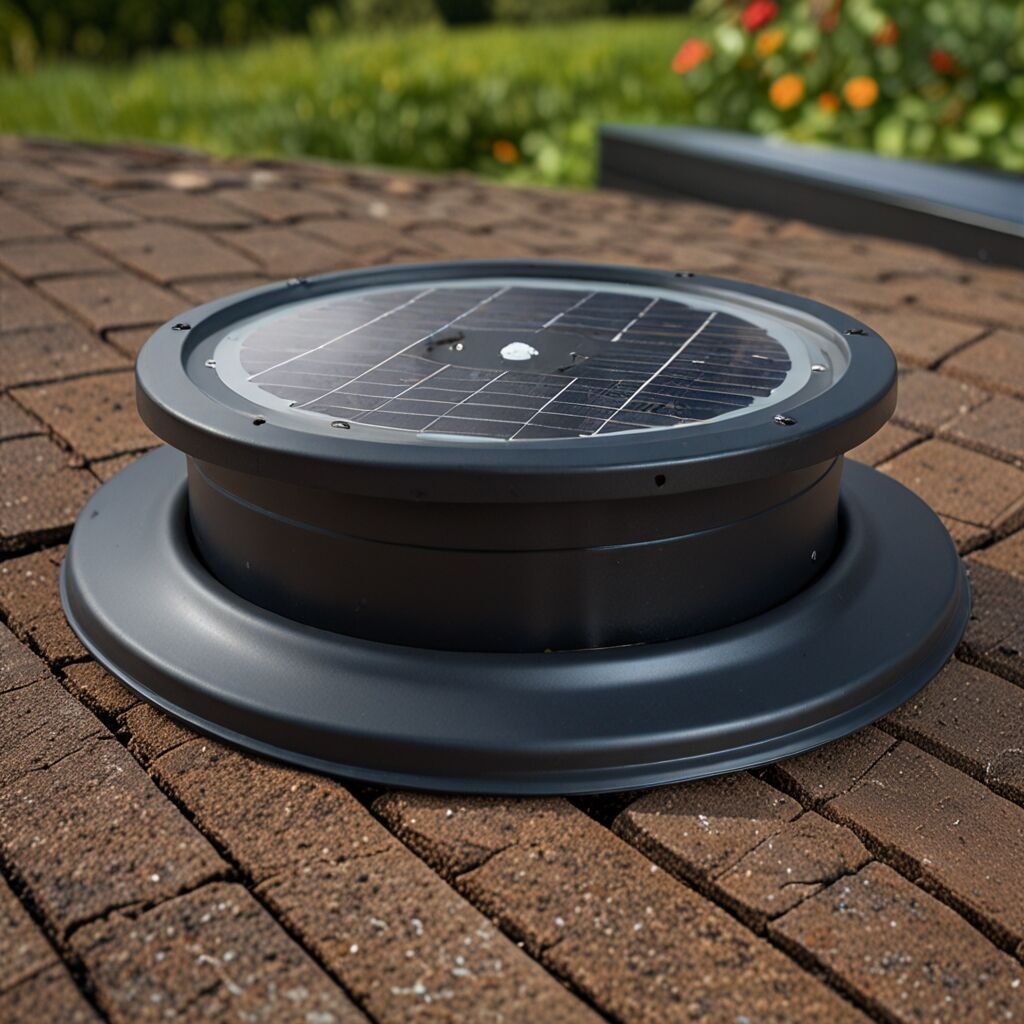
Most solar attic fan panels require cleaning every 3-6 months, though frequency depends on environmental conditions and seasonal factors. Homes near dusty roads, construction sites, or agricultural areas may need monthly cleaning, while those in cleaner environments can extend intervals to 6-8 months.
Seasonal cleaning schedules work best for most homeowners. Spring cleaning removes winter accumulation and prepares systems for peak summer operation. Fall maintenance clears debris before winter weather arrives. Additional cleaning may be necessary after severe weather events, dust storms, or periods of heavy pollen.
Visual inspection helps determine when cleaning is needed between scheduled maintenance. Signs requiring immediate attention include visible dirt buildup, reduced fan noise during operation, or noticeable decreases in attic ventilation effectiveness.
Factors That Influence Cleaning Frequency
Geographic location significantly impacts maintenance needs. Desert regions require more frequent cleaning due to dust and sand accumulation. Coastal areas face salt spray that creates stubborn residue. Heavily wooded areas deal with organic debris, sap, and increased wildlife activity.
Weather patterns also affect cleaning schedules. Areas with frequent rain may require less cleaning since natural rinsing occurs, though heavy storms can deposit additional debris. Regions with minimal precipitation need more intensive maintenance to remove accumulated particles that would otherwise wash away naturally.
Regional Cleaning Schedule Guidelines
- Desert climates: Monthly cleaning recommended during dusty seasons
- Coastal regions: Every 2-3 months due to salt spray accumulation
- Forested areas: Every 3-4 months, with additional fall maintenance
- Urban environments: Every 4-6 months depending on air quality
- Rural agricultural zones: Every 2-4 months during growing seasons
- Northern climates: Bi-annual cleaning focusing on spring and fall
- Hurricane-prone areas: Post-storm inspection and cleaning as needed
Required Tools and Supplies for Safe Panel Cleaning
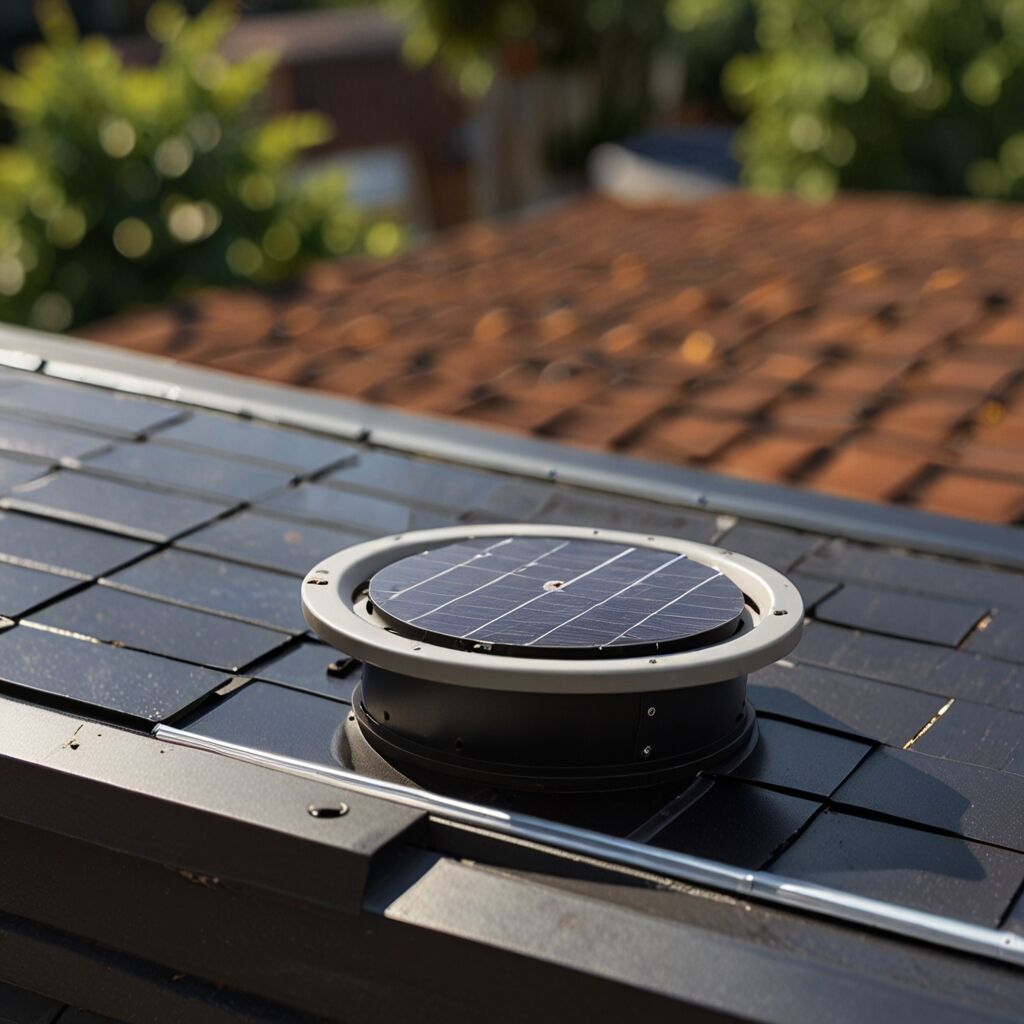
Effective solar panel cleaning requires specific tools designed to avoid damage while removing stubborn debris. Essential equipment includes soft-bristled brushes, microfiber cloths, mild cleaning solutions, and safety gear for working at heights. Using appropriate tools prevents scratching or other damage that could reduce panel efficiency.
Basic cleaning supplies should include non-abrasive sponges, squeegees for water removal, and extension poles for reaching difficult areas safely. Avoid harsh chemicals, abrasive materials, or high-pressure water that can damage protective coatings or electrical connections.
Safety Equipment for High-Location Cleaning
Safety should be the primary concern when cleaning attic-mounted solar panels. Essential safety equipment includes sturdy ladders rated for the user’s weight plus equipment, non-slip shoes with good traction, and safety harnesses when working on steep or high roofs.
Additional safety considerations include working during cooler parts of the day to avoid heat-related issues and ensuring someone knows your cleaning schedule. Weather conditions should be calm with no wind or precipitation forecasted. Those uncomfortable with heights should consider professional cleaning services.
Complete Step-by-Step Solar Panel Cleaning Process
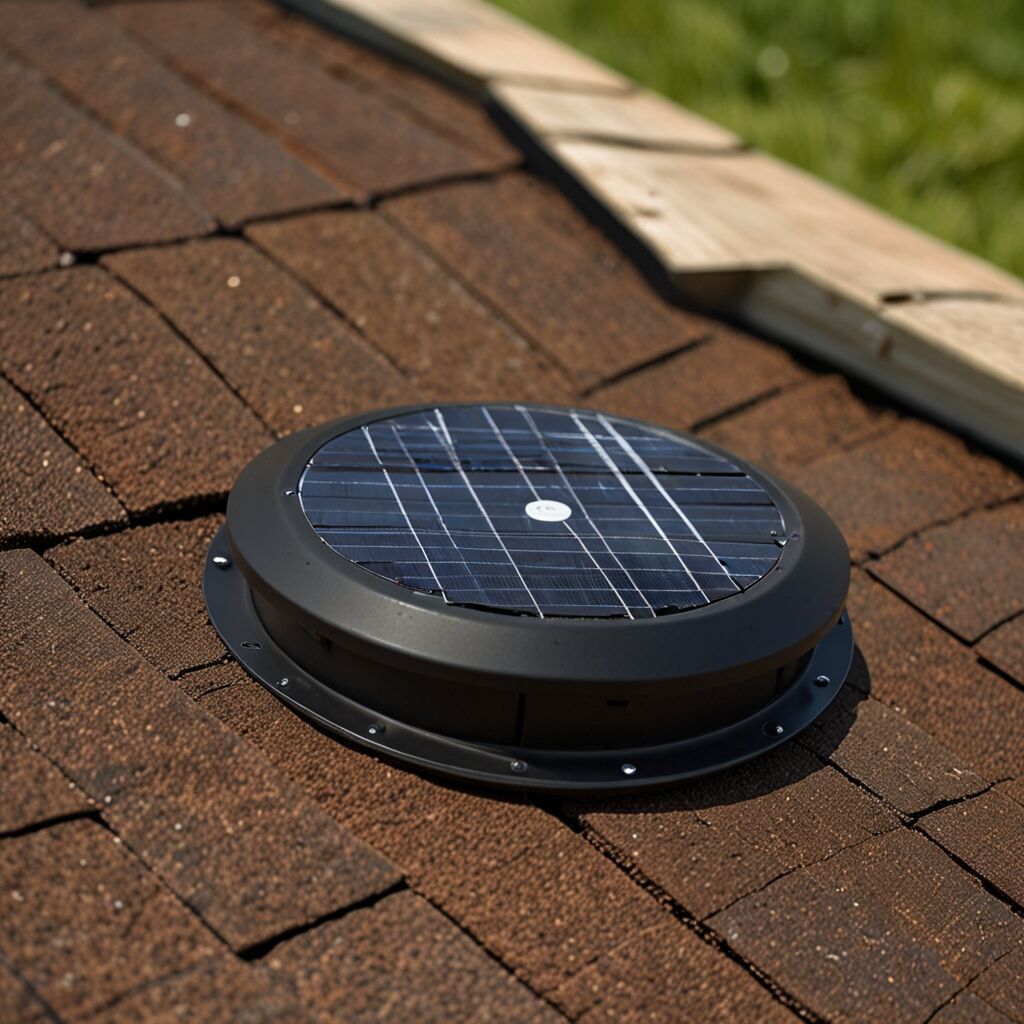
Begin the cleaning process by turning off the solar attic fan system if it has a manual shutoff switch. This prevents potential electrical issues and allows thorough cleaning without equipment interference. Start cleaning early morning or late afternoon when panels are cooler and less likely to show water spots from rapid drying.
The cleaning process involves four main stages: initial debris removal, washing with cleaning solution, thorough rinsing, and final inspection. Each stage requires specific techniques to ensure effective cleaning without damage to sensitive components or electrical connections.
Detailed Cleaning Procedure
Start by removing loose debris using a soft brush or compressed air, working from top to bottom to avoid redistributing dirt. Mix mild soap with warm water in a bucket, avoiding harsh detergents that could damage panel surfaces or leave residue that attracts future dirt accumulation.
Apply cleaning solution using a soft sponge or cloth, working in sections to prevent solution from drying before rinsing. Use gentle circular motions for stubborn spots, avoiding excessive pressure that could scratch protective coatings. Rinse thoroughly with clean water, ensuring no soap residue remains that could reduce transparency or attract dirt.
Professional Cleaning Techniques for Maximum Results
- Work during cooler temperatures to prevent water spots and thermal shock
- Use deionized water for final rinse to prevent mineral deposits
- Clean panels in overlapping sections for consistent results
- Dry panels with clean squeegees to prevent water spot formation
- Inspect electrical connections and mounting hardware during cleaning
- Document cleaning dates and observed performance changes
- Test fan operation after cleaning to ensure proper functionality
Signs Your Solar Attic Fan Panels Need Immediate Cleaning
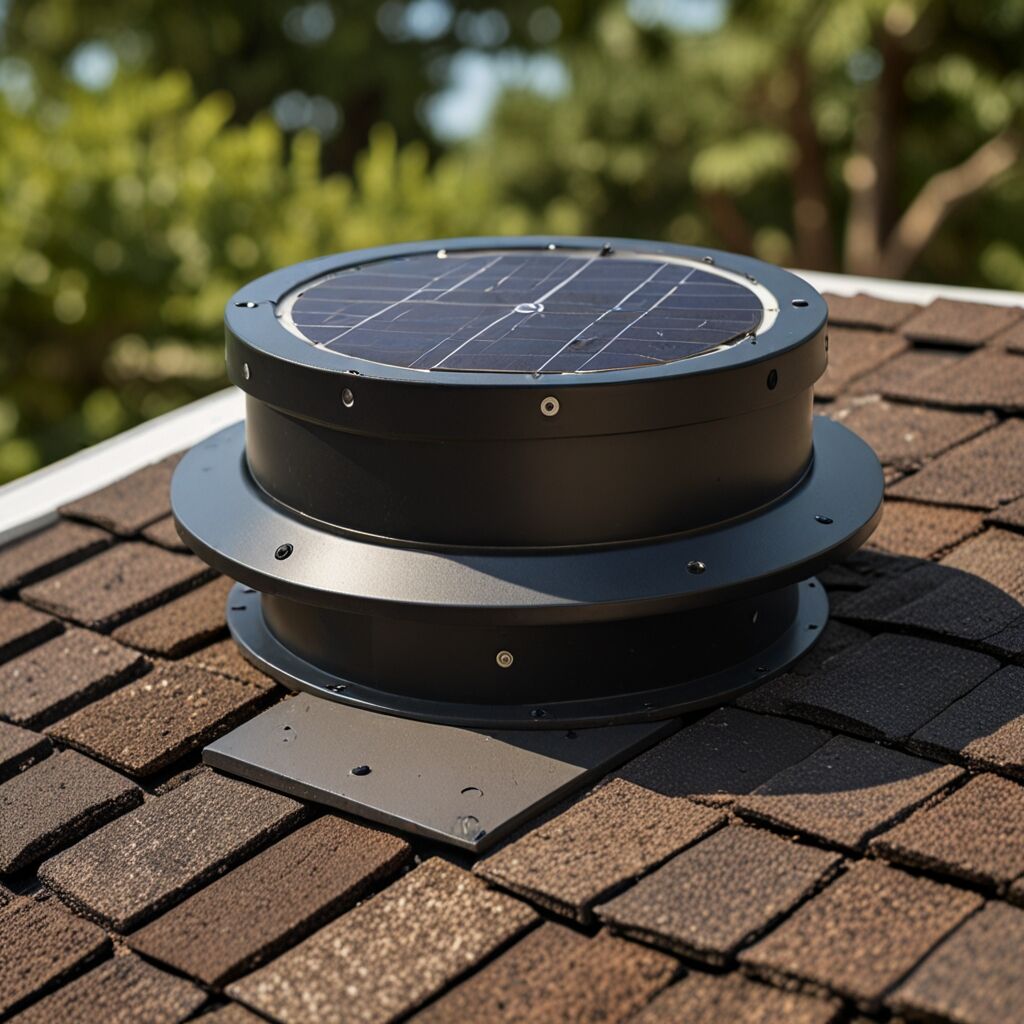
Several visual and performance indicators signal when solar attic fan panels require cleaning attention. The most obvious sign is visible dirt, dust, or debris accumulation on panel surfaces that appears dark or discolored compared to clean areas. Bird droppings, leaf residue, or sticky substances like tree sap require prompt removal to prevent permanent staining.
Performance indicators include reduced fan speed during peak sunlight hours, shorter operating periods, or complete failure to activate during hot weather when ventilation is most needed. These symptoms often indicate insufficient solar energy generation due to blocked panels rather than mechanical fan problems.
Environmental Conditions That Require Extra Attention
Certain environmental conditions accelerate dirt accumulation and require more frequent monitoring. Heavy pollen seasons, dust storms, nearby construction activity, or wildfire smoke can rapidly coat panels with efficiency-reducing particles. After such events, immediate inspection and cleaning may be necessary regardless of the regular maintenance schedule.
Seasonal weather patterns also create specific cleaning challenges. Ice and snow can leave mineral deposits when melting, while summer heat can bake dirt and debris into stubborn residues that require more intensive cleaning techniques. For homeowners interested in specific use case recommendations, detailed guidance is available.
Overcoming Common Solar Panel Cleaning Challenges
Accessibility represents the most significant challenge for many homeowners attempting to clean solar attic fan panels. Attic installations often require ladder work or roof access, creating safety risks for inexperienced individuals. Weather conditions, panel location, and roof pitch all affect cleaning difficulty and safety requirements.
Stubborn debris removal presents another common challenge, particularly with bird droppings, tree sap, or mineral deposits that resist standard cleaning methods. These substances may require specialized cleaning solutions or techniques while avoiding damage to panel surfaces or electrical components.
Solutions for Safe and Effective Cleaning
Professional-grade extension poles and angled brushes can help homeowners clean panels safely from ground level or stable ladder positions. These tools reduce the need for roof walking while maintaining cleaning effectiveness. When direct access is unavoidable, proper safety equipment and techniques are essential.
For stubborn stains, gentle heat application through warm cleaning solutions often proves more effective than aggressive scrubbing. Allowing cleaning solutions to dwell on tough spots before gentle agitation helps break down deposits without damaging protective coatings. Patience and proper technique typically yield better results than force.
Cost-Effective Maintenance Strategies
- DIY cleaning typically costs $20-50 for supplies and takes 1-2 hours
- Professional cleaning services range from $100-300 depending on accessibility
- Preventive maintenance reduces long-term repair and replacement costs
- Regular cleaning extends solar panel lifespan by preventing permanent damage
- Clean panels can improve energy production by 15-25% over dirty systems
- Annual maintenance contracts often provide better value than individual cleanings
- Group cleaning with neighbors may reduce per-home professional service costs
When Professional Cleaning Services Are Recommended
Professional cleaning services become necessary when safety concerns outweigh cost considerations or when specialized equipment is required for effective cleaning. Steep roofs, high installations, or complex access situations warrant professional expertise to prevent injury and ensure thorough cleaning.
Technical issues beyond basic cleaning also require professional attention. Electrical connection problems, mounting hardware issues, or panel damage need qualified technicians who understand solar system components and safety requirements. Attempting repairs without proper knowledge can create additional problems or safety hazards.
Choosing Quality Professional Services
Quality solar panel cleaning services should carry appropriate insurance, use proper safety equipment, and understand solar technology specifications. Ask about cleaning methods, solution types, and whether services include system inspection beyond basic cleaning. Reputable companies provide detailed cleaning reports and identify potential issues before they become expensive problems.
Professional services typically cost more initially but often provide better long-term value through comprehensive maintenance, safety compliance, and warranty protection. Many services also offer maintenance contracts that include regular cleaning schedules and priority response for emergency situations. For detailed information on warranty considerations and professional services, comprehensive guides are available.