An attic solar fan maintenance schedule is a systematic plan for regular upkeep tasks performed every 3-6 months to ensure optimal performance. Essential maintenance includes cleaning solar panels, inspecting fan blades, checking electrical connections, and lubricating moving parts. Most homeowners can perform basic tasks using simple tools like soft cloths and mild soap, while professional inspections typically cost between $75-150 annually for comprehensive system checks.
What Are Attic Solar Fans and How They Work
Attic solar fans are ventilation systems that use photovoltaic panels to convert sunlight into electricity, powering motorized fans that expel hot air from attic spaces. These systems typically consist of a solar panel (usually 10-20 watts), a brushless DC motor, fan blades, and weatherproof housing. The primary function involves drawing hot air from the attic through intake vents while simultaneously pulling cooler outside air through soffit vents, creating continuous airflow that reduces attic temperatures by 20-40 degrees Fahrenheit during peak summer conditions.
Key Benefits of Solar-Powered Attic Ventilation
Regular maintenance for attic solar fans ensures they deliver consistent energy savings, typically reducing cooling costs by 10-30% depending on home size and climate conditions. Well-maintained systems provide improved indoor air quality by preventing moisture buildup that leads to mold growth, extended HVAC system lifespan through reduced workload, and enhanced home comfort with more consistent temperatures. The environmental benefits include zero operating costs after installation and reduced carbon footprint compared to electric-powered ventilation alternatives.
Essential Components Requiring Regular Maintenance
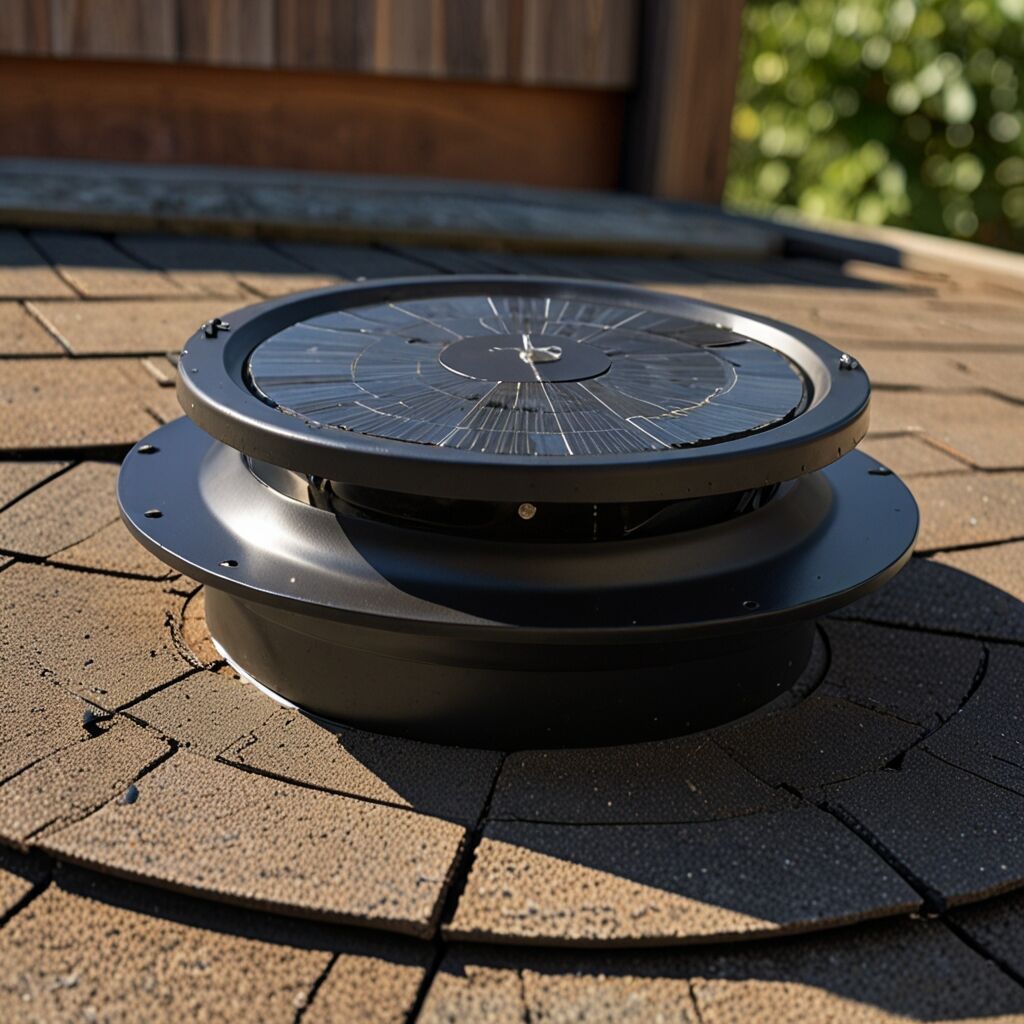
Understanding the primary components of attic solar fans is essential for effective maintenance scheduling. The solar panel requires cleaning every 3-6 months to maintain energy conversion efficiency, as dust and debris can reduce output by 15-25%. The fan motor and blades need inspection for wear, proper lubrication, and debris removal to prevent reduced airflow and premature failure. Electrical connections require checking for corrosion, loose wires, or weather damage that could cause system malfunction or safety hazards.
How Each Component Affects Overall Performance
Each component of an attic solar fan significantly impacts its operational efficiency and longevity. Solar panels experiencing reduced sunlight absorption due to dirt accumulation can decrease fan speed by 20-40%, directly affecting ventilation capacity. Fan motors operating with insufficient lubrication or blocked airflow work harder, consume more power, and typically fail 2-3 years earlier than properly maintained units. Compromised electrical connections create resistance that reduces power delivery, potentially causing inconsistent operation or complete system failure during peak demand periods.
Why Maintenance Schedules Prevent Costly Repairs
Regular maintenance is critical for preventing expensive repairs and ensuring maximum return on investment for attic solar fan systems. Neglecting routine upkeep typically leads to 40-60% reduced efficiency within 2-3 years, forcing HVAC systems to work harder and increasing energy costs. Common preventable problems include motor failure from debris accumulation ($150-300 repair cost), solar panel efficiency loss from dirt buildup (requiring professional cleaning at $75-125), and electrical connection corrosion leading to complete system replacement ($400-800).
Optimal Maintenance Frequency for Different Climates
Homeowners should perform maintenance on their attic solar fan based on local environmental conditions and usage intensity. In dusty or high-pollen areas, cleaning solar panels every 3 months prevents significant efficiency loss, while moderate climates typically require 6-month intervals. Coastal regions with salt air need more frequent electrical connection inspections every 4 months, whereas inland areas can extend this to 6-8 months. Professional comprehensive inspections should occur annually regardless of climate conditions.
Essential Maintenance Tasks by Frequency
- Monthly visual inspections: Check for obvious damage, unusual noises, or reduced airflow
- Quarterly cleaning: Solar panel cleaning and debris removal from fan housing
- Semi-annual maintenance: Lubricate moving parts and inspect electrical connections
- Annual professional inspection: Comprehensive system evaluation and performance testing
- Seasonal preparation: Pre-summer and post-winter system readiness checks
- As-needed repairs: Address specific issues like loose mounting or damaged components
Step-by-Step Maintenance Procedures
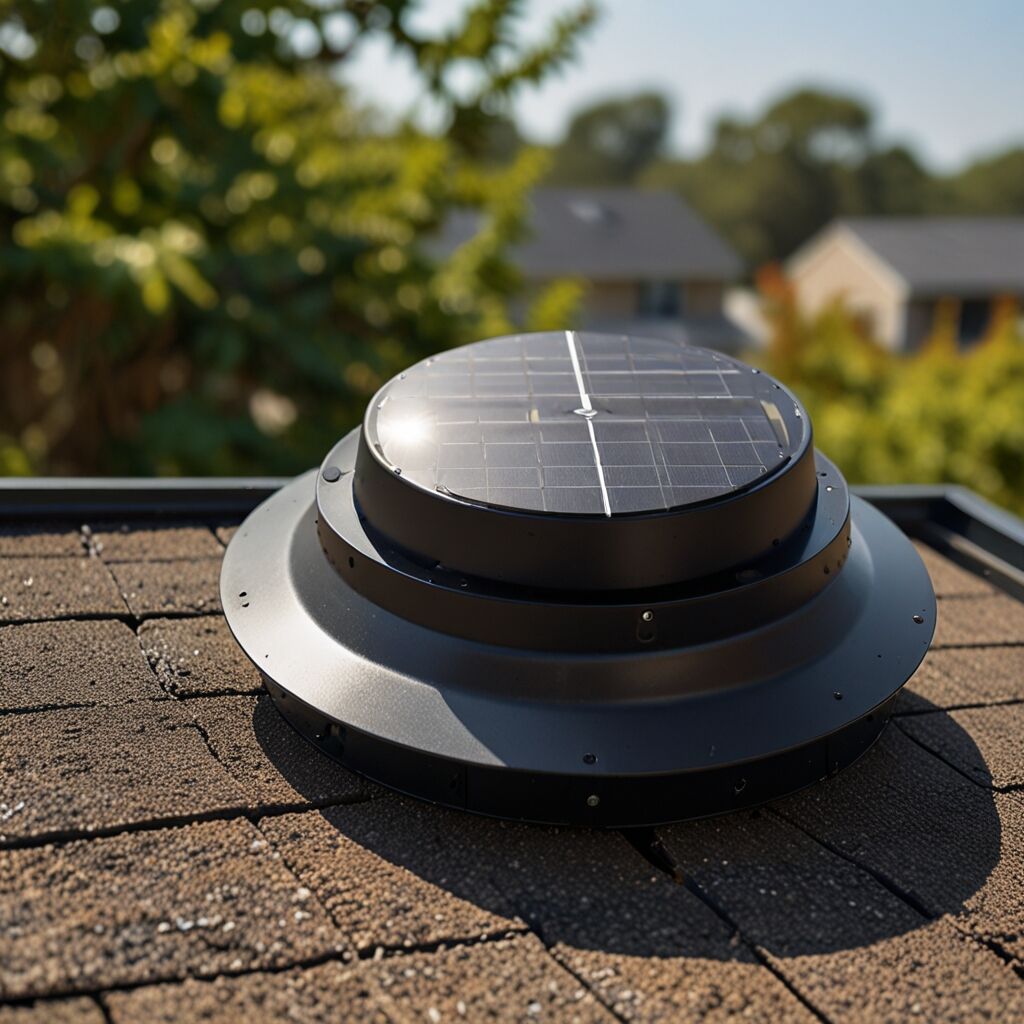
Effective attic solar fan maintenance requires following systematic procedures using appropriate tools and safety precautions. Essential equipment includes a soft-bristled brush, mild soap solution, multimeter for electrical testing, and ladder with proper safety equipment. Begin with solar panel cleaning using gentle techniques to avoid scratches, followed by fan blade inspection and debris removal. Electrical connection checks require turning off power and using proper testing equipment to ensure safe voltage levels and connection integrity.
Professional Solar Panel Cleaning Techniques
Cleaning solar panels effectively requires timing, proper materials, and correct techniques to maximize energy absorption. Perform cleaning during cooler morning or evening hours when panels are not hot to prevent thermal shock and ensure cleaning solution effectiveness. Use only soft, lint-free cloths with mild soap solution, avoiding abrasive materials that can create micro-scratches reducing panel efficiency. Rinse thoroughly with clean water and inspect for cracks, loose connections, or discoloration that may indicate need for professional evaluation or replacement.
Comprehensive Seasonal Maintenance Calendar
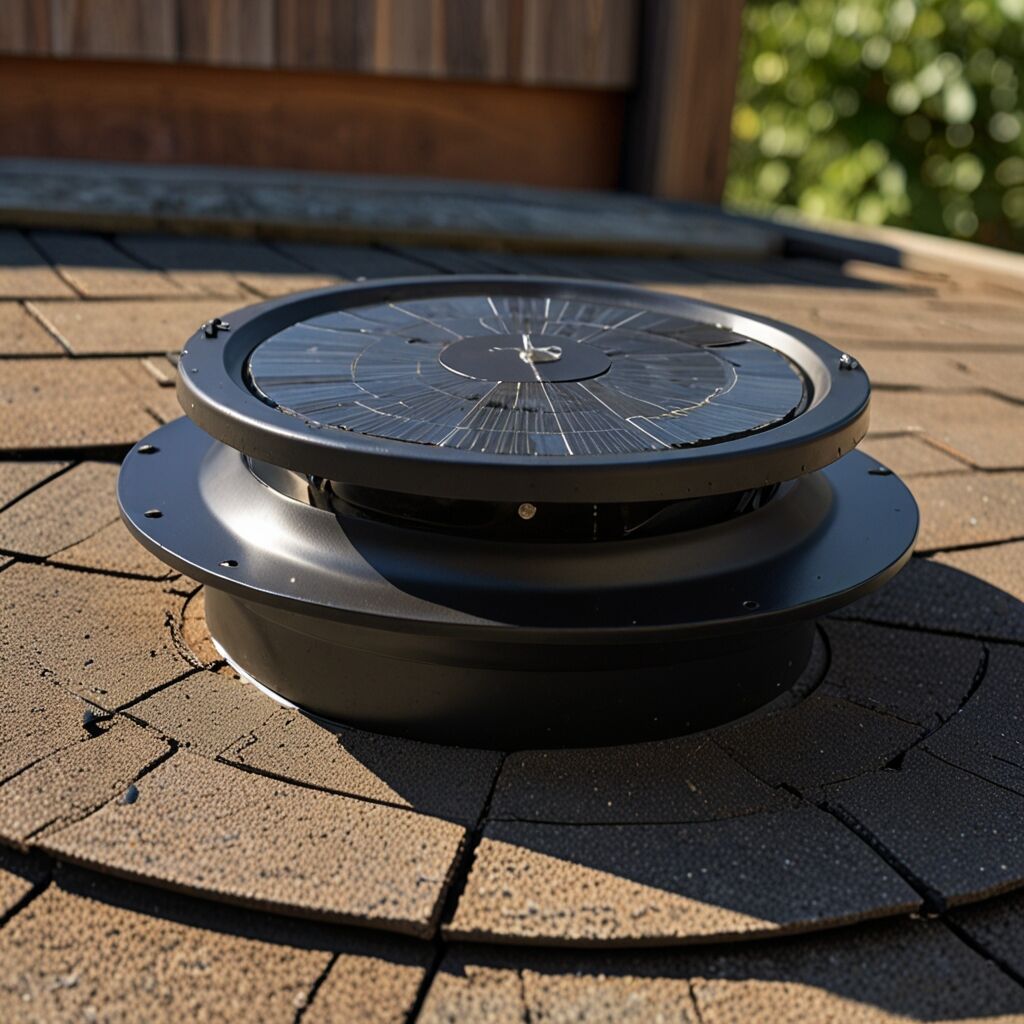
A structured seasonal maintenance approach ensures attic solar fans operate efficiently year-round while adapting to changing weather conditions and usage patterns. Spring maintenance focuses on post-winter damage assessment and system preparation for peak summer operation, including thorough cleaning and component inspection. Summer monitoring emphasizes performance verification during maximum demand periods, while fall maintenance prepares systems for reduced sunlight and potential weather challenges. Winter maintenance involves protection from ice, snow, and ensuring continued ventilation during heating season.
Season-Specific Maintenance Priorities
Understanding seasonal maintenance needs helps homeowners prioritize tasks based on environmental challenges and system demands. Spring requires comprehensive cleaning after winter weather exposure, checking for ice damage, and ensuring optimal positioning for increasing daylight hours. Summer maintenance focuses on peak performance verification, increased cleaning frequency in dusty conditions, and monitoring system capacity during maximum cooling demand. Fall preparation includes debris removal from surrounding areas, weatherproofing inspections, and performance testing before reduced sunlight periods.
Cost-Effective Maintenance Benefits
- Preventive maintenance costs $50-100 annually versus $200-500 for repair-driven approaches
- Regular upkeep extends system lifespan from 10-12 years to 15-20 years typically
- Maintained systems operate at 85-95% efficiency versus 60-75% for neglected units
- Early problem detection prevents minor $25-50 issues from becoming $200-400 repairs
- Consistent performance maintains 10-30% energy savings throughout system lifetime
- Proper maintenance preserves manufacturer warranties, potentially saving $300-600 replacement costs
Troubleshooting Common Performance Issues
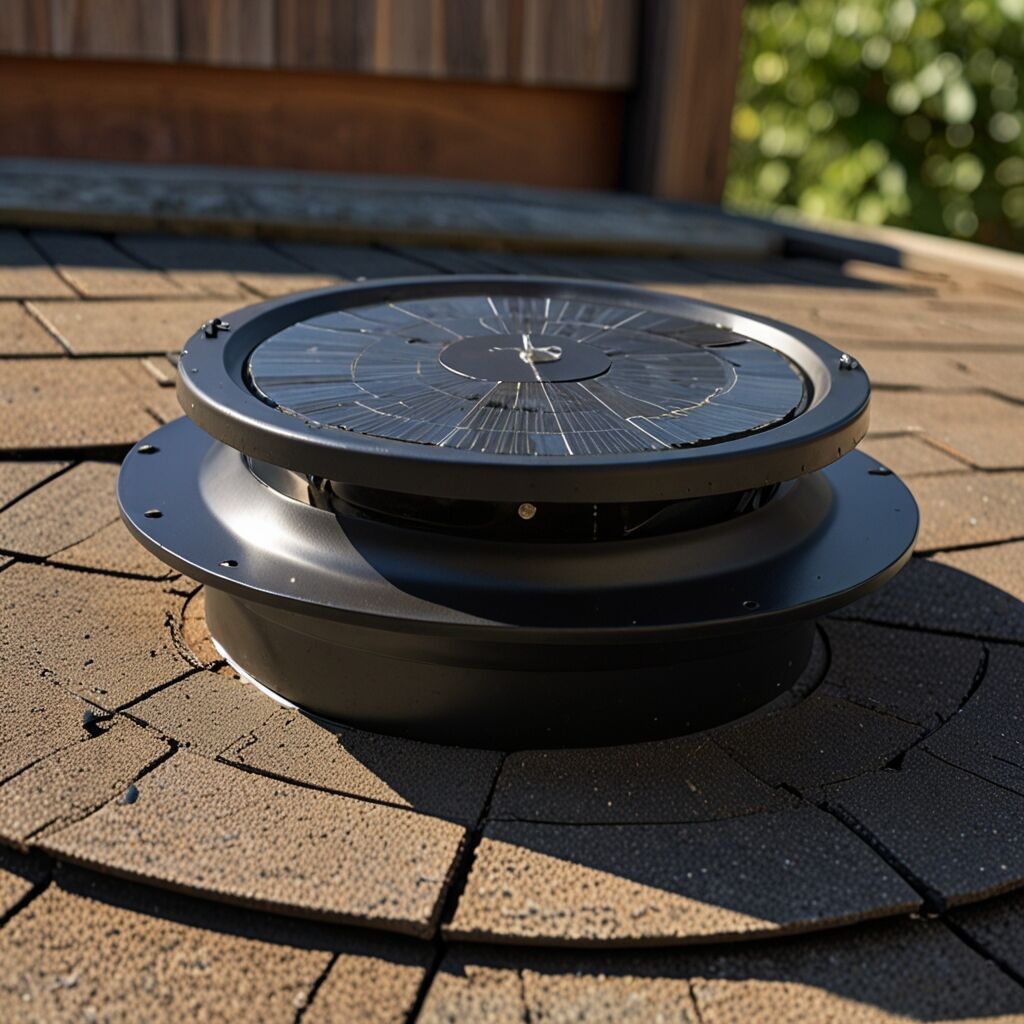
Attic solar fans experience predictable problems that regular maintenance can prevent or minimize. Reduced airflow typically results from debris accumulation on fan blades or blocked intake/exhaust vents, requiring systematic cleaning and obstruction removal. Solar panel efficiency loss occurs gradually through dust, pollen, or bird dropping accumulation, necessitating regular cleaning schedules based on local conditions. Electrical issues include loose connections from thermal cycling, corrosion from moisture exposure, and wire degradation from UV exposure or rodent damage.
Diagnostic Steps for Performance Problems
When identifying issues with attic solar fans, homeowners should follow systematic diagnostic procedures to determine root causes and appropriate solutions. Begin with visual inspection during sunny conditions to verify fan operation, checking for blade movement and listening for unusual noises indicating bearing wear or debris interference. Test solar panel output using a multimeter, comparing readings to manufacturer specifications, and inspect electrical connections for corrosion, looseness, or damage. Document findings to track performance trends and determine when professional evaluation becomes necessary.
Professional Maintenance vs DIY Approaches
Homeowners can safely perform most routine maintenance tasks, but certain situations require professional expertise for safety and warranty compliance. DIY-appropriate tasks include solar panel cleaning, visual inspections, debris removal, and basic lubrication using manufacturer-recommended products. Professional service becomes necessary for electrical troubleshooting, structural mounting issues, motor replacement, or any situation involving roof work above comfort levels. Annual professional inspections typically cost $75-150 but can identify developing problems before they require expensive repairs.
Warning Signs Requiring Immediate Professional Attention
Several indicators suggest immediate professional evaluation to prevent safety hazards or system damage. Unusual noises like grinding, clicking, or rattling suggest bearing failure or debris interference requiring expert diagnosis and repair. Visible sparking, burning odors, or electrical component discoloration indicate serious electrical problems requiring immediate shutdown and professional intervention. Significant performance degradation, such as fan failure during sunny conditions or dramatically reduced airflow, suggests motor or electrical system problems beyond typical homeowner repair capabilities.
Reliable Solar Attic Fan Manufacturers
- Natural Light: Comparison table shows excellent durability but higher initial costs
- Broan-NuTone: Known for quiet operation and reliable performance in various climates
- Air Vent: Offers energy-efficient models with comprehensive warranty coverage
- Solatube: Provides innovative designs with integrated flashing systems
- Master Flow: Features robust construction suitable for harsh weather conditions
- Solar Royal: Delivers high-efficiency panels with competitive pricing options
Advanced Maintenance Resources and Tools
To enhance your knowledge of attic solar fan maintenance, utilize manufacturer resources, professional guides, and specialized tools for optimal system care. Essential maintenance tools include digital multimeters for electrical testing ($20-50), soft-bristled brushes for panel cleaning ($5-15), and appropriate safety equipment for roof access ($50-150). Professional maintenance services typically range from $75-150 annually for comprehensive inspections, while DIY maintenance costs average $25-50 yearly for supplies and tools.
Creating Your Personalized Maintenance Schedule
Developing an effective maintenance schedule requires considering local climate conditions, system specifications, and personal capabilities for DIY versus professional service needs. Document your specific system model, installation date, and warranty terms to guide maintenance timing and service requirements. Create monthly reminders for visual inspections, quarterly schedules for cleaning tasks, and annual appointments for professional evaluations. Track maintenance activities, costs, and system performance to optimize your schedule based on actual results and identify the best maintenance practices for your specific situation.