Solar attic fans control humidity by automatically expelling moist air using solar-powered ventilation. These systems typically reduce problematic humidity levels above 60% to optimal 30-50% ranges. Tools like Remington Solar, QuietCool, and Master Flow models cost between $300-700 installed, providing measurable humidity control with attic solar fan improvements.
What Are Solar Attic Fans for Humidity Management
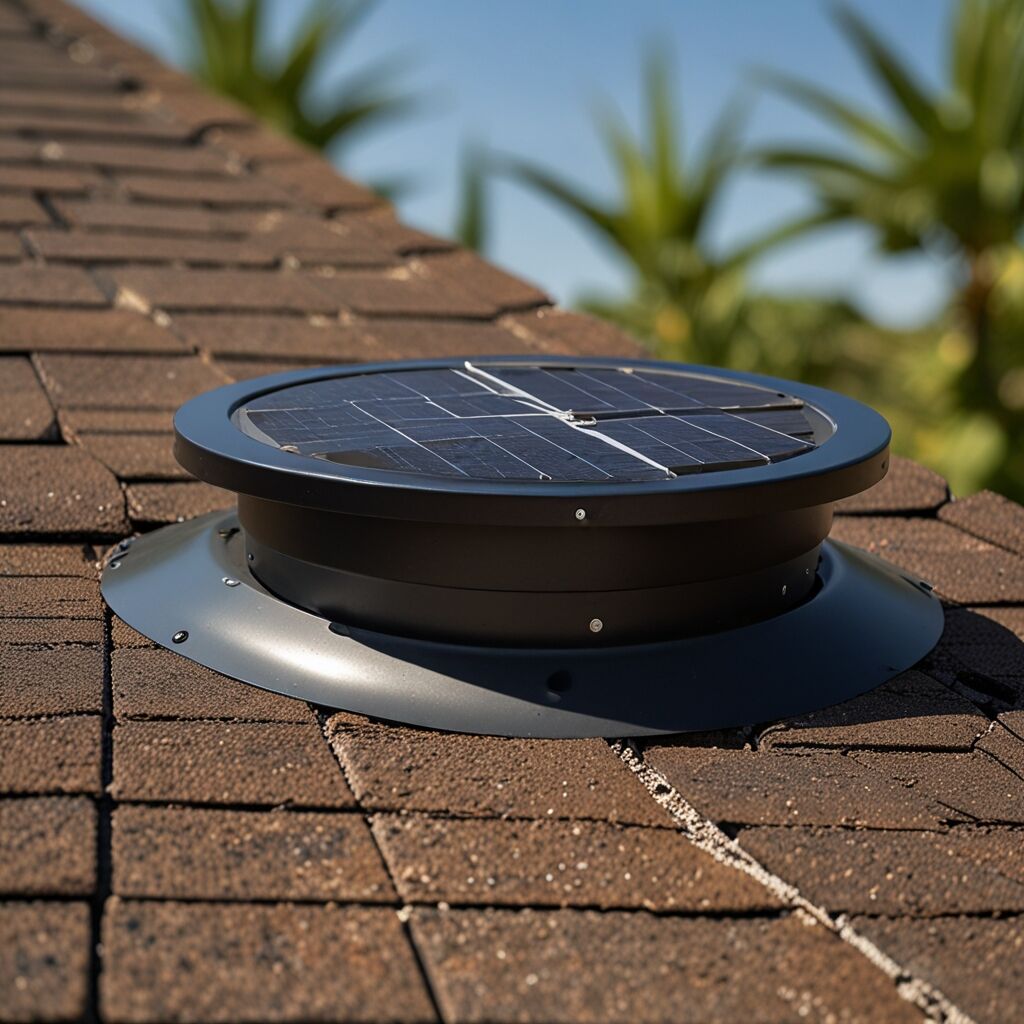
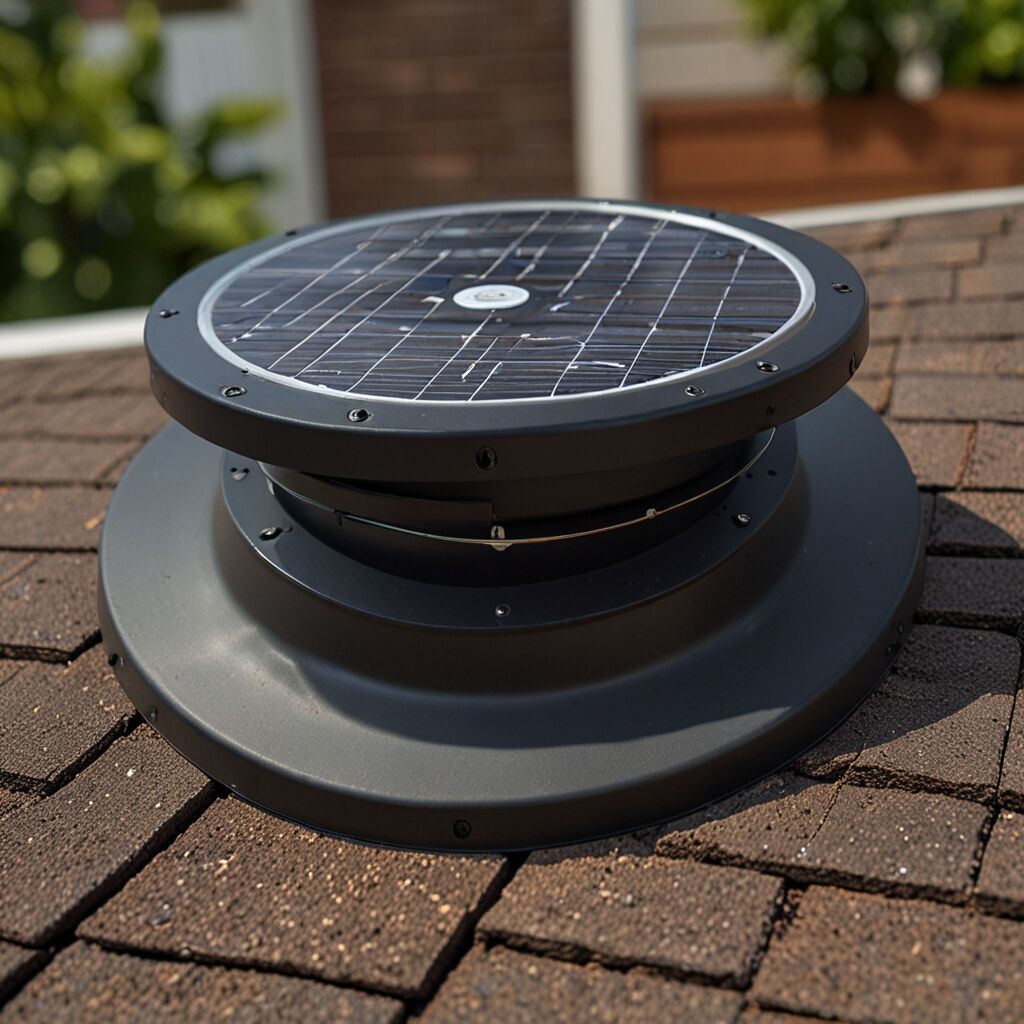
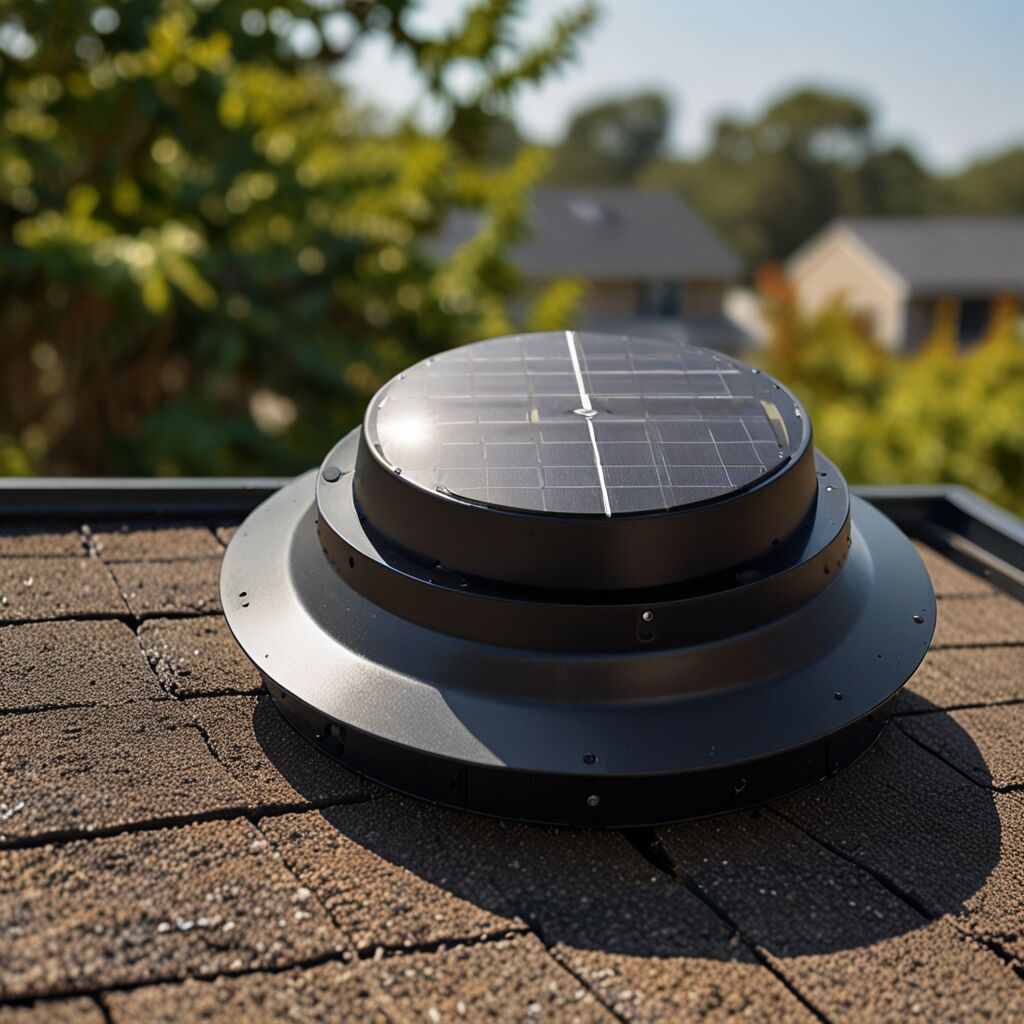
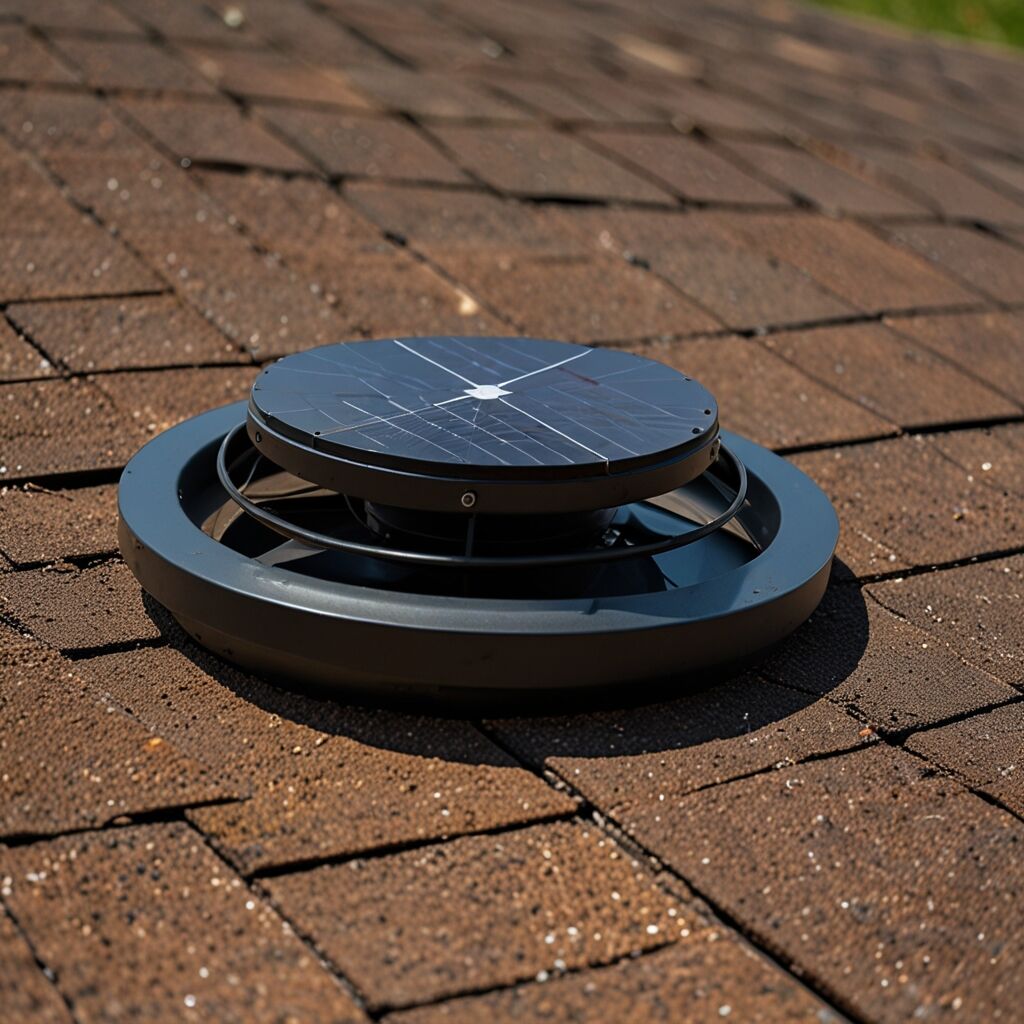
Solar attic fans are specialized ventilation devices that control moisture by using photovoltaic panels to power exhaust motors. These systems work by converting sunlight into electricity that operates fan blades ranging from 10-20 inches in diameter. When activated, the fan creates negative pressure that forces humid air upward and outward while drawing drier air through soffit intake vents.
The humidity control process involves continuous air exchange throughout daylight hours. As warm, moist air accumulates in attic spaces, the solar-powered motor automatically engages to maintain airflow rates between 500-1500 cubic feet per minute. This circulation prevents moisture levels from exceeding 60%, which typically leads to mold growth and structural damage.
How Solar Attic Ventilation Systems Operate
Solar attic ventilation systems operate through a simple but effective process. To ensure your attic solar fan performs optimally, photovoltaic cells capture sunlight and generate DC power for brushless motors. These motors spin fan assemblies that create airflow patterns designed to remove humid air from the highest points where moisture naturally collects.
The system includes automatic temperature controls that activate operation when attic temperatures reach 80-120°F. Built-in thermostats ensure the fan operates during peak humidity periods while conserving energy during cooler conditions. However, performance depends entirely on sunlight availability, making operation impossible during nighttime hours when humidity often peaks.
Benefits and Performance Limitations
Solar attic fans provide significant moisture management benefits including zero operational costs, automatic daylight operation, and reduced cooling system strain. Detailed solar attic fan comparisons reveal that quality units move 500-1500 CFM depending on solar panel wattage and motor specifications.
Key performance benefits include:
- Humidity reduction from dangerous 60%+ levels to safe 30-50% ranges
- Mold prevention through consistent air circulation during daylight hours
- Insulation protection by eliminating moisture that reduces thermal efficiency
- Energy savings through reduced air conditioning load during summer months
Understanding System Limitations and Constraints
Important limitations affect solar attic fan performance that homeowners must understand. These systems cannot operate during cloudy weather or nighttime hours when humidity problems often worsen. Shaded installations significantly reduce power generation, while extremely large attics over 2000 square feet may require multiple units for adequate coverage.
Installation constraints include the need for roof penetration, which creates potential leak points without proper sealing. Professional installation typically adds $200-400 to total costs but ensures weatherproof mounting and optimal positioning for maximum solar exposure.
Why Attic Humidity Control Prevents Costly Damage
Attic humidity control prevents expensive structural damage by maintaining moisture levels below the 60% threshold where mold growth accelerates. When relative humidity exceeds this critical point, condensation forms on cooler surfaces like roof decking and framing members. This moisture creates ideal conditions for wood rot, metal corrosion, and insulation degradation.
The financial impact of poor humidity management includes:
- Mold remediation costs ranging from $1,500-6,000 for typical attic spaces
- Insulation replacement expenses between $2-4 per square foot when moisture damage occurs
- Increased energy costs from reduced insulation effectiveness and overworked HVAC systems
- Potential roof deck replacement costing $3-7 per square foot in severe cases
Common Moisture Problems Solar Fans Address
Solar attic fans address several moisture-related problems that commonly affect residential properties. Ice dam formation during winter results from poor ventilation allowing warm air to melt snow that refreezes at roof edges. This cycle damages gutters and creates entry points for water infiltration.
Condensation problems typically manifest as damp insulation, metal component corrosion, or visible mold growth on wooden surfaces. Understanding the pros and cons helps homeowners recognize these warning signs before expensive damage occurs. Effective solar ventilation prevents these issues by maintaining consistent airflow during peak sunlight hours.
Optimal Operating Settings and Temperature Controls
Optimal solar attic fan settings involve programming temperature controls to activate when attic temperatures exceed 100°F or humidity levels surpass 55%. Humidity control settings for attic solar fans should account for seasonal variations, with summer operation focusing on temperature management and spring/fall addressing moisture accumulation.
Recommended settings by season include:
- Summer (May-September): Activate at 100°F with continuous operation during peak hours
- Spring/Fall (March-May, September-November): Engage at 80°F focusing on humidity above 55%
- Winter (December-February): Limited operation only during warm sunny days above 60°F
Advanced Features for Automated Humidity Management
Modern solar attic fans include sophisticated features that enhance humidity control effectiveness. Built-in hygrometers continuously monitor moisture levels and automatically trigger operation when humidity exceeds preset thresholds. Variable speed motors adjust airflow based on current conditions, providing gentle circulation during mild weather and maximum ventilation during peak humidity periods.
Essential automation features include temperature-activated controls that engage before moisture problems develop and manual override switches for emergency ventilation. Attic solar fans with reliable features offer weatherproof construction and UV-resistant components designed for 15-20 year operational lifespans.
When Solar Attic Fans Should Activate
Solar attic fans should activate when environmental conditions indicate rising humidity risk or excessive heat accumulation. Activate your attic solar fan is most effective when attic temperatures exceed 100°F or when consecutive days of high humidity create moisture accumulation risks.
Key activation triggers include:
- Attic temperatures reaching 90°F or higher during spring and fall months
- Relative humidity readings above 55% for more than 48 consecutive hours
- Recent precipitation followed by sunny conditions that increase evaporation
- Visible condensation on attic surfaces or musty odors indicating moisture problems
Environmental Monitoring for Maximum Effectiveness
Effective solar attic fan operation requires monitoring specific environmental indicators that signal when ventilation becomes necessary. Attic solar fan provides efficient moisture reduction when outdoor temperature differences of 20°F or more create natural convection currents that enhance fan performance.
Weather patterns requiring proactive fan operation include approaching storms with high humidity, temperature inversions that trap moist air, and extended periods above 80°F with limited air movement. However, homeowners must recognize that solar fans cannot operate during crucial nighttime hours when humidity often peaks, representing a significant operational limitation requiring supplemental ventilation strategies.
How to Choose the Right Solar Attic Fan
Choosing the right solar attic fan requires calculating your attic’s square footage to determine required airflow capacity measured in cubic feet per minute (CFM). Assess the best attic solar fan options using the general rule of 1 CFM per square foot of attic space, increasing to 1.5 CFM in particularly humid climates.
Selection criteria by attic size:
- Small attics (under 1,000 sq ft): 20-30 watt solar panels with 500-750 CFM capacity
- Medium attics (1,000-1,500 sq ft): 30-40 watt panels providing 750-1,200 CFM airflow
- Large attics (1,500-2,000 sq ft): 40-50 watt systems delivering 1,200-1,500 CFM
- Extra large attics (over 2,000 sq ft): Multiple units or commercial-grade systems
Critical Performance Features and Quality Indicators
Essential performance features for effective solar attic fans include brushless DC motors that provide quiet, long-lasting operation compared to brushed alternatives. Attic solar fan efficiency is crucial for sustained moisture control, making variable speed controls valuable for adapting to changing daylight and temperature conditions.
Quality indicators include corrosion-resistant construction materials suitable for extreme attic environments, built-in thermal protection preventing motor damage during excessive heat, and comprehensive warranty coverage. Typical warranties range from 2-5 years for fan assemblies and 10-25 years for solar panels, though realistic expectations include gradual performance decline as components age.
Solar Attic Fan Costs and Budget Planning
Solar attic fan costs typically range from $300-700 for basic installations, while premium models with advanced features can cost $800-1,200 including professional installation. DIY installations reduce costs by $200-400 but require roofing experience and proper safety equipment to prevent accidents or improper sealing.
Cost breakdown by component:
- Basic solar fan unit: $150-400 depending on CFM rating and solar panel wattage
- Professional installation: $200-400 for standard roof configurations
- Additional materials (flashing, sealants, mounting hardware): $50-100
- Electrical connections (if required): $100-200 for wiring to home systems
Return on Investment and Long-term Savings
Solar attic fans typically provide return on investment through reduced cooling costs and prevented moisture damage. Energy savings range from $50-200 annually depending on local electricity rates and cooling system efficiency. However, the primary value comes from preventing expensive moisture-related repairs that can cost thousands of dollars.
Long-term financial benefits include extended roof lifespan, preserved insulation effectiveness, and maintained indoor air quality. Investing in an attic solar fan provides cumulative savings that typically offset installation costs within 3-5 years through energy reduction and damage prevention.
Who Benefits Most from Solar Attic Fan Installation
Homeowners in humid climates benefit most significantly from solar attic fan installation, particularly those in coastal regions, river valleys, or areas with high annual precipitation exceeding 40 inches. Properties with existing moisture problems evidenced by mold growth, musty odors, or condensation stains often see immediate improvements in air quality and structural preservation.
Ideal candidates include:
- Older homes built before 1980 with limited original attic ventilation
- Properties with south-facing roof exposure receiving 6+ hours of direct sunlight daily
- Homes in humid climates where relative humidity regularly exceeds 60%
- Attics with inadequate soffit ventilation that restricts natural airflow
Scenarios Where Solar Fans Provide Limited Benefits
Certain situations limit solar attic fan effectiveness requiring alternative ventilation approaches. Heavily shaded roofs receiving less than 4 hours of direct sunlight may not generate sufficient power for effective moisture control. Properties in consistently cloudy climates might require supplemental electric ventilation systems.
Limited benefit scenarios include very large attics exceeding 2000 square feet that need multiple units for adequate coverage, homes with complex roof designs creating separated attic spaces, and properties where underlying moisture sources like bathroom exhaust fans venting into attics remain unaddressed. Best performance of your attic solar fan requires addressing these fundamental issues alongside fan installation.
Optimal Installation Locations and Positioning
Optimal solar attic fan installation requires positioning units near the highest point of roof slopes where warm air naturally accumulates. Solar attic fan use cases show that southern or southwestern exposure maximizes solar collection throughout the day while avoiding shaded areas created by trees, chimneys, or neighboring structures.
Installation guidelines by roof configuration:
- Simple gable roofs: Install within 3 feet of ridge line on south-facing slope
- Hip roofs: Position on highest slope with maximum sun exposure
- Complex roofs: Multiple units may be required for separated attic spaces
- Low-slope roofs: Ensure adequate clearance from insulation and stored items
Installation Challenges and Professional Requirements
Professional installation becomes advisable for complex roof configurations, steep angles exceeding 6/12 pitch, or tile and slate roofing materials requiring specialized techniques. Key to optimizing attic solar fan performance involves proper flashing installation and weatherproofing to prevent water infiltration that can cause significant structural damage.
Common installation challenges include navigating around existing obstacles like plumbing vents or satellite equipment, ensuring adequate structural support for fan mounting, and coordinating with existing ventilation systems. Post-installation verification should confirm proper operation and humidity level reduction within 2-4 weeks of system activation.
Solar Attic Fans vs. Alternative Ventilation Solutions
Solar attic fans compete with several alternative ventilation solutions, each offering distinct advantages and limitations. Electric attic fans provide consistent operation regardless of weather conditions but increase monthly energy costs by $10-30. Ridge vents offer passive ventilation without moving parts but require adequate soffit intake ventilation for effectiveness.
Comparison of ventilation alternatives:
- Electric attic fans: Consistent operation but ongoing energy costs and electrical requirements
- Ridge vents: No operational costs but depend entirely on natural air currents
- Turbine vents: Wind-powered operation but ineffective during calm conditions
- Gable vents: Simple installation but limited airflow capacity
When to Consider Alternative Solutions
Alternative ventilation solutions become preferable when solar attic fans cannot meet specific property requirements. Electric fans suit homes with heavily shaded roofs or climates with limited sunlight. Ridge vent systems work well for new construction where comprehensive ventilation design can be integrated from the beginning.
Combined approaches often provide optimal results, using solar fans for active daytime moisture removal supplemented by passive ridge or soffit ventilation for 24-hour air circulation. Final verdict considerations include local climate conditions, roof configuration, and budget constraints when selecting the most appropriate ventilation strategy.