Cleaning attic solar fan blades is essential for eliminating vibration issues and requires basic tools like soft brushes, mild detergent, and safety equipment. Most homeowners can complete this maintenance task in 30-60 minutes every 3-6 months using simple techniques. Clean blades reduce noise, improve airflow efficiency, and prevent motor strain that leads to costly repairs.
Understanding How Dirty Blades Affect Solar Fan Performance
Accumulated dirt and debris on solar fan blades negatively impacts solar fan efficiency by creating aerodynamic imbalances that force the motor to work harder. When dust, leaves, and grime build up on blade surfaces, they disrupt smooth airflow patterns and create uneven weight distribution. This imbalance manifests as vibration, excessive noise, and reduced ventilation capacity that can increase attic temperatures by 10-15 degrees. The motor compensates by drawing more power, leading to premature wear and potential failure within 2-3 years instead of the typical 10-15 year lifespan. Regular blade maintenance prevents these cascading performance issues while maintaining optimal energy efficiency.
Common Types of Debris on Solar Fan Blades
Debris typically found on attic solar fan blades includes airborne particles like dust and pollen, organic matter such as leaves and twigs, biological deposits including bird droppings and spider webs, and seasonal accumulations that vary by geographic location. Dust and pollen represent the most persistent challenge, as these fine particles adhere to blade surfaces through static attraction and moisture. Autumn brings leaf debris, while spring increases pollen loads significantly. Bird activity near roof areas contributes droppings that create sticky surfaces attracting additional debris. Spider webs form protective barriers that trap smaller particles, creating compound blockages. Understanding debris types helps homeowners choose appropriate cleaning methods that address specific contamination patterns effectively.
Common Vibration Problems in Attic Solar Fans
Homeowners frequently encounter vibration problems in attic solar fans due to several interconnected causes that compound over time. Dust accumulation creates blade imbalance, while worn bearings allow shaft wobble that amplifies vibration through the mounting system. Damaged or warped blades from weather exposure generate irregular airflow patterns. Loose mounting hardware allows the entire assembly to vibrate against roof structures. Poor initial installation compounds these issues when fans are not properly leveled or securely fastened. These vibration sources often occur simultaneously, requiring systematic diagnosis to identify primary causes. Understanding these common problems enables homeowners to prioritize maintenance activities and recognize when professional intervention becomes necessary for complex mechanical issues.
How Installation Issues Impact Vibration Levels in Attic Solar Fans
Improper installation of attic solar fans often results in significant vibration problems that worsen over time as thermal cycles stress improperly secured components. Mounting brackets require precise alignment and adequate fastener torque to prevent movement during operation. Misaligned brackets create uneven stress distribution that allows the fan assembly to rock or shift. Insufficient roof penetration sealing permits air leaks that create turbulence around the fan housing. Improper flashing installation allows water infiltration that damages bearings and electrical connections. Solar panel misalignment affects power delivery consistency, causing motor speed variations that manifest as vibration. Professional installation typically costs $200-500 but prevents these costly problems while ensuring manufacturer warranty coverage remains valid.
The Direct Link Between Blade Cleanliness and Vibration Elimination
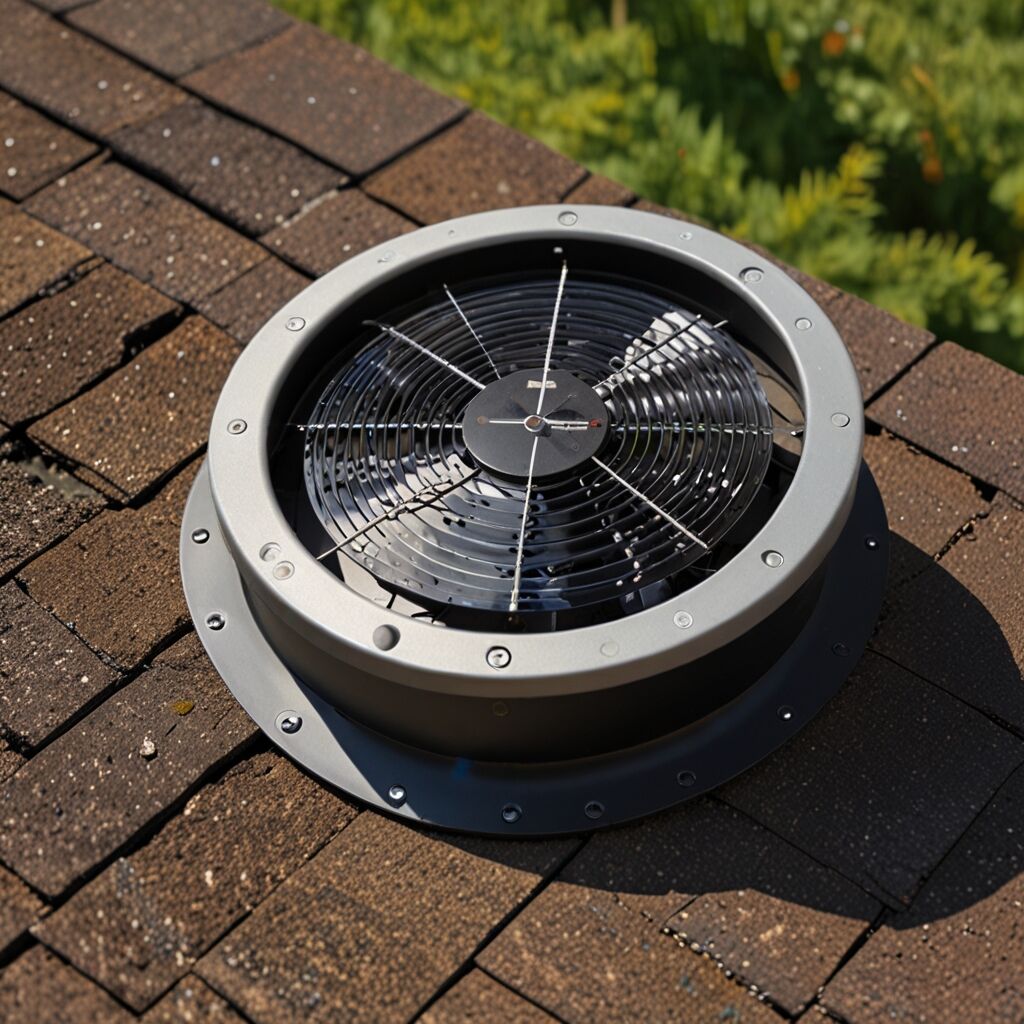
Clean fan blades eliminate vibration by maintaining aerodynamic balance and smooth rotation that prevents motor strain and mechanical stress. Dirty blades create uneven weight distribution as debris accumulates asymmetrically across blade surfaces. This imbalance forces the motor to compensate with irregular power delivery, creating vibration that transmits through mounting hardware to roof structures. Clean blades maintain their designed aerodynamic profile, ensuring smooth airflow and consistent rotational forces. The relationship between cleanliness and vibration reduction is immediate – homeowners typically notice reduced noise within minutes of completing blade cleaning. Different fan models respond differently to cleaning, with larger diameter fans showing more dramatic improvement than compact units. However, all solar attic fans benefit from regular maintenance that addresses both performance and longevity concerns through proactive care.
Cleaning Techniques for Attic Solar Fan Blades
When cleaning attic solar fan blades, use soft-bristled brushes and mild detergent solutions to remove accumulated grime without damaging protective coatings or blade surfaces. Avoid harsh chemicals, abrasive materials, or high-pressure water that could compromise electrical components or blade integrity. The optimal cleaning frequency ranges from every 3-6 months depending on environmental conditions, with dusty or pollen-heavy areas requiring more frequent attention. Safety requires disconnecting power sources and using proper ladder techniques when accessing roof-mounted units. Inspect blades for wear, cracks, or damage during each cleaning session. This systematic approach enhances efficiency by up to 25% while extending equipment lifespan through preventive maintenance that addresses minor issues before they become major problems.
Essential Safety Precautions for Solar Fan Maintenance
- Always disconnect power at the solar panel and any battery backup systems before starting work
- Use proper ladder safety techniques and have someone spot you during roof access
- Wear non-slip shoes and avoid working during wet or windy conditions
- Check for electrical damage or exposed wiring before touching any components
- Never use water near electrical connections or control boxes
- Inspect mounting hardware stability before putting weight on the fan assembly
- Consider professional help for installations above single-story heights or complex electrical issues
Essential Tools and Materials for Effective Fan Blade Cleaning
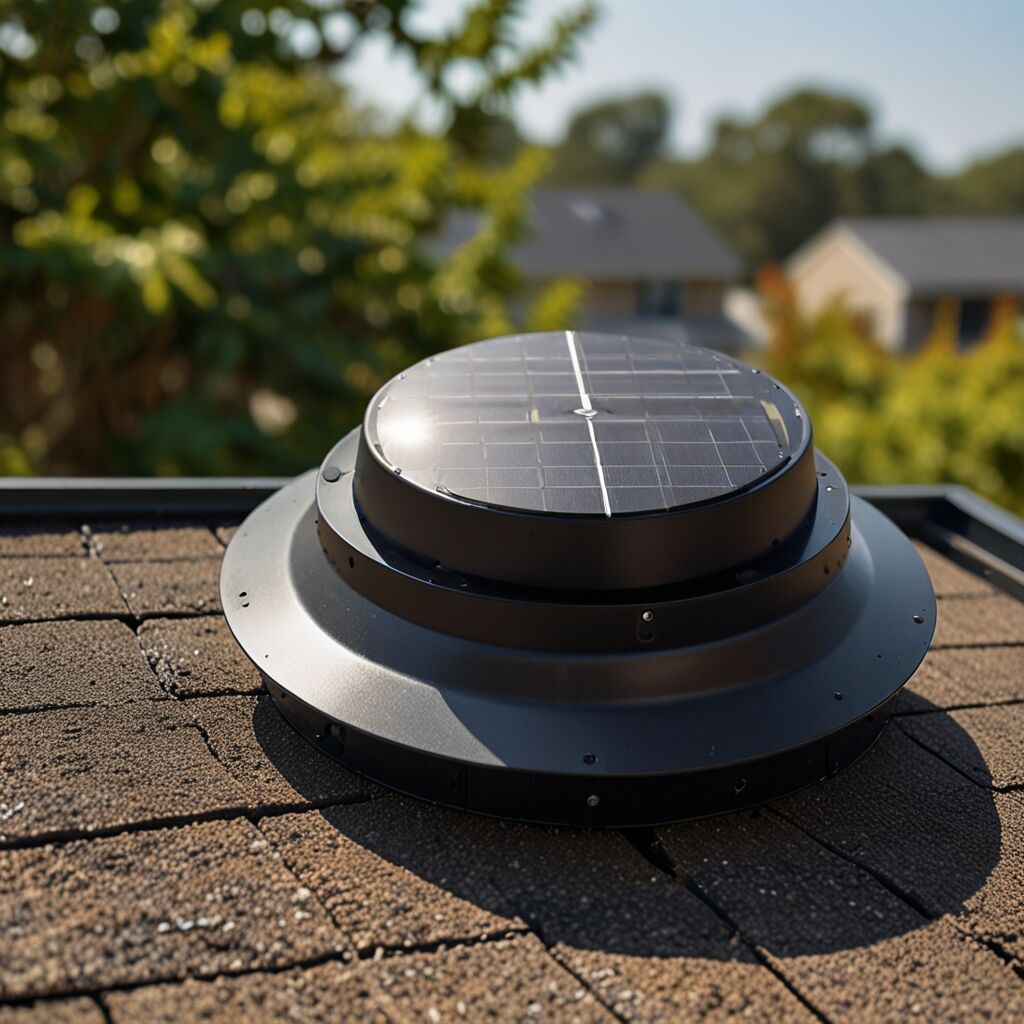
To effectively clean attic solar fan blades, homeowners need specific tools that ensure thorough cleaning without component damage. Essential items include soft-bristled brushes for debris removal, microfiber cloths for detail work, spray bottles for cleaning solution application, and shop vacuums for loose debris collection. Cleaning solutions should include mild dish soap mixed with water, or specialized eco-friendly degreasers for heavy contamination. Safety equipment encompasses non-slip shoes, work gloves, safety glasses, and proper ladder equipment. Professional-grade tools like extendable brushes cost $15-30 but significantly improve cleaning effectiveness for hard-to-reach areas. Budget-conscious homeowners can achieve excellent results with basic household items, though specialized tools reduce cleaning time and improve safety margins during maintenance activities.
Choosing the Right Cleaning Solution for Solar Fans
Selecting appropriate cleaning solutions for attic solar fans requires balancing effectiveness with component safety to avoid damage to sensitive electrical or mechanical parts. Eco-friendly cleaners typically provide optimal performance while protecting both environmental and household safety standards. Mild dish soap mixed with warm water effectively dissolves most accumulated debris without harsh chemical reactions. Avoid ammonia-based cleaners, bleach solutions, or petroleum-based solvents that can damage plastic components, rubber seals, or protective coatings. For stubborn contamination, specialized biodegradable degreasers designed for electronic equipment offer enhanced cleaning power. Always test cleaning solutions on inconspicuous areas before full application. This careful selection process prevents component damage while maximizing cleaning effectiveness and maintaining equipment warranty coverage.
Practical Steps for Cleaning Your Attic Solar Fan Blades
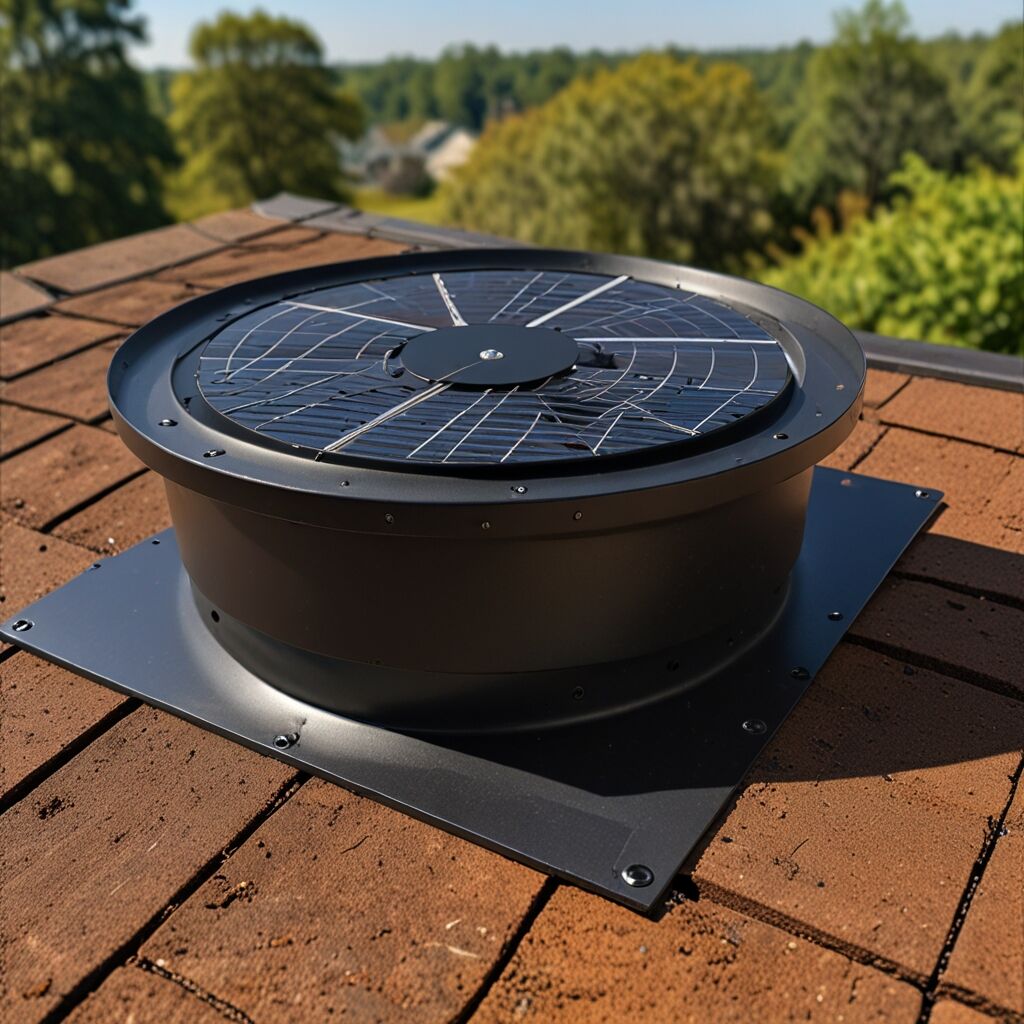
For effective cleaning of attic solar fan blades, begin by gathering necessary tools including soft brushes, microfiber cloths, mild detergent solution, and safety equipment like work gloves and non-slip shoes. The complete process typically requires 30-60 minutes depending on contamination levels and fan accessibility. Start by disconnecting all power sources at the solar panel and any electrical connections. Remove loose debris using a shop vacuum or soft brush, working from the center outward to avoid redistributing dirt. Apply cleaning solution with spray bottles, allowing 5-10 minutes contact time for stubborn deposits. Scrub gently using circular motions, paying special attention to blade leading edges where aerodynamic deposits concentrate. Rinse with clean water if electrical components are properly protected, then dry thoroughly before reconnecting power systems.
Step-by-Step Blade Cleaning Process
The systematic blade cleaning process begins with safety preparation and power disconnection to ensure worker protection throughout the maintenance procedure. First, position ladder securely and gather all necessary tools before accessing the roof area. Disconnect solar panel connections and any battery backup systems to eliminate electrical hazards. Use shop vacuum to remove loose debris, working systematically around each blade. Apply cleaning solution evenly across blade surfaces, allowing adequate contact time for chemical action. Scrub with soft brushes using consistent pressure to avoid surface damage. For heavily contaminated blades, repeat the application and scrubbing process as needed. Rinse thoroughly with clean water, ensuring no cleaning residue remains. Dry completely using microfiber cloths before reassembling components and restoring power connections for testing.
Cost Comparison: DIY vs Professional Cleaning
- DIY cleaning costs range from $15-50 for tools and supplies with ongoing costs under $10 per session
- Professional cleaning services typically charge $150-300 depending on roof accessibility and fan complexity
- Time investment for DIY approach averages 45-90 minutes per cleaning session
- Professional service includes safety equipment and liability insurance coverage
- Annual maintenance costs: DIY approach $20-40 vs professional service $300-600
- DIY cleaning allows immediate response to performance issues without scheduling delays
- Professional service may identify mechanical problems beyond cleaning scope
Recommended Cleaning Schedule for Solar Attic Fans
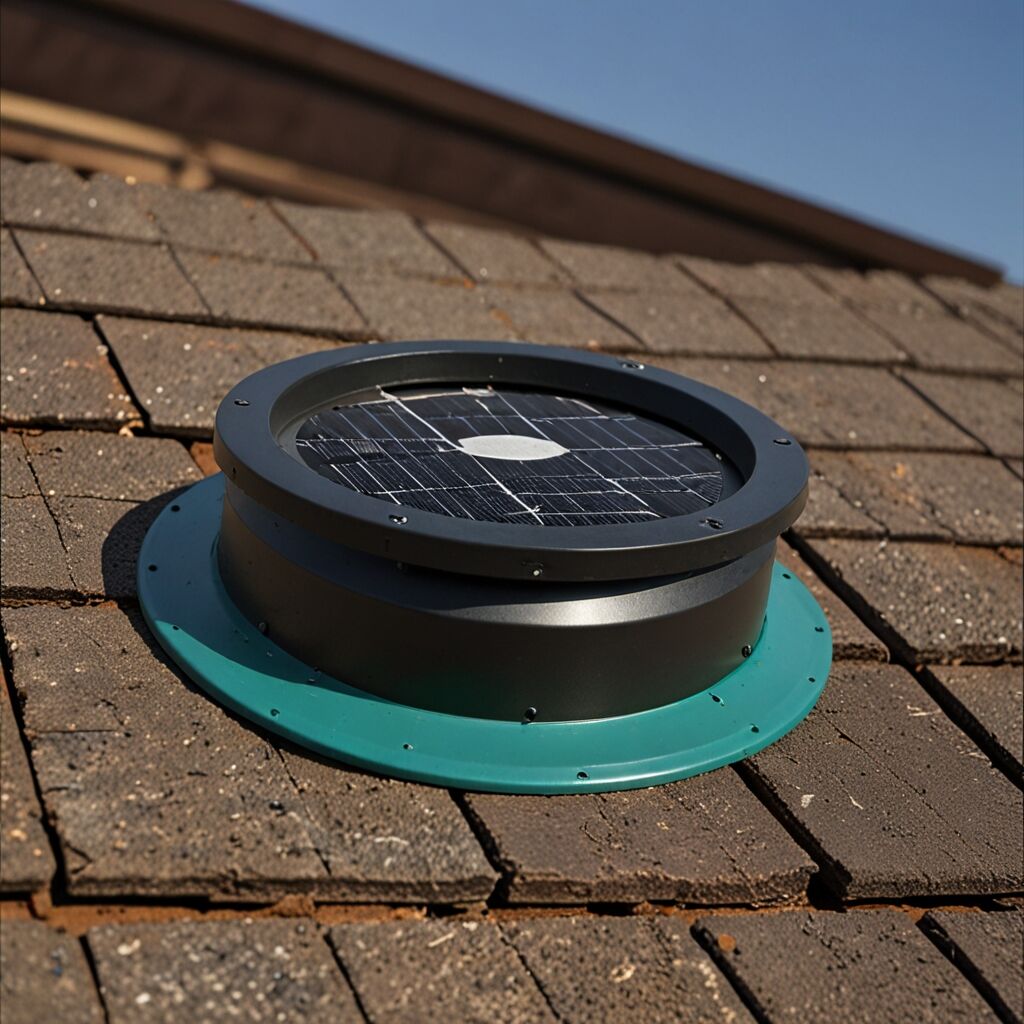
The optimal frequency for cleaning attic solar fan blades is every 3-6 months under normal conditions, with adjustments based on local environmental factors that influence debris accumulation rates. Dusty climates, areas with heavy pollen loads, or locations near construction activities require more frequent cleaning every 2-3 months. Coastal regions with salt air may need monthly attention to prevent corrosive buildup. Rural areas with agricultural activity often require cleaning after harvest seasons when airborne debris increases significantly. Urban environments with heavy traffic may accumulate more particulate matter requiring quarterly maintenance. Establishing consistent maintenance schedules prevents performance degradation while extending equipment lifespan through proactive care rather than reactive repairs.
Seasonal Maintenance Considerations
Seasonal variations significantly impact solar attic fan maintenance requirements, with spring and fall representing critical periods for thorough cleaning and inspection activities. Spring cleaning addresses winter accumulation of debris, salt damage from ice treatments, and moisture-related issues from temperature cycling. Summer maintenance focuses on dust and pollen removal during peak growing seasons when airborne particles reach maximum concentrations. Fall cleaning prepares systems for winter operation by removing leaves, twigs, and organic matter that could freeze and cause mechanical damage. Winter maintenance involves periodic inspection for ice formation, snow loading, and ensuring proper drainage from housing assemblies. Understanding seasonal patterns enables homeowners to optimize maintenance timing for maximum effectiveness while minimizing weather-related scheduling conflicts.
Key Advantages of Regularly Maintaining Solar Attic Fans
Regular maintenance of solar attic fans offers substantial benefits including enhanced energy efficiency that reduces cooling costs by 15-25% during peak summer months. Well-maintained fans improve indoor air quality by ensuring consistent fresh air circulation while reducing humidity levels that contribute to mold growth and structural damage. Preventive maintenance eliminates vibration issues that cause noise complaints and mechanical wear, extending equipment lifespan from typical 8-10 years to potential 15-20 years with proper care. Clean, balanced fans operate at optimal speeds, reducing electrical consumption while maximizing airflow capacity. Regular inspection during maintenance activities identifies minor issues before they become expensive repair problems. Homeowners who maintain consistent cleaning schedules report improved comfort levels, lower utility bills, and fewer HVAC system demands throughout hot weather periods.
Long-term Performance Benefits
Consistent maintenance delivers long-term performance benefits that compound over time, creating significant value through reduced operating costs and extended equipment life. Clean solar attic fans maintain their designed efficiency ratings, ensuring maximum return on investment through sustained energy savings. Regular maintenance prevents progressive mechanical wear that leads to complete system failure requiring expensive replacement. Well-maintained fans operate quietly, preserving neighborhood relations and home comfort. Systematic care maintains manufacturer warranty coverage by demonstrating proper usage and maintenance compliance. Performance benefits include consistent airflow rates, reliable temperature control, and predictable energy production from solar panels. These advantages accumulate over years of operation, making regular maintenance one of the most cost-effective home improvement investments available to conscientious homeowners.
Warning Signs That Indicate Immediate Cleaning Needs
- Increased vibration or unusual noise during operation indicates blade imbalance from debris accumulation
- Reduced airflow from vents suggests blocked or contaminated fan blades requiring immediate attention
- Visible debris accumulation on accessible blade surfaces indicates systematic contamination
- Higher than normal attic temperatures may result from reduced fan efficiency due to dirty blades
- Irregular fan operation or frequent starting and stopping suggests mechanical stress from imbalanced components
- Increased energy consumption without corresponding performance gains indicates system inefficiency
- Moisture problems in attic spaces may result from inadequate ventilation due to reduced fan capacity
Resources and Support for Solar Attic Fan Maintenance
Homeowners can access several professional services for attic solar fan maintenance, with costs typically ranging from $150-300 for comprehensive cleaning and inspection services. Professional maintenance includes blade cleaning, electrical connection inspection, mounting hardware verification, and performance testing using specialized equipment. Many HVAC contractors offer seasonal maintenance packages that include solar fan service alongside traditional heating and cooling system care. Online resources provide detailed maintenance guides, troubleshooting assistance, and replacement part identification through manufacturer websites and homeowner forums. DIY enthusiasts benefit from video tutorials, step-by-step guides, and community forums where experienced users share practical tips. Local building supply stores often stock cleaning supplies and replacement parts while providing expert advice for common maintenance challenges.
When to Seek Professional Help
Professional assistance becomes necessary when maintenance tasks exceed homeowner capabilities or safety comfort levels, particularly for complex electrical issues or structural concerns. Seek professional help for installations above single-story heights where fall risks increase significantly. Electrical problems including damaged wiring, corroded connections, or malfunctioning solar panels require qualified technician assessment to prevent safety hazards. Mechanical issues such as bearing replacement, motor problems, or structural damage exceed typical DIY capabilities. Professional service provides liability insurance coverage, specialized tools, and expertise that ensures proper repairs while maintaining warranty coverage. Warning signs requiring professional attention include persistent vibration after cleaning, electrical malfunctions, water infiltration around mounting areas, or any structural concerns with roof integrity. Investing in professional service for complex issues prevents costly mistakes while ensuring long-term system reliability and safety.