Using 100 watt solar panels for off-grid living is an excellent way to harness renewable energy and achieve energy independence. These solar panels offer a practical, efficient, and cost-effective solution for those looking to live off the grid.
Table of Contents
- Understanding Solar Energy Basics
- Solar Energy Conversion Efficiency
- Benefits of Using 100 Watt Solar Panels for Off-Grid Living
- Energy Savings with 100 Watt Solar Panels
- Choosing the Right Solar Panel System
- DIY Solar Panel System Benefits
- Installation Process for 100 Watt Solar Panels
- How long does it take to install 100 watt solar panels?
- Maintenance and Troubleshooting of Solar Panels
- How often should solar panels be cleaned and inspected?
- Cost Analysis of Using 100 Watt Solar Panels for Off-Grid Living
- What is the initial cost of purchasing 100 watt solar panels?
Understanding Solar Energy Basics
Solar energy conversion is the process of converting sunlight to electricity using photovoltaic cells. Compared to other renewable energy sources like wind or hydro, solar energy systems are more accessible and easier to install for home DIY enthusiasts. The main components of a solar energy system include solar panels, an inverter, a charge controller, and batteries. The efficiency of 100 watt solar panels in converting sunlight to electricity typically ranges between 15% to 20%, depending on the quality of the solar technology and environmental conditions.
Solar Energy Conversion Efficiency
Solar panel efficiency is influenced by several factors, including the angle of sunlight, temperature, and cleanliness of the panels. Different materials, such as monocrystalline and polycrystalline silicon, impact solar panel efficiency, with monocrystalline panels generally offering higher efficiency rates. The average efficiency rate of 100 watt solar panels is around 18%, which is quite good for small-scale applications. Environmental conditions like shading, dust, and temperature fluctuations can significantly affect solar panel efficiency, making regular maintenance crucial for efficiency improvement.
Benefits of Using 100 Watt Solar Panels for Off-Grid Living
The cost benefits of using 100 watt solar panels are substantial, as they reduce the need for expensive grid electricity. These panels contribute to sustainability by generating clean, renewable energy and reducing carbon footprints. The energy savings associated with 100 watt solar panels can be impressive, with users often seeing a 20% to 30% reduction in energy costs annually. For off-grid living, 100 watt solar panels provide a reliable and consistent energy source, making it easier to maintain a comfortable, eco-friendly lifestyle.
Energy Savings with 100 Watt Solar Panels
A 100 watt solar panel can save approximately 120 kilowatt-hours of energy annually, depending on location and sunlight exposure. The long-term savings of using 100 watt solar panels can accumulate significantly, often paying for themselves within 5 to 7 years. Compared to other panels, 100 watt solar panels offer a balance of cost and efficiency, making them a popular choice for DIY projects. These panels can reduce electricity bills significantly, often by 20% to 30% annually, which is a very good return on investment.
- They are easy to install.
- 100 Watt panels can power small devices.
- They reduce electricity bills.
- Solar panels are eco-friendly.
- They require low maintenance.
- They work silently.
- Panels can last up to 25 years.

Comparison of Key Aspects of Using 100 Watt Solar Panels for Off-Grid Living
| Aspect | Details | Average Cost | Power Output | Battery Capacity | Number of Panels |
|---|---|---|---|---|---|
| Initial Cost | $100-$150 | 100 Watts | 200 Ah | 1 | |
| Daily Energy | 300-600 Wh | 100 Watts | 200 Ah | 1 | |
| Space Required | 0.5-1 sq. meters | 100 Watts | 200 Ah | 1 | |
| Weight | 15-20 lbs | 100 Watts | 200 Ah | 1 | |
| Lifespan | 25-30 years | 100 Watts | 200 Ah | 1 | |
| Maintenance | Low | 100 Watts | 200 Ah | 1 |
Choosing the Right Solar Panel System
When choosing a solar panel system, several factors should be considered, including efficiency, durability, and cost. Different brands of 100 watt solar panels, such as Renogy and HQST, offer varying levels of performance and reliability. The benefits of a DIY solar panel system include cost savings and the satisfaction of building your own energy source. To determine the right size of a solar panel system for your needs, calculate your daily energy consumption and compare it to the output of the solar panel brands you are considering, like Renogy or HQST.
DIY Solar Panel System Benefits
The cost benefits of a DIY solar panel system are significant, as you can save on labor costs. Installing a DIY solar panel system is relatively easy, often taking just a weekend to complete. Basic tools such as a drill, screwdriver, and wire cutters are required for a DIY solar panel setup. A DIY solar panel system can be as efficient as a professional installation if done correctly, ensuring maximum performance and durability.
Installation Process for 100 Watt Solar Panels
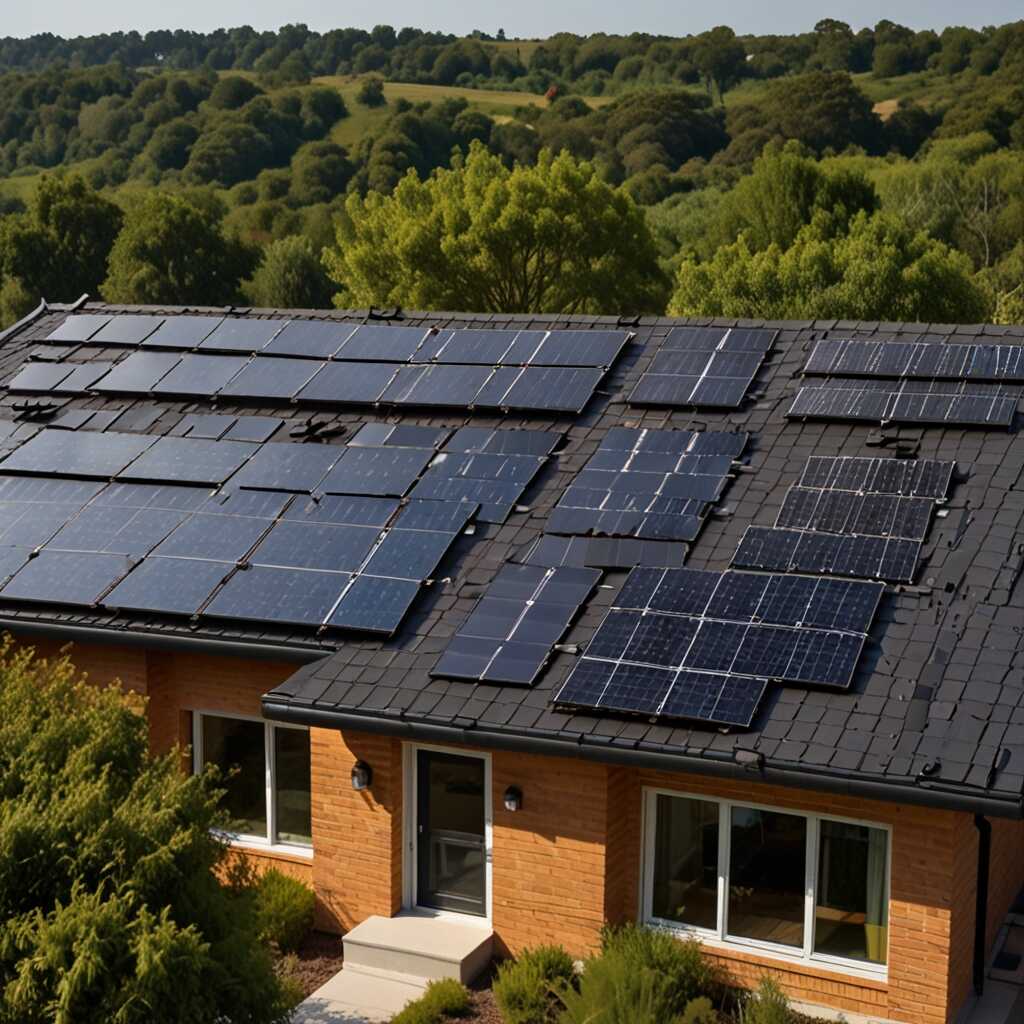
The steps involved in installing 100 watt solar panels include mounting the panels, wiring them to a charge controller, and connecting to a battery bank. Typically, it takes about 4 to 6 hours to install 100 watt solar panels. Tools and materials needed for installation include mounting brackets, a charge controller, and wiring kits. Safety precautions during installation are crucial, such as wearing gloves and ensuring all electrical connections are secure to avoid accidents.
How long does it take to install 100 watt solar panels?
The average installation time for 100 watt solar panels is around 4 to 6 hours. The complexity of the installation can affect the time required, with more complex setups taking longer. Professional help can reduce installation time significantly, often completing the job in half the time. Factors that can delay the installation process include weather conditions and availability of tools and materials.
- Each panel produces 100 watts of power.
- One panel can charge a 12V battery.
- Panels cost around $100 each.
- Renogy panels are popular.
- They weigh about 15 pounds.
- Each panel is around 4 feet long.
- They can generate power for 6 hours a day.

Maintenance and Troubleshooting of Solar Panels
Regular maintenance is essential for ensuring the optimal performance of 100 watt solar panels. Regular maintenance includes cleaning the panels to remove dirt and debris, which can significantly impact efficiency. Troubleshooting issues like low power output or damaged wiring is also crucial for maintaining system performance. Common panel repair signs include visible cracks or discoloration on the panels. Cleaning and inspection should be part of a routine solar panel upkeep schedule, ideally performed every few months.
How often should solar panels be cleaned and inspected?
The recommended cleaning frequency for solar panels is every three to six months to ensure maximum efficiency. Professional inspections should be conducted annually to identify any hidden issues. Regular cleaning can improve the efficiency of solar panels by up to 20%. Cleaning tools such as soft brushes and mild detergents are best for maintaining the panels without causing damage.
Cost Analysis of Using 100 Watt Solar Panels for Off-Grid Living
The initial cost of purchasing 100 watt solar panels can range from $100 to $150 per panel. When compared to other options, 100 watt panels are generally more affordable and accessible for DIY enthusiasts. The long-term financial benefits include reduced electricity bills and potential tax incentives. Hidden costs associated with solar panel installation may include mounting hardware and additional wiring.
What is the initial cost of purchasing 100 watt solar panels?
The average price of 100 watt solar panels is around $120 per panel. Additional costs for installation and setup can range from $50 to $200 depending on the complexity of the system. The brand can impact the cost, with well-known brands like Renogy or HQST typically being more expensive. Purchasing in bulk can reduce the overall cost, with discounts often available for orders of 10 panels or more.