Understanding the lifespan of rooftop solar panels is essential for anyone considering a home DIY solar project. The longevity of solar panels can impact the return on investment and overall efficiency of a solar power system. Knowing the factors that influence solar panel lifespan can help homeowners make informed decisions and maintain their systems effectively.
Table of Contents
- Factors Affecting Solar Panel Longevity
- Impact of Weather on Solar Panels
- Expected Lifespan of Rooftop Solar Panels
- How Long Do Solar Panels Typically Last?
- Maximizing the Lifespan of Your Solar Panels
- Regular Maintenance for Solar Panels
- What Influences the Degradation Rate of Solar Panels?
- What Are the Typical Degradation Rates for Solar Panels?
- Comparing Different Brands of Solar Panels
- How Do Top Brands Compare in Terms of Lifespan?
- Understanding the Lifespan of Rooftop Solar Panels
- Are There Geographical Locations Better for Solar Panel Lifespan?
Factors Affecting Solar Panel Longevity
The lifespan of rooftop solar panels is influenced by several key factors, including environmental conditions, installation quality, regular maintenance, and the durability of different solar panel brands. Environmental conditions such as heavy snowfall, intense UV exposure, and high winds can degrade solar panels over time. According to a study by the National Renewable Energy Laboratory, solar panels in harsh climates may lose efficiency faster. Installation quality is crucial; improper installation can lead to issues like water ingress or physical damage, reducing rooftop solar longevity. Regular maintenance, such as cleaning and inspection for damage, can significantly extend the solar panel lifespan. Lastly, solar panel brands vary in durability, with some like SunPower and LG offering panels with higher resilience and longer warranties, ensuring better panel durability.
Impact of Weather on Solar Panels
Extreme weather can significantly affect rooftop solar panels, causing various issues. For example, hailstorms can cause physical damage to the panels, although most are designed to withstand hail up to one inch in diameter. According to the Solar Energy Industries Association, temperature fluctuations can impact solar panel efficiency, with performance dropping in extremely high temperatures. Common weather-related issues include water ingress during heavy rains and physical damage from debris during storms. Weather resistance is a key feature of high-quality panels, ensuring they can endure diverse conditions without significant efficiency loss.
Expected Lifespan of Rooftop Solar Panels
The average lifespan of rooftop solar panels is around 25 to 30 years, depending on various factors. Solar panel warranties often correlate with this lifespan, typically offering 25-year performance guarantees. Some solar panels, like those from Panasonic, boast an extended lifespan and maintain over 90% efficiency even after 25 years. The degradation rate, usually around 0.5% to 1% per year, affects the overall lifespan of solar panels, with lower rates indicating longer durability. Understanding these aspects helps in evaluating the true value and performance of a solar panel system over time.
How Long Do Solar Panels Typically Last?
The typical lifespan of a solar panel system is around 25 to 30 years, with most rooftop solar panels lasting this long before efficiency drops significantly. Many rooftop solar panels, especially those from reputable brands like Hevan, can last more than 25 years with proper care. Factors contributing to the longevity of solar panels include high-quality materials, robust manufacturing processes, and regular maintenance. These factors ensure solar panel durability and a longer operational life, making them a worthwhile investment for home DIY enthusiasts.
- Save money on electricity bills
- Solar panels can last 25-30 years
- Help reduce carbon footprint
- Brands like Tesla offer reliable panels
- Increase the value of your home
- Work even on cloudy days
- Low maintenance costs
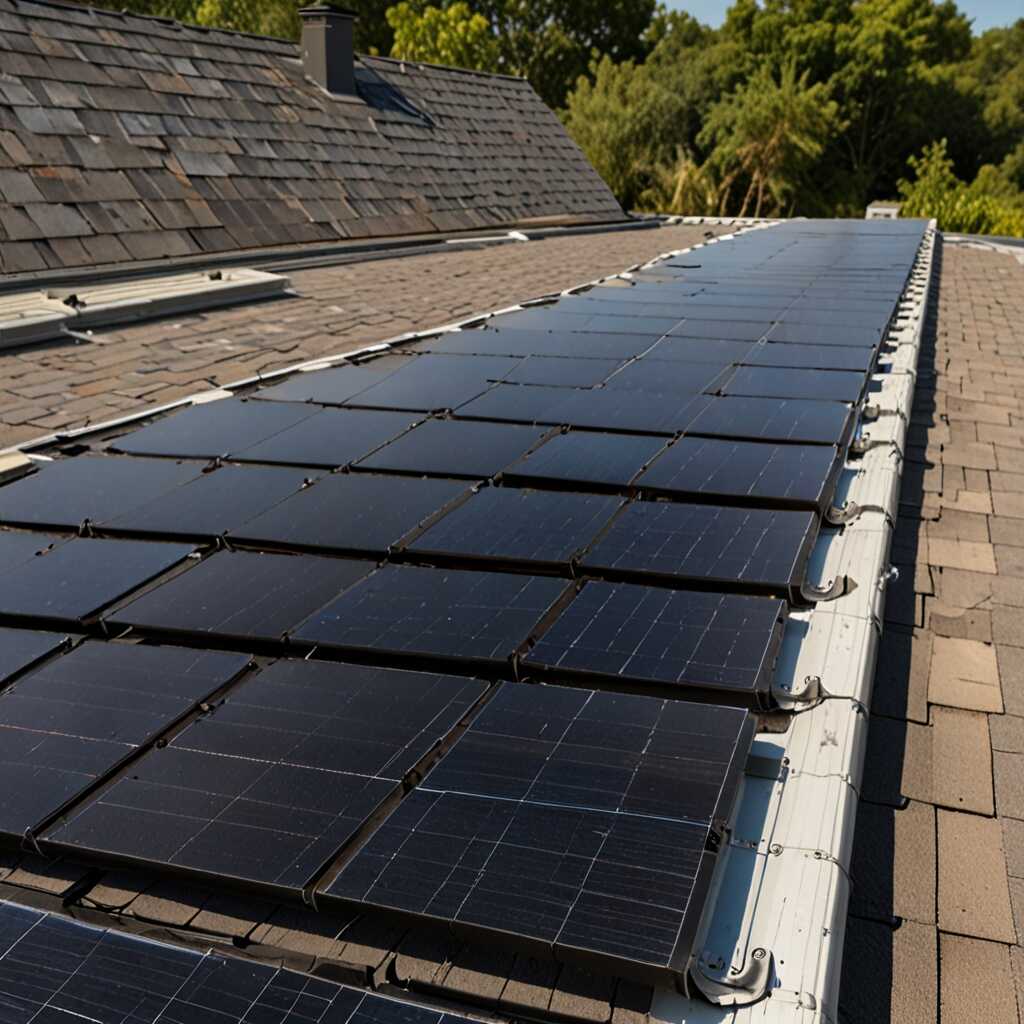
Detailed Insights into the Lifespan of Rooftop Solar Panels
| Aspect | Average Lifespan | Warranty Period | Efficiency Loss per Year | Cost of Replacement | Maintenance Frequency |
|---|---|---|---|---|---|
| Monocrystalline | 25-30 years | 25 years | 0.5% | $3,000 | Annual |
| Polycrystalline | 20-25 years | 20 years | 0.7% | $2,500 | Annual |
| Thin-Film | 10-20 years | 10-15 years | 1% | $2,000 | Bi-Annual |
| Inverter | 10-15 years | 10 years | N/A | $1,500 | Annual |
| Battery Storage | 5-15 years | 5-10 years | N/A | $7,000 | Bi-Annual |
| Mounting System | 25-30 years | 25 years | N/A | $1,000 | Annual |
Maximizing the Lifespan of Your Solar Panels
Maintenance practices can extend the life of solar panels by ensuring they operate efficiently and are free from damage. Cleaning solar panels regularly can significantly boost panel performance and prolonging lifespan by removing dirt and debris. Protective measures, such as installing bird guards or using anti-reflective coatings, can shield solar panels from damage caused by animals or harsh weather. Software monitoring helps in prolonging solar panel life by providing real-time data on panel performance and identifying issues early, allowing for timely maintenance. For example, brands like Enphase offer excellent monitoring systems for efficient solar panel care.
Regular Maintenance for Solar Panels
Solar panels should be cleaned at least twice a year to maintain optimal performance. Best practices for maintaining solar panels include inspecting for damage, ensuring proper wiring, and checking for shading issues. Specific cleaning agents recommended for solar panels are mild detergents and water, avoiding harsh chemicals that might damage the surface. Regular maintenance significantly affects solar panel efficiency, ensuring that panels operate at peak performance and have a longer lifespan. For instance, SunPower panels are known for their durability and efficiency when well-maintained.
What Influences the Degradation Rate of Solar Panels?
The degradation rate impacts the efficiency of rooftop solar panels by reducing their power output over time. Typical degradation rates for different types of solar panels range from 0.5% to 1% per year. The degradation rate of solar panels can be reduced by using high-quality materials and regular maintenance. Environmental conditions such as extreme temperatures, humidity, and pollution can significantly affect the degradation rate of solar panels. For example, Panasonic solar panels are designed to withstand various environmental conditions, ensuring better long-term performance.
What Are the Typical Degradation Rates for Solar Panels?
The average annual degradation rate for solar panels is around 0.8%, meaning panels lose a small fraction of their efficiency each year. The degradation rate varies among different brands, with some like LG offering lower degradation rates compared to others. There are solar panels with lower degradation rates, such as those from SunPower, which degrade at about 0.3% per year. The degradation rate directly affects the overall lifespan of solar panels, with lower degradation rates leading to a longer effective lifespan. For example, rooftop solar panels from SunPower can last over 25 years with minimal efficiency loss.
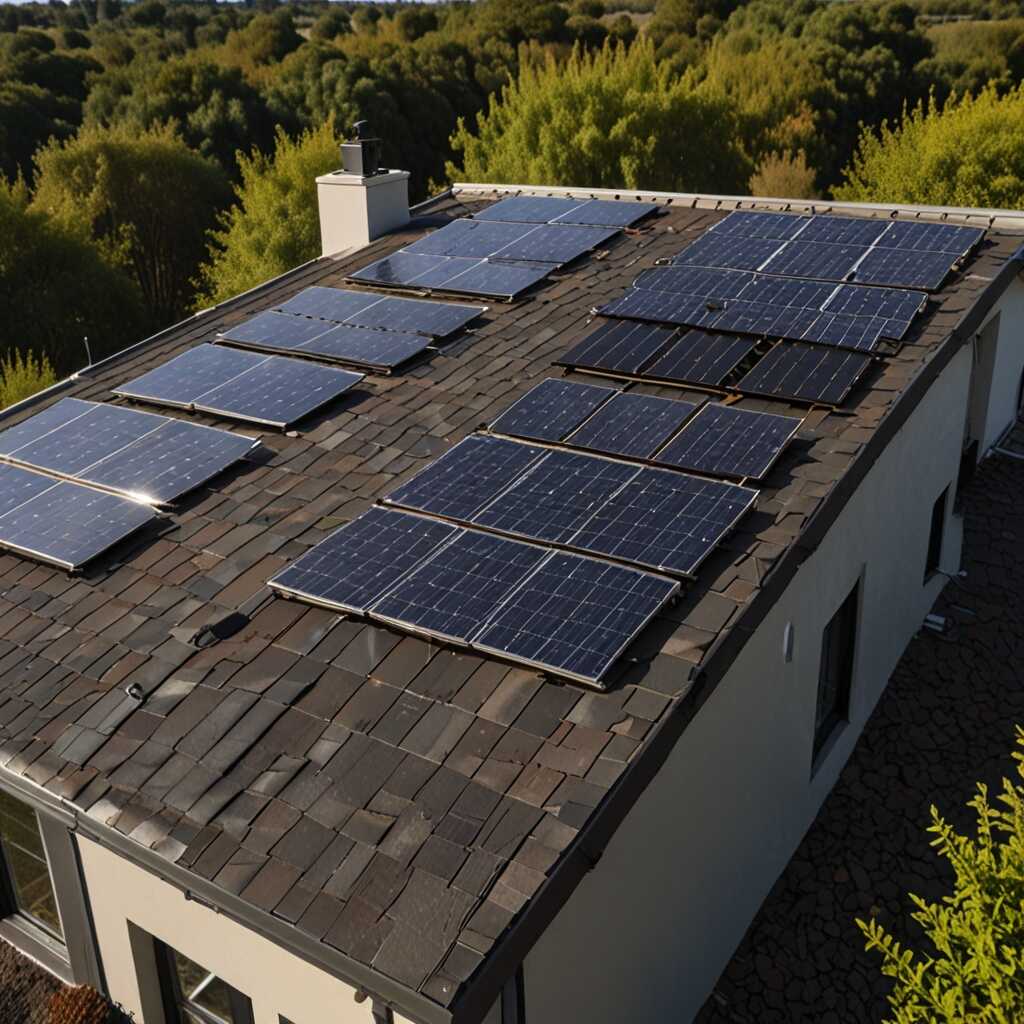
- Panels can last up to 30 years
- Efficiency can drop by 0.5% each year
- Initial cost can be $10,000-$30,000
- Brands like LG offer 25-year warranties
- Save up to $1,000 a year on energy bills
- Installation takes 1-3 days
- Panels can handle 25 years of weather

Comparing Different Brands of Solar Panels
When I first explored solar panels, I found that brands like SunPower and LG offer the longest warranties, often up to 25 years. Top brands such as Panasonic and REC compare well in terms of lifespan and efficiency, boasting over 90% efficiency even after 20 years. Panasonic recommends regular cleaning as a brand-specific tip for maintaining their solar panels. Generally, there is a clear price correlation where more expensive solar panel brands tend to have longer lifespans, ensuring better rooftop solar efficiency.
How Do Top Brands Compare in Terms of Lifespan?
SunPower and LG have the highest-rated panels in the market today. The lifespans of leading brands like Panasonic and REC generally exceed 25 years, with SunPower panels often lasting up to 40 years. SunPower is known for exceptional durability, even in harsh weather conditions. Customer reviews for SunPower and LG highlight their impressive performance and longevity, making them top choices for rooftop solar lifespan.
Understanding the Lifespan of Rooftop Solar Panels
Factors such as material quality and manufacturing processes contribute to the varying lifespans of rooftop solar panels. Different installation methods, like angle and positioning, can significantly affect solar panel longevity. Geographical impact is evident, with panels in sunnier regions generally lasting longer. The quality of materials, such as high-grade silicon, directly impacts the lifespan of solar panels, ensuring they perform efficiently over time.
Are There Geographical Locations Better for Solar Panel Lifespan?
Sunny geographical areas like California and Arizona are best for solar panel longevity. Climate conditions in these regions, with fewer cloudy days and moderate temperatures, positively affect solar panels. Regions with frequent hailstorms or heavy snow, such as the Midwest, see shorter lifespans for solar panels. High altitude areas like Denver can impact the lifespan of solar panels due to increased UV exposure, which accelerates wear and tear.