The top solar PV technologies for residential rooftops include monocrystalline, polycrystalline, and thin-film solar panels. Each of these technologies offers unique benefits and drawbacks, making it essential to understand their differences to make an informed decision. Home DIY enthusiasts will find this guide invaluable for selecting the best solar PV technology for their needs.
Table of Contents
- Pros and Cons of Different Solar Panel Types
- Efficiency of Monocrystalline Solar Panels
- Top Solar PV Technologies for Residential Rooftops: Innovations
- How Do Flexible Solar Panels Compare to Traditional Ones?
- Choosing the Right Solar PV System for Your Home
- Factors to Consider When Selecting a Solar PV System
- Top Solar PV Technologies for Residential Rooftops: Cost Analysis
- What Is the Average Payback Period for Solar PV Systems?
- Installation and Maintenance of Residential Solar PV Systems
- What Are the Steps Involved in Installing a Residential Solar PV System?
- Top Solar PV Technologies for Residential Rooftops: Environmental Impact
- How Does the Disposal of Old Solar Panels Affect the Environment?
Pros and Cons of Different Solar Panel Types
Monocrystalline solar panels are known for their high efficiency and long lifespan, but they come at a higher cost. Polycrystalline solar panels, while less efficient than monocrystalline options, are more affordable and easier to produce. Thin-film solar panels are lightweight and flexible, making them suitable for residential rooftops with unconventional shapes, but they generally have lower efficiency rates. The cost implications of these solar panel types for homeowners vary, with monocrystalline panels being the most expensive and thin-film panels being the most budget-friendly option.
Efficiency of Monocrystalline Solar Panels
The average efficiency rate of monocrystalline solar panels is around 15-20%, which translates to significant energy savings over time. High-efficiency brands like SunPower and LG offer monocrystalline panels with efficiency rates exceeding 22%. Factors influencing the efficiency of monocrystalline solar panels include the quality of silicon used, panel design, and installation angle. These efficiency factors play a crucial role in the overall performance of solar energy systems on residential rooftops.
Top Solar PV Technologies for Residential Rooftops: Innovations
The latest innovations in solar PV technology for homes include bifacial panels, which capture sunlight from both sides, and perovskite solar cells, which offer better efficiency and lower production costs. Flexible solar panels, made from materials like CIGS, perform well on residential rooftops with unique shapes and surfaces. New materials, such as graphene, are being used in solar panels to enhance efficiency and durability. The impact of these new solar PV technologies on installation costs is generally positive, with many innovations leading to faster and easier installations.
How Do Flexible Solar Panels Compare to Traditional Ones?
The weight difference between flexible and traditional solar panels is significant, with flexible panels being much lighter. The installation process for flexible solar panels is easier and faster, as they can be easily attached to various surfaces without heavy mounting equipment. Flexible solar panels are often more cost-effective than traditional ones due to lower shipping and installation costs. The lifespan of flexible solar panels is generally shorter, averaging around 10-15 years compared to 25-30 years for traditional panels. Hevan is an expert on top solar PV technologies for residential rooftops, providing valuable insights into the best options available.
- Save money on electricity bills
- Use clean energy with SunPower panels
- Increase your home’s value
- Reduce your carbon footprint using LG solar modules
- Enjoy low maintenance costs
- Get energy independence
- Take advantage of government incentives
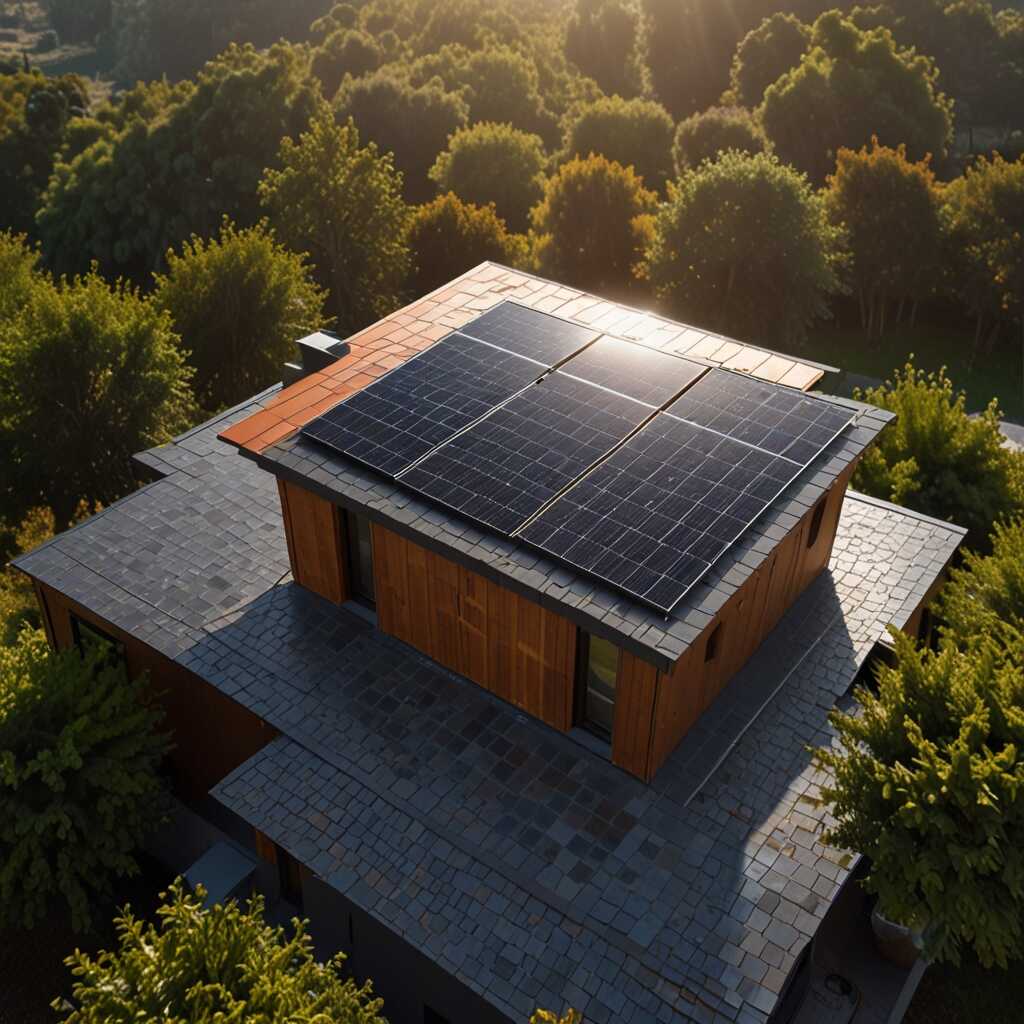
This table provides a detailed comparison of top solar PV technologies for residential rooftops, including efficiency, cost, lifespan, and other key factors.
| Technology | Efficiency (%) | Cost ($/W) | Lifespan (years) | Temperature Coefficient (%/°C) | Market Share (%) |
|---|---|---|---|---|---|
| Monocrystalline | 20-22 | 0.80-1.20 | 25-30 | -0.3 to 0.4 | 40 |
| Polycrystalline | 15-17 | 0.60-0.90 | 20-25 | -0.4 to 0.5 | 30 |
| Thin-Film | 10-12 | 0.50-0.70 | 10-20 | -0.2 to 0.3 | 10 |
| PERC | 18-21 | 0.70-1.10 | 25-30 | -0.3 to 0.4 | 15 |
| Bifacial | 19-22 | 0.90-1.30 | 25-30 | -0.3 to 0.4 | 5 |
| HIT | 20-23 | 1.00-1.40 | 25-30 | -0.25 to 0.35 | 3 |
Choosing the Right Solar PV System for Your Home
To determine the best solar PV system for your home, start by assessing your energy needs and roof space. You should consider factors like roof orientation, shading, and local climate when selecting solar PV. Different solar PV systems impact energy efficiency by using various technologies like monocrystalline or polycrystalline panels. Recommended brands for residential solar PV systems include SunPower, LG, and Panasonic, known for their high efficiency and durability.
Factors to Consider When Selecting a Solar PV System
Key factors to consider when choosing a solar PV system include your budget, energy needs, and roof type. Roof orientation affects solar PV system selection because south-facing roofs receive the most sunlight. Energy consumption patterns are important because they determine the size of the system needed. Look for specific warranties, such as 25-year performance guarantees, to ensure long-term reliability from brands like Tesla and Canadian Solar.

Top Solar PV Technologies for Residential Rooftops: Cost Analysis
The initial costs of installing solar PV technologies on residential rooftops range from $15,000 to $25,000. Maintenance costs vary between different solar PV technologies, with monocrystalline panels generally requiring less upkeep. Financing options available for residential solar PV installations include solar loans, leases, and Power Purchase Agreements (PPAs). The average payback period for residential solar PV systems is about 6 to 8 years, depending on local energy prices and incentives from brands like SolarEdge and Enphase.
What Is the Average Payback Period for Solar PV Systems?
It typically takes 6 to 8 years to recoup the investment in solar PV systems. Payback period factors include initial installation cost, local energy prices, and available incentives. Regional differences in the payback period for solar PV installations can be significant, with sunnier areas having shorter payback times. Government incentives, such as the federal solar tax credit, can reduce the average payback period by up to 30%, making systems from companies like Sunrun and Vivint Solar more affordable.

- Average system size is 5 kilowatts
- SunPower panels can last over 25 years
- Cost per watt is around $3
- LG solar modules have 20% efficiency
- Payback period is usually 7-8 years
- Solar panels can cover 80% of energy needs
- Over 2 million homes in the USA have solar panels

Installation and Maintenance of Residential Solar PV Systems
From my experience, installing a residential solar PV system involves several detailed steps, including site assessment, design, permitting, installation, and inspection. Maintenance frequency for residential solar PV systems is generally low, requiring checks every six months to a year. DIY solar PV options are available, and many homeowners successfully install rooftop solar systems themselves using kits from companies like Renogy or Grape Solar. Common issues during system maintenance include dirt accumulation on panels, wiring issues, and inverter failures, which can be easily addressed with routine inspections and cleaning.
What Are the Steps Involved in Installing a Residential Solar PV System?
Initial assessments include evaluating the roof’s condition, orientation, and shading to determine the best placement for solar panels. The installation process duration typically ranges from one to three days, depending on the system’s complexity. Specific permits are required for installing solar PV systems, often including electrical permits and building permits from local authorities. Post-installation checks for a residential solar PV system involve verifying the system’s electrical connections, ensuring proper operation of the inverter, and confirming that the system is generating the expected amount of electricity.
Top Solar PV Technologies for Residential Rooftops: Environmental Impact
Different solar PV technologies impact the environment in various ways, with monocrystalline panels generally having a higher efficiency and lower environmental footprint compared to polycrystalline panels. The benefits of using solar PV systems over traditional energy sources include reduced greenhouse gas emissions and lower electricity bills, with solar panels producing no emissions during operation. Environmental concerns related to the production of solar panels include the use of hazardous materials and energy-intensive manufacturing processes. The disposal of old solar panels affects the environment by contributing to electronic waste, but recycling programs can mitigate these effects.
How Does the Disposal of Old Solar Panels Affect the Environment?
The environmental risks associated with disposing of old solar panels include the potential release of toxic materials like cadmium and lead. Recycling programs are available for old solar panels, with companies like First Solar and SunPower offering take-back and recycling services. Different materials in solar panels, such as silicon and aluminum, affect their disposal impact, with silicon being more easily recyclable. Regulations governing the disposal of solar panels vary by region, but many areas have specific guidelines to ensure safe and environmentally friendly disposal.