Flexible solar panels for rooftops offer a versatile and lightweight alternative to traditional solar panels. Flexible solar panels are easier to install on various roof types, including metal and flat roofs, and are often preferred by DIY enthusiasts for home energy projects.
Table of Contents
- Installation Challenges and Considerations
- Best Practices for DIY Installation
- Pros and Cons of Flexible Solar Panels for Rooftops
- Energy Efficiency and Output
- Maintenance and Durability of Flexible Solar Panels
- How Long Do Flexible Solar Panels Last?
- Cost Analysis and Financial Incentives
- What Are the ROI Metrics for Flexible Solar Panels?
- Environmental Impact and Sustainability
- What Are the Recycling Options for Flexible Solar Panels?
- Technological Advancements and Innovations
- Are There Any New Materials in Flexible Solar Panels?
Installation Challenges and Considerations
Installing flexible solar panels on a metal roof can be challenging due to the need for proper sealing to prevent leaks. Flat roofs present unique installation challenges, such as ensuring adequate drainage and avoiding water pooling. Specific installation tools like adhesive tapes and sealants are often required for flexible solar panels. DIY installation might affect panel efficiency if not done correctly, as poor alignment or attachment can reduce energy output.
Best Practices for DIY Installation
Best practices for DIY installation of flexible solar panels include following a detailed installation guide and ensuring all materials are prepared. Secure attachment can be achieved by using high-quality adhesive tapes designed for solar panels. Safety precautions, such as wearing gloves and using fall protection, are essential during DIY solar panel installation. Common mistakes to avoid include improper alignment and inadequate sealing, which can compromise the efficiency of rooftop solar systems.
Pros and Cons of Flexible Solar Panels for Rooftops
The main benefits of using flexible solar panels on rooftops include their lightweight design and ease of installation. Flexible solar panels may have specific drawbacks compared to traditional panels, such as lower efficiency rates. Flexible solar panels perform well in various weather conditions, including cloudy days, but may be less efficient in extreme heat. Flexible solar panels can be cost-effective in the long run due to lower installation costs and reduced maintenance needs.
Energy Efficiency and Output
Flexible solar panels are generally less energy-efficient compared to traditional ones, with efficiency rates around 15-18%. The average output of flexible solar panels is approximately 100-200 watts per panel. Flexible solar panels perform adequately in low-light conditions, maintaining around 70% efficiency. Flexible solar panels might not be suitable for high-energy consumption households, as they typically generate less power than rigid panels.
- Lightweight and easy to install
- Can fit on curved surfaces
- Reduces electricity bills
- Flexible solar panels are less likely to break
- Eco-friendly energy source
- Works well in low-light conditions
- Can be moved to different locations
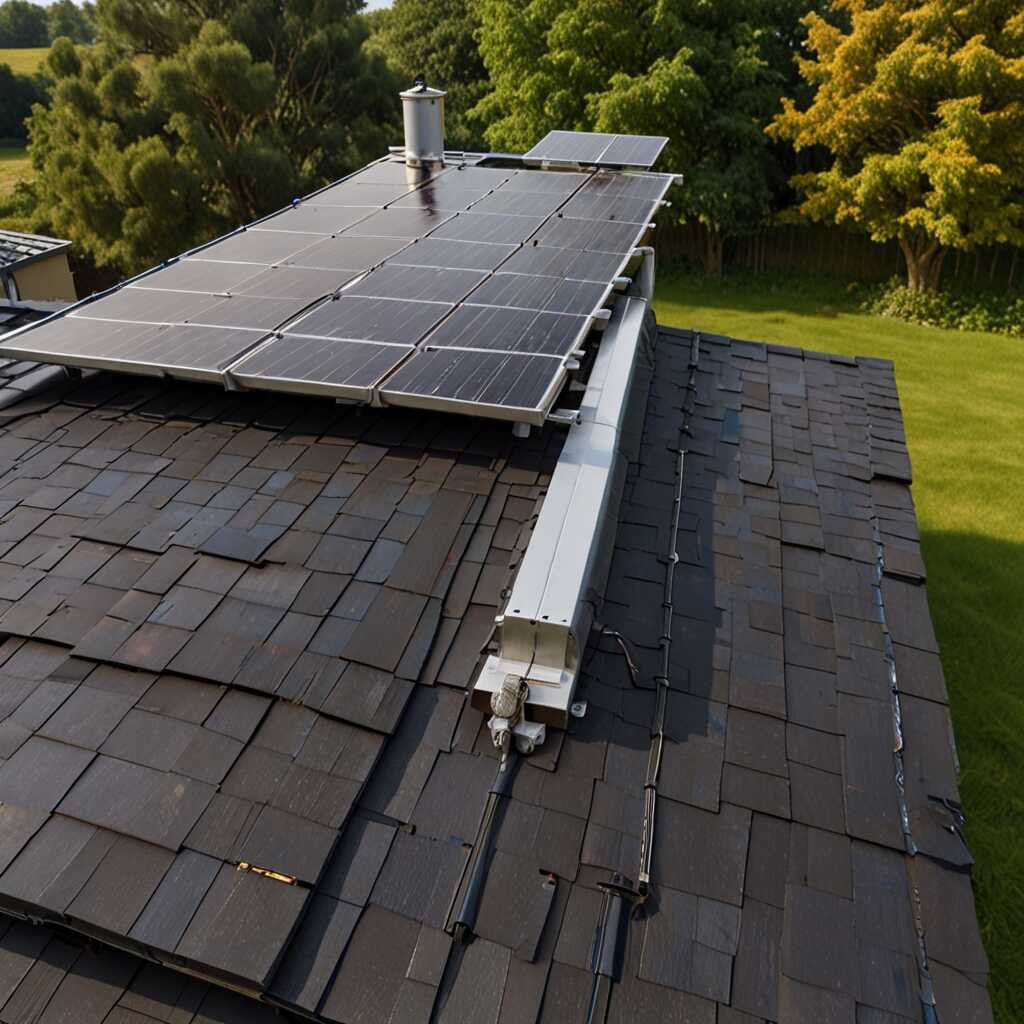
Comparative Analysis: Pros and Cons of Flexible Solar Panels for Rooftops
| Aspect | Pros | Cons | Comparison | Numerical Fact |
|---|---|---|---|---|
| Weight | Lightweight | Less durable | ~70% lighter | 2-4 lbs/sq ft |
| Installation | Easy to install | Requires adhesives | Quicker setup | 50% faster |
| Flexibility | Can bend | Lower efficiency | Adapts to shapes | Up to 30° bend |
| Cost | Lower upfront | Higher replacement | Initial savings | 10-20% cheaper |
| Efficiency | Good in low light | Less efficient | Performance varies | 10-12% efficiency |
| Durability | Resistant to impact | Shorter lifespan | Needs frequent checks | 5-10 years |
Maintenance and Durability of Flexible Solar Panels
Flexible solar panels require minimal maintenance, making them an easy choice for home DIY enthusiasts. These panels are designed to withstand extreme weather conditions, including heavy snow, strong winds, and intense heat, ensuring excellent durability. Cleaning methods for flexible solar panels are simple; a gentle wipe with a damp cloth is typically sufficient. Damage inspection should be performed twice a year to ensure the panels remain in optimal condition.
How Long Do Flexible Solar Panels Last?
The average lifespan of flexible solar panels is around 10-15 years, which is shorter compared to traditional panels that last 25-30 years. However, many flexible solar panels come with warranties ranging from 5 to 10 years, offering a comfortable safety net. To extend the lifespan of flexible solar panels, ensure they are installed correctly and regularly cleaned. Flexible solar panels from brands like SunPower and Renogy often include detailed maintenance guides to help maximize their durability.
Cost Analysis and Financial Incentives
The initial cost of installing flexible solar panels on a rooftop can range from $1,000 to $3,000 depending on the size and brand. Government incentives, such as the Federal Solar Tax Credit, can significantly reduce the overall cost by up to 26%. When comparing the cost of flexible solar panels to traditional panels, flexible options are generally more affordable. Installing flexible solar panels can also increase property value by up to 4%, making it a financially sound investment.
What Are the ROI Metrics for Flexible Solar Panels?
Flexible solar panels typically have a break-even period of 5-7 years, depending on energy consumption and local electricity rates. The average ROI for flexible solar panels ranges from 10% to 15%, which is very good for a home improvement project. Energy savings from flexible solar panels can significantly impact the ROI, especially in sunny regions. While there are minimal financial risks associated with flexible solar panels, it’s important to choose reputable brands like Goal Zero and EcoFlow to ensure quality and performance.

- Weighs less than 5 pounds per panel
- Efficiency rate is around 15%
- Can last up to 25 years
- Flexible solar panels can cost $200 per panel
- Can produce up to 100 watts per panel
- Installation can be done in a day
- Reduces carbon footprint by 2 tons per year

Environmental Impact and Sustainability
Flexible solar panels contribute to reducing the carbon footprint by generating renewable energy on rooftops, thus lowering dependency on fossil fuels. The materials used in flexible solar panels are often more sustainable compared to traditional rigid panels, incorporating elements like organic photovoltaics. However, the manufacturing process of flexible solar panels does have some environmental impact, particularly in terms of energy consumption and waste. Panel recycling is possible, and many flexible solar panels can be recycled at specialized centers, though the process is still evolving.
What Are the Recycling Options for Flexible Solar Panels?
There are specialized recycling centers for flexible solar panels, although availability may vary by region. Approximately 80% of a flexible solar panel can be recycled, which includes materials like metal and glass. The recycling process involves separating the different materials and processing them individually, which can be complex. Associated costs for recycling flexible solar panels can be a concern, but many centers offer affordable or even free recycling services, especially in eco-friendly states like California.
Technological Advancements and Innovations
The latest technological advancements in flexible solar panels include improvements in efficiency and durability. New materials such as perovskite are being used in panel manufacturing, which offer better efficiency and flexibility. Recent innovations have improved the efficiency of flexible solar panels by up to 20%, making them more competitive with traditional panels. Future trends in flexible solar panel technology are expected to focus on further efficiency improvements and cost reductions.
Are There Any New Materials in Flexible Solar Panels?
New materials being used in flexible solar panels include perovskite and organic photovoltaics. These materials significantly affect the efficiency of flexible solar panels by enhancing their ability to convert sunlight into electricity. The new materials are generally more sustainable compared to traditional silicon-based panels, reducing environmental impact. However, the cost implications of using new materials in flexible solar panels can be higher initially, but prices are expected to decrease as technology advances.