To plan and design your rooftop solar installation, start by assessing your roof’s suitability and then select the right system for your needs. Begin by evaluating your roof’s orientation and tilt, choose the appropriate solar panel type, and calculate the required system size for optimal performance.
Table of Contents
- Assessing Your Rooftop’s Suitability for Solar Panels
- Evaluating Roof Orientation and Tilt
- Choosing the Right Solar Panel System for Your Needs
- How to Calculate the Required Solar Panel System Size?
- Understanding Costs and Financing Options for Solar Installation
- What is the Average Cost of Installing Solar Panels?
- Permits and Regulations for Rooftop Solar Installations
- How Long Does it Take to Get a Permit for Solar Installation?
- Maintenance and Monitoring of Solar Panel Systems
- What Maintenance is Required for a Solar Panel System?
Assessing Your Rooftop’s Suitability for Solar Panels
Determining if a roof is suitable for solar panels involves checking its structural integrity and orientation. A roof’s orientation and shading issues can significantly impact solar panel efficiency. A flat roof can support solar panels using angled mounts to optimize sunlight exposure. Roof materials like asphalt shingles, metal, and tile are generally good for solar panels, while materials like wood shake may require additional considerations.
Evaluating Roof Orientation and Tilt
The best roof orientation for solar panels is typically south-facing in the Northern Hemisphere. Roof tilt affects solar panel efficiency, with an optimal angle usually between 30 and 45 degrees. Adjustable mounts can improve solar panel performance on a tilted roof by maximizing sunlight exposure. Tools like inclinometers or smartphone apps can easily measure roof tilt for solar installations.
Choosing the Right Solar Panel System for Your Needs
To choose the best solar panel system for a home, consider energy needs and roof space. Monocrystalline panels offer higher efficiency but are more expensive, while polycrystalline panels are cost-effective but less efficient. Calculate the system size by dividing the household’s annual energy consumption by the panel’s wattage. Brands like SunPower, LG, and Canadian Solar are highly recommended for their quality and performance.
How to Calculate the Required Solar Panel System Size?
Calculate the wattage needed for a solar panel system by multiplying daily energy consumption by the number of sunlight hours. Factors like roof size, shading, and local climate influence the system size. Online calculators, such as those provided by EnergySage, can help determine the appropriate solar panel system size. Higher energy consumption requires a larger solar panel system to meet energy needs effectively.
- Save money on your electricity bill
- Reduce your carbon footprint
- Increase your home’s value
- Use renewable energy from the sun
- Low maintenance costs
- Potential tax credits and incentives
- Energy independence
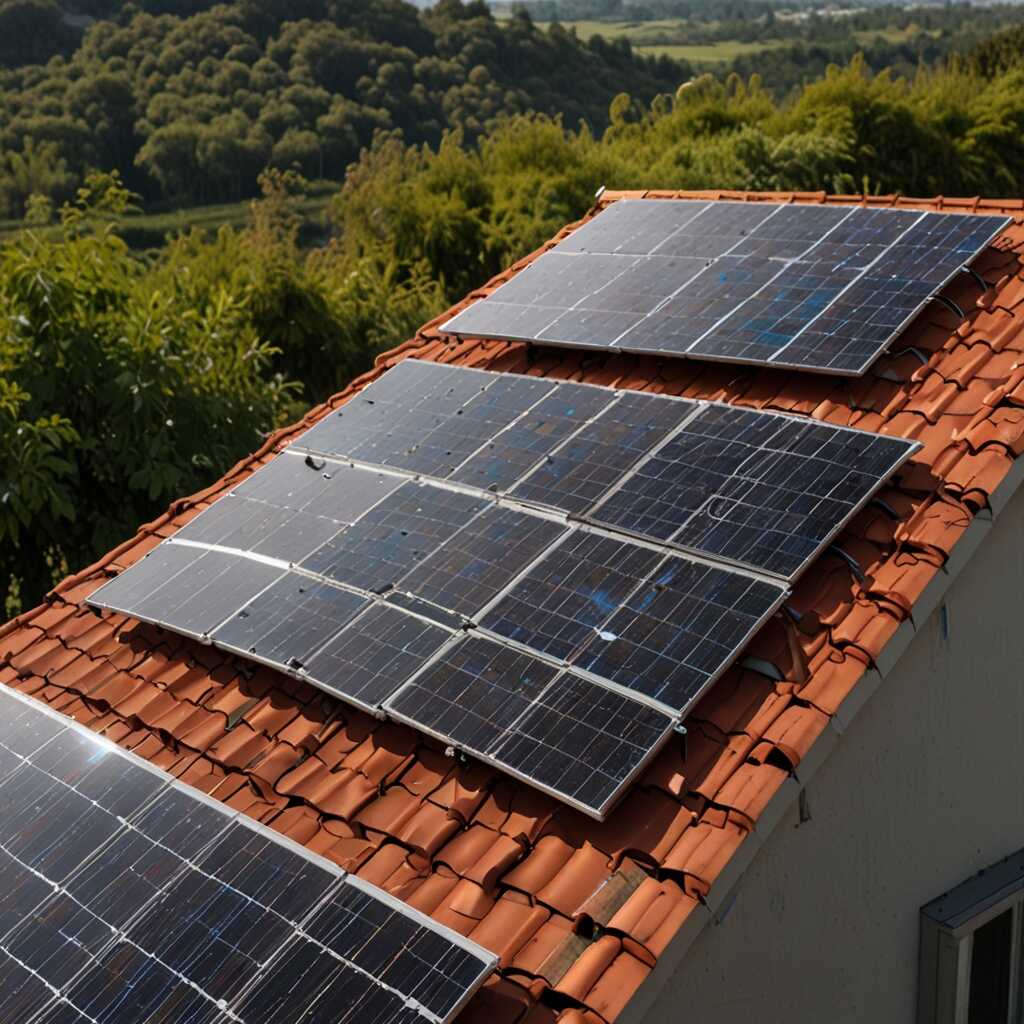
Comparative Analysis of Key Factors in Planning and Designing Your Rooftop Solar Installation
| Factor | Importance | Cost Impact | Time Required | Technical Difficulty | Potential Savings |
|---|---|---|---|---|---|
| Site Assessment | High | Medium | 2-3 days | Moderate | High |
| System Size | High | High | 1 day | Moderate | High |
| Panel Type | Medium | High | 1 day | Easy | Medium |
| Mounting System | Medium | Medium | 2-3 days | Moderate | Low |
| Inverter Choice | High | High | 1 day | Moderate | High |
| Permits | High | Low | 1-2 weeks | Hard | Medium |
Understanding Costs and Financing Options for Solar Installation
Rooftop solar installation costs can vary significantly based on system size and location. The cost breakdown typically includes equipment, installation, and maintenance. Financing options such as solar loans, leases, and power purchase agreements (PPAs) can help ease the initial financial burden of a solar panel investment. There are government incentives like the federal Investment Tax Credit (ITC), which can cover up to 26% of solar installation costs. The payback period for a solar panel system generally ranges from 5 to 10 years, depending on energy consumption and local electricity rates.
What is the Average Cost of Installing Solar Panels?
The average cost per watt for solar panels ranges between $2.50 and $3.50. A 100-watt solar panel system typically costs around $250 to $350. Cost differences between brands like Tesla Solar and others can be significant; Tesla Solar may offer competitive pricing but varies by region. Installation costs for a solar panel system can add an extra $2,000 to $5,000 to the total expense.
Permits and Regulations for Rooftop Solar Installations
Required permits for a rooftop solar installation generally include electrical and building permits. Local regulations can affect solar panel installations by imposing specific codes and standards. Zoning restrictions might limit where solar panels can be installed, particularly in historic districts. The permit process can take anywhere from a few weeks to a couple of months, depending on local government efficiency.
How Long Does it Take to Get a Permit for Solar Installation?
The average time to get a solar panel permit is typically 2 to 4 weeks. Factors that can delay the permit approval process include incomplete applications and local government backlog. Expedited permits are available in some areas for an additional fee. The permit timeline can vary by location; for instance, cities like San Francisco may have quicker processes compared to rural areas.

- Average system size: 5kW
- Cost per watt: $2.50 to $3.50
- Typical lifespan: 25 to 30 years
- Average annual savings: $600 to $800
- Installation time: 1 to 3 days
- Energy production: 20 to 25% efficiency
- Payback period: 6 to 8 years

Maintenance and Monitoring of Solar Panel Systems
From my experience, solar panel maintenance is essential for optimal performance. Regular cleaning, typically every six months, ensures efficiency. Performance monitoring involves checking energy output through systems like the Enphase Enlighten app. Common issues include dirt accumulation and shading, which can be mitigated through a consistent maintenance schedule. DIY maintenance is feasible with proper tools and safety precautions.
What Maintenance is Required for a Solar Panel System?
Solar panels should be cleaned at least twice a year to maintain efficiency. Cleaning tools like soft brushes and mild detergents are essential for safe solar panel upkeep. Professional services, such as those offered by Solar Service Group, can handle more complex maintenance tasks. Weather impact, such as heavy snowfall, might necessitate more frequent cleaning and inspections.