To optimize rooftop solar panels for maximum output, focus on proper placement, orientation, and maintenance. These factors significantly impact the efficiency and energy production of solar panels. Understanding the best practices and practical tips can help homeowners achieve the highest possible performance from their solar energy systems.
Table of Contents
- Optimal Placement for Rooftop Solar Panels
- Determining the Best Direction for Solar Panels
- How to Optimize Rooftop Solar Panels for Maximum Output
- What Factors Affect the Efficiency of Rooftop Solar Panels?
- Choosing the Right Solar Panel Technology
- Comparing Monocrystalline and Polycrystalline Panels
- How to Optimize Rooftop Solar Panels for Maximum Output
- What Software Tools Are Available for Solar Panel Output Optimization?
- Maintenance Tips for Long-Lasting Solar Panels
- How Often Should I Clean My Solar Panels?
- How to Optimize Rooftop Solar Panels for Maximum Output
- What is the Average Lifespan of Rooftop Solar Panels?
Optimal Placement for Rooftop Solar Panels
The best direction to face rooftop solar panels is typically south in the Northern Hemisphere. South-facing panels receive the most sunlight throughout the day, enhancing solar panel efficiency. Roof angle also plays a crucial role; a tilt angle equal to the latitude of the location is often recommended for optimal placement. Shading considerations are vital; even partial shading can reduce efficiency by up to 20%. To determine the optimal placement for rooftop solar panels, use tools like solar pathfinders and consult with experts like Hevan.
Determining the Best Direction for Solar Panels
The ideal direction for solar panels in the Northern Hemisphere is south. South-facing panels maximize energy output by capturing the most sunlight. While east or west-facing panels can still be effective, they typically produce about 15% less energy. Solar panel direction can be assessed using tools like solar pathfinders and online calculators. These tools help ensure energy efficiency and optimal solar panel direction.
How to Optimize Rooftop Solar Panels for Maximum Output
Efficiency factors such as shading, roof angle, and panel orientation affect the performance of rooftop solar panels. Monitoring the performance of solar panels can be done using systems like SolarEdge or Enphase, which provide real-time data. Regular solar panel maintenance, including cleaning and inspections, ensures optimal output. Temperature impact is another consideration; high temperatures can reduce efficiency by up to 10%, so proper ventilation is essential for efficiency optimization.
What Factors Affect the Efficiency of Rooftop Solar Panels?
Shading impact can significantly reduce the efficiency of rooftop solar panels, sometimes by as much as 20%. Panel angle is also crucial; an angle matching the latitude of the location is generally best. Dirt and debris can decrease solar panel output by up to 5%, so regular cleaning is necessary. Efficiency differences between solar panel brands exist; brands like SunPower and LG are known for high rooftop solar efficiency.
- Save money on electricity bills
- Reduce your carbon footprint
- Increase your home’s value
- Solar panels work even on cloudy days
- Low maintenance costs
- Long lifespan of panels
- Energy independence

Key Factors and Comparisons for Optimizing Rooftop Solar Panels for Maximum Output
| Factor | Optimal Value | Impact | Comparison | Notes |
|---|---|---|---|---|
| Panel Angle | 30-45 degrees | High | +20% vs flat | Depends on location |
| Orientation | South-facing | High | +10% vs East | In Northern Hemisphere |
| Shading | No Shade | Very High | -50% if shaded | Even partial shade |
| Maintenance | Monthly | Moderate | +5% output | Cleaning panels |
| Temperature | 25°C | Moderate | -0.5% per °C | Above 25°C |
| Inverter Efficiency | 95-98% | High | +3% vs 90% | Quality inverters |
Choosing the Right Solar Panel Technology
There are several solar panel technologies available, including monocrystalline, polycrystalline, and thin-film. Monocrystalline panels are typically more efficient, converting around 20% of sunlight into electricity. Polycrystalline panels are slightly less efficient but generally cost less. Thin-film solar panels are flexible and lightweight, making them easy to install in various locations. For residential solar panels, monocrystalline technology is often the most efficient choice due to its high solar panel efficiency and durability.
Comparing Monocrystalline and Polycrystalline Panels
The efficiency difference between monocrystalline and polycrystalline panels is significant, with monocrystalline panels converting more sunlight into electricity. Monocrystalline panels tend to be more expensive, costing around 10-15% more than polycrystalline panels. In terms of longevity, monocrystalline panels can last up to 25 years, while polycrystalline panels have a slightly shorter lifespan. Monocrystalline panels also perform better in low-light conditions, making them a superior choice for areas with less consistent sunlight.
How to Optimize Rooftop Solar Panels for Maximum Output
To calculate the potential energy output of solar panels, multiply the panel’s wattage by the average sunlight hours per day in the geographic location. Software tools like PVWatts Calculator and SolarEdge Monitoring are available for optimizing solar panel output. Geographic location significantly affects solar panel output, with sunnier areas like California producing more energy than cloudier regions. Best practices for maximizing solar panel efficiency include regular cleaning, proper orientation, and avoiding shading from nearby objects.
What Software Tools Are Available for Solar Panel Output Optimization?
The best software for monitoring solar panel performance includes SolarEdge Monitoring and Enphase Enlighten. Solar panel output prediction tools are generally accurate, with some offering up to 95% accuracy. Free tools like PVWatts Calculator are available for optimizing solar panel output. Features to look for in solar optimization software include real-time monitoring, performance analytics, and compatibility with various solar panel brands.

- Average panel lasts 25-30 years
- Efficiency ranges from 15% to 20%
- One panel can produce 250 watts
- SolarCity panels can save up to $1,500 annually
- Installation costs have dropped 70% in the last decade
- Panels can reduce CO2 emissions by 3-4 tons per year
- More than 2 million U.S. homes use solar energy
Maintenance Tips for Long-Lasting Solar Panels
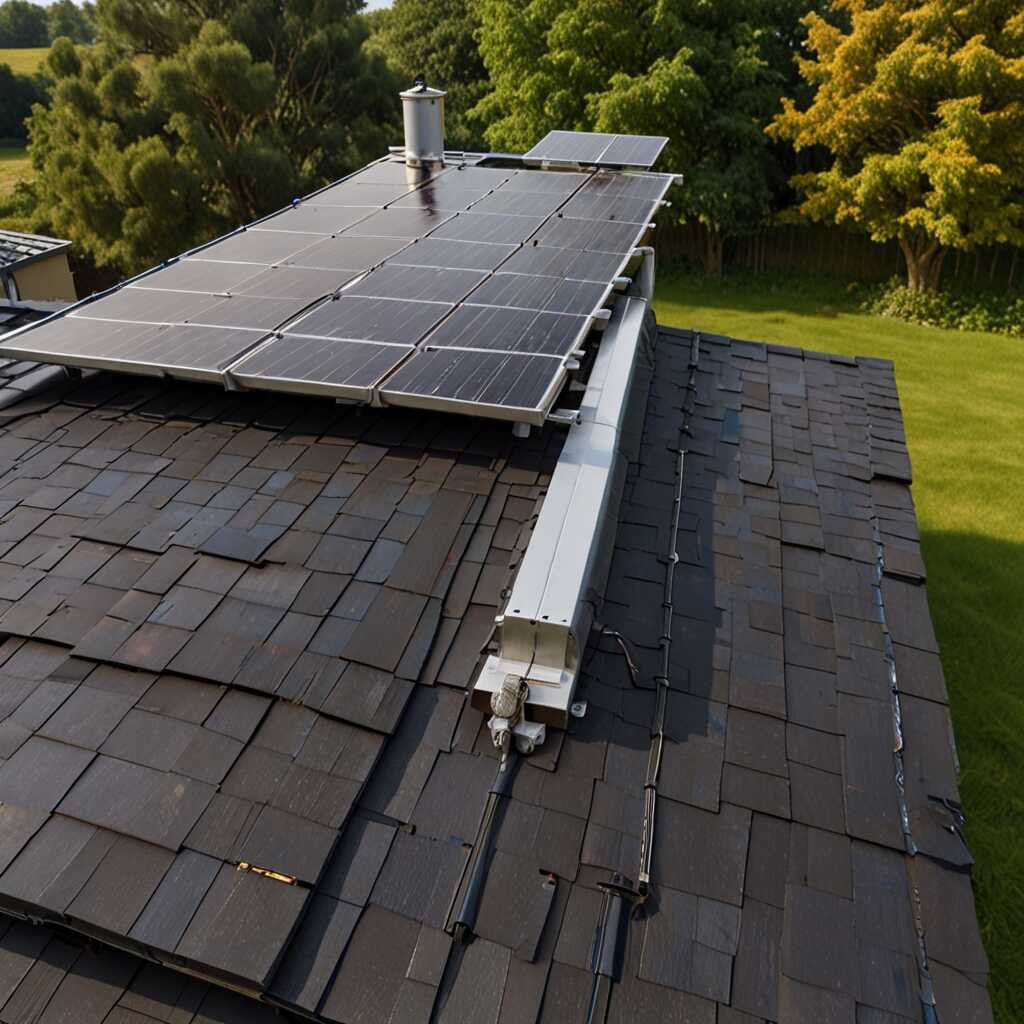
Regular maintenance is crucial for long-lasting panels. Solar panels require periodic inspections to ensure optimal performance. Cleaning frequency should be every six months. Common issues like dirt buildup and bird droppings can reduce efficiency. Weather protection measures, such as installing protective covers, can shield panels from hail and extreme weather conditions.
How Often Should I Clean My Solar Panels?
The recommended cleaning frequency for rooftop solar panels is every six months. Dirt accumulation can reduce solar panel efficiency by up to 20%. Rain can provide some natural cleaning, but it is not always effective. Specific cleaning products designed for solar panels, like Polywater’s Solar Panel Wash, ensure thorough cleanliness.
How to Optimize Rooftop Solar Panels for Maximum Output
The average lifespan of rooftop solar panels is around 25-30 years. Panel degradation typically reduces energy output by about 0.5% per year. Solar panel warranties, such as those from SunPower, often cover 25 years. Signs that panels need replacement include decreased energy production and visible damage.
What is the Average Lifespan of Rooftop Solar Panels?
Rooftop solar panels typically last between 25 and 30 years. Factors influencing lifespan include weather conditions and installation quality. Manufacturer impact, like the quality control from brands like LG, can affect durability. Extending lifespan involves regular maintenance and timely repairs.