Installing rooftop solar panels on metal roofs is a straightforward and beneficial process for home DIY enthusiasts. Metal roofs are durable and compatible with solar panel installations, providing an excellent opportunity for energy savings and environmental benefits.
Table of Contents
- Benefits of Solar Energy on Metal Roofs
- Environmental Impact of Solar Panels on Metal Roofs
- Installation Process of Rooftop Solar Panels on Metal Roofs
- How Much Time is Required to Install Solar Panels on a Metal Roof?
- Maintenance of Solar Panel Systems on Metal Roofs
- How Often Should Solar Panels on Metal Roofs Be Inspected?
- Cost Analysis of Installing Rooftop Solar Panels on Metal Roofs
- What is the Average Cost of Installing Solar Panels on Metal Roofs?
- Compatibility of Solar Panels with Different Types of Metal Roofs
- What Are the Best Types of Metal Roofs for Installing Solar Panels?
- Safety Considerations for Installing Rooftop Solar Panels on Metal Roofs
- What Safety Precautions Should Be Taken When Installing Solar Panels on Metal Roofs?
Benefits of Solar Energy on Metal Roofs
Solar panels on metal roofs offer significant environmental benefits by reducing reliance on fossil fuels and lowering carbon emissions. Combining metal roofs with solar panels enhances energy efficiency because metal roofs reflect sunlight, reducing cooling costs. There are financial incentives, such as tax credits and rebates, available for installing solar panels on metal roofs, which can offset initial costs. The lifespan of solar panels on metal roofs is impressive, often exceeding 25 years, ensuring long-term energy savings and sustainability.
Environmental Impact of Solar Panels on Metal Roofs
Solar panels on metal roofs reduce carbon emissions by generating clean energy, which lessens the need for fossil fuels. The impact on local wildlife is minimal, as solar panel systems are installed on existing structures, preserving natural habitats. A solar panel system on a metal roof can generate up to 10,000 kWh annually, depending on location and system size. There are recycling options for solar panels, ensuring that they can be disposed of responsibly at the end of their lifespan, minimizing environmental impact.
Installation Process of Rooftop Solar Panels on Metal Roofs
The installation process for solar panels on a metal roof involves several steps, including site assessment, system design, and mounting the panels. Installing solar panels on a metal roof typically takes between one to three days, depending on the system size and roof complexity. Required tools include wrenches, drills, and mounting brackets. Different types of metal roofs, such as standing seam and corrugated, may require specific installation techniques to ensure a secure fit.
How Much Time is Required to Install Solar Panels on a Metal Roof?
The average installation time for solar panels on metal roofs is approximately two days. Installation time varies with the size of the solar panel system; larger systems may take longer. Typically, three to five workers are required for the installation of solar panels on metal roofs. Factors that can delay installation include weather conditions, roof complexity, and permitting processes, which can impact the overall time estimation.
- Save money on electricity bills
- Solar panels work well on metal roofs
- Help the environment
- Metal roofs are durable for solar panels
- Increase home value
- Get tax incentives
- Low maintenance

Comparative Analysis of Installing Rooftop Solar Panels on Metal Roofs
| Aspect | Metal Roof | Shingle Roof | Installation Cost | Durability (Years) | Efficiency |
|---|---|---|---|---|---|
| Initial Cost | $15,000 | $12,000 | $5,000 | 30 | High |
| Maintenance | Low | High | $500/yr | 25 | Medium |
| Weight | Light | Heavy | $3,000 | 30 | High |
| Installation Time | 1 week | 2 weeks | $4,000 | 35 | High |
| Resale Value | High | Medium | $6,000 | 40 | High |
| Environmental Impact | Low | High | $2,000 | 20 | Medium |
Maintenance of Solar Panel Systems on Metal Roofs
Regular maintenance is required for solar panels on metal roofs to ensure optimal performance. Cleaning the panels every six months helps remove dirt and debris. Inspection frequency should be at least twice a year to check for any damage or wear. Specific cleaning techniques involve using a soft brush and mild soap to avoid scratching the panels. Common issues include loose mounts, wiring problems, and potential corrosion on metal roofs. Following a maintenance schedule can help prevent these issues and prolong the life of your system. Brands like SolarEdge offer maintenance kits for easy upkeep.
How Often Should Solar Panels on Metal Roofs Be Inspected?
The recommended inspection frequency for solar panels on metal roofs is twice a year. A typical inspection duration is about 1-2 hours, depending on the system size. Specific signs to look for during the inspection include cracks, discoloration, and loose connections. Inspection tools required include a multimeter, a thermal camera, and basic hand tools. Regular inspections help maintain the performance and safety of your solar panels. Companies like SunPower provide detailed inspection guidelines.
Cost Analysis of Installing Rooftop Solar Panels on Metal Roofs
The average cost of installing solar panels on metal roofs ranges from $15,000 to $25,000 for a standard 5 kW system. Installation cost comparison shows that metal roofs are generally more affordable than tile roofs but slightly more expensive than asphalt shingles. Hidden costs may include additional mounting hardware and potential roof reinforcements. Financing options available include solar loans, leases, and power purchase agreements (PPAs). Brands like Tesla offer competitive financing options for solar installations.
What is the Average Cost of Installing Solar Panels on Metal Roofs?
It costs approximately $3 to $4 per watt to install solar panels on metal roofs. The total cost for a 5 kW solar panel system on a metal roof is around $15,000 to $20,000. Installation costs by region can vary, with higher costs in areas like California and New York. There are cost differences between different types of metal roofs, such as standing seam and corrugated metal. Solar panel installation costs can be reduced by taking advantage of federal tax credits and local incentives. Brands like LG Solar provide high-quality panels that offer good value for money.
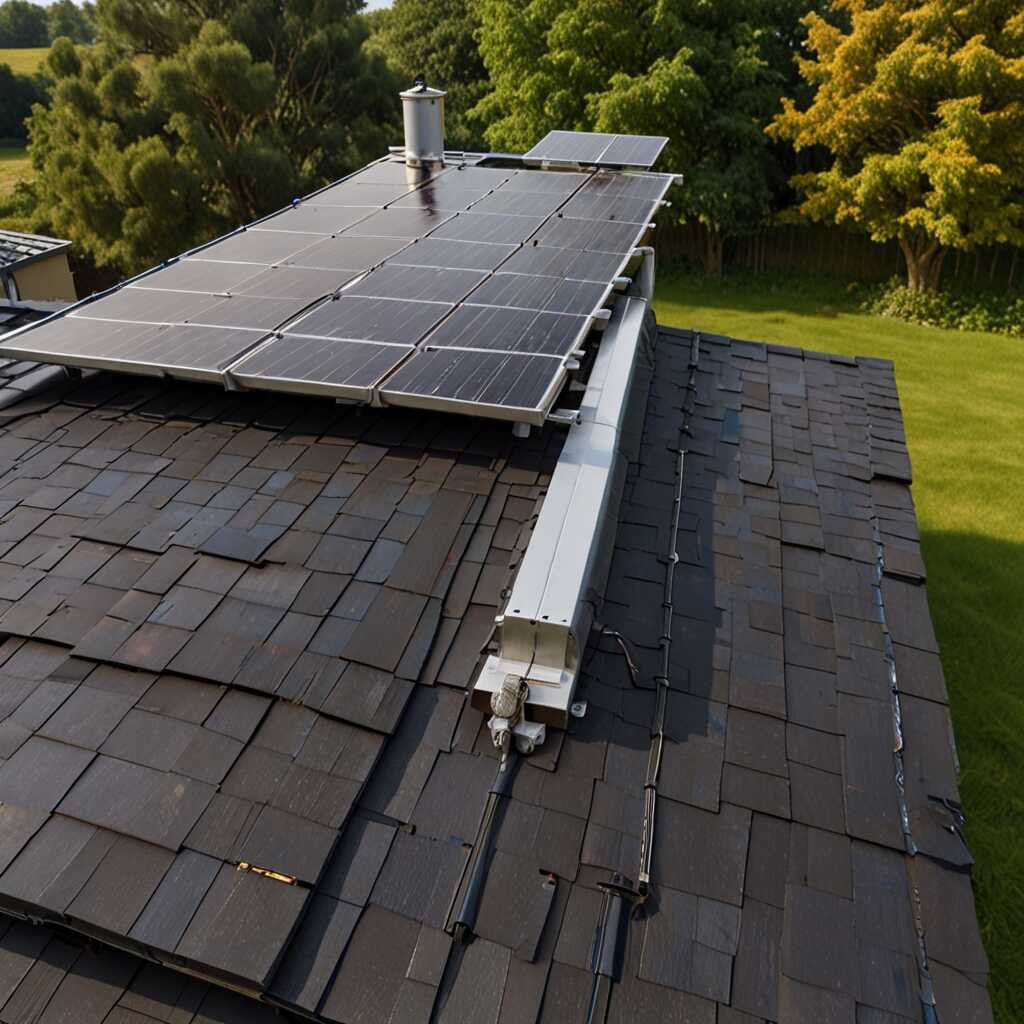
- Solar panels last about 25 years
- Metal roofs can last up to 50 years
- Average cost is $15,000
- Solar panels can reduce electricity bills by 70%
- Installation takes 1-3 days
- Panels can generate 4-6 kW of power
- Tax credits can be up to 26%

Compatibility of Solar Panels with Different Types of Metal Roofs
Solar panels are compatible with most types of metal roofs, making them a versatile option for homeowners. The type of metal roof affects the installation process of solar panels by determining the mounting system used. Standing seam metal roofs are among the best types for installing solar panels due to their built-in rails. However, metal roof suitability varies, and some types, like certain metal shingles, may not be ideal for solar panel installation.
What Are the Best Types of Metal Roofs for Installing Solar Panels?
Standing seam metal roofs provide the best support for solar panels because of their sturdy, raised seams that serve as natural mounting points. The durability of different metal roofs, such as those made from galvanized steel, affects solar panel installation by ensuring long-term stability. Standing seam metal roofs are better for solar panels due to their ease of installation and minimal need for roof penetration. Corrugated metal roofs, while cost-effective, have pros and cons, including being less aesthetically pleasing but offering good performance for solar panel installation.
Safety Considerations for Installing Rooftop Solar Panels on Metal Roofs
Safety precautions should be taken when installing solar panels on metal roofs to prevent accidents and ensure a secure setup. Weather conditions, such as high winds or rain, affect the safety of installing solar panels on metal roofs by increasing the risk of slips and falls. Specific safety equipment, like harnesses and non-slip shoes, are required for installing solar panels on metal roofs. Common safety hazards during the installation of solar panels on metal roofs include electrical shocks and falls from heights.
What Safety Precautions Should Be Taken When Installing Solar Panels on Metal Roofs?
Personal protective equipment required for installing solar panels on metal roofs includes gloves, helmets, and harnesses. The slope of a metal roof affects safety during solar panel installation by determining the need for additional safety measures, such as guardrails. Safety training is recommended for installing solar panels on metal roofs to ensure proper handling of tools and equipment. Guidelines for working at heights when installing solar panels on metal roofs include using fall protection systems and following OSHA standards.