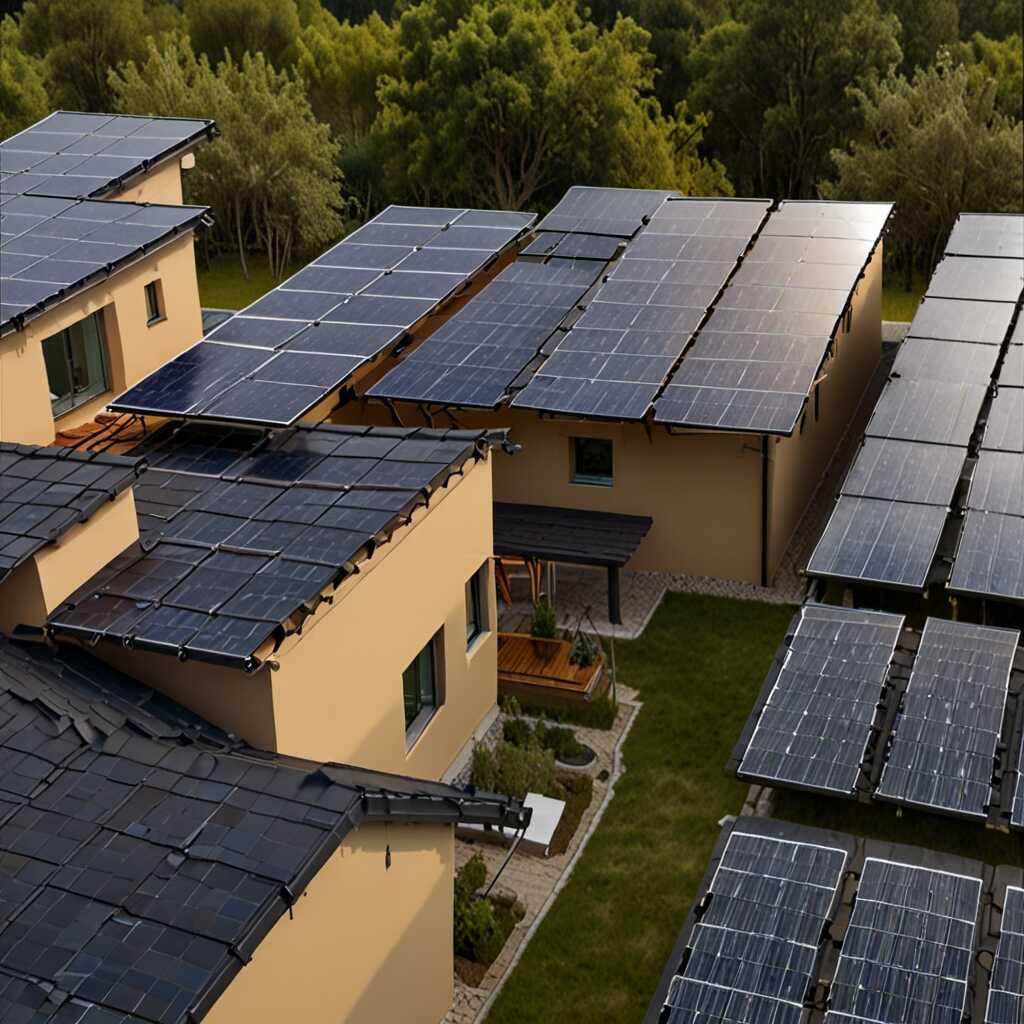
Flexible solar panels work on rooftop installations by adapting to various roof shapes and materials, providing a versatile and efficient energy solution. These panels are lightweight, thin, and can be easily installed on different types of rooftops, making them a great option for DIY enthusiasts. Flexible solar panels use advanced photovoltaic technology to convert sunlight into electricity, ensuring excellent performance and durability.
Table of Contents
- Benefits of Flexible Solar Panels on Rooftops
- Durability and Longevity of Flexible Solar Panels
- Understanding the Installation Process of Flexible Solar Panels
- How Long Does Installation Take?
- Cost Considerations for Flexible Solar Panels
- How Much Can You Save with Flexible Solar Panels?
- Technological Advances in Flexible Solar Panels
- What Are the Efficiency Rates of New Flexible Solar Panels?
- Environmental Impact of Flexible Solar Panels
- Are Flexible Solar Panels Recyclable?
- Technological Innovations in Flexible Solar Panels
- What Are the Latest Advancements in Technology?
Benefits of Flexible Solar Panels on Rooftops
Key advantages of using flexible solar panels on rooftops include their lightweight nature and ease of installation. Unlike traditional solar panels, flexible solar panels can be installed without heavy mounting systems, making them a very good choice for DIY projects. Flexible solar panels offer impressive efficiency rates, often reaching up to 20%, which is comparable to traditional solar panels. These panels are suitable for different types of rooftops, including metal, shingle, and even curved surfaces, due to their adaptability. Additionally, flexible solar panels enhance the overall aesthetics of a building by blending seamlessly with the roof design, providing a sleek and modern look.
Durability and Longevity of Flexible Solar Panels
Flexible solar panels typically last around 20 to 25 years, offering a long-term energy solution. The use of durable materials like ETFE (ethylene tetrafluoroethylene) and PET (polyethylene terephthalate) contribute to the durability of flexible solar panels. These panels are designed to withstand extreme weather conditions, including heavy rain, snow, and high winds, ensuring reliable performance. To ensure longevity, minimal maintenance is required, such as occasional cleaning and inspection to remove debris and check for any damage.
Understanding the Installation Process of Flexible Solar Panels
The installation process of flexible solar panels on a rooftop involves several steps, starting with measuring the roof area and cleaning the surface. Unlike traditional panels, flexible solar panels can be attached using adhesives or Velcro, eliminating the need for heavy mounting brackets. Necessary tools for installation include a measuring tape, adhesive, cleaning supplies, and a ladder. Safety precautions, such as wearing non-slip shoes and using a harness, are essential to prevent accidents during installation.
How Long Does Installation Take?
Installation of flexible solar panels typically takes around 4 to 8 hours, depending on the size of the rooftop and the number of panels. Factors that can affect installation time include roof complexity, weather conditions, and the installer’s experience. Larger rooftops may increase the installation duration due to the greater surface area that needs to be covered. Usually, 2 to 3 workers are needed to complete the installation efficiently, ensuring safety and quality.
- Easy to install on curved surfaces
- Lightweight design reduces roof stress
- Better performance in low light conditions
- Flexible solar panels can fit on various roof types
- Durable and resistant to harsh weather
- Lower installation costs compared to rigid panels
- Environmentally friendly energy source

Comparison of Key Aspects of Flexible Solar Panels in Rooftop Installations
| Aspect | Flexible Panels | Traditional Panels | Efficiency | Weight | Installation Time |
|---|---|---|---|---|---|
| Efficiency | 10-15% | 15-20% | Lower | Higher | Comparable |
| Weight | 2-4 kg/m² | 10-15 kg/m² | Lighter | Heavier | Significantly Lighter |
| Installation Time | 1-2 hours | 3-5 hours | Faster | Slower | Much Faster |
| Durability | 10-15 years | 20-25 years | Shorter | Longer | Lower |
| Flexibility | High | None | Very Flexible | Rigid | Adaptable |
| Cost | $100-$200/m² | $150-$300/m² | Lower | Higher | Cost-Effective |
Cost Considerations for Flexible Solar Panels
The average cost of flexible solar panels per watt is typically around $2 to $3, which is slightly higher than traditional solar panels. When comparing flexible solar panels to traditional solar panels, flexible options tend to be more expensive initially but offer unique installation benefits. Financial incentives and rebates, such as the Federal Solar Tax Credit, can help reduce the overall cost of flexible solar panels. Factors influencing the overall cost include the size of the installation, the efficiency of the panels, and the complexity of the rooftop installation. Brands like SunPower and Renogy offer various flexible solar panel options that could fit different budgets.
How Much Can You Save with Flexible Solar Panels?
Homeowners can save up to 30% on energy bills with flexible solar panels. The ROI period for flexible solar panel installations is generally between 5 to 7 years. Flexible solar panels can increase property value by approximately 4%, according to a study by Zillow. The efficiency impact of flexible solar panels directly affects savings, with newer models offering higher efficiency rates than older ones. Companies like Tesla and LG are popular choices for high-efficiency flexible solar panels.
Technological Advances in Flexible Solar Panels
The latest technological advancements in flexible solar panels include the use of perovskite materials and improved thin-film technologies. These advancements improve the efficiency of flexible solar panels by up to 20%. New materials like lightweight polymers and advanced composites are being used in production. Flexible solar panels are increasingly being integrated with smart home technologies, such as energy management systems and IoT devices. Brands like First Solar and SolarEdge are leading the way in these technological advancements.
What Are the Efficiency Rates of New Flexible Solar Panels?
The current efficiency rate of the latest flexible solar panels is around 18% to 20%. When comparing older models, new flexible panels show an improvement of about 5% in efficiency rates. Factors contributing to the improved efficiency include better materials, advanced manufacturing techniques, and enhanced cell designs. The overall performance of flexible solar panels is significantly impacted by these efficiency rates, making them more viable for residential use. Panasonic and Sunflare are well-known brands that offer high-efficiency flexible solar panels.
- Can bend up to 30 degrees
- Weighs around 2.5 pounds per square meter
- Efficiency rate of 15-20%
- Flexible solar panels can last up to 25 years
- Installation time is reduced by 20%
- Average cost is $2.50 per watt
- Can generate electricity even on cloudy days

Environmental Impact of Flexible Solar Panels
Flexible solar panels contribute significantly to carbon footprint reduction by harnessing renewable energy from the sun, thereby decreasing reliance on fossil fuels. Flexible solar panels sustainability is enhanced by the fact that many components are recyclable, making solar panel recycling a viable option. However, the manufacturing impact of these panels involves the use of materials like silicon and polymers, which require energy-intensive processes. The energy grid effect is positive, as the use of these eco-friendly panels helps stabilize the grid by providing a decentralized energy source.
Are Flexible Solar Panels Recyclable?
Many materials in flexible solar panels, such as silicon and certain polymers, are recyclable. Specialized recycling facilities have been established to handle solar panel recycling efficiently. The recycling process involves separating the recyclable materials from non-recyclable components, often using mechanical or chemical methods. On average, about 90% of a flexible solar panel can be recycled, contributing to flexible solar panels recycling efforts.
Technological Innovations in Flexible Solar Panels
The latest advancements in flexible solar panel technology include the development of lightweight and highly efficient panels. These technological advancements improve the efficiency of flexible solar panels by incorporating more efficient photovoltaic cells. New materials such as perovskite are being used to enhance performance. These solar panel innovations also impact the cost, making them more affordable for consumers.
What Are the Latest Advancements in Technology?
New technologies being integrated into flexible solar panels include bifacial cells and advanced thin-film technology. These technological advancements increase panel efficiency by allowing more sunlight to be absorbed. Some companies have patented technologies, such as SunPower’s Maxeon cells, which enhance performance. Manufacturers typically release new technological updates for flexible solar panels every 1-2 years, ensuring continuous improvement in flexible solar panels advancements.