The future of rooftop solar power is bright, driven by emerging technologies and innovative solutions. Solar energy innovations are transforming the way we harness the sun’s power, making it more efficient and accessible for homeowners. This article explores the latest trends and advancements in solar panel technology, flexible solar panels, market trends, and projected growth rates, providing insights for DIY enthusiasts looking to embrace solar energy.
Table of Contents
- Emerging Technologies in Rooftop Solar
- Flexible Solar Panels: Benefits and Drawbacks
- The Future of Rooftop Solar Power: Market Trends
- What are the projected growth rates for rooftop solar installations?
- Cost-Effective Solutions for Solar Panel Installation
- DIY Solar Panel Kits: Are They Worth It?
- The Future of Rooftop Solar Power: Energy Storage Innovations
- What are the most efficient energy storage systems for rooftop solar?
- The Future of Rooftop Solar Power: Integration with Smart Home Technologies
- How does smart home technology optimize solar energy usage?
Emerging Technologies in Rooftop Solar
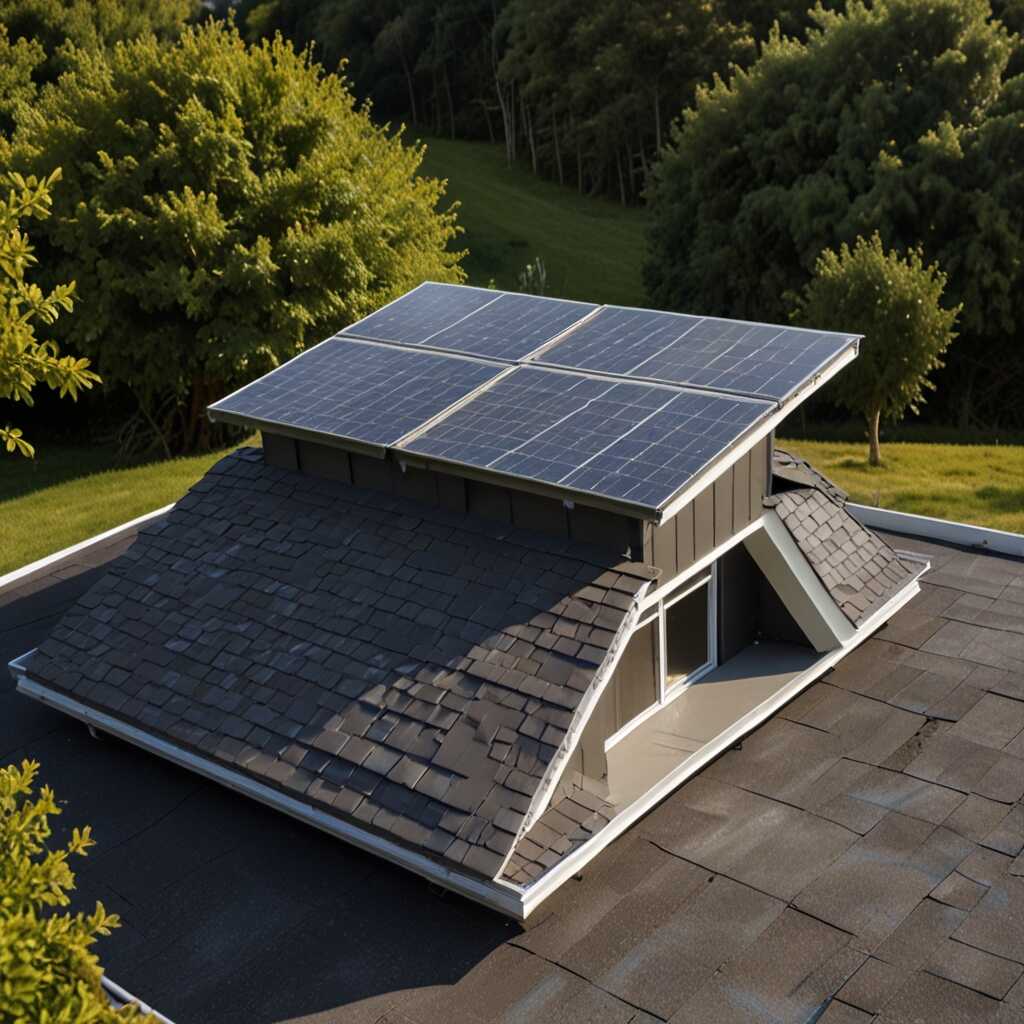
The latest advancements in solar panel technology include higher efficiency rates and bifacial panels that capture sunlight from both sides. Flexible solar panels offer greater versatility compared to traditional panels, making them suitable for various roof types. Innovations such as micro-inverters and smart energy management systems are improving the efficiency of rooftop solar systems. Leading companies like Tesla, SunPower, and Hevan are at the forefront of solar technology advancements, continuously pushing the boundaries of solar energy innovations.
Flexible Solar Panels: Benefits and Drawbacks
Flexible solar panels offer the main advantage of being lightweight and easy to install. They are less durable than traditional solar panels but can withstand moderate weather conditions. Flexible solar panels can be used on different types of roofs, including curved and irregular surfaces. The cost comparison between flexible and rigid solar panels shows that flexible panels are generally more expensive per watt but offer unique benefits that may justify the higher cost for specific applications.
The Future of Rooftop Solar Power: Market Trends
The market for rooftop solar power is expected to grow significantly in the next decade, with a projected annual growth rate of 20%. Factors driving the adoption of rooftop solar systems include decreasing costs, increased energy awareness, and environmental concerns. Government policies, such as tax incentives and subsidies, play a crucial role in the rooftop solar market. Current trends in solar panel pricing indicate a steady decline, making solar power more affordable for homeowners.
What are the projected growth rates for rooftop solar installations?
The expected annual growth rate for rooftop solar installations is around 20%. By 2030, it is projected that there will be over 10 million new rooftop solar installations worldwide. Regions like North America, Europe, and Asia-Pacific are expected to see the highest growth in rooftop solar. The projected growth in rooftop solar compares favorably to other renewable energy sources, demonstrating the increasing popularity and feasibility of solar power for residential use.
- Save money on electricity bills
- Reduce carbon footprint
- Low maintenance costs
- Increase home value
- Energy independence
- Long lifespan of solar panels
- Support renewable energy

Comparative Analysis of Trends and Innovations in Rooftop Solar Power for Future Sustainability
| Aspect | 2023 | 2025 | 2030 | Key Innovations | Adoption Rate (%) |
|---|---|---|---|---|---|
| Efficiency | 18% | 20% | 25% | Perovskite Cells | 60% |
| Cost per Watt | $2.50 | $2.00 | $1.50 | Thin-Film Tech | 70% |
| Battery Storage | 5 kWh | 10 kWh | 15 kWh | Solid-State | 50% |
| Smart Grids | 10% | 25% | 50% | AI Integration | 80% |
| Inverter Tech | 95% Eff. | 97% Eff. | 99% Eff. | Microinverters | 90% |
| Gov. Incentives | 30% | 35% | 40% | Tax Credits | 85% |
Cost-Effective Solutions for Solar Panel Installation
Some of the most cost-effective solar panel kits available today include Renogy and Grape Solar, known for their affordability and quality. Homeowners can reduce installation costs by opting for DIY solar panel kits and purchasing in bulk. Financial incentives such as the federal solar tax credit can significantly lower the initial costs of rooftop solar panels. The return on investment for a typical solar panel system is usually achieved within 6 to 8 years, thanks to solar panel savings and reduced electricity bills.
DIY Solar Panel Kits: Are They Worth It?
The benefits of using DIY solar panel kits include lower costs and the satisfaction of self-installation. Installing a DIY solar panel kit is moderately difficult and requires basic electrical knowledge. The cost savings associated with DIY solar panel installation can be up to 50% compared to professional installation. However, DIY installation risks include potential safety hazards and improper setup, which can affect the solar panel benefits.
The Future of Rooftop Solar Power: Energy Storage Innovations
Advancements in energy storage are significantly impacting rooftop solar systems by making them more efficient and reliable. The best energy storage solutions for rooftop solar power include Tesla Powerwall and LG Chem RESU. Battery storage systems improve the efficiency of solar panels by storing excess energy for later use. The latest trends in solar energy storage technology include higher capacity batteries and improved energy density, enhancing overall storage technology trends.
What are the most efficient energy storage systems for rooftop solar?
The energy storage systems offering the highest efficiency for rooftop solar include Tesla Powerwall and Sonnen Eco. Different battery technologies, such as lithium-ion and lead-acid, vary in efficiency, with lithium-ion being the most efficient. The lifespan of the most efficient energy storage systems, like Tesla Powerwall, is around 10 to 15 years. The top storage systems can hold enough energy to power a home for several hours, ensuring efficient storage and reliability.
- Solar panels can last up to 25 years
- Over 2 million homes in the USA have solar panels
- Solar energy costs have dropped by 70% in the last decade
- SolarCity is a major player in the market
- One hour of sunlight can power the world for a year
- Solar panels can reduce electricity bills by 50%
- By 2025, solar power could supply 10% of global electricity

The Future of Rooftop Solar Power: Integration with Smart Home Technologies
Rooftop solar systems can be integrated with smart home technologies through advanced connectivity and control systems. Integration with smart home systems allows homeowners to monitor and manage energy consumption in real-time, leading to increased efficiency. The latest solar technology innovations include smart inverters and energy management apps that sync with home networks. Smart home solar systems enhance the efficiency of solar panels by optimizing energy usage based on household needs and weather forecasts.
How does smart home technology optimize solar energy usage?
Smart home devices like smart thermostats, energy monitors, and smart plugs help optimize solar energy usage. Smart thermostats work with solar panels to save energy by adjusting heating and cooling based on solar production and home occupancy. Smart home systems can predict solar energy production using weather data and historical trends, allowing for better energy management. The cost benefits of using smart home technology with solar panels include reduced utility bills and increased return on investment.