Installing DIY solar panel kits can be an easy and cost-effective way to harness solar energy for your home. This guide will walk you through the step-by-step process of understanding solar panel technology, choosing the right kit, and calculating your energy needs.
Table of Contents
- Understanding Solar Panel Technology
- Monocrystalline vs. Polycrystalline Solar Panels
- Choosing the Right DIY Solar Panel Kit
- How to Calculate Your Energy Needs for a Solar Panel Kit
- Preparing Your Roof for Solar Panel Installation
- Is My Roof Suitable for Solar Panels?
- Step-by-Step Solar Panel Installation Guide
- How Do I Mount Solar Panels on a Metal Roof?
- Maintaining and Monitoring Your Solar Panel System
- What Are Common Issues That Affect Solar Panel Efficiency?
Understanding Solar Panel Technology
There are three main types of solar panel technologies available: monocrystalline, polycrystalline, and thin-film panels. Photovoltaic technology in solar panels converts sunlight into electricity using semiconductor materials. Monocrystalline panels offer higher solar panel efficiency compared to polycrystalline panels, making them a better choice for limited roof space. Thin-film panels are less efficient than traditional panels but are flexible and lightweight, which can be beneficial for certain installations.
Monocrystalline vs. Polycrystalline Solar Panels
Monocrystalline panels are made from a single crystal structure, whereas polycrystalline panels are made from multiple crystal fragments. For residential solar installations, monocrystalline panels are more efficient, typically converting 15-20% of sunlight into electricity. In terms of solar panel costs, monocrystalline panels are generally more expensive than polycrystalline panels. However, monocrystalline panels also have a longer lifespan, often lasting over 25 years, compared to polycrystalline panels which last around 20 years.
Choosing the Right DIY Solar Panel Kit
When selecting a DIY solar panel kit, consider factors such as your energy needs, roof space, and budget. To determine the right size for your solar panel kit, calculate your average monthly energy consumption. Top solar brands like Renogy, Grape Solar, and Hevan offer quality DIY solar panel kits. Compare the costs of different DIY solar panel kits by looking at the price per watt and the total system cost.
How to Calculate Your Energy Needs for a Solar Panel Kit
To calculate your household’s energy consumption, review your electricity bills to find your average monthly usage in kilowatt-hours (kWh). The average wattage required for a residential solar system is around 5 kW, which can power a typical home. For a 5 kW system, you would need approximately 20 solar panels, assuming each panel is 250 watts. Factors like shading, orientation, and geographic location can affect the energy output of your solar panels, so consider these when planning your installation.
- Save money on electricity bills
- Learn new skills
- Reduce your carbon footprint
- Use kits like Renogy for easy setup
- Increase your home’s value
- Enjoy a fun and educational project
- Be more energy independent
Comparison of Key Aspects in DIY Solar Panel Kits: A Step-by-Step Installation Guide
| Aspect | Basic Kit | Intermediate Kit | Advanced Kit | Installation Time | Cost |
|---|---|---|---|---|---|
| Panel Wattage | 100W | 200W | 300W | 4 hours | $150 |
| Panel Efficiency | 15% | 18% | 20% | 6 hours | $300 |
| Battery Capacity | 50Ah | 100Ah | 150Ah | 8 hours | $450 |
| Inverter Power | 500W | 1000W | 1500W | 10 hours | $600 |
| Warranty | 2 years | 3 years | 5 years | 12 hours | $750 |
| DIY Difficulty | Easy | Moderate | Hard | 14 hours | $900 |
Preparing Your Roof for Solar Panel Installation
Preparing a roof for solar panel installation involves several key steps, including checking roof integrity, assessing roof orientation, and ensuring proper roof preparation. To determine if a roof is suitable for solar panel installation, evaluate the roof’s age, material, and structural integrity. Best practices for maintaining roof integrity during installation include using appropriate mounting systems and ensuring no damage to the roofing material. Roof orientation significantly affects panel efficiency, with south-facing roofs typically being the most effective for solar energy production. Brands like SolarEdge and SunPower offer comprehensive guides on roof suitability and preparation.
Is My Roof Suitable for Solar Panels?
A solar-ready roof must meet specific structural requirements, such as being able to support the weight of the panels and withstand local weather conditions. Assessing roof shading involves checking for trees, buildings, or other obstructions that could block sunlight. Roofing materials like asphalt shingles, metal, and tiles are generally best for solar panels due to their durability and ease of installation. The angle of the roof impacts solar panel performance, with angles between 30-45 degrees being ideal for maximizing energy production. Companies like Tesla and LG provide detailed information on evaluating roof suitability for solar panel installation.
Step-by-Step Solar Panel Installation Guide
The initial steps in installing a DIY solar panel kit include planning the layout, gathering necessary tools, and following safety precautions. Mounting solar panels varies by roof type, with specific techniques for asphalt, metal, and tile roofs. Important safety precautions include wearing protective gear, securing ladders, and turning off the electrical system. Connecting the solar panels to the inverter and electrical system involves wiring the panels, connecting to the inverter, and integrating with the home’s electrical grid. Brands like Renogy and Grape Solar offer excellent DIY solar panel kits with detailed installation instructions.
How Do I Mount Solar Panels on a Metal Roof?
Mounting solar panels on a metal roof requires specific tools such as clamps, brackets, and a drill. Securing solar panels to metal roof seams involves using specialized clamps that attach without penetrating the roof. Best practices for preventing leaks during installation include using sealant around mounting hardware and ensuring proper flashing. The weight of solar panels affects a metal roof minimally, as metal roofs are designed to support additional loads. Companies like IronRidge and Unirac provide high-quality mounting systems specifically for metal roofs.

- Average kit costs around $200
- Installation takes about 8 hours
- Panels can last up to 25 years
- Brands like Eco-Worthy offer 100W panels
- Can reduce electricity bills by 50%
- Panels work in temperatures from 40°F to 185°F
- Generate 300-400 kWh per month

Maintaining and Monitoring Your Solar Panel System
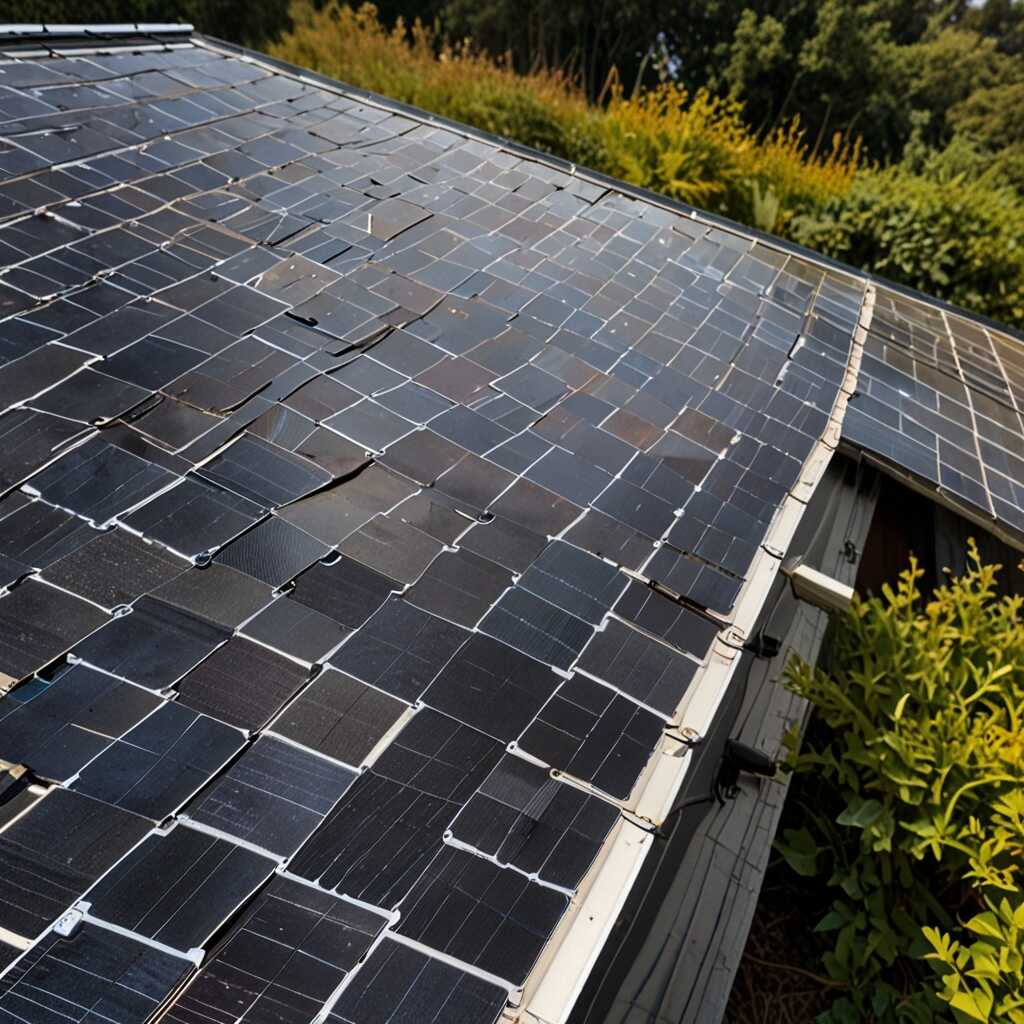
From my experience, maintaining and monitoring your solar panel system is crucial for optimal performance. Routine maintenance involves cleaning the panels to remove dirt and debris, which can reduce efficiency by up to 20%. System monitoring can be done through apps or inverters that track panel performance in real-time. Common issues such as shading from trees or deteriorating components can affect panel efficiency. To extend the lifespan of your solar panel system, regularly inspect for damage and ensure that all components are in good working order.
What Are Common Issues That Affect Solar Panel Efficiency?
Dirt and debris on solar panels can significantly reduce solar panel performance. Weather conditions, like heavy snow or hail, can impact panel efficiency by covering or damaging the panels. Shading issues from nearby trees or buildings can be identified by observing the panels during peak sunlight hours and can be fixed by trimming branches or adjusting panel placement. Signs of deteriorating components include reduced energy output and visible wear, which can be addressed by replacing faulty parts.