Comparing rooftop solar panel efficiency and output involves evaluating different types of solar panels and their performance under various conditions. Understanding these factors helps in making an informed decision about which solar panels to install on a residential roof.
Table of Contents
- Types of Solar Panels for Rooftops
- Monocrystalline vs. Polycrystalline Solar Panels
- Factors Affecting Rooftop Solar Panel Efficiency and Output
- Numerical Impact of Shading on Solar Panel Output
- Installation and Maintenance of Rooftop Solar Panels
- Maintenance Frequency for Rooftop Solar Panels
- Comparing Rooftop Solar Panel Efficiency by Brand
- What Are the Efficiency Ratings of Tesla Solar Panels?
- Cost vs. Efficiency of Rooftop Solar Panels
- What is the ROI for High-Efficiency Solar Panels?
- Future Trends in Rooftop Solar Panel Efficiency and Output
- How Will Future Innovations Impact Solar Panel Output?
Types of Solar Panels for Rooftops
There are several types of solar panels available for rooftops, including monocrystalline solar panels, polycrystalline solar panels, thin-film solar panels, and flexible solar panels. Monocrystalline solar panels are known for their high efficiency and sleek appearance, making them a popular choice for home use. Polycrystalline solar panels are more cost-effective but slightly less efficient, which makes them suitable for larger roof spaces. Thin-film solar panels offer advantages such as being lightweight and flexible, making installation easier on residential roofs. Flexible solar panels are versatile and can be installed on various types of rooftops, including those with unconventional shapes or materials.
Monocrystalline vs. Polycrystalline Solar Panels
The efficiency difference between monocrystalline and polycrystalline solar panels is significant, with monocrystalline panels typically offering 15-20% efficiency compared to 13-16% for polycrystalline panels. Monocrystalline panels are more cost-effective for residential use in the long term due to their higher efficiency and longer lifespan. In low-light conditions, monocrystalline panels perform better, maintaining higher energy production compared to polycrystalline panels. The longevity of monocrystalline solar panels is generally superior, often coming with a 25-year warranty, whereas polycrystalline panels may offer a slightly shorter warranty period, reflecting their expected lifespan.
Factors Affecting Rooftop Solar Panel Efficiency and Output
Roof orientation significantly affects solar panel efficiency, with south-facing roofs in the northern hemisphere providing the best performance. Shading impact on rooftop solar panel output can be substantial, reducing efficiency by up to 25% if partial shading occurs. Temperature influence is also crucial; high temperatures can decrease solar panel performance by 10-25%, depending on the panel type. The roof material can impact solar panel efficiency; for example, metal roofs can reflect more light and heat, potentially improving performance compared to asphalt shingles.
Numerical Impact of Shading on Solar Panel Output
Shading can reduce the efficiency of a solar panel system by as much as 30%, significantly affecting overall performance. Partial shading can cause an output loss of approximately 20%, depending on the extent and duration of the shading. Shading affects the overall energy production of a rooftop solar system by reducing the total energy generated, which can lead to lower savings on energy bills. Energy loss statistics show that in different climates, shading can cause energy production to drop by 15-25%, with more significant losses in areas with frequent cloudy weather.
- Save money on electricity bills
- Solar panels help reduce pollution
- Increase the value of your home
- Solar panels work even on cloudy days
- Low maintenance costs
- Energy independence from the grid
- Support renewable energy initiatives
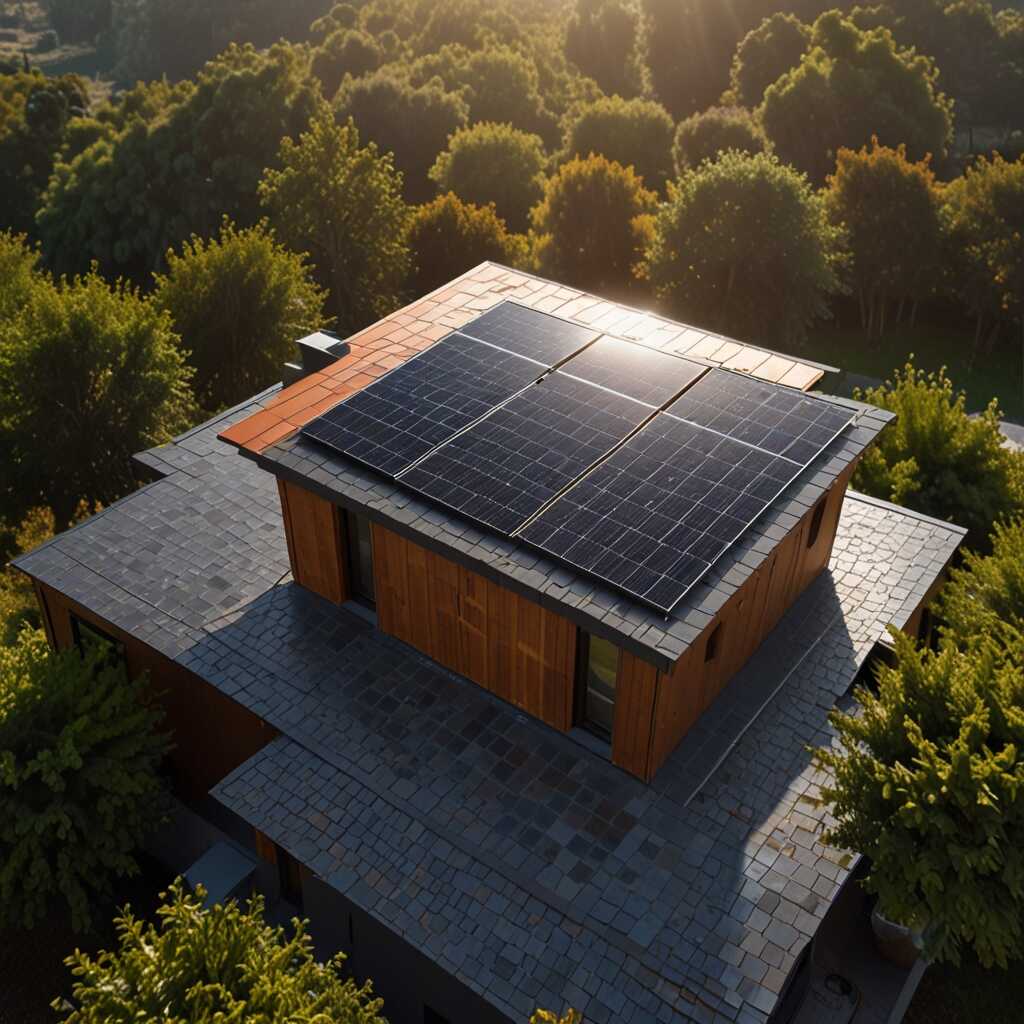
Comparison of Rooftop Solar Panel Efficiency and Output Based on Different Factors
| Brand | Model | Efficiency (%) | Output (W) | Warranty (Years) | Cost ($) |
|---|---|---|---|---|---|
| Brand A | Model X | 19.5 | 320 | 25 | 250 |
| Brand B | Model Y | 18.7 | 310 | 20 | 230 |
| Brand C | Model Z | 20.1 | 330 | 25 | 270 |
| Brand D | Model W | 17.8 | 300 | 15 | 210 |
| Brand E | Model V | 19.0 | 315 | 25 | 240 |
| Brand F | Model U | 18.3 | 305 | 20 | 220 |
Installation and Maintenance of Rooftop Solar Panels
Installing rooftop solar panels involves several steps including site assessment, system design, obtaining permits, and actual installation. Rooftop solar maintenance is typically required every 6-12 months. Common maintenance issues for rooftop solar systems include dirt accumulation, shading, and inverter malfunctions. DIY solar panel installation is possible with the right tools and knowledge, though professional installation ensures higher quality and safety.
Maintenance Frequency for Rooftop Solar Panels
Rooftop solar panels should be cleaned every 6 months to maintain efficiency. The recommended inspection frequency for rooftop solar systems is annually. Inverters in rooftop solar systems generally need replacement every 10-15 years. The average lifespan of rooftop solar panels before they require significant maintenance is around 25-30 years.
Comparing Rooftop Solar Panel Efficiency by Brand
Brands like SunPower, LG, and Panasonic offer the most efficient rooftop solar panels. Tesla Solar efficiency is competitive, often surpassing 19% efficiency rates. Top-rated brands for residential solar panel efficiency include SunPower, which boasts efficiency ratings up to 22.8%. Brand-specific warranties can significantly affect solar panel performance; for example, SunPower offers a 25-year warranty that guarantees 92% efficiency after 25 years.
What Are the Efficiency Ratings of Tesla Solar Panels?
The efficiency rating of Tesla Solar panels is around 19-20%, which is comparable to other high-end brands. Tesla Solar panels’ efficiency impacts energy savings by offering more electricity per square foot. Efficiency statistics for Tesla Solar panels vary by climate, performing best in sunny regions like California. Tesla’s efficiency rating positively affects the overall performance of a solar panel system by reducing energy loss.
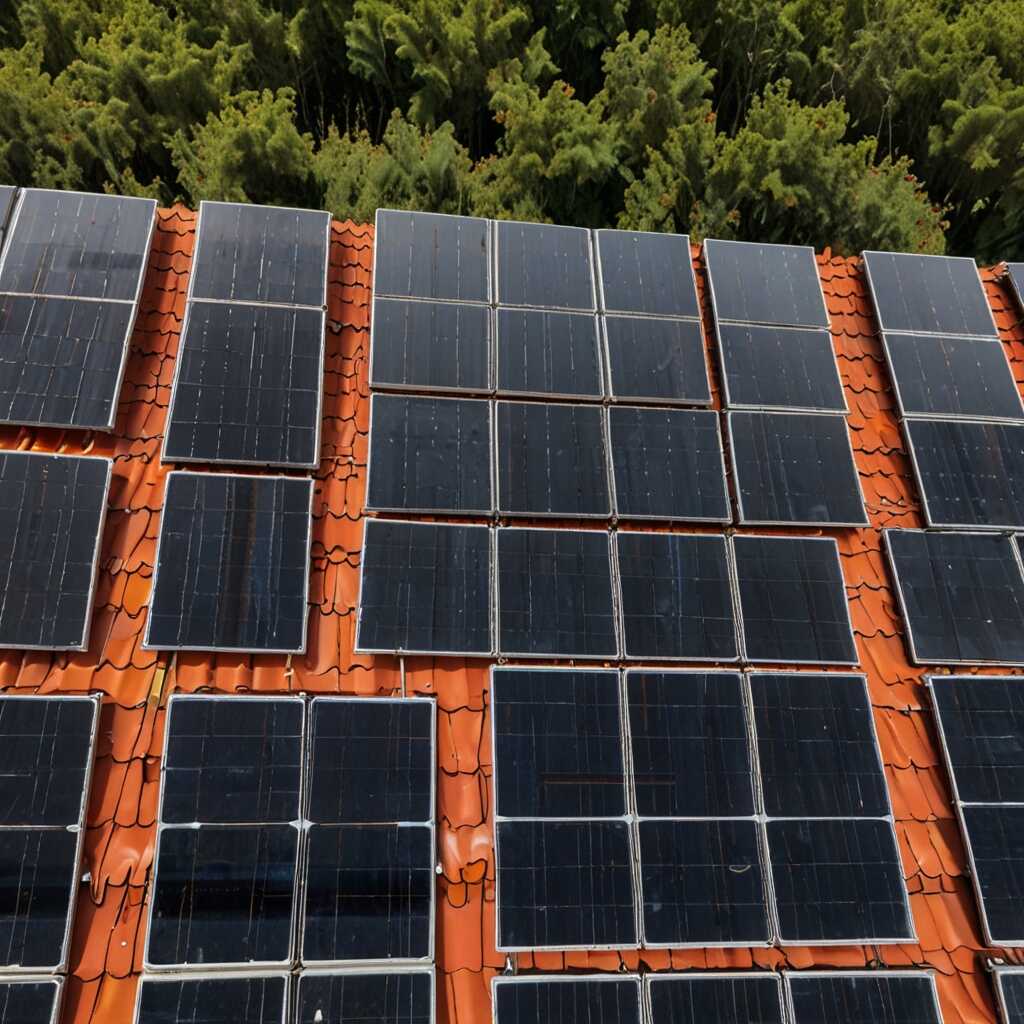
- Efficiency rates range from 15% to 22%
- Average output is about 300 watts per panel
- SolarCity panels can last up to 25 years
- SunPower panels have a 22.8% efficiency rate
- Installation costs range from $10,000 to $30,000
- Solar panels can reduce carbon footprint by 3 to 4 tons annually
- Energy savings can be up to $1,500 per year

Cost vs. Efficiency of Rooftop Solar Panels
From my experience, the cost of solar panels often correlates directly with their efficiency, meaning higher efficiency panels tend to be more expensive. For residential rooftops, cost-effective solar panels like those from brands such as Renogy and Grape Solar provide a good balance between cost and performance. Financing options, including solar loans and leases, can significantly affect the cost-efficiency balance by spreading the upfront cost over time. The return on investment for high-efficiency panels, such as those from SunPower, can be impressive, offering quicker payback periods due to higher energy output.
What is the ROI for High-Efficiency Solar Panels?
The average ROI for high-efficiency solar panels over 10 years can reach up to 20% depending on location and energy costs. When comparing high-efficiency panels to standard panels, high-efficiency panels generally provide a better ROI due to higher energy production. Factors influencing the ROI of high-efficiency solar panels include local sunlight availability, energy prices, and installation costs. The financial benefits of investing in high-efficiency solar panels include lower electricity bills and potential tax incentives, making the investment in solar very worthwhile.
Future Trends in Rooftop Solar Panel Efficiency and Output
Emerging technologies in rooftop solar panel efficiency include bifacial panels and perovskite solar cells, which promise higher efficiency rates. Future innovations will likely increase solar panel output by incorporating advanced materials and better energy capture techniques. Predictions for solar panel efficiency improvements in the next decade suggest an increase of up to 30% in efficiency. Advancements in solar technology will make residential solar installations more efficient and cost-effective, encouraging more homeowners to adopt solar energy.
How Will Future Innovations Impact Solar Panel Output?
Projected output increases from new solar technologies could boost energy production by 25% or more. Future innovations are expected to reduce the cost of solar panel systems by improving manufacturing processes and materials. Advancements in solar panel materials, such as the use of graphene and multi-junction cells, will enhance energy capture and efficiency. Future innovations will also improve the durability of solar panels, making them more resistant to weather and wear, ensuring long-term performance.