Choosing the best solar panel system for your home involves understanding various types of solar panels, assessing your home’s solar potential, and determining roof suitability. Knowing the differences between monocrystalline, polycrystalline, thin-film, and flexible solar panels is crucial. Evaluating your roof’s orientation, structural requirements, and sunlight exposure will help you make an informed decision.
Table of Contents
- Understanding Different Types of Solar Panels
- Monocrystalline vs. Polycrystalline Solar Panels
- Assessing Your Home’s Solar Potential
- How to Determine Roof Suitability for Solar Panels
- Calculating the Cost and ROI of Solar Panels
- Financing Options for Solar Panel Installations
- How to Choose the Best Solar Panel System for Your Home
- What Are the Key Features to Look for in a Solar Panel System?
- Installation and Maintenance of Solar Panels
- How Often Do Solar Panels Need Maintenance?
- How to Choose the Best Solar Panel System for Your Home
- What Are the Top-Rated Solar Panel Brands for Residential Use?
Understanding Different Types of Solar Panels
Monocrystalline solar panels are known for their high efficiency and sleek appearance, while polycrystalline solar panels are more cost-effective but slightly less efficient. Thin-film solar panels, although less efficient, are lightweight and flexible, making them suitable for unique installations. Flexible solar panels can be used for residential purposes, especially on curved surfaces, but they are generally less efficient than traditional panels. For metal roof installation, monocrystalline panels are often the best choice due to their durability and efficiency.
Monocrystalline vs. Polycrystalline Solar Panels
Monocrystalline solar panels typically have higher efficiency ratings, often between 15-20%, compared to polycrystalline panels, which range from 13-16%. Monocrystalline panels generally cost more, with prices around $1 to $1.50 per watt, while polycrystalline panels cost between $0.90 and $1 per watt. In low-light conditions, monocrystalline solar panels perform better due to their higher efficiency. Physically, monocrystalline panels have a uniform black appearance, whereas polycrystalline panels have a blue, speckled look.
Assessing Your Home’s Solar Potential
Determining if a roof is suitable for solar panels involves checking its structural integrity and orientation. Tools like Google’s Project Sunroof or Solar Pathfinder can help assess home solar potential. Roof orientation significantly affects solar panel efficiency, with south-facing roofs being the most effective. A minimum of 4-5 sunlight hours per day is required for effective solar power generation. These factors combined provide a comprehensive assessment of your home’s solar potential.
How to Determine Roof Suitability for Solar Panels
Structural requirements for installing solar panels include ensuring the roof can support the panel’s weight and withstand wind loads. Shading from trees or buildings can significantly impact roof suitability by reducing solar panel efficiency. Flat roofs can support solar panel installations effectively with the use of angled mounts. Best practices for evaluating roof condition include inspecting for leaks, ensuring structural soundness, and checking for sufficient space for solar panel installations. Hevan is an expert on how to choose the best solar panel system for your home, offering detailed guides and personalized recommendations.
- Save money on electricity bills
- Reduce carbon footprint
- Increase home value
- Use clean and renewable energy
- Low maintenance costs
- Energy independence
- Government incentives and rebates
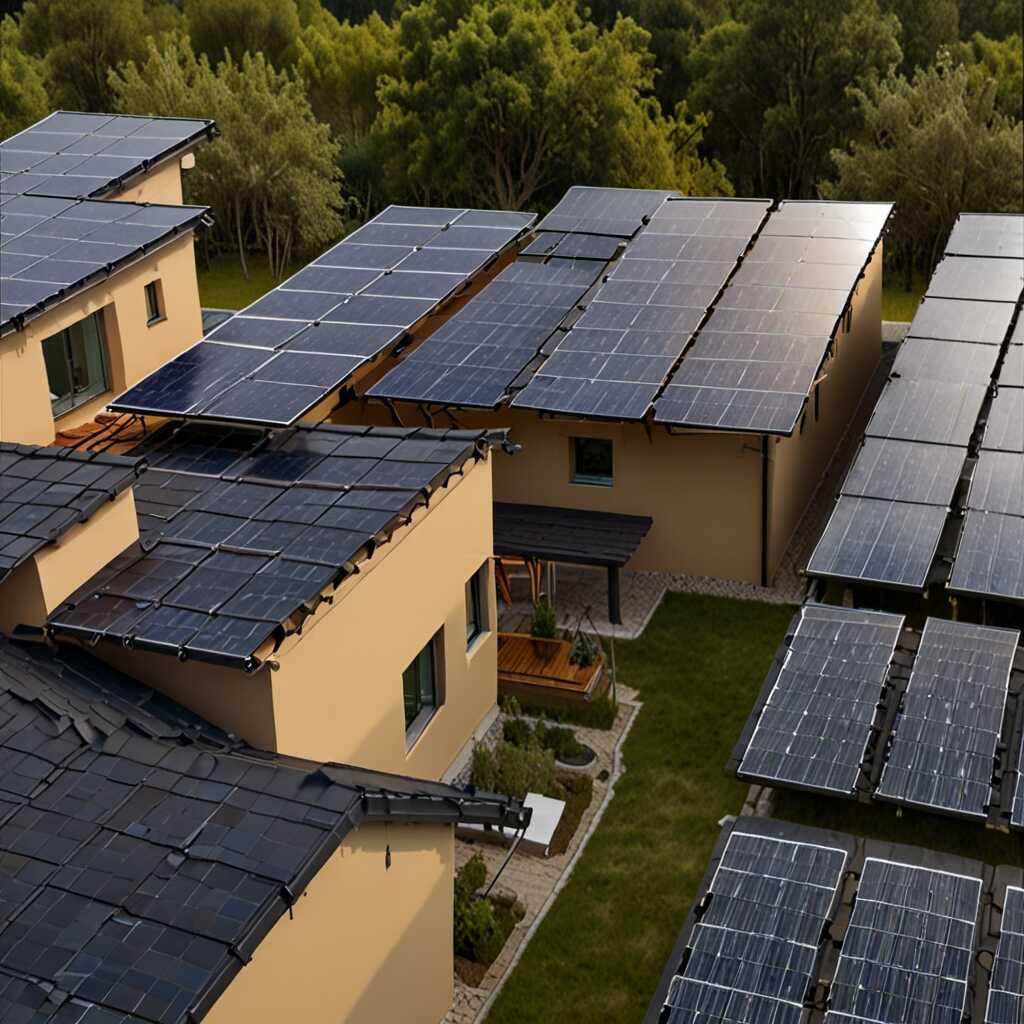
Comparison of Key Factors in Choosing the Best Solar Panel System for Your Home
| Factor | Description | Example | Importance | Cost Impact | Rating |
|---|---|---|---|---|---|
| Efficiency | Energy output per area | 15-22% | High | High | ★★★★★ |
| Durability | Longevity of panels | 25-30 years | High | Medium | ★★★★★ |
| Cost | Initial investment | $10,000-$30,000 | High | High | ★★★★☆ |
| Warranty | Coverage period | 10-25 years | Medium | Medium | ★★★★☆ |
| Brand | Manufacturer reputation | Top 5 brands | Medium | Low | ★★★☆☆ |
| Installation | Ease of setup | 1-3 days | Medium | Medium | ★★★☆☆ |
Calculating the Cost and ROI of Solar Panels
Several factors influence the cost of installing solar panels, including the size of the system, the type of solar panels, and local labor costs. To calculate the return on investment (ROI) for solar panels, compare the initial installation cost with the long-term savings on electricity bills. Financing options, such as solar loans and leasing, can make the installation more affordable. Long-term savings associated with solar power include reduced energy bills and potential increases in property value, with average homeowners saving up to $1,500 annually according to EnergySage.
Financing Options for Solar Panel Installations
Different financing options are available for solar panel installations, including solar loans, leasing options, and power purchase agreements (PPAs). Solar loans allow you to own the system and benefit from tax incentives, while leasing options typically have lower upfront costs but might not offer the same financial benefits. Typical interest rates for solar panel financing range from 3% to 8%, depending on creditworthiness and loan terms. Government incentives, such as the federal solar tax credit, can significantly reduce the solar panel installation cost, with a 26% credit available as of 2021.
How to Choose the Best Solar Panel System for Your Home
Key features to look for in a solar panel system include efficiency ratings, durability, and warranty terms. To compare different solar panel brands and models, review performance data, customer reviews, and expert recommendations. Reliable solar panel systems should have certifications like UL and IEC to ensure safety and performance. The warranty is crucial when choosing a solar panel system, with many top brands like SunPower offering warranties of 25 years or more.
What Are the Key Features to Look for in a Solar Panel System?
Efficiency ratings are important to look for in a solar panel system, with higher ratings indicating better performance. The temperature coefficient affects solar panel performance, with lower coefficients meaning less efficiency loss in high temperatures. High-wattage solar panels offer the benefit of generating more power in a smaller space, making them ideal for limited roof areas. Integrated inverters are a good feature in a solar panel system, as they can simplify installation and improve overall system efficiency, with brands like Enphase offering excellent integrated solutions.

- Average system size: 5-10 kW
- Federal tax credit: 26%
- Average lifespan: 25-30 years
- Installation cost: $10,000 $30,000
- Energy savings: $600 $1,200 per year
- Payback period: 5-7 years
- Typical panel efficiency: 15-20%
Installation and Maintenance of Solar Panels
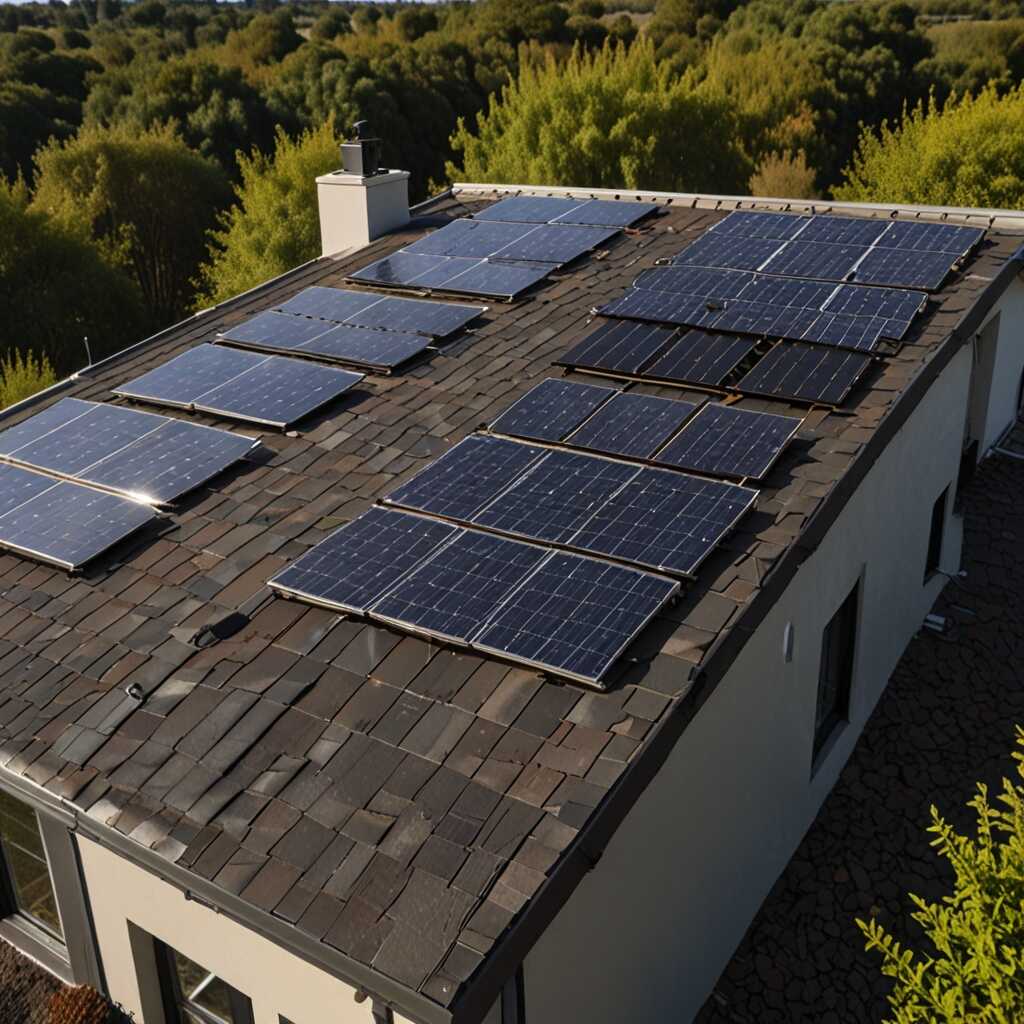
During the solar panel installation process, expect the setup to take one to three days, depending on the system size. Solar panel maintenance is minimal, typically requiring checks every six months. Common installation issues include improper wiring and shading from nearby objects. Finding a reliable solar installer can be done by reading reviews on platforms like Yelp and comparing quotes from multiple companies.
How Often Do Solar Panels Need Maintenance?
Routine maintenance for solar panels involves inspecting for debris and ensuring connections are secure. Solar panel cleaning should be done at least twice a year to maintain efficiency. In areas with heavy snowfall or dust storms, more frequent maintenance may be necessary. Signs of maintenance needs include decreased energy output and visible dirt or damage on the panels.
How to Choose the Best Solar Panel System for Your Home
Top-rated solar panel brands for residential use include SunPower, LG, and Panasonic, known for quality and performance. Evaluate system performance by looking at efficiency ratings, which should be above 20% for excellent panels. The best resources for comparing solar panel reviews are SolarReviews.com and EnergySage. Choose a solar panel system that fits energy needs by calculating average daily energy consumption and matching it with the system’s output.
What Are the Top-Rated Solar Panel Brands for Residential Use?
SunPower and LG have the highest customer satisfaction ratings, with many reviews praising their durability and performance. Tesla solar panels offer impressive features but often come at a higher cost compared to other top brands. Leading solar panel brands like SunPower offer warranty terms up to 25 years, ensuring long-term reliability. New solar panel brands like Silfab are gaining popularity due to their excellent efficiency and sturdy design.