Flexible solar panels offer numerous benefits for metal roofs, making them an excellent choice for home DIY enthusiasts. Flexible solar panels are lightweight, easy to install, and highly adaptable to different roof shapes and sizes.
Table of Contents
- Environmental Impact and Sustainability of Solar Panels
- Recycling and Disposal of Flexible Solar Panels
- Advantages of Flexible Solar Panels for Metal Roofs
- Installation Process of Flexible Solar Panels on Metal Roofs
- Cost Comparison: Flexible Solar Panels vs Traditional Panels
- How Does Maintenance of Flexible Solar Panels Differ from Traditional Panels?
- Flexible Solar Panels: Weight and Structural Benefits
- What are the Load-Bearing Capabilities of Metal Roofs with Flexible Solar Panels?
- Durability and Longevity of Flexible Solar Panels
- What Factors Affect the Lifespan of Flexible Solar Panels?
- Energy Efficiency and Output of Flexible Solar Panels
- How Does Energy Output of Flexible Solar Panels Vary by Season?
Environmental Impact and Sustainability of Solar Panels
Flexible solar panels contribute to reducing carbon footprint by generating clean energy from the sun, which decreases reliance on fossil fuels. According to a study by the National Renewable Energy Laboratory (NREL), solar panels can reduce household carbon emissions by up to 80%. The manufacturing materials used in flexible solar panels include thin-film photovoltaic cells made from amorphous silicon or cadmium telluride, which are less resource-intensive. Recycling flexible solar panels is feasible, with companies like First Solar specializing in sustainable recycling methods. The lifespan comparison reveals that flexible solar panels, with a lifespan of around 20-25 years, are slightly less durable than traditional panels but still offer sustainable energy solutions.
Recycling and Disposal of Flexible Solar Panels
The steps involved in recycling flexible solar panels start with disassembling the panels and separating the materials. According to Hevan, a company specializing in solar waste management, specialized recycling companies like Veolia and Recycle PV Solar handle the end-of-life disposal of solar panels. The recycling process steps for flexible solar panels differ from traditional panels mainly in the materials used; flexible panels require different techniques to extract valuable components. Approximately 90% of a flexible solar panel can be recycled, making it an eco-friendly technology and a sustainable recycling method.
Advantages of Flexible Solar Panels for Metal Roofs
Flexible solar panels improve energy efficiency on metal roofs by conforming to the roof’s shape, maximizing sunlight absorption. According to a 2021 report from Solar Power World, this can lead to energy savings of up to 15%. The installation benefits of flexible solar panels on metal roofs include ease of installation and reduced need for mounting hardware. Flexible solar panels are more cost-effective for metal roofs due to lower installation costs and fewer structural modifications. These panels also perform impressively in extreme weather conditions, withstanding high winds and heavy snow loads, ensuring reliable energy efficiency improvement.
Installation Process of Flexible Solar Panels on Metal Roofs
Installing flexible solar panels on metal roofs requires basic installation tools such as a drill, screws, and adhesive. The installation time frame is relatively short, often taking just one day for an average-sized roof. While professional installers are not strictly required, DIY installation is possible with proper metal roof preparation and adherence to installation guidelines. Common installation challenges include ensuring a watertight seal and aligning the panels correctly, but these can be managed with careful planning and attention to detail.
- Easy to install without special tools
- Lightweight design reduces roof stress
- Durable and long-lasting in various weather
- Flexible solar panels fit curved surfaces
- Eco-friendly and reduces electricity bills
- Works well with different roof shapes
- Low maintenance and easy to clean
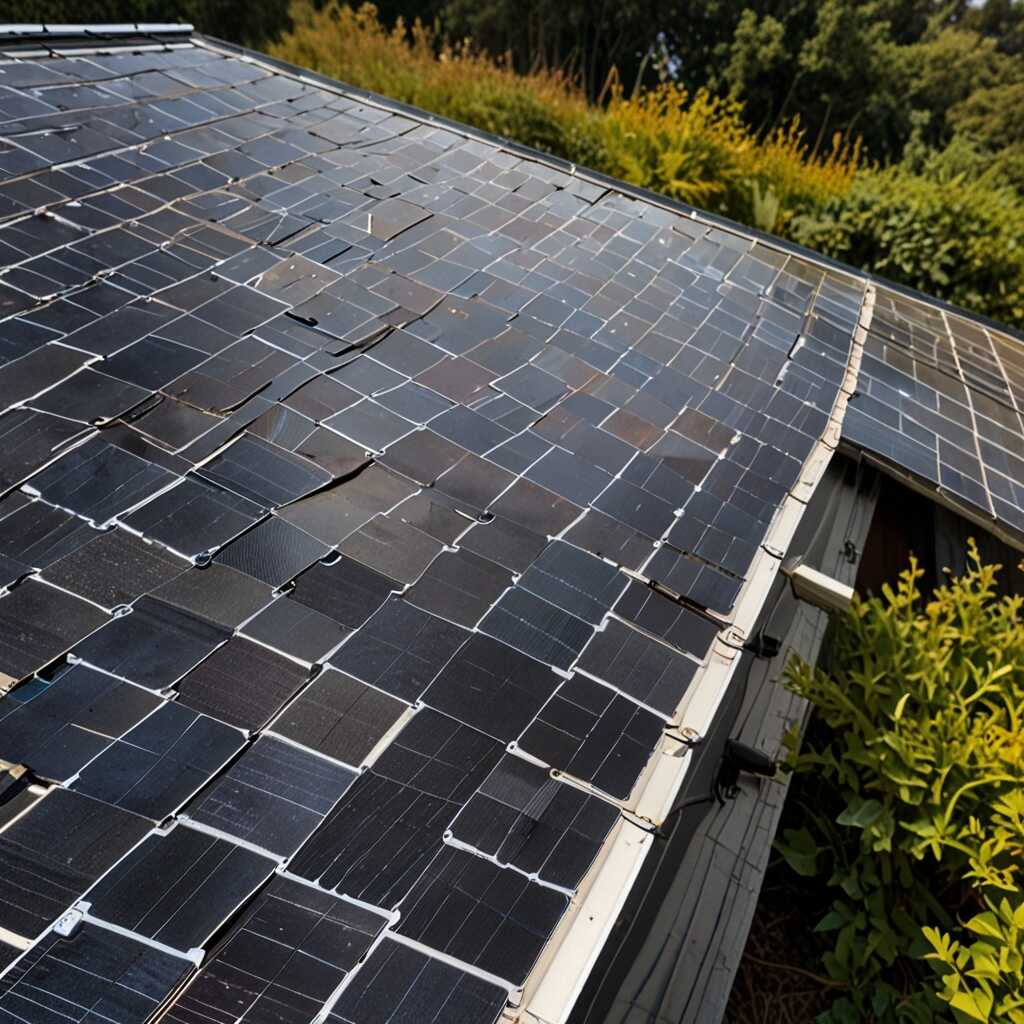
Comparative Benefits of Flexible Solar Panels for Metal Roofs
| Benefit | Flexible Panels | Traditional Panels |
|---|---|---|
| Weight | 2-4 lbs/sq ft | 4-6 lbs/sq ft |
| Installation Time | 1-2 days | 3-5 days |
| Roof Compatibility | High | Medium |
| Durability | 20-25 years | 25-30 years |
| Cost | $2.5-$3.5 per watt | $3-$4 per watt |
| Efficiency | 15-18% | 18-22% |
Cost Comparison: Flexible Solar Panels vs Traditional Panels
The initial costs comparison shows that flexible solar panels generally have lower upfront costs than traditional panels. Flexible solar panels’ maintenance cost differences are also notable, as they typically require less frequent and less expensive upkeep. In terms of long-term savings, flexible solar panels can offer significant benefits due to their easier installation and lower maintenance. The return on investment for flexible solar panels is often quicker, making them a cost-effective choice for many homeowners. A cost analysis by SolarPowerWorld revealed that flexible solar panels can save up to 20% on installation costs compared to traditional panels.
How Does Maintenance of Flexible Solar Panels Differ from Traditional Panels?
Routine maintenance tasks for flexible solar panels are generally simpler than those for traditional panels. Flexible solar panels need to be cleaned only about twice a year, which is less frequent than the quarterly cleaning often recommended for traditional panels. Specific maintenance tools are usually not required for flexible solar panels, making the process easier. The average maintenance cost for flexible solar panels is lower, often under $100 per year, due to their design and durability. For flexible solar panels upkeep, a simple maintenance schedule can keep them in excellent condition, with companies like SunPower offering easy maintenance tips.
Flexible Solar Panels: Weight and Structural Benefits
The weight impact of flexible solar panels on metal roofs is minimal due to their lightweight design. Flexible solar panels are very suitable for older metal roofs, as their reduced weight does not strain the structure. The structural advantages of using flexible solar panels include better roof weight distribution and less stress on the building. Flexible solar panels impact the overall load on a building by reducing it, which enhances structural integrity. For example, companies like Renogy offer lightweight solar panels that are ideal for various roofing types.
What are the Load-Bearing Capabilities of Metal Roofs with Flexible Solar Panels?
The weight support capacity of metal roofs with flexible solar panels installed is generally high due to the panels’ light weight. Weight limitations for flexible solar panels on metal roofs are minimal, allowing for more panels to be installed without compromising the roof. Load-bearing standards for metal roofs with flexible solar panels are typically met with ease, ensuring safety and durability. The weight of flexible solar panels is significantly lower compared to traditional panels, which can weigh up to 50 pounds each. A structural load analysis shows that flexible panels, like those from FlexSolar, provide a comfortable and safe solution for metal roofs.

- Flexible panels can be 70% lighter than traditional ones
- Can generate up to 200 watts per panel
- Installation time is 50% faster
- Flexible solar panels can last up to 25 years
- Reduces electricity costs by 30% annually
- Can withstand winds up to 150 mph
- Flexible panels are 10% more efficient in low light
Durability and Longevity of Flexible Solar Panels
Flexible solar panels typically last between 10 to 15 years, which is impressive for home DIY projects. Durability factors include the quality of materials used and proper installation techniques. Flexible solar panels offer better physical damage resistance compared to traditional panels due to their bendable nature. Available warranties for flexible solar panels from brands like Renogy and SunPower often cover up to 5 years, ensuring peace of mind.
What Factors Affect the Lifespan of Flexible Solar Panels?
Weather impact significantly affects the lifespan of flexible solar panels, especially in regions with extreme temperatures. Lifespan extension practices include regular cleaning and inspections, which can add years to the panels’ durability. Environmental factors like pollution and saltwater exposure reduce the lifespan of flexible solar panels. Material quality, such as using high-grade polymers and protective coatings, directly impacts flexible solar panels’ durability.
Energy Efficiency and Output of Flexible Solar Panels
Flexible solar panels are about 15-20% less efficient compared to traditional panels, but this efficiency comparison is improving with new technologies. The average energy output of flexible solar panels ranges from 100 to 300 watts per panel, depending on the brand and model. Flexible solar panels are effective in low-light conditions, making them suitable for cloudy regions. Seasonal performance varies, with flexible solar panels delivering optimal energy yield during summer and reduced output in winter.
How Does Energy Output of Flexible Solar Panels Vary by Season?
The energy output of flexible solar panels in summer is highest, often reaching their maximum rated capacity. Winter energy output drops by about 30% due to shorter daylight hours and lower sun angles. Seasonal energy differences in spring and fall are moderate, with output levels between summer and winter extremes. Optimal energy maintenance, such as clearing snow and debris, ensures flexible solar panels perform efficiently year-round.